Cecilia Chamidah Nur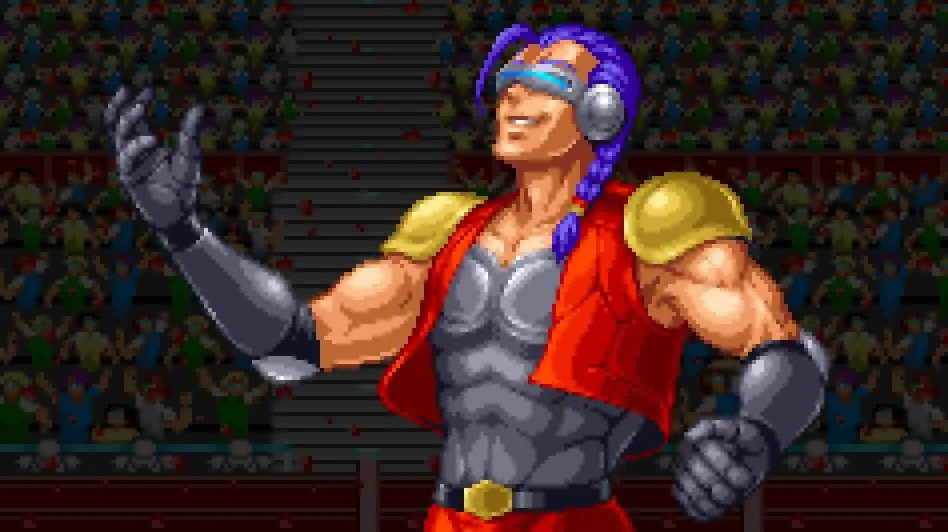
The announcement, made by Relevo, positions Mikami’s involvement as a crucial step in elevating Bullfighter: Neon‘s pixel art aesthetic to truly capture the essence of the early 1990s Neo Geo classics it seeks to emulate. Mikami, whose distinguished career at SNK spanned from 1991 to 1995, left an indelible mark on titles that defined the console’s golden age, including the visceral action of Mutation Nation, the competitive spirit of Super Sidekicks, and the groundbreaking artistry of Samurai Shodown. His expertise is expected to infuse Bullfighter: Neon with the genuine "look and feel" that discerning retro gaming enthusiasts cherish, particularly those familiar with the distinct visual language of SNK’s arcade masterpieces.
The Genesis of Bullfighter: Neon: A Modern Retro Vision
Bullfighter: Neon is not merely another retro-inspired title; it is a meticulously crafted homage designed to transport players back to the vibrant, high-octane world of Neo Geo "future Cyber-Sport" arcade games. The concept itself is a bold fusion: it takes the rarely explored (within video games, at least) spectacle of bullfighting and injects it with a heavy dose of futuristic, cyberpunk flair. Players will find themselves in a fantastical arena where traditional matadors are replaced by six distinct characters, each battling mechanical adversaries known as CyberBeasts. These formidable opponents boast unique attack patterns and are complemented by dynamic, arena-based hazards, promising a gameplay experience that is both strategic and frenetic.
Relevo’s vision for the game is clear: to create a "wacky spin" on bullfighting by adding "robots, lasers, and sunglasses," crafting an original narrative within a familiar aesthetic. This inventive approach aims to differentiate Bullfighter: Neon from other retro throwbacks, offering a fresh premise while adhering to the graphical and gameplay sensibilities of its inspirations. The commitment to a nostalgic pixel art aesthetic is central to this vision, a commitment now significantly reinforced by the addition of Mikami.
Tracing the Neo Geo Inspirations
The specific lineage of Bullfighter: Neon can be directly traced to a pantheon of beloved Neo Geo arcade sports titles. Relevo explicitly cites 2020 Super Baseball, Windjammers, Soccer Brawl, and Power Spikes II as primary influences. Understanding these titles is key to appreciating the ambition behind Bullfighter: Neon:
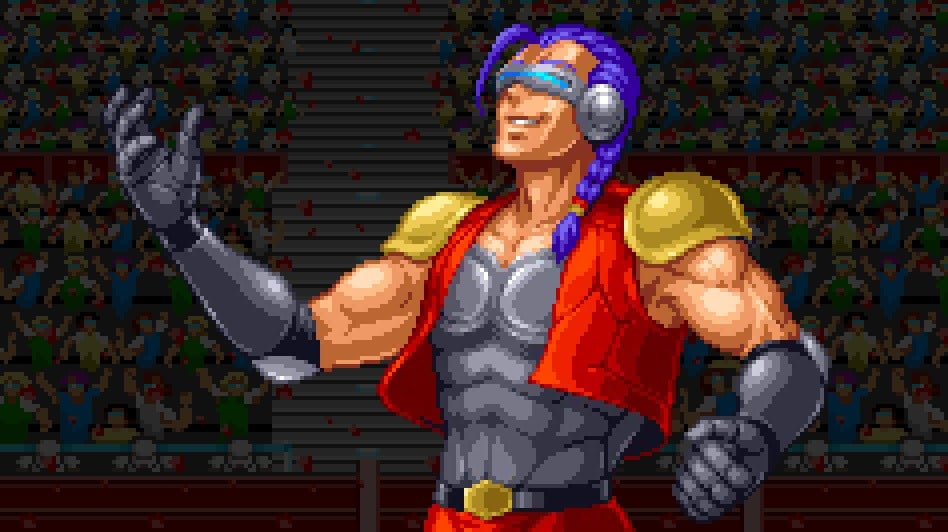
- 2020 Super Baseball (1991): This futuristic baseball game redefined the sport with cybernetic players, explosive power-ups, and landmines on the field. It blended traditional sports mechanics with exaggerated sci-fi elements, establishing a template for "future sports" that Bullfighter: Neon seeks to follow. Its distinct character designs and over-the-top animations were hallmarks of early Neo Geo pixel art.
- Windjammers (1994): A cult classic frisbee-throwing game, Windjammers perfected competitive arcade action with its simple yet deep mechanics, vibrant visuals, and intense one-on-one matches. Its fast-paced, highly strategic gameplay and colorful character roster are clear inspirations for Bullfighter: Neon‘s arena-based combat and diverse cast.
- Soccer Brawl (1992): Similar to 2020 Super Baseball, Soccer Brawl took football into the future, featuring armored robot players and electrified pitches. It emphasized aggressive, high-scoring action with unique special moves, showcasing the Neo Geo’s ability to render detailed, dynamic sprites.
- Power Spikes II (1994): This sequel to the original Power Spikes brought futuristic volleyball to the Neo Geo, featuring diverse teams and powerful special shots. It demonstrated how even a relatively niche sport could be reimagined with a high-tech veneer and engaging arcade mechanics.
These titles, all celebrated for their engaging gameplay, distinctive visual styles, and often humorous takes on traditional sports, collectively represent the "future Cyber-Sport" genre that Bullfighter: Neon aims to revive and innovate upon. The common thread among them is their ability to deliver instant, addictive arcade fun through expertly crafted pixel art and intuitive controls – precisely the qualities Relevo aspires to achieve.
J. Mikami: A Master of Pixels and Neo Geo Authenticity
J. Mikami’s arrival on the Bullfighter: Neon team is not just a high-profile signing; it’s a strategic move to imbue the game with unparalleled visual authenticity. His tenure at SNK during a pivotal period for the company and the Neo Geo console cemented his reputation as a pixel art maestro. From 1991 to 1995, Mikami was instrumental in defining the visual identity of many of SNK’s early hits.
- Mutation Nation (1991): An early beat ’em up, Mutation Nation showcased Mikami’s ability to create detailed, grotesque character designs and fluid animation for the console’s powerful hardware. His work on this title helped establish the Neo Geo’s capacity for intricate sprite work.
- Super Sidekicks (1992): As one of the earliest and most popular football (soccer) games on the Neo Geo, Super Sidekicks benefited from Mikami’s contributions to character sprites and environmental details, which brought the matches to life with vibrant colors and expressive animations.
- Samurai Shodown (1993): Perhaps Mikami’s most iconic contribution, Samurai Shodown revolutionized fighting games with its emphasis on weapon-based combat, strategic pacing, and stunning, oversized characters. The game’s distinctive aesthetic, from the meticulously rendered warriors to the atmospheric backgrounds, owes much to artists like Mikami. His work here helped define the Neo Geo’s reputation for high-quality, large-scale pixel art that pushed the boundaries of what was thought possible at the time.
Mikami’s style is characterized by a strong understanding of color palettes, meticulous sprite detailing, and dynamic animation that conveyed character and action within the strict limitations of pixel art. His involvement signifies more than just adding an experienced artist; it means bringing in someone who inherently understands the technical constraints and artistic philosophies that shaped the Neo Geo’s unique visual identity. This deep institutional knowledge is invaluable for a project striving for authentic retro appeal.
The Strategic Impact of the Collaboration
Relevo’s decision to bring J. Mikami on board was driven by a clear objective: to "increase the overall quality of the game visuals while keeping them as faithful as possible to the look and feel of the early Neo Geo games." This statement highlights the developer’s commitment to delivering an experience that genuinely resonates with fans of the classic console.
According to Relevo, Mikami himself expressed immediate enthusiasm for the project, stating that "from the first moment [he] learned about the project, he was very excited and eager to collaborate on it." This mutual excitement underscores the potential for a truly synergistic partnership. For Relevo, securing an artist of Mikami’s caliber is a significant validation of their vision and a powerful marketing tool, lending immense credibility to their claim of Neo Geo authenticity. For Mikami, it represents an opportunity to contribute his enduring talent to a spiritual successor, bridging the gap between past and present generations of game development.
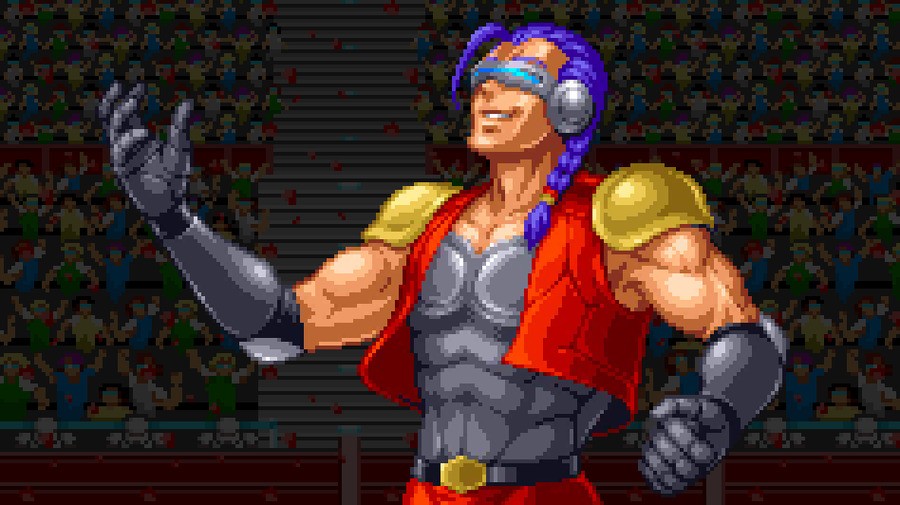
Mikami’s primary focus will be on "some character images," a crucial area for a game that emphasizes distinct player characters and formidable CyberBeasts. His touch will ensure that these central visual elements not only stand out but also feel intrinsically part of the Neo Geo lineage. The development team has described working alongside the SNK artist as an "honour," reflecting the high regard in which his legacy is held within the industry. This collaboration is a testament to the enduring influence of classic Japanese pixel art and its continued relevance in contemporary game design.
A Protracted Development Journey: From Kickstarter to Current Status
The path to Bullfighter: Neon‘s release has been a long and winding one, emblematic of the challenges often faced by independent game developers, particularly those funded through crowdfunding. The project successfully met its Kickstarter goal in 2022, a significant milestone that demonstrated strong community interest and belief in Relevo’s vision. The initial success of the crowdfunding campaign generated considerable excitement, with backers anticipating a release in Q4 2023.
However, as is frequently the case with ambitious indie projects, the development timeline proved to be more complex than initially projected. Relevo openly acknowledged that the game has "taken considerably longer than planned," and currently, an official release date remains unannounced. The studio explained that they "had to prioritize other projects in the past to raise extra funds to ensure the project lives up to expectations." This candid admission sheds light on the economic realities of indie development, where studios often juggle multiple projects or undertake contract work to sustain operations and secure the necessary capital to complete their passion projects. This strategic re-prioritization, while delaying Bullfighter: Neon, was framed as a necessary measure to avoid compromising the game’s quality and vision, ensuring it would truly "live up to expectations" set by both the developers and their dedicated backer community.
The delay, while perhaps frustrating for some backers, also highlights Relevo’s commitment to quality over speed. In an industry where rushed releases can significantly damage a game’s reception and a studio’s reputation, taking the time needed to perfect the product, especially one with a strong aesthetic and nostalgic appeal, can ultimately lead to a more successful launch and a more satisfied player base. The addition of J. Mikami at this stage suggests a renewed focus on refining the visual experience, potentially leveraging the additional time to integrate his contributions seamlessly.
The Enduring Allure of Retro Aesthetics and Pixel Art
The decision to heavily lean into a "nostalgic pixel art aesthetic, calling to mind ’90s arcade games," is not merely a stylistic choice but a strategic one that taps into a broader trend in the video game industry. The resurgence of pixel art and retro-inspired games reflects a deep-seated nostalgia among older gamers and an appreciation for the artistry and charm of classic visuals among newer audiences.
The Neo Geo, in particular, holds a special place in this movement. Known for its powerful hardware (for its time) that allowed for large, highly detailed sprites and smooth animations, it became a benchmark for arcade-quality graphics. Its games often featured vibrant color palettes, distinct character designs, and an overall visual flair that set them apart. Modern pixel art games inspired by the Neo Geo, like Bullfighter: Neon, aim to capture this spirit, often pushing the boundaries of what pixel art can achieve with contemporary rendering techniques while retaining the classic aesthetic. This approach allows for a blend of old-school charm with modern polish, offering the best of both worlds.
For developers, pixel art can also be a more manageable art style than high-fidelity 3D graphics, allowing smaller teams to achieve impressive visual results with focused artistic direction. However, authentic pixel art, especially that aiming for a specific retro console’s look, requires immense skill and attention to detail—qualities that Mikami embodies. His involvement signifies a commitment to not just imitate the Neo Geo style, but to genuinely recreate its artistic integrity.
Looking Ahead: Release and the Dream of a Neo Geo Port
While the lack of an official release date keeps anticipation simmering, the addition of J. Mikami offers a fresh wave of excitement and reassurance for Bullfighter: Neon‘s backers and prospective players. The expectation is that his contributions will be instrumental in elevating the game’s visual presentation to new heights, delivering on the promise of an authentic Neo Geo-inspired experience.
Intriguingly, J. Mikami himself voiced a personal hope for the project: that "when it finally releases, enough people will support it so that a proper Neo Geo version might one day see the light of day." This statement, while aspirational, speaks volumes about the project’s ambition and its deep connection to its roots. A "proper Neo Geo version" would entail a highly specialized port, likely requiring significant technical expertise to run on original Neo Geo hardware or highly accurate emulators. While challenging, the concept is not unprecedented in the retro gaming community, where new games are occasionally developed for vintage consoles. Such a venture would undoubtedly be a passion project, requiring substantial financial and technical investment, but the mere mention of it by an SNK veteran like Mikami underscores the profound respect for the Neo Geo legacy that permeates the Bullfighter: Neon project.
In the interim, Relevo has encouraged backers and enthusiasts to follow J. Mikami on social media platforms like X (formerly Twitter) to "welcome him into the bullring," fostering a direct connection between the artist and the community. This gesture not only celebrates Mikami’s arrival but also reinforces the collaborative spirit surrounding the game’s development.
The integration of J. Mikami into the Bullfighter: Neon development team marks a pivotal moment for the game. It is a testament to Relevo’s dedication to quality and authenticity, a celebration of a pixel art legend’s enduring talent, and a beacon of hope for fans of the golden age of arcade gaming. As the project continues its development, all eyes will be on how this unique collaboration ultimately shapes the final product, promising a truly distinctive blend of retro charm and futuristic innovation.