Vera Clarissa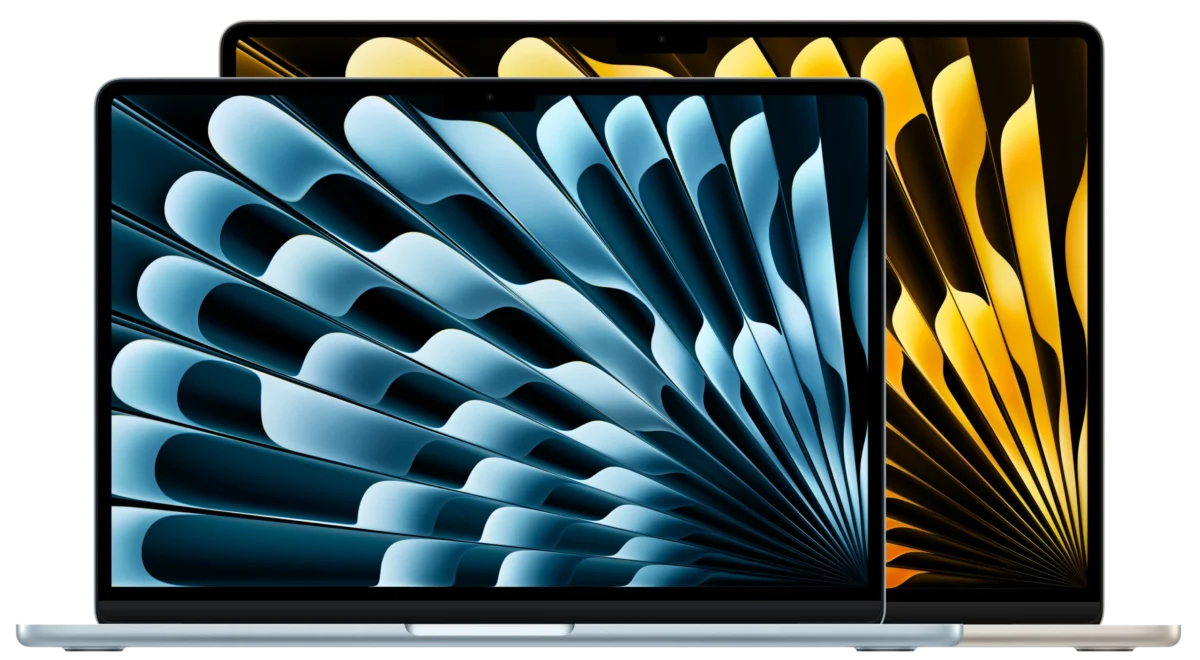
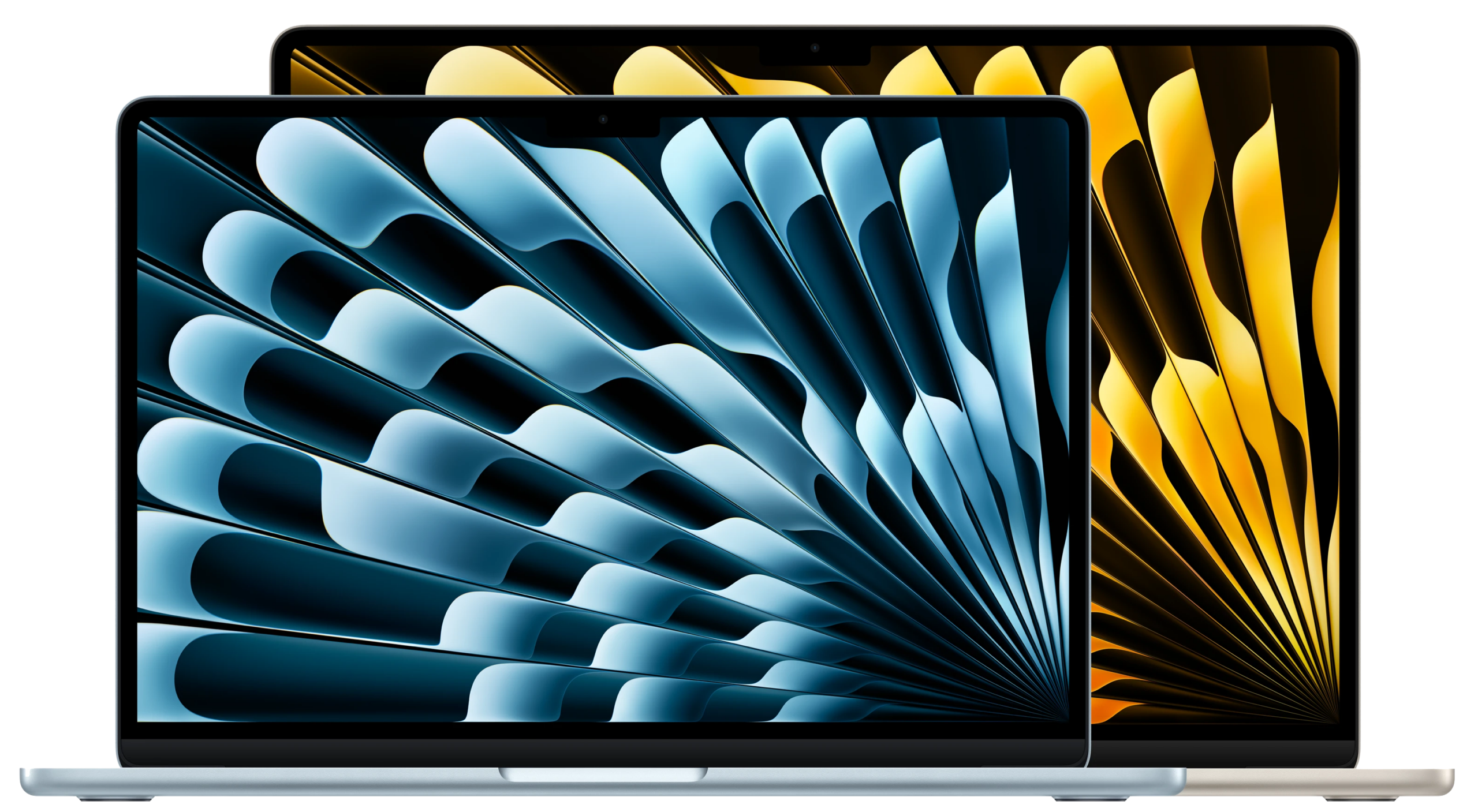
The highly anticipated M5 MacBook Air was officially unveiled on March 3rd, 2026, marking a significant evolutionary step for Apple’s ultraportable laptop line. While its external design appears remarkably similar to its predecessor, the M5 MacBook Air boasts a substantial internal upgrade with the introduction of the M5 chip. This advancement represents a paradigm shift in the capabilities and workflows possible on the MacBook Air, solidifying its position as a formidable contender in the portable computing landscape.
A Leap Forward in Apple Silicon Performance
Five generations into Apple’s pioneering Silicon architecture, the MacBook Air has transformed dramatically from its initial iterations. Gone are the days when the Air was perceived as a device with underpowered CPUs and comparatively weak graphics chips. The M5 MacBook Air, even without active cooling systems, demonstrates performance that rivals and, in some aspects, surpasses its more powerful MacBook Pro counterparts.
Evidence of this leap in performance is readily apparent in benchmark tests. In a Cinebench GPU test comparing the M5 MacBook Air against the M5 MacBook Pro, the Air achieved approximately 92% of the Pro’s speed, registering around 22,000 points compared to the Pro’s approximately 24,000. This is a notable achievement, especially considering the Air’s fanless design. While year-over-year chip upgrades often yield incremental improvements, the M5 chip’s GPU, in particular, showcases a massive performance gain over the preceding M4 generation. This significant enhancement in graphical power opens up new possibilities for users who previously relied on more powerful machines for graphics-intensive tasks.
Under the Hood: Key Upgrades and New Technologies
Beyond the headline M5 chip, the M5 MacBook Air introduces several other key enhancements designed to boost productivity and user experience. The base storage configuration has been significantly increased to 512 GB, offering a substantial improvement for users who require ample space for applications, projects, and media. For those needing even more capacity, the storage can be configured up to a massive 4 TB, albeit with a considerable price increase of $1200.
A notable addition is Apple’s proprietary N1 wireless networking chip. This new component integrates Wi-Fi 7, Bluetooth, and Thread capabilities, promising more efficient wireless performance and significantly reduced battery consumption, particularly when handling location-tracking features. The theoretical speeds of Wi-Fi 7, clocking in at up to 46 Gb/s, have the potential to match or even exceed the performance of Thunderbolt 4, further streamlining data transfer and connectivity.
Memory bandwidth has also seen a substantial increase, reaching 153 GB/s on the M5 chip. This is facilitated by the adoption of cutting-edge mobile memory technology, specifically 4800 MHz LPDDR5X-9600. This enhanced memory subsystem contributes to the overall snappier performance and improved multitasking capabilities of the M5 MacBook Air.

In terms of power delivery, Apple has introduced a new 40-Watt dynamic charger, with a maximum output of 60W. This replaces the previous 35-Watt Dual USB-C compact adapter, suggesting a need for more robust power delivery to support the enhanced M5 chip and potentially faster charging capabilities.
Performance Comparison: A Testament to Evolution
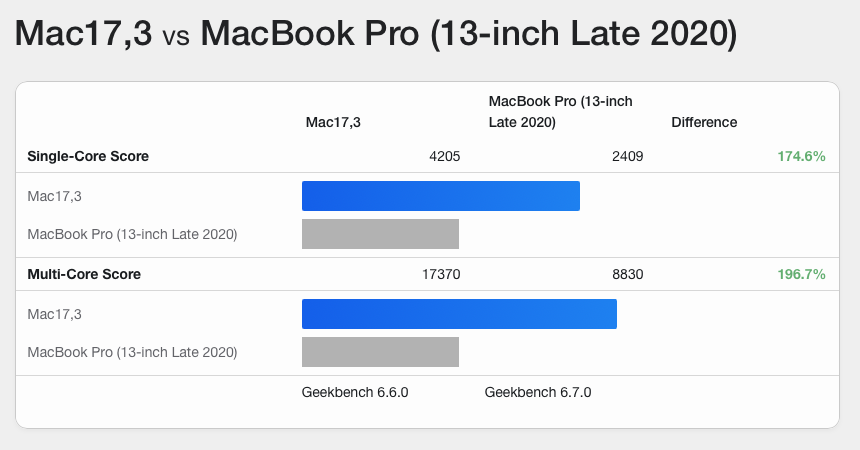
The performance gains offered by the M5 chip are best illustrated by a direct comparison to earlier Apple Silicon generations. The M5 MacBook Air delivers performance roughly equivalent to two M1 chips combined. While the exact figure is cited as 174% more performance than a 13-inch M1 MacBook Pro, this metric underscores the astounding progress Apple has made in its Silicon development over the past five years. This comparison highlights how far the MacBook Air has come, evolving from a device suited for basic tasks to a capable machine for demanding workloads.

Apple Intelligence Integration
A significant aspect of the M5 MacBook Air’s feature set is its full support for Apple Intelligence. This advanced AI framework is designed to enhance user interactions, streamline workflows, and offer more personalized computing experiences. Apple Intelligence is available on any Mac equipped with Apple Silicon, extending to most M-chip powered iPads and iOS devices running iOS 18 and later with an A17 Pro chip or better. This broad compatibility ensures that users across the Apple ecosystem can benefit from the latest AI-driven features.
Key Features and Functionality
The M5 MacBook Air continues to offer the versatility and user-friendly features that have made the MacBook Air line so popular. One such feature is "Closed Lid Mode," also known as clamshell mode. This functionality allows users to operate the MacBook Air with its built-in display turned off, dedicating all unified memory to one or two external displays. To utilize this mode, the MacBook Air must be connected to AC power, an external display, and external input devices such as a USB or Bluetooth mouse and keyboard. Once set up, users can wake the device by interacting with the external peripherals, and the internal display will remain inactive. To return to using the internal display, users simply disconnect the external display, put the MacBook Air to sleep, and then open the lid.
Battery life remains a strong suit for the MacBook Air. Apple claims up to 15 hours of wireless web browsing and an impressive 18 hours of video streaming on a single charge, a testament to the power efficiency of the M5 chip and Apple’s ongoing optimizations.
Technical Specifications: A Deeper Dive

Core System:
The M5 chip architecture incorporates advanced cache configurations for optimal performance. All M5 chips feature the following memory configurations for their CPU caches:
- L1 Instruction Cache (L1i): 64 KB per core
- L1 Data Cache (L1d): 32 KB per core
- System Level Cache (SLC): A significant portion dedicated to efficient data retrieval across the chip.
Memory:
- Unified Memory: Configurable options are available, supporting high bandwidth for demanding applications.
- Memory Bandwidth: 153 GB/s.
- Memory Technology: 4800 MHz LPDDR5X-9600.
Video:
- Integrated GPU: The M5 chip features a significantly enhanced GPU compared to the M4, offering improved graphical performance for creative tasks and gaming.
- Display Support: Supports multiple external displays, enabling expanded workspace for professionals.
Drives:
- Internal Storage: Base configuration starts at 512 GB SSD, with options up to 4 TB.
Expansion:
- Ports: While not explicitly detailed in the provided text, the continued focus on modern connectivity suggests the presence of Thunderbolt/USB 4 ports, enabling high-speed data transfer, external display connectivity, and charging.
- Wireless Connectivity: Wi-Fi 7, Bluetooth (integrated with N1 chip).
Physical:

- Design: Continues the sleek and portable unibody aluminum enclosure characteristic of the MacBook Air line.
- Cooling: Fanless design, leveraging the thermal efficiency of the M5 chip.
Broader Implications and Context
The introduction of the M5 MacBook Air on March 3rd, 2026, is not merely an incremental update; it signifies Apple’s sustained commitment to pushing the boundaries of portable computing performance and efficiency. The fact that a fanless device can achieve performance levels so close to its actively cooled Pro counterpart has significant implications for the broader laptop market. It suggests a future where powerful computing is increasingly accessible in thinner, lighter, and quieter form factors.
The emphasis on Apple Intelligence integration further positions the M5 MacBook Air as a device designed for the next generation of computing, where AI plays a more integral role in everyday tasks. This focus on intelligent features, coupled with robust hardware, aims to provide users with a more intuitive and productive experience.

From a market perspective, the M5 MacBook Air’s enhanced capabilities could draw in a wider range of users, including creative professionals and power users who might have previously opted for more expensive or less portable machines. The substantial increase in base storage and the availability of higher storage tiers address a common pain point for many laptop users, making the M5 MacBook Air a more compelling all-in-one solution.
The timeline of Apple Silicon development, from the M1 chip to the M5, has been remarkably swift and impactful. Each generation has built upon the successes of its predecessor, delivering significant leaps in performance, efficiency, and feature sets. The M5 MacBook Air stands as a testament to this rapid evolution, embodying Apple’s vision for the future of personal computing. As the tech industry continues to evolve, the M5 MacBook Air sets a new benchmark for what users can expect from an ultraportable laptop.