Vera Clarissa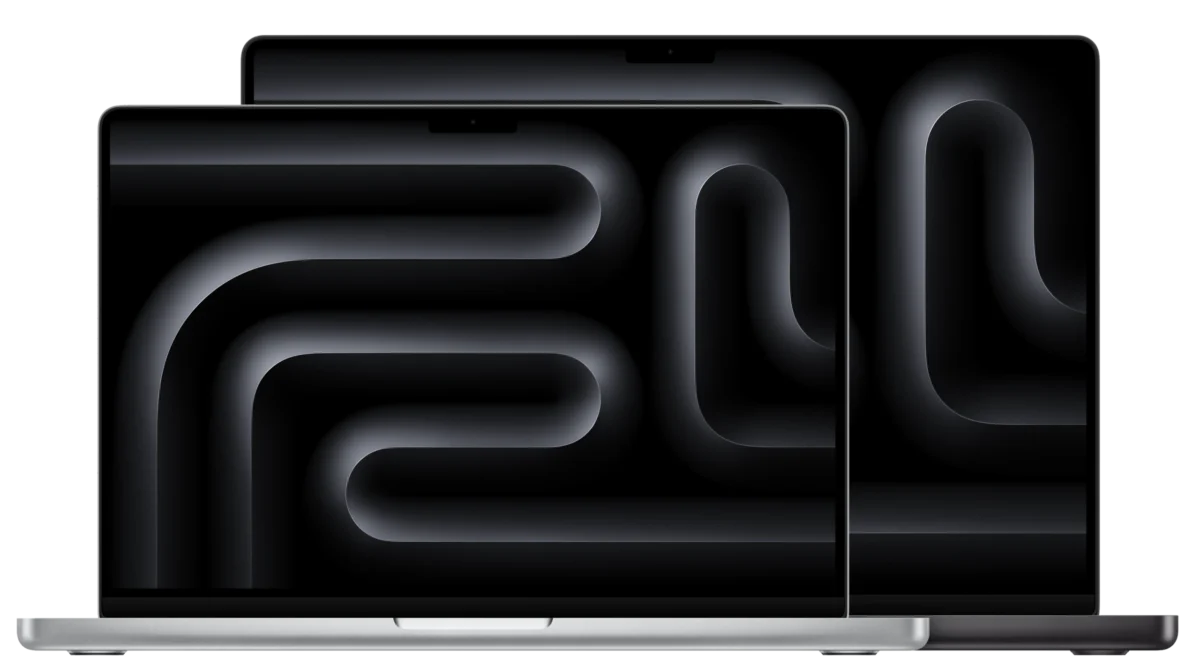
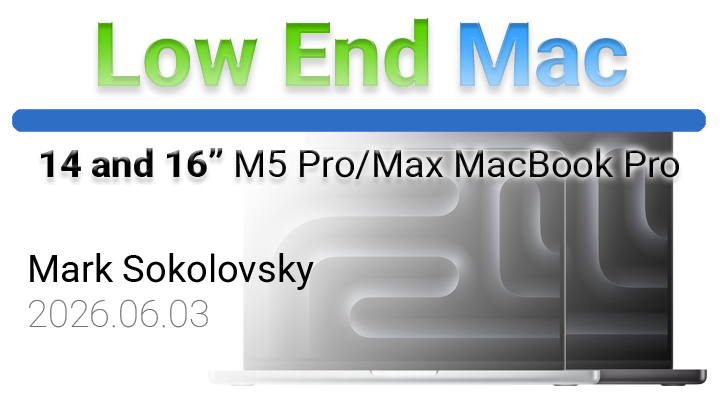
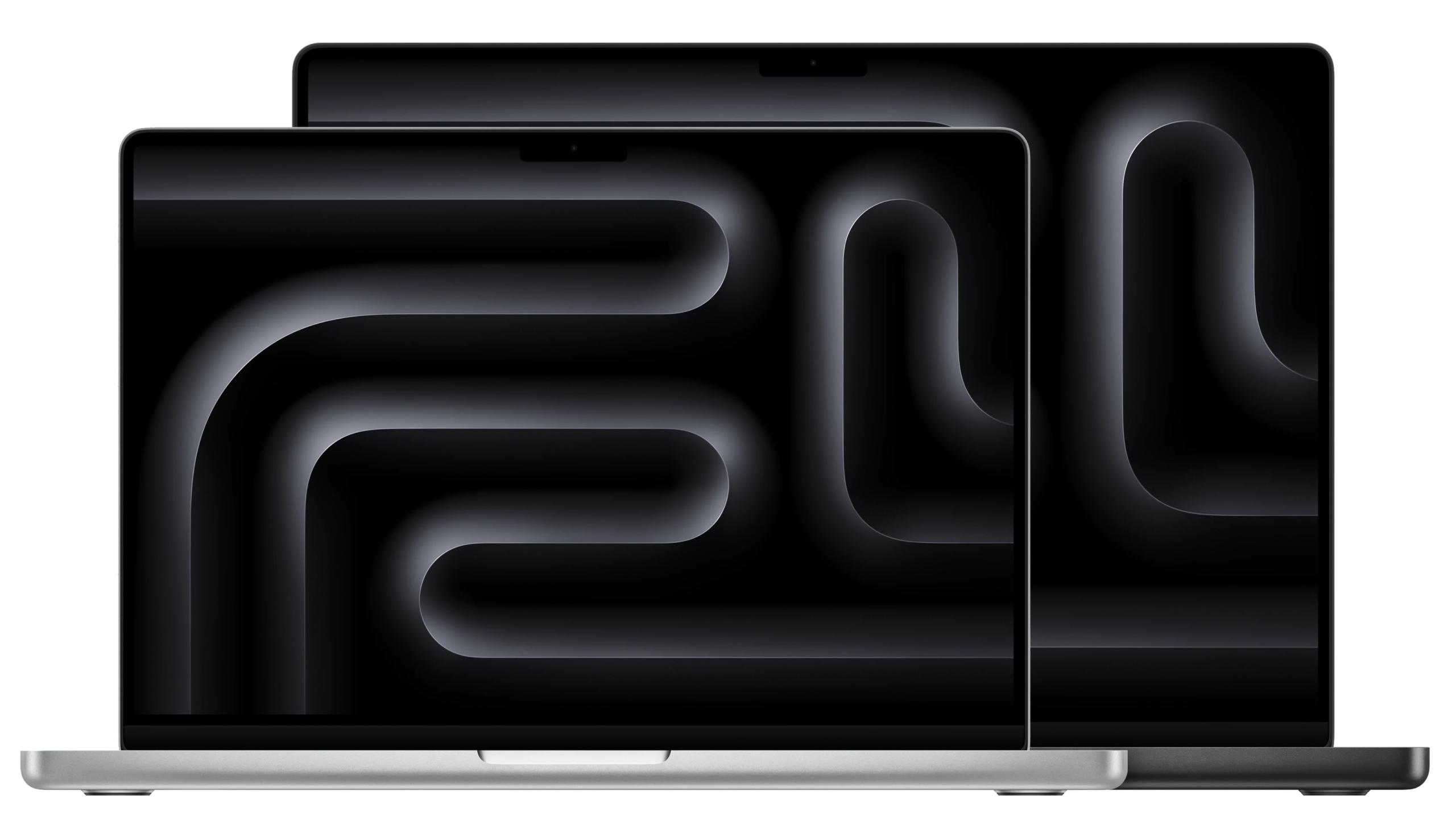
The highly anticipated M5 Pro and M5 Max MacBook Pro models have officially launched, representing a significant leap forward for Apple’s lineup of laptops powered by their custom Silicon. These new machines build upon the successful foundation of their predecessors, introducing enhanced processing power through increased core counts, refined core architectures with renamed performance cores, and a significant upgrade in wireless networking capabilities. The redesign also sees a doubling of base storage across both the 14-inch and 16-inch configurations, further solidifying their position as premium professional tools.
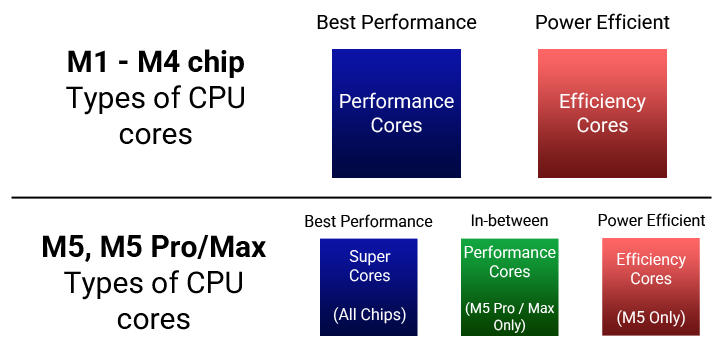
At the heart of these new MacBook Pros lies the evolution of Apple Silicon. Previously, all Apple Silicon chips adhered to a consistent design philosophy: a combination of Performance and Efficiency cores. With the introduction of the M5 Pro and M5 Max, Apple has rebranded its high-performance cores to "Super Cores." This nomenclature change, which has been retroactively applied to the standard M5 chip as well, signifies a distinct tier of processing power within the Apple Silicon family. This strategic renaming aims to provide clearer differentiation between core types and highlight the advanced capabilities of the new processors. While specific clock speed increases and core count details will vary across configurations, the overarching theme is a substantial boost in raw computational power for demanding professional workflows.
One of the most noteworthy advancements in the M5 Pro and M5 Max MacBook Pros is the integration of the new Apple N1 wireless networking chip. Following the precedent set by the iPhone 16e earlier this year, this dedicated chip brings cutting-edge connectivity standards to the Mac ecosystem. Users can now experience the benefits of Wi-Fi 7 (802.11be), which promises significantly faster speeds, lower latency, and improved network efficiency compared to previous Wi-Fi generations. Alongside this, Bluetooth 6 offers enhanced range and reliability for wireless peripherals. Furthermore, the inclusion of Thread networking technology opens up new possibilities for seamless integration with smart home devices and the broader Internet of Things (IoT) landscape, positioning the Mac as a more central hub for connected living.
The storage configurations have also received a substantial upgrade. Both the 14-inch and 16-inch M5 Pro and M5 Max MacBook Pros now start with a generous 1 TB of solid-state drive (SSD) storage. This doubling of the base storage capacity from the previous generation directly addresses the needs of professionals who work with large files, such as video editors, photographers, and 3D artists, reducing the immediate need for external storage solutions for many users. While the iconic nano-texture display remains an optional feature, offering reduced glare for specific working environments, this overall package represents a compelling upgrade for existing users and a strong contender for those looking to invest in a new high-performance laptop.
Apple Intelligence Integration
A key feature that underpins the user experience on these new MacBooks is the robust integration of Apple Intelligence. This suite of AI-powered features, designed to enhance user productivity and creativity, is supported across all Macs equipped with Apple Silicon. The M5 Pro and M5 Max MacBook Pros are fully equipped to leverage these advanced capabilities. Beyond the Mac, Apple Intelligence is also accessible on most iPads featuring an M-series chip and on iOS devices running iOS 18 and later, provided they are equipped with an A17 Pro chip or newer. This includes the iPhone 15 Pro and Pro Max, as well as all iPhone 16 models, ensuring a consistent and intelligent user experience across Apple’s device ecosystem.
The implementation of Apple Intelligence promises to bring a new level of intuitive interaction and personalized assistance. Features such as enhanced Siri capabilities, intelligent writing tools, and advanced image generation are expected to be seamlessly integrated into macOS and various applications, further augmenting the power of the M5-series chips.
The CPU Core Renaming Convention
The shift in nomenclature for Apple’s performance cores marks a subtle but significant evolution in how the company communicates its chip architecture. In prior generations of Apple Silicon, the distinction was always between "Performance" and "Efficiency" cores. The introduction of the M5 Pro and M5 Max sees the "Performance" cores rebranded as "Super Cores." This change is not merely cosmetic; it suggests a further refinement and enhancement of these cores, potentially indicating increased clock speeds, architectural improvements, or a greater density of these high-performance units within the chip.
While the original M5 chip also benefits from this retroactive renaming of its performance cores to "Super Cores," the M5 Pro and M5 Max models are expected to feature more numerous and powerful configurations of these cores, along with a proportionally optimized set of efficiency cores to balance power and battery life.

Key Technical Enhancements and Features
The M5 Pro and M5 Max MacBook Pros introduce a suite of technical enhancements designed to elevate the professional computing experience. The adoption of the Apple N1 wireless chip is a cornerstone of this upgrade, bringing Wi-Fi 7 and Bluetooth 6 to the forefront of wireless connectivity. Wi-Fi 7, with its theoretical peak speeds and advanced channel utilization, is poised to revolutionize wireless networking, enabling faster downloads, smoother streaming of high-resolution content, and more responsive online gaming. Bluetooth 6 further enhances the ecosystem of wireless peripherals, offering improved stability and potentially greater bandwidth for devices like AirPods and external audio equipment.
The increased storage capacity, starting at 1 TB, is a practical and impactful upgrade. For creative professionals, this means less time managing storage and more time dedicated to their craft. This move aligns with the growing demand for larger file sizes in modern media production and the increasing adoption of high-resolution content across all disciplines.
The display technology continues to be a strong suit, with the option for nano-texture glass remaining available. This specialized finish reduces reflections and glare, making it particularly beneficial for users working in brightly lit environments or those who are sensitive to screen reflections. The underlying Liquid Retina XDR displays are expected to maintain their industry-leading brightness, contrast ratios, and color accuracy, providing a stunning visual canvas for all tasks.
Performance and Battery Life
Apple has consistently pushed the boundaries of performance and battery efficiency with its Silicon chips, and the M5 Pro and M5 Max are no exception. While precise benchmarks will emerge with independent testing, the increased core counts and the "Super Core" designation strongly suggest substantial gains in processing power for both CPU-intensive and GPU-intensive tasks. This translates to faster rendering times for video projects, quicker compilation of code, and more fluid operation of demanding creative applications.
The battery life claims for the new MacBook Pros are equally impressive. Apple advertises up to 16 to 17 hours of wireless web browsing and an exceptional up to 24 hours of video streaming. These figures are achieved through the highly efficient architecture of Apple Silicon, which intelligently manages power consumption between the Super Cores and the Efficiency Cores, ensuring that users can remain productive throughout a demanding workday without constant reliance on a power outlet.
Closed Lid Mode Explained
A feature that remains a staple for professional users is "Closed Lid Mode," also known as clamshell mode. This functionality allows MacBook Pro users to operate their laptops with the lid closed, effectively turning them into a desktop-like experience when connected to external peripherals. To enable closed lid mode, the MacBook Pro must be connected to its AC adapter, an external display, and a USB or Bluetooth mouse and keyboard. Once the system boots to the desktop on the external display, closing the lid will put the MacBook Pro to sleep. Waking the device by moving the mouse or pressing a key will then activate the external display as the primary (and only) active screen, with all video RAM dedicated to it.
To return to a standard laptop configuration with the built-in display active, users simply need to disconnect the external display, put the MacBook Pro to sleep, and then open the lid. This process seamlessly restores the internal display’s functionality.
Broader Implications and Market Position
The launch of the M5 Pro and M5 Max MacBook Pros underscores Apple’s continued commitment to vertical integration and its strategy of designing its own silicon to optimize performance, efficiency, and feature sets across its product lines. The introduction of Wi-Fi 7 and Thread networking capabilities positions these laptops not just as powerful computing devices but as integral components of a modern, connected environment.
For creative professionals and power users, these new machines represent a significant upgrade path, offering enhanced performance for increasingly demanding workflows. The competitive landscape of high-performance laptops is robust, but Apple’s combination of custom silicon, optimized software (macOS), and a tightly integrated ecosystem continues to set it apart. The doubling of storage and the advanced wireless features further solidify the MacBook Pro’s appeal in a market where speed, connectivity, and ample storage are paramount.

The integration of Apple Intelligence across its device spectrum, including these new MacBook Pros, signals a future where AI is not an add-on but a foundational element of the user experience, aiming to make computing more intuitive, personalized, and productive. As the industry continues to evolve, Apple’s strategic advancements with its M-series chips and the broader integration of AI are likely to influence the direction of personal computing for years to come.