Vera Clarissa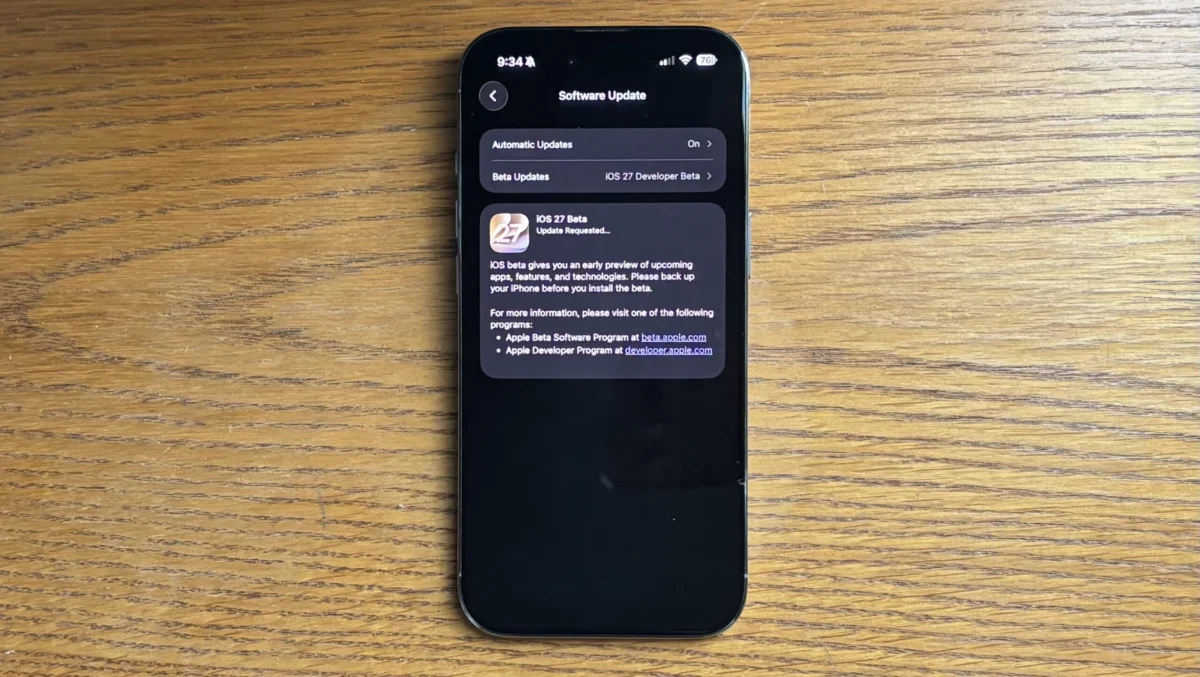
Apple has officially released the first developer beta of iOS 27, following its unveiling at the highly anticipated Worldwide Developers Conference (WWDC) in 2026. This initial build offers a glimpse into the future of Apple’s mobile operating system, promising a suite of changes and notable performance enhancements. As is customary with prerelease software, users can also expect to encounter some of the inherent oddities and bugs that are part of the development process. This release marks the continuation of a yearly cycle where Apple previews its upcoming software to developers, allowing them to adapt their applications and provide early feedback.
The release of iOS 27 Beta 1 follows the established pattern of previous years, where Apple opens the doors to its latest operating system for a select group of developers. This early access allows for comprehensive testing and refinement before a wider public beta and eventual stable release. The process is crucial for ensuring a smooth transition for millions of users worldwide and for fostering an ecosystem where applications are optimized for new features and performance improvements.
WWDC 2026: A Platform for Innovation
WWDC 2026 served as the grand stage for Apple to showcase its forthcoming software advancements across all its platforms, including iOS, iPadOS, macOS, watchOS, and tvOS. The annual developer conference is a cornerstone event for the tech industry, drawing developers, journalists, and tech enthusiasts eager to learn about Apple’s strategic direction and the technologies that will shape the next generation of devices and experiences. This year’s event, held virtually, highlighted a strong emphasis on artificial intelligence, enhanced user privacy, and refined system performance. The introduction of iOS 27 was a central theme, with Apple outlining key areas of focus, including advancements in on-device intelligence, a more intuitive user interface, and deeper integration with Apple’s burgeoning ecosystem of hardware and services.
Development Timeline and Beta Releases
The development of iOS 27, like its predecessors, follows a structured timeline designed to facilitate iterative testing and bug fixing.
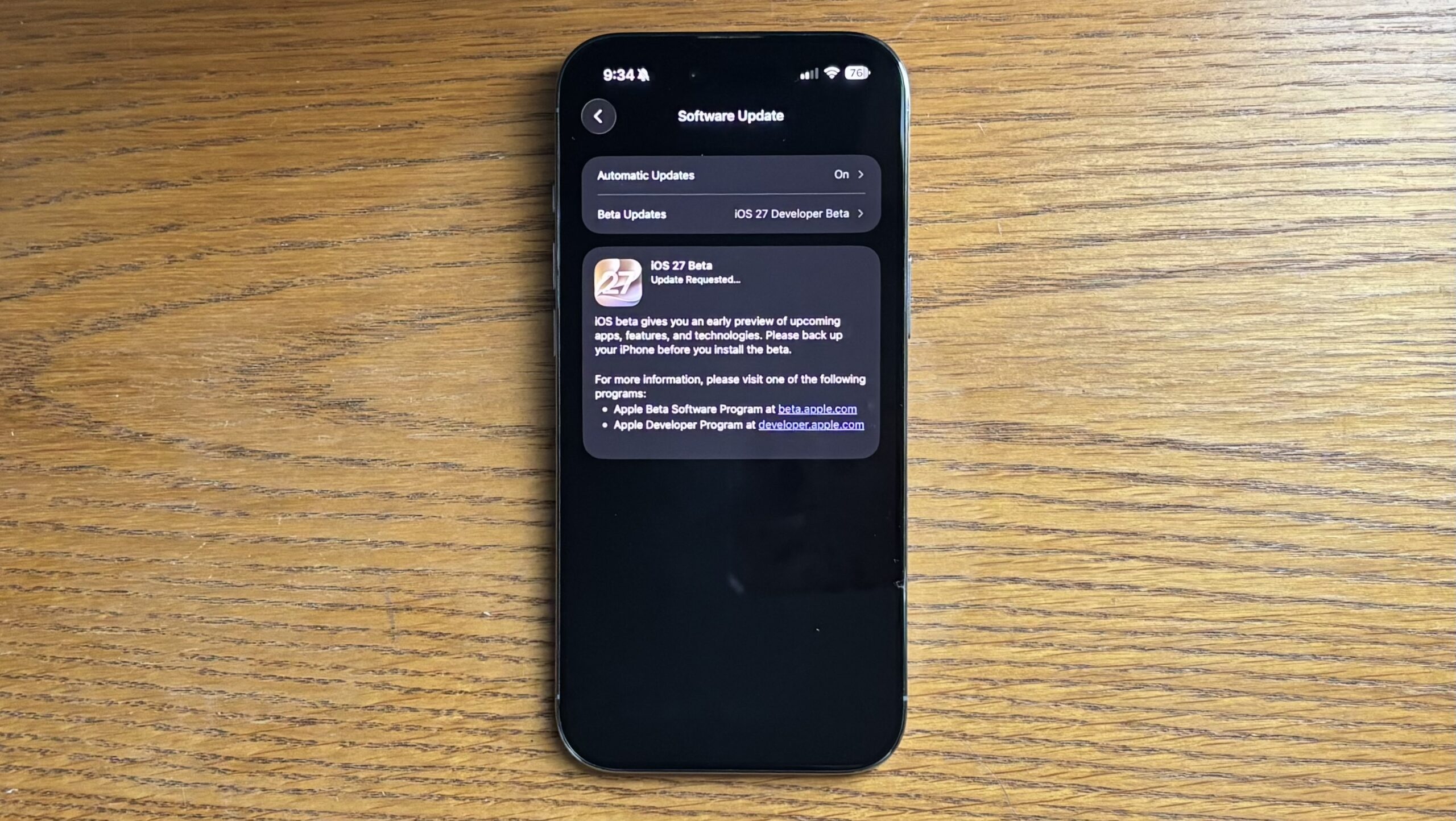
- Early 2026: Initial internal development and testing commence.
- June 2026 (WWDC 2026): Public announcement of iOS 27 and the release of the first developer beta.
- Mid-June to August 2026: Subsequent developer betas are released, incorporating feedback and addressing reported issues. Public betas typically begin in July.
- September 2026: The Golden Master (GM) candidate is released, representing the version intended for the stable public launch.
- Late September 2026: The stable, public version of iOS 27 is released to all compatible devices.
The current availability of iOS 27 Developer Beta 1 signifies the beginning of this crucial testing phase. Developers are encouraged to install this early build to identify and report any compatibility issues with their existing applications and to begin integrating new iOS 27 features into their software.
Initial Impressions and Test Device
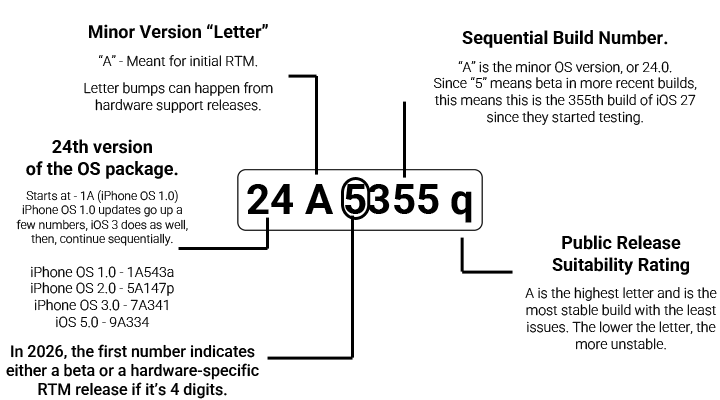
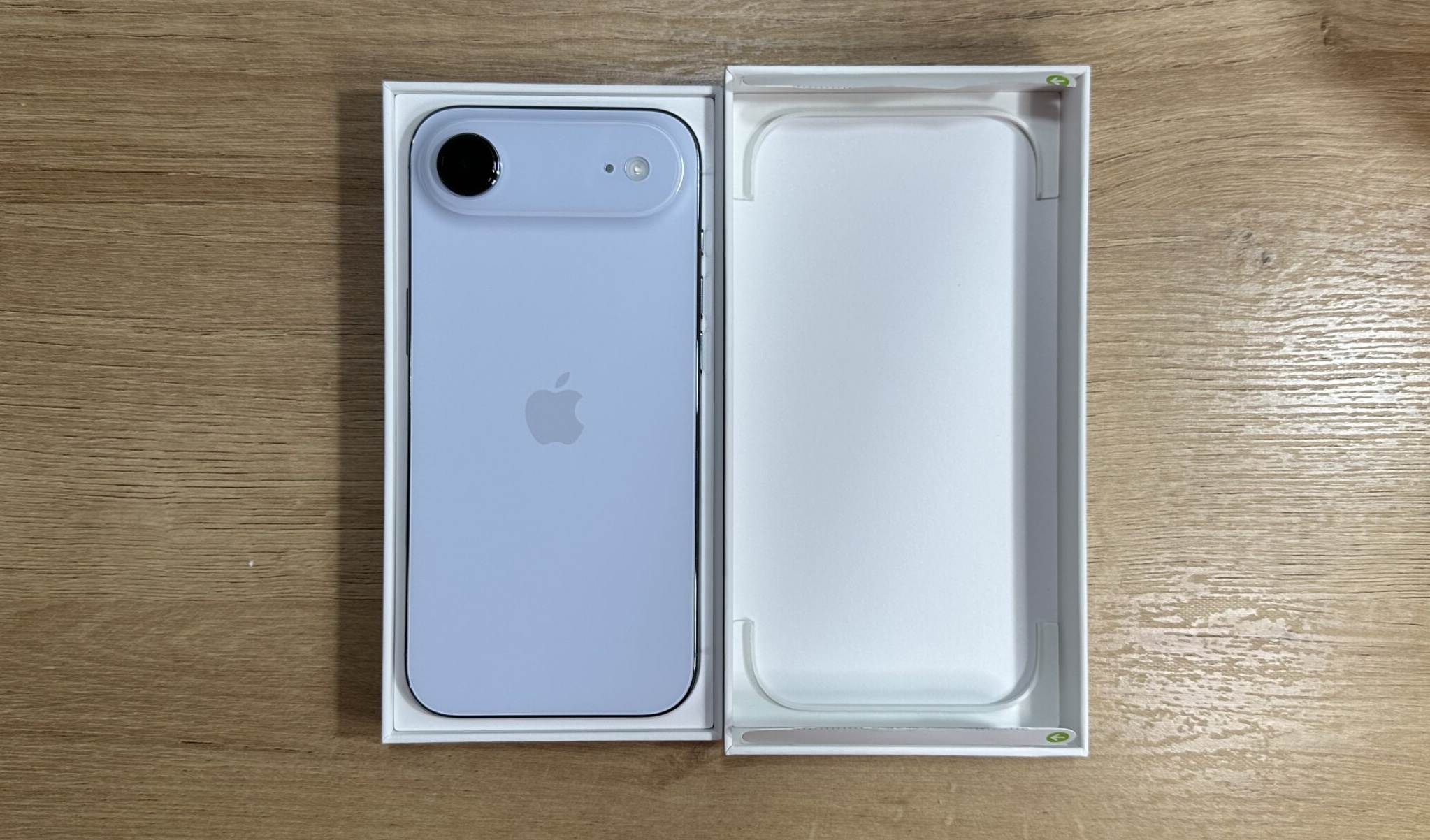
The first developer beta of iOS 27 was installed on a Sky Blue 256 GB iPhone Air, a device described as a daily driver since September of the previous year. This particular model is characterized as a robust, reliable, and high-performing smartphone, making it an ideal candidate for evaluating the stability and performance of prerelease software. The choice of a specific device and configuration is important for beta testing, as it allows for focused observations on how the new operating system interacts with particular hardware specifications.
The iPhone Air, known for its sleek design and powerful capabilities, is expected to offer a solid platform for experiencing the advancements brought forth by iOS 27. Its ample storage capacity ensures that the installation of the beta and subsequent data collection will not be hampered by space constraints, while its processing power is sufficient to reveal any performance optimizations or regressions.
Early Observations: Performance and User Interface
Upon initial installation and during the first few days of use, several observations emerged regarding the behavior of iOS 27 Developer Beta 1. One notable point of feedback indicated that the touchscreen exhibited unusual sensitivity and erratic behaviors. Such anomalies are not uncommon in early beta builds as the system’s touch input management is refined. These issues are often resolved in subsequent beta releases as developers fine-tune the software.
A more consistent observation has been a perceived increase in speed compared to iOS 26. This performance boost is a key objective for any new operating system iteration. However, alongside these improvements, some users have reported glitches or instances where animations appear to be sped up excessively. This could indicate an ongoing optimization process for visual elements, where the intended fluidity of animations is being calibrated. Developers often work to balance visual flair with responsiveness, and this early stage of beta testing allows for the identification of any imbalances.
Performance Benchmarking: Geekbench 6 Analysis
To quantify the performance improvements, Geekbench 6 was utilized to benchmark iOS 27 Developer Beta 1 against iOS 26. The results indicated a general uplift across most performance metrics, with a particular emphasis on single-core CPU performance. This increase in single-core speed is significant, as it directly impacts the responsiveness of applications, including faster launch times and smoother execution of individual tasks within apps.
While the multicore CPU benchmark showed less dramatic gains, potentially tracking similarly to advancements seen in macOS 27, the overall trend points towards a more performant user experience. The Metal performance, which governs graphics processing, also demonstrated substantial increases on the iPhone Air. This enhancement is expected to translate into more fluid animations, improved gaming performance, and a generally more visually dynamic interface.
The quantitative data from Geekbench 6 suggests that Apple is making strides in optimizing the underlying architecture of iOS 27 to leverage the hardware capabilities of modern devices. These benchmarks, while indicative, are also subject to environmental factors and the specific state of the device during testing. However, the consistent trend across various tests provides a strong indication of real-world performance gains. The reported experiences of early adopters often align with these benchmark findings, suggesting a tangible improvement in speed and responsiveness.
Broader Developer and User Impact
The release of iOS 27 Developer Beta 1 is a critical step in the software development lifecycle. For developers, it presents an opportunity to:
- Test Application Compatibility: Ensure existing apps function correctly on the new OS.
- Integrate New Features: Explore and implement novel functionalities introduced in iOS 27, such as advancements in on-device AI processing and updated user interface frameworks.
- Optimize for Performance: Fine-tune applications to take advantage of the enhanced CPU and GPU capabilities.
- Provide Feedback: Report bugs and usability issues to Apple, directly influencing the final release.
For end-users who opt to install the beta, the experience can be mixed. While they gain early access to new features and potentially improved performance, they must also be prepared for potential instability. The "mission-critical" nature of a device is a key consideration; for users who rely on their iPhones for essential daily functions, installing an early beta might introduce unacceptable disruptions. The process of identifying workarounds and troubleshooting issues can consume valuable time and resources.
Anticipated Features and Future Expectations
While the initial developer beta provides a foundational glimpse, the full scope of iOS 27’s innovations will likely unfold through subsequent beta releases and the eventual public launch. Based on industry trends and Apple’s strategic focus, several areas are anticipated to see significant development:
- On-Device Artificial Intelligence: Building upon existing capabilities, iOS 27 is expected to introduce more sophisticated on-device AI features, potentially enhancing Siri’s contextual understanding, improving photo and video editing tools, and enabling more personalized user experiences without constant cloud reliance. This focus on privacy-preserving AI is a key differentiator for Apple.
- Enhanced User Interface and Personalization: Iterative improvements to the user interface are a hallmark of iOS updates. iOS 27 may bring new customization options for the Home Screen, Lock Screen, and system-wide elements, allowing users greater control over their device’s appearance and functionality.
- System Performance and Battery Efficiency: Continuous efforts are made to optimize the operating system for speed and power consumption. The benchmark results suggest a positive trajectory in performance, and ongoing work will likely focus on translating these gains into improved battery life, especially with new AI features potentially being resource-intensive.
- App Ecosystem Integration: Deeper integration with other Apple services and devices is a constant theme. iOS 27 could introduce new ways for iPhone to interact with Apple Watch, Mac, and iPad, creating a more seamless and interconnected digital environment.
The progression of iOS 27 from its initial developer beta to a stable release will be closely watched by both developers and consumers. The early feedback loop, coupled with Apple’s rigorous internal testing, aims to deliver a polished and feature-rich operating system that enhances the user experience and solidifies Apple’s position in the competitive mobile landscape. The next few months will be crucial in observing how the initial promise of performance gains and new features matures into a reliable and impactful update for millions of iPhone users worldwide.