 Chalid Lutfie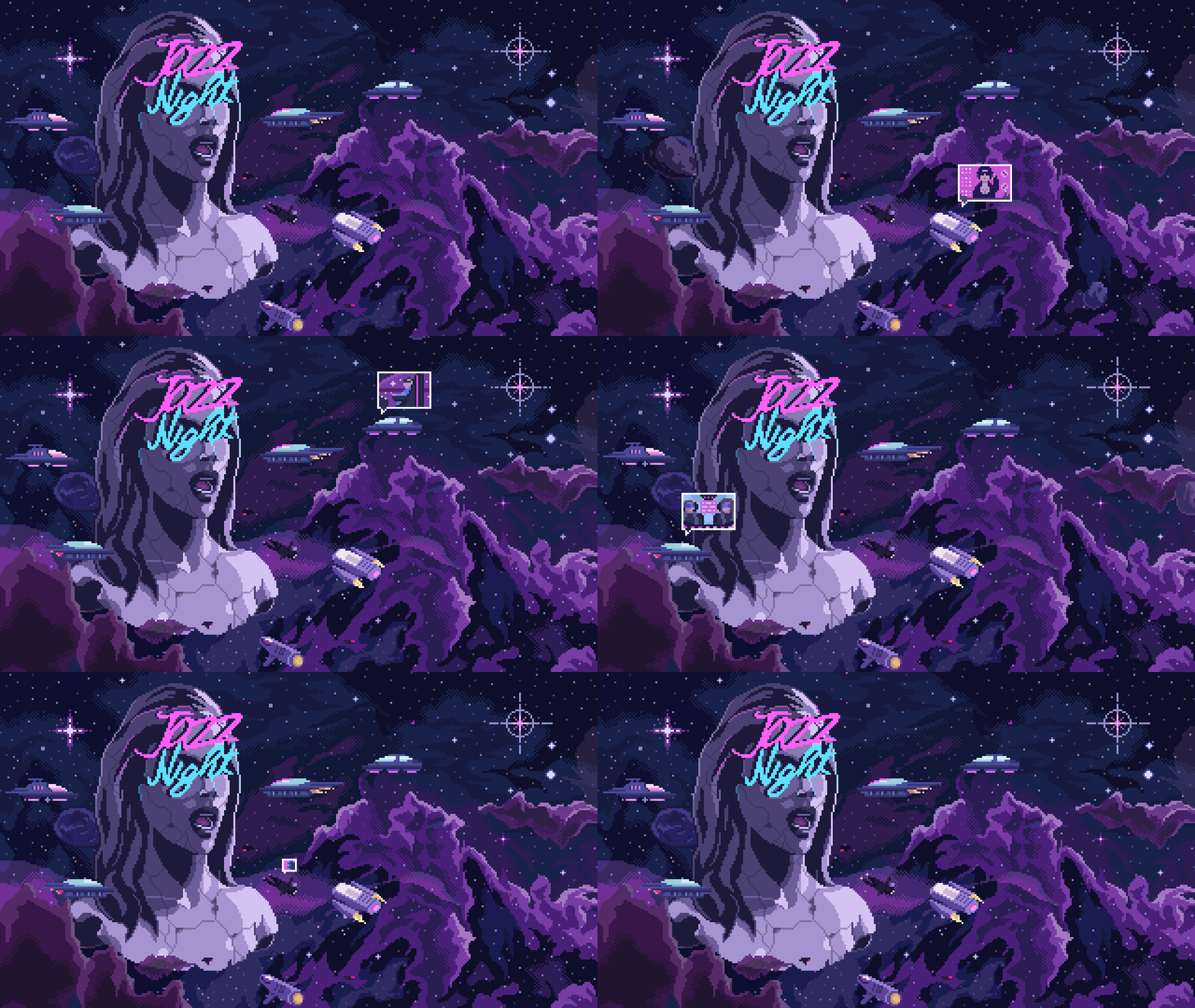
The release of this conceptual work represents a significant intersection between the historical limitations of 8-bit chiptune synthesis and the fluid, improvisational complexities of traditional jazz. Released on April 25, 2017, the album is a calculated exploration of Frequency Modulation (FM) synthesis, utilizing hardware-driven digital sounds to emulate the warmth and organic interplay typically reserved for acoustic ensembles. By blending lo-fi percussion with high-fidelity FM timbres, Irming seeks to bridge the gap between the "cold" digital aesthetic of early video game hardware and the humanistic nuances of modern jazz-funk.
A Career Forged in the Demoscene
To understand the technical foundation of this project, one must examine the career of Juan Irming. Emerging from the late 1980s European demoscene—a subculture defined by the pursuit of maximizing the audio-visual output of hardware such as the Atari ST—Irming’s formative years were spent competing to create the most complex arrangements within the strict memory and processing limitations of home computers. As a composer for the esteemed crew SYNC, Irming garnered accolades in various music contests, establishing a reputation for technical precision.

Transitioning into the 1990s, Irming expanded his professional horizons by attending the Musicians Institute in Los Angeles. This period proved pivotal, as it allowed him to integrate formal music theory and jazz sensibilities with his existing expertise in synthesis and sound design. Over the ensuing decades, his output became synonymous with the burgeoning synthwave and chip-music movements. His portfolio includes extensive contributions to the works of prominent artists such as YTCracker, Mitch Murder, and GUNSHIP, as well as scoring soundscapes for interactive media projects like Power Drive 2000 and VirtuaVerse.
The Conceptual Framework of FM Synthesis
The genesis of The Frequency Modulators Orchestra, Vol. 1 can be traced back to 2014, during the production of YTCracker’s Introducing Neals. While crafting the instrumental track "Feel Like Leisure Suit Larry," Irming identified a specific sonic potential in FM synthesis that he felt had been underutilized in contemporary synth-pop. This realization was reinforced in 2015 with his own track "Funky Mustache" from the album Blue Bots Dots.
Irming’s creative process for this new record spanned ten months, during which he functioned as both composer and improviser. The project’s central challenge was overcoming the "coldness" of digital synthesis. By focusing on live keyboard improvisation, Irming treated each FM-synthesized instrument as a sentient member of a jazz ensemble, granting them the freedom to interact and respond in real-time. This methodology moved the music away from the rigid, programmed patterns common in chiptune and toward the spontaneous nature of live jazz performance.
Technical Production and Collaborative Efforts
The sonic fidelity of the album was a priority for the production team. To ensure the project met industry standards for audiophile listening, Irming engaged Grammy Award-winning mastering engineer Don Grossinger. Grossinger’s involvement provides a layer of professional legitimacy to the project, as his previous work includes collaborations with legendary figures such as Miles Davis.
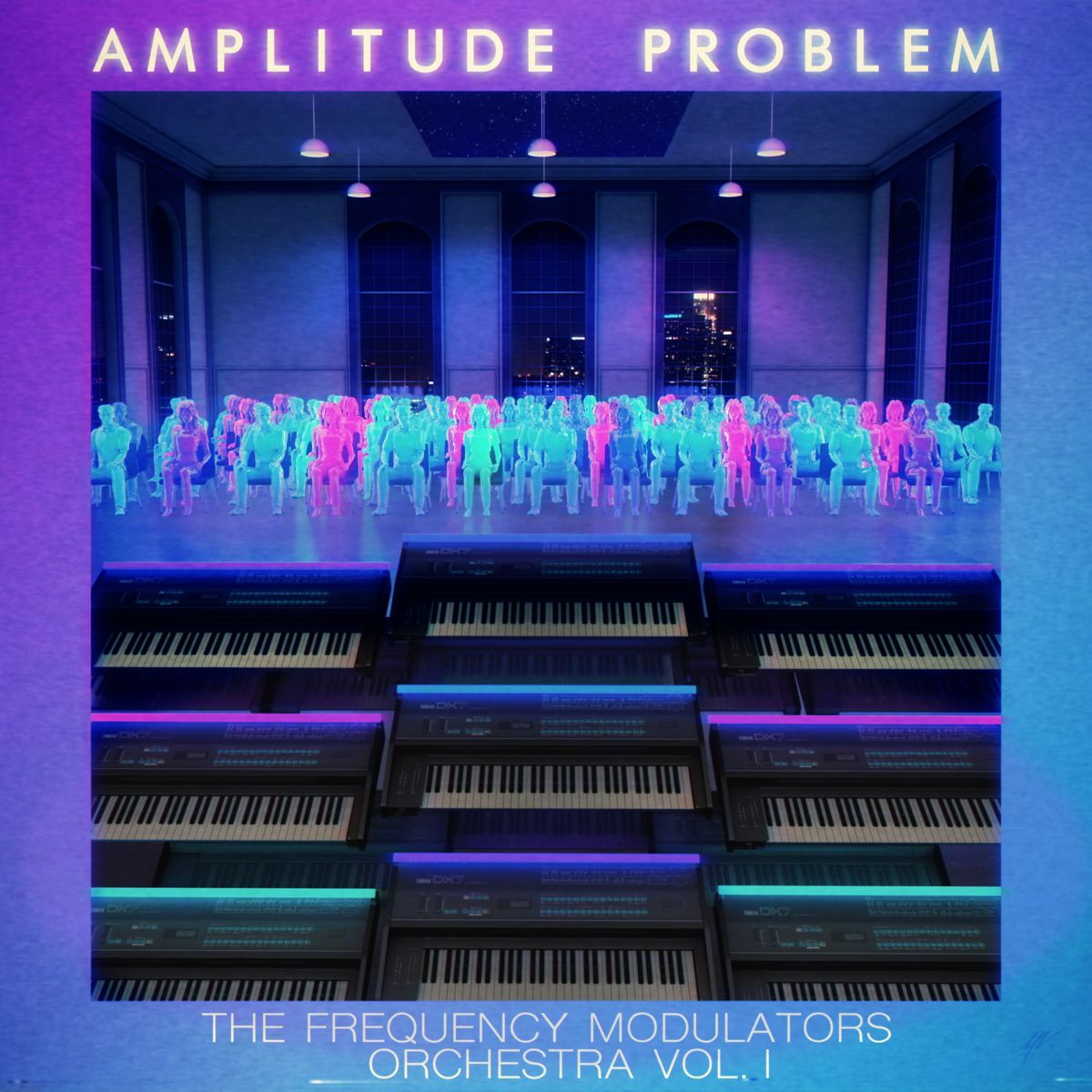
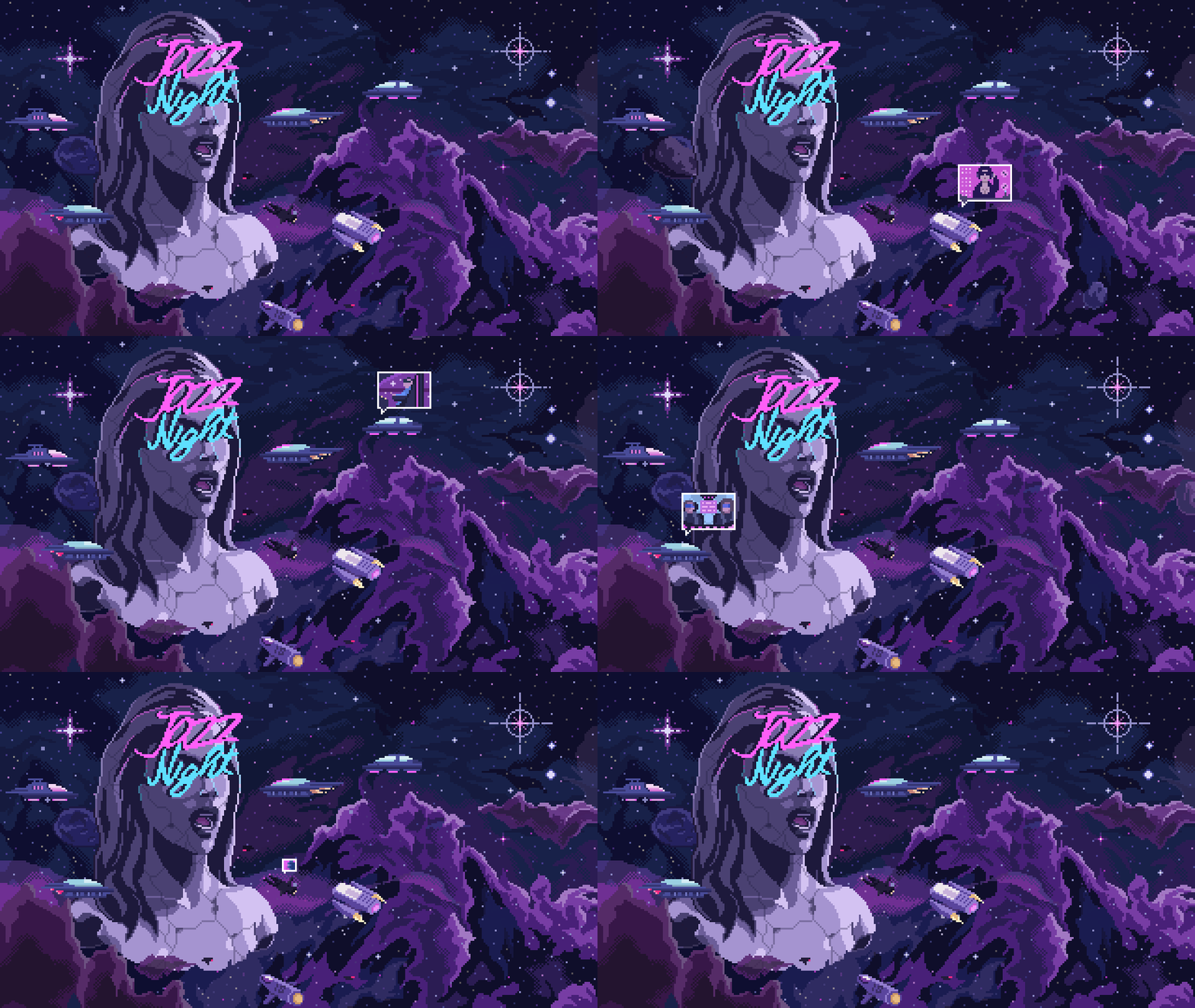
The visual identity of the album is equally integral to its thematic structure. The cover art, provided by the artist known as Mythical Vigilante, serves as an entry point into the "pixelated rabbit hole" the music invites listeners to explore. Furthermore, the inclusion of animations by Valenberg, specifically the "Jazz Night" sequence, provides a visual bridge between the 8-bit aesthetic and the narrative depth of the compositions.
Chronology of the Project
- Late 1980s: Irming joins the Atari ST demo crew SYNC, establishing his foundational skills in digital sound design.
- Early 1990s: Attendance at the Musicians Institute formalizes his education in keyboard performance and music theory.
- 2014: The composition of "Feel Like Leisure Suit Larry" sparks the conceptual shift toward FM-jazz fusion.
- 2015: "Funky Mustache" serves as a successful proof-of-concept for the proposed all-FM album.
- Late 2015–2016: A ten-month intensive production period begins, focusing on improvisation and the creation of "The Frequency Modulators" band concept.
- April 25, 2017: Official global release of The Frequency Modulators Orchestra, Vol. 1 via Ubiktune.
Industry Context and Market Implications
The release of this album arrives at a time when the "retrowave" and "chiptune" genres have gained significant traction in both indie gaming and independent music markets. However, The Frequency Modulators Orchestra distinguishes itself by eschewing the nostalgia-baiting tendencies of the genre in favor of a deeper exploration of musical form.

By utilizing FM synthesis—a technology that defined the sound of 1980s and 90s console gaming (such as the Yamaha DX7 or the Sega Genesis sound chip)—Irming highlights the untapped expressive range of older hardware. The decision to strip away vocal elements forces the listener to engage with the structural integrity of the melodies, shifting the focus from lyrical narrative to the "soundtrack to your brain." This approach aligns with broader trends in experimental electronic music, where artists are increasingly looking to reconcile the "lo-fi" aesthetic with the "hi-fi" demands of modern streaming and mastering standards.
Thematic Depth and Personal Expression
Irming has characterized the album as a deeply personal project, with the tracklist split into two distinct thematic blocks. The first four tracks offer an introspective look at the individual, while the final three tracks expand to offer commentary on broader existential and cosmic themes.
In a statement regarding the creative process, Irming noted the necessity of uninhibited expression, citing tracks like "Ghosts in My Medicine Cabinet" as examples of his refusal to self-edit or constrain the music. He argues that by removing the "shy" elements of production and leaning into the conviction of the performance, he was able to reach a level of authenticity that defines the record. This lack of compromise is presented as a reaction to the pressures of the modern music industry, where genre adherence can often stifle creative experimentation.
Conclusion: The Future of FM-Jazz
The Frequency Modulators Orchestra, Vol. 1 is more than a nostalgic nod to the era of 8-bit computing; it is a technical exercise in hybridizing electronic and acoustic performance philosophies. By framing the synthesis process as an improvisational ensemble, Juan Irming has successfully challenged the listener to reconsider the emotional bandwidth of digital sound.
As the album enters the catalogs of major digital streaming platforms, its reception will likely serve as a barometer for how listeners perceive the evolution of synth-based music. Whether the project sparks a broader movement toward "FM-Jazz" remains to be seen, but as a standalone effort, it represents a definitive moment for Amplitude Problem—solidifying his role as a producer who can effectively bridge the divide between the historical constraints of the demoscene and the sophisticated demands of contemporary jazz listeners.