 Chalid Lutfie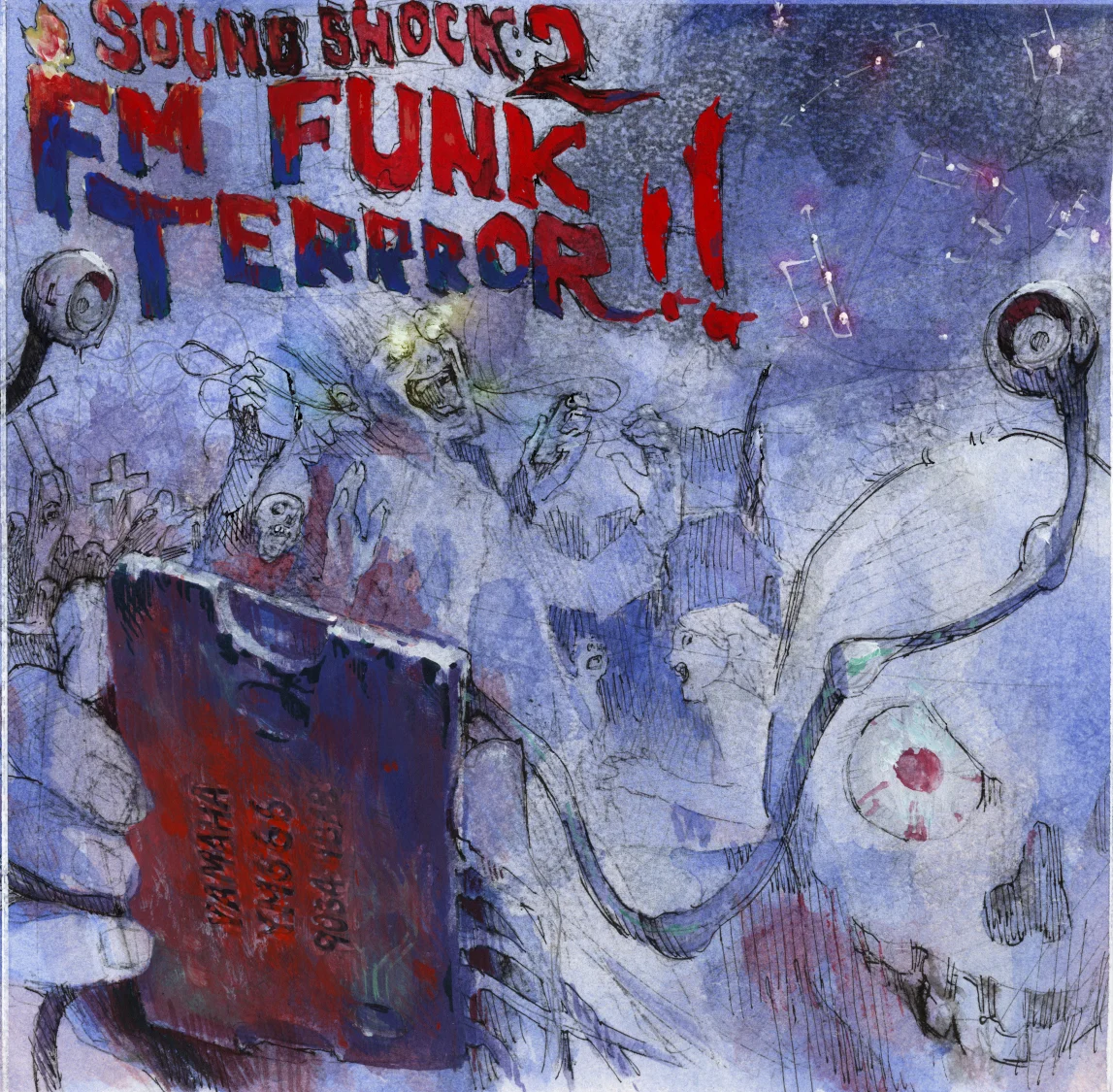
The conclusion of the SOUNDSHOCK series on April 15, 2017, marked more than just the end of a musical compilation project; it served as the final chapter in a unique collaborative experiment that married high-fidelity frequency modulation (FM) synthesis with a distinct, hand-painted visual aesthetic. Spearheaded by the curator known as zinger, the trilogy—comprising FM FUNK MADDNESS!!, FM FUNK TERRROR!!, and FM FUNK NIRVANA!!—leveraged the talents of manga artist and illustrator Tsuyoshi Shimokura to bridge the gap between niche chiptune culture and illustrative fine art.
The Creative Genesis of a Sonic Trilogy
The partnership between the SOUNDSHOCK curatorial team and Tsuyoshi Shimokura began in the early 2010s, initially centered on the technical requirements of audio production. However, the discovery of Shimokura’s extensive professional portfolio—rooted in the rigorous traditions of Japanese manga and game design—prompted a pivot toward a more integrated visual approach. Recognizing that the "FM sound" aesthetic, characterized by its complex, metallic, and often aggressive harmonic textures, required a visual language that could match its intensity, zinger engaged Shimokura to visualize the albums.
This collaboration was not merely a decorative endeavor but a systematic effort to codify the "FM" ethos into visual iconography. The resulting artwork serves as a document of the resurgence of 1980s and 1990s hardware-based sound synthesis, capturing the tactile nature of early digital audio chips through an organic, hand-rendered medium.
Chronology of Production and Aesthetic Evolution
The visual identity of the SOUNDSHOCK series evolved significantly across its three installments, reflecting both the maturation of the production team and the deepening conceptual complexity of Shimokura’s illustrations.
1. FM FUNK MADDNESS!! (The Foundation)
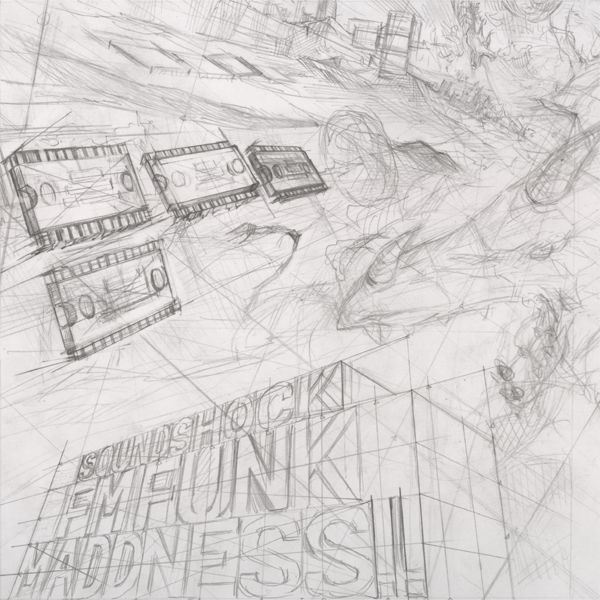
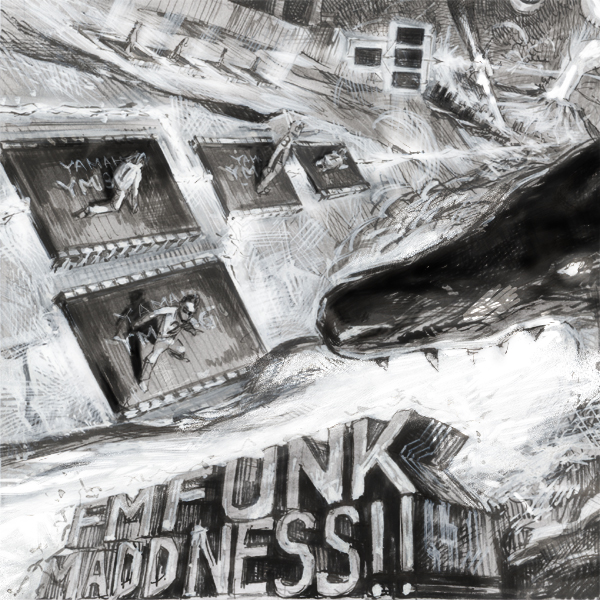
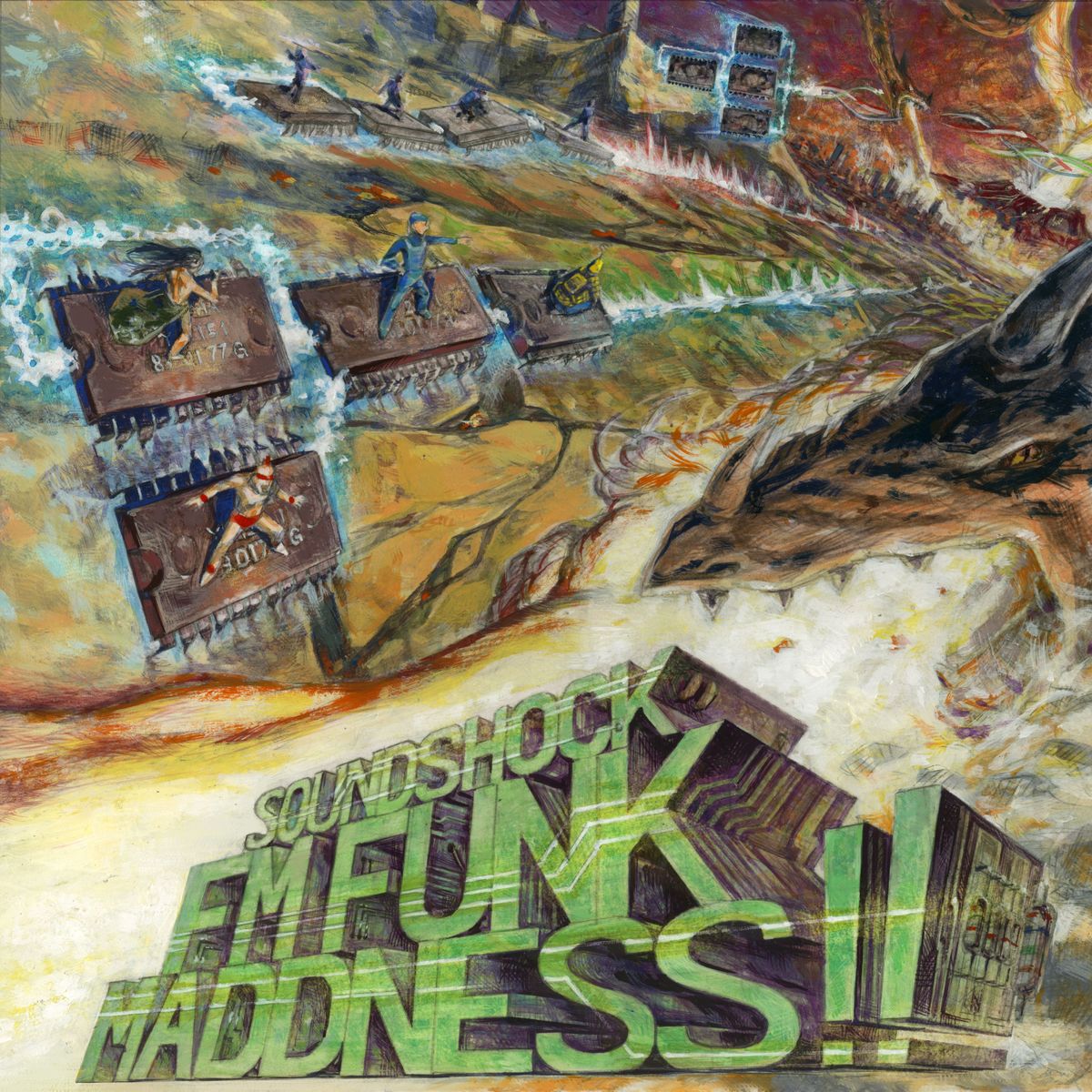
The inaugural volume established the series’ core motif: the personification of hardware. Drawing inspiration from classic arcade flyers—most notably the distinct graphic design language of Irem and Taito arcade titles such as Metal Black and Darius II—the cover art for MADDNESS!! visualized the collaborative nature of the project. The conceptual sketches for this album reveal an emphasis on action and unity, with the artist depicting FM sound chips as sentient, caterpillar-like entities working in concert. The visual narrative focused on a heroic struggle, where musicians and hardware chips served as an united front against digital stagnation.
2. FM FUNK TERRROR!! (The Genre Shift)
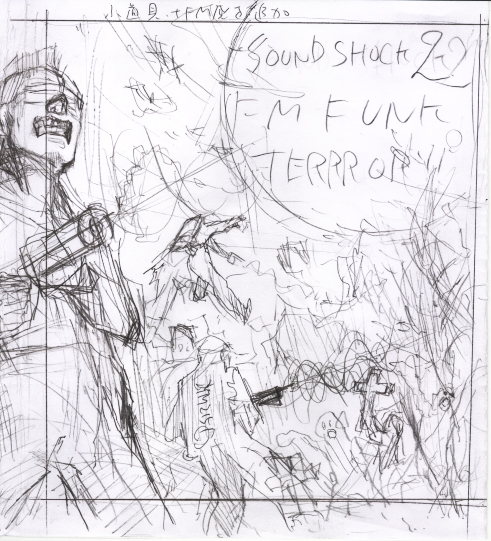
The second installment marked a thematic departure, shifting from the "heroic" tone of the first album toward the macabre and atmospheric. To achieve this, the curatorial team provided Shimokura with an archive of 1980s horror cinema posters and cult-classic video game assets, including the Splatterhouse series. The resulting artwork for TERRROR!! introduced elements of the grotesque, such as maggot-adorned gravestones and hardware-integrated relics. This volume is notable for its intricate integration of "FM algorithm charts" within the composition—a stylistic hallmark that became a recurring theme for the artist.
3. FM FUNK NIRVANA!! (The Final Synthesis)
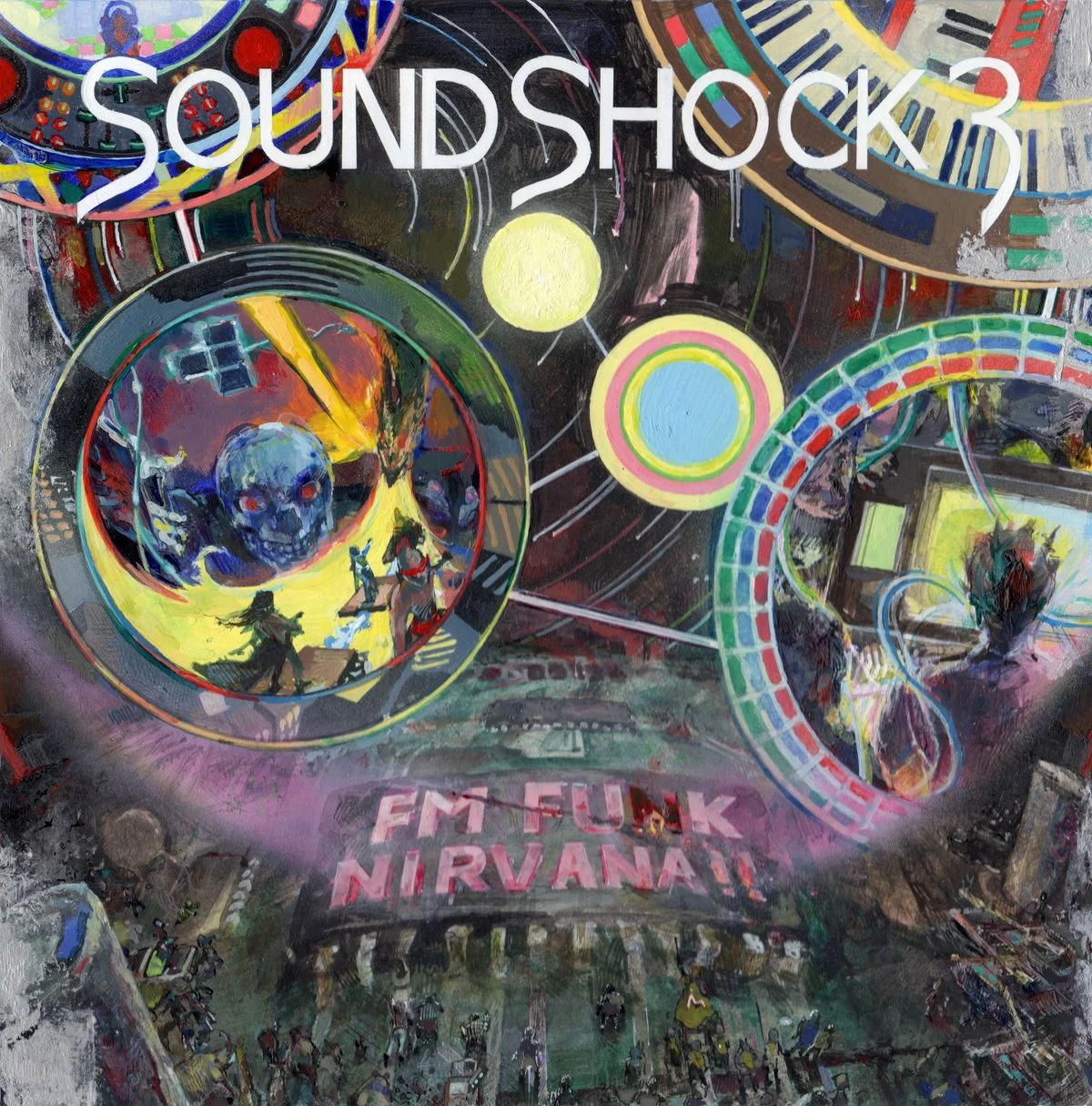
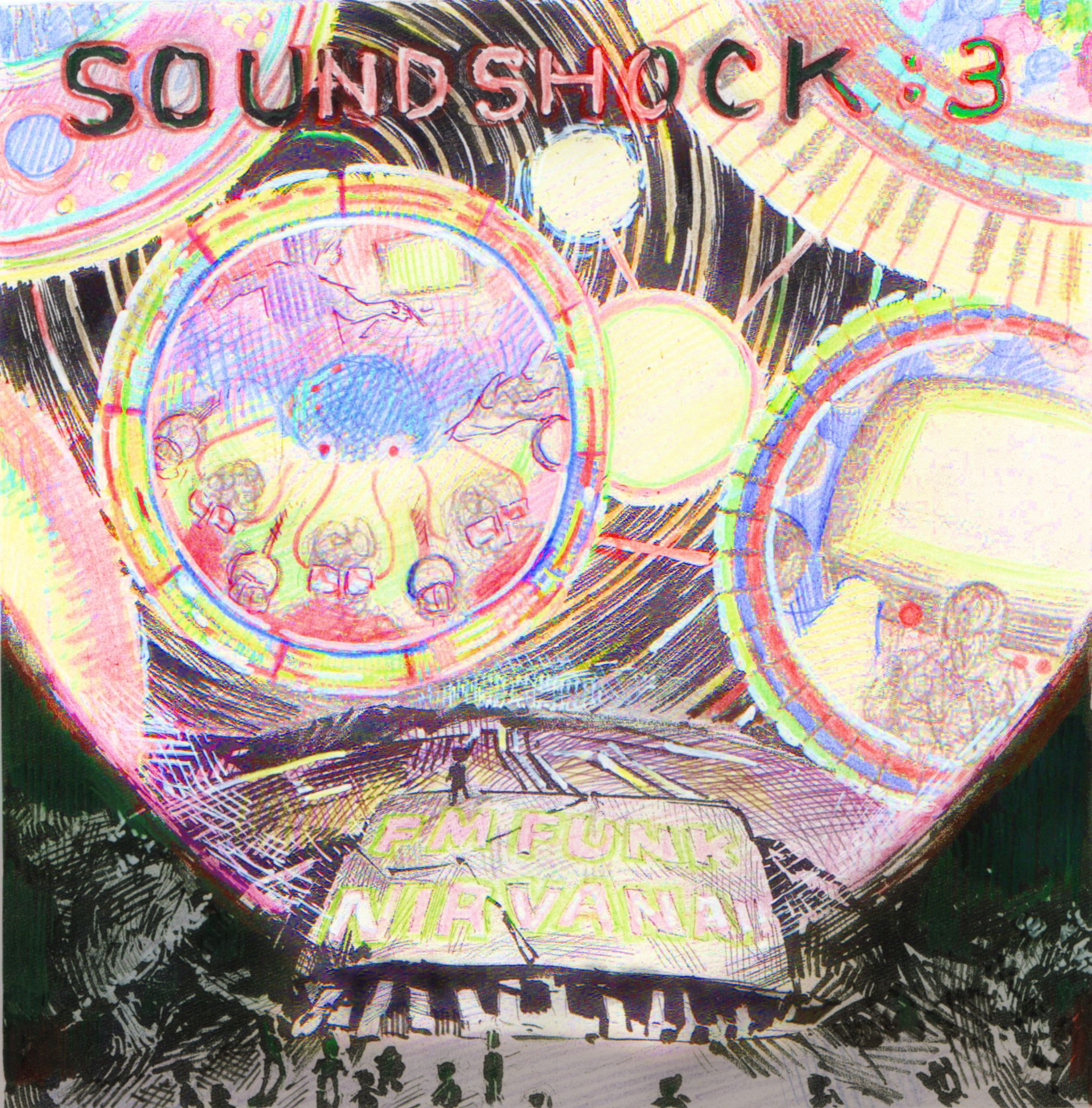
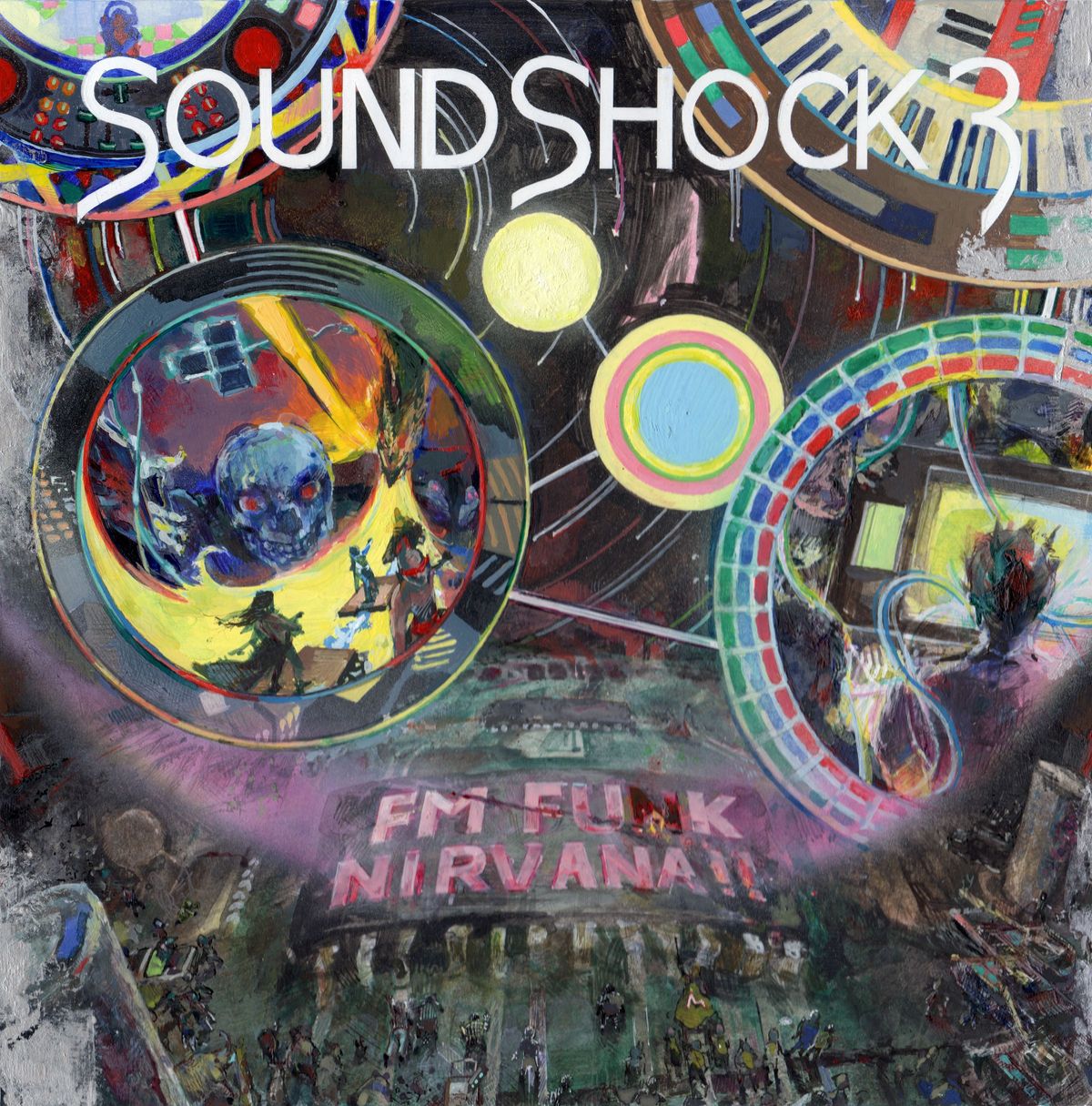
The concluding volume, released in the final stages of the project, represented a departure into abstract symbolism. Moving away from the horror and action tropes of its predecessors, NIRVANA!! leaned heavily into Eastern philosophy and meditative imagery. Shimokura designed the cover as a "mandala" of FM elements, featuring a central object of worship—the FM chip—surrounded by a celestial geometry of spheres. This composition served as a spiritual resolution to the series, framing the act of listening as a form of ritualistic engagement.
Technical Symbolism and Hardware Iconography
A consistent analytical thread throughout the three albums is the use of "algorithm charts" as a foundational design element. In FM synthesis, an algorithm is a specific arrangement of operators (sine wave oscillators) that determines the final timbre of a sound. By incorporating these technical diagrams into the illustrations, Shimokura bridged the gap between the internal logic of the audio hardware and the external presentation of the music.
Data from the production notes suggests that this was a deliberate attempt to reward "insider" knowledge within the chiptune community. The detail-oriented approach, such as the specific arrangement of chip "feet" and the mimicry of actual circuit board layouts, elevated the covers from mere illustrations to technical blueprints for the auditory experience contained within.
The Philosophy of the "Spiritual Offshoot"
In his final message to the series’ audience, Tsuyoshi Shimokura articulated a perspective that frames the conclusion of SOUNDSHOCK as a generative event rather than a termination. By characterizing the project as a "seed" for future creative endeavors, the artist emphasized the continuity of the FM synthesis tradition.
"If SOUNDSHOCK has struck a chord in its listeners’ hearts, then our work could be thought of as a seed for future stars that have yet to be born," Shimokura stated. This sentiment underscores a common theme in the electronic music community: that hardware-centric art is part of a lineage, and that contemporary creators are essentially the progeny of earlier engineering pioneers. The "NIRVANA" concept, in this context, refers to the ultimate realization of the medium—a state where the tool and the artist are no longer distinct, and the sound becomes a self-sustaining ecosystem.
Broader Implications for the Chiptune and Digital Art Sectors
The impact of the SOUNDSHOCK series on the broader independent music scene is defined by its insistence on physical—or at least visually tactile—identity in an increasingly ephemeral digital landscape. By investing heavily in original, commissioned hand-painted art, the project resisted the trend of generic, automated, or stock-image album cover designs prevalent in mid-2010s digital distribution.
Industry analysts note that such projects foster a "collectible" status for digital releases. By providing detailed concept sketches, behind-the-scenes narratives, and consistent thematic branding, the SOUNDSHOCK team managed to cultivate a dedicated subculture that viewed the album not just as a playlist, but as a cohesive artistic statement. The collaboration between a professional manga-background illustrator and an independent electronic music collective serves as a case study for future multimedia projects aiming to elevate digital distribution into the realm of a physical art object.
Conclusion: A Legacy of Synthesis
As the SOUNDSHOCK project concludes, its legacy remains anchored in the intersection of technical precision and creative expression. The trilogy demonstrated that digital music, often perceived as cold or clinical, could be imbued with profound emotional and narrative weight through the right visual medium. The "FM" community, having been provided with a coherent visual vocabulary, now faces the challenge of continuing the "seed" of the SOUNDSHOCK legacy in their own subsequent works. With the final artwork serving as a definitive, meditative capstone, the project leaves behind a blueprint for how independent creators can successfully synthesize disparate artistic influences into a singular, lasting cultural product.