 Chalid Lutfie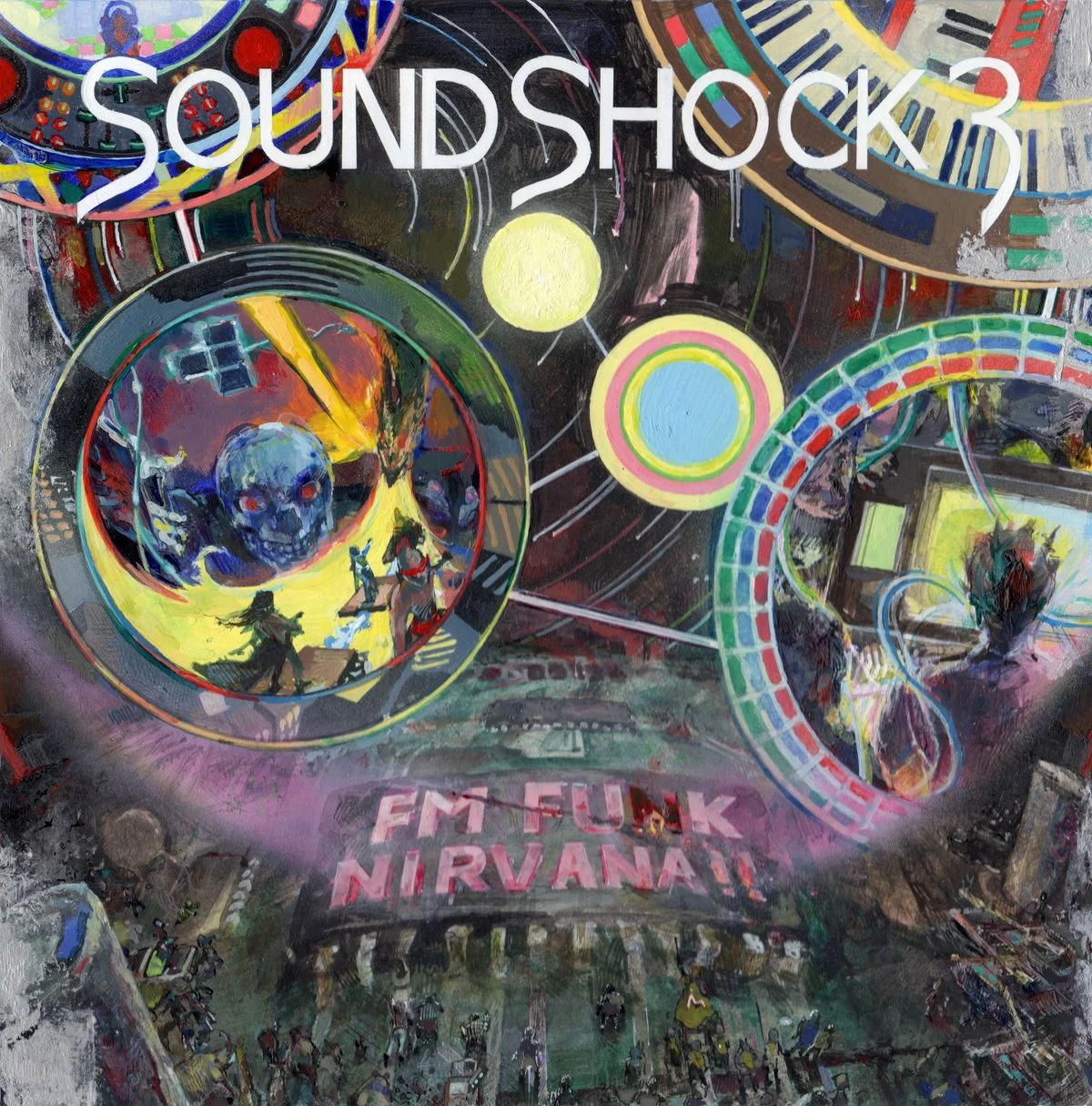
The genesis of the SOUNDSHOCK compilation series represents a pivotal moment in the digital evolution of chiptune, serving as a bridge between the burgeoning Western tracker-music scene and the established, hardware-focused traditions of Japanese game audio. What began in 2010 as a collaborative effort between the project creator, zinger, and the electronic music label Ubiktune, has matured into a multi-volume anthology that preserves the aesthetic legacy of FM synthesis and 8-bit sound design. By exploring the intersection of these disparate musical cultures, SOUNDSHOCK has effectively codified a global community defined by a shared obsession with vintage hardware and video game soundscapes.
Chronological Development and Origins
The conceptual framework for SOUNDSHOCK was established in 2010 when C-jeff, the founder of the Ubiktune label, approached zinger with the intent of producing a solo album. During these initial discussions, a more ambitious vision emerged: the creation of a comprehensive project that would catalog the depth and versatility of chip music. This pivot marked the beginning of a long-term editorial undertaking that would eventually span multiple volumes, including the latest installment, SOUNDSHOCK 3: FM FUNK NIRVANA!!.
The inspiration behind the project is deeply rooted in the childhood experiences of its curator, who spent formative years engaging with classic Sega Mega Drive titles such as Sonic the Hedgehog and Golden Axe II. These experiences served as the catalyst for an enduring fascination with the technical limitations and creative possibilities inherent in early computer and video game audio. Over the subsequent 15 years, this interest expanded into a dedicated study of obscure Japanese computer hardware, arcade cabinet preservation, and the intricacies of FM synthesizers. This personal trajectory—from a casual gamer to a composer and organizer within the tracker and demoscene communities—provided the foundational expertise required to curate a series that honors both the technical origins of the medium and its modern, experimental applications.
Technical Context and the Demoscene Connection
At the heart of the SOUNDSHOCK series lies the demoscene, a subculture dedicated to the creation of computer art, music, and software that pushes the boundaries of hardware limitations. The demoscene is historically significant for its development of "trackers," specialized software used to sequence music on limited memory budgets.
Data from the early 2010s suggests that the rise of digital distribution platforms and the increasing accessibility of vintage-inspired music allowed for a global dialogue between artists who had previously operated in relative isolation. The SOUNDSHOCK project functioned as a nexus for this exchange. By incorporating artists like Ryu Takami and hex125 alongside Western counterparts, the series facilitated a cultural cross-pollination. This was not merely a musical collaboration; it was a structural effort to harmonize the Japanese approach to "game music"—often defined by melody and narrative cohesion—with the Western demoscene’s emphasis on technical virtuosity and raw synthesis.
Cross-Cultural Integration and Community Impact
The project’s significance is best reflected in the testimonies of its participants. The collaboration between figures like hally, a renowned authority on Japanese chiptune, and Western organizers served to demystify the distinct approaches to sound design prevalent in different regions. For instance, the fascination held by Japanese composers like Keishi Yonao for Western computer culture mirrored the obsession held by Western artists for the specialized Japanese hardware—such as the NEC PC-98 or Sharp X68000 series—that defined the Japanese gaming landscape.
The integration of artists such as shogun, Utabi, zabutom, and Metal onto a unified tracklist serves as a physical manifestation of this cross-continental synthesis. The logistical success of the series, supported by contributors including Tsuyoshi Shimokura, Megus, Rufus Blacklock, and MmcM, underscores the viability of decentralized, community-driven production models in the digital age. By providing a platform for these artists to share their work, the project has effectively reduced the barriers that once separated these niche communities, transforming a collection of individual efforts into a cohesive artistic movement.
Broader Implications for Video Game Aesthetics
The SOUNDSHOCK series serves as a case study for the preservation of video game aesthetics in an era of rapid technological obsolescence. As game development trends shift toward high-fidelity audio and orchestral scores, the maintenance of the "chiptune" aesthetic remains a vital act of cultural preservation. The project demonstrates that the limitations imposed by early FM synthesizers and 8-bit processors are not merely nostalgic artifacts but viable tools for contemporary musical expression.
From a journalistic perspective, the implications of the series are twofold. First, it highlights the transition of chiptune from a functional necessity of 1980s and 1990s hardware to a recognized genre of experimental electronic music. Second, it demonstrates the efficacy of international collaboration in fostering creative innovation. By prioritizing the technical history of the medium, the contributors to SOUNDSHOCK have ensured that the sonic signatures of the Mega Drive, the arcade cabinet, and the early Japanese home computer remain relevant to a new generation of listeners and producers.
Acknowledgments and Future Trajectory
The sustainability of the project is largely attributed to the support of the Ubiktune label. Under the guidance of C-jeff, the label has become a primary institution for the preservation and dissemination of chiptune music. The recognition of hally’s influence as an educator and curator within the Japanese scene further emphasizes the reliance of the project on a robust network of experts.
As the series moves into its third iteration, the "FM FUNK NIRVANA!!" volume, it faces the challenge of continuing to innovate while maintaining the aesthetic standards set by its predecessors. The project remains a testament to the idea that niche interests, when organized with rigor and community-minded intent, can exert a significant influence on the broader electronic music landscape.
Analysis of the "SOUNDSHOCK" Methodology
The methodology employed by the series curators can be distilled into three core components: archival research, collaborative curation, and technical synthesis. By meticulously documenting the history of the hardware involved and pairing it with contemporary compositions, the series acts as an interactive archive. This approach has provided a stable framework for future artists to explore the depths of FM synthesis without the constraints of traditional commercial publishing.
The success of the series also points toward a shift in how "fan" communities interact with their source material. Rather than consuming content passively, members of the chiptune community are actively engaged in the production of new works that pay homage to their formative influences. This shift from consumption to production is perhaps the most significant outcome of the last decade for the demoscene and its related sub-genres.
Conclusion
In summary, the SOUNDSHOCK series has successfully bridged the divide between the Japanese and Western chiptune communities, creating a legacy that transcends the individual albums themselves. Through the dedication of its contributors and the foresight of its organizers, it has turned a niche interest in vintage video game hardware into a vibrant, ongoing dialogue between artists across the globe. As the industry continues to evolve, the SOUNDSHOCK model provides a valuable blueprint for how community-driven initiatives can effectively preserve the history of digital art while simultaneously pushing the boundaries of contemporary sound design. The project’s longevity serves as proof that the aesthetic power of the FM chip is not a relic of the past, but an enduring element of modern music composition.