Retno Hari Mulyono
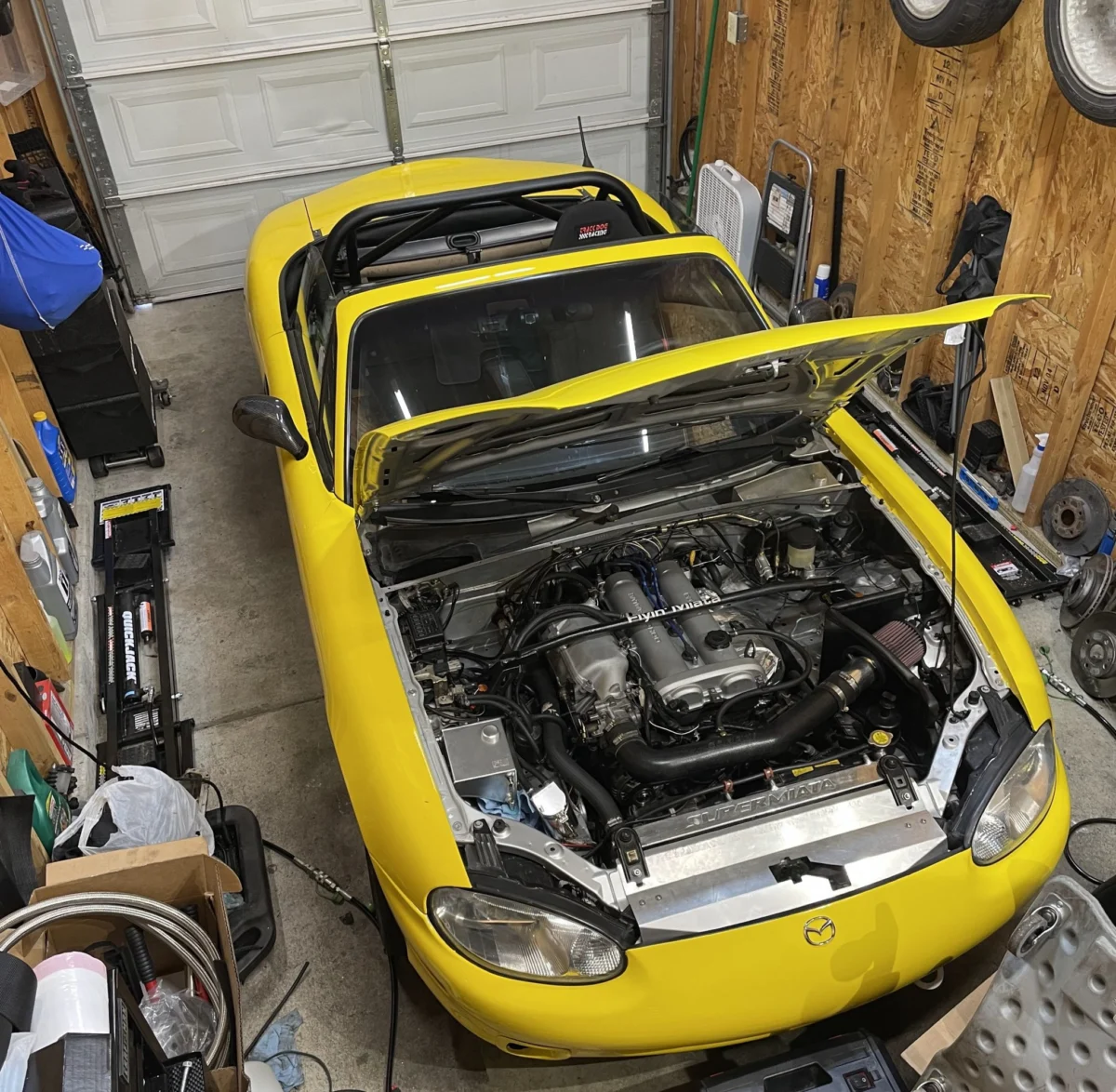
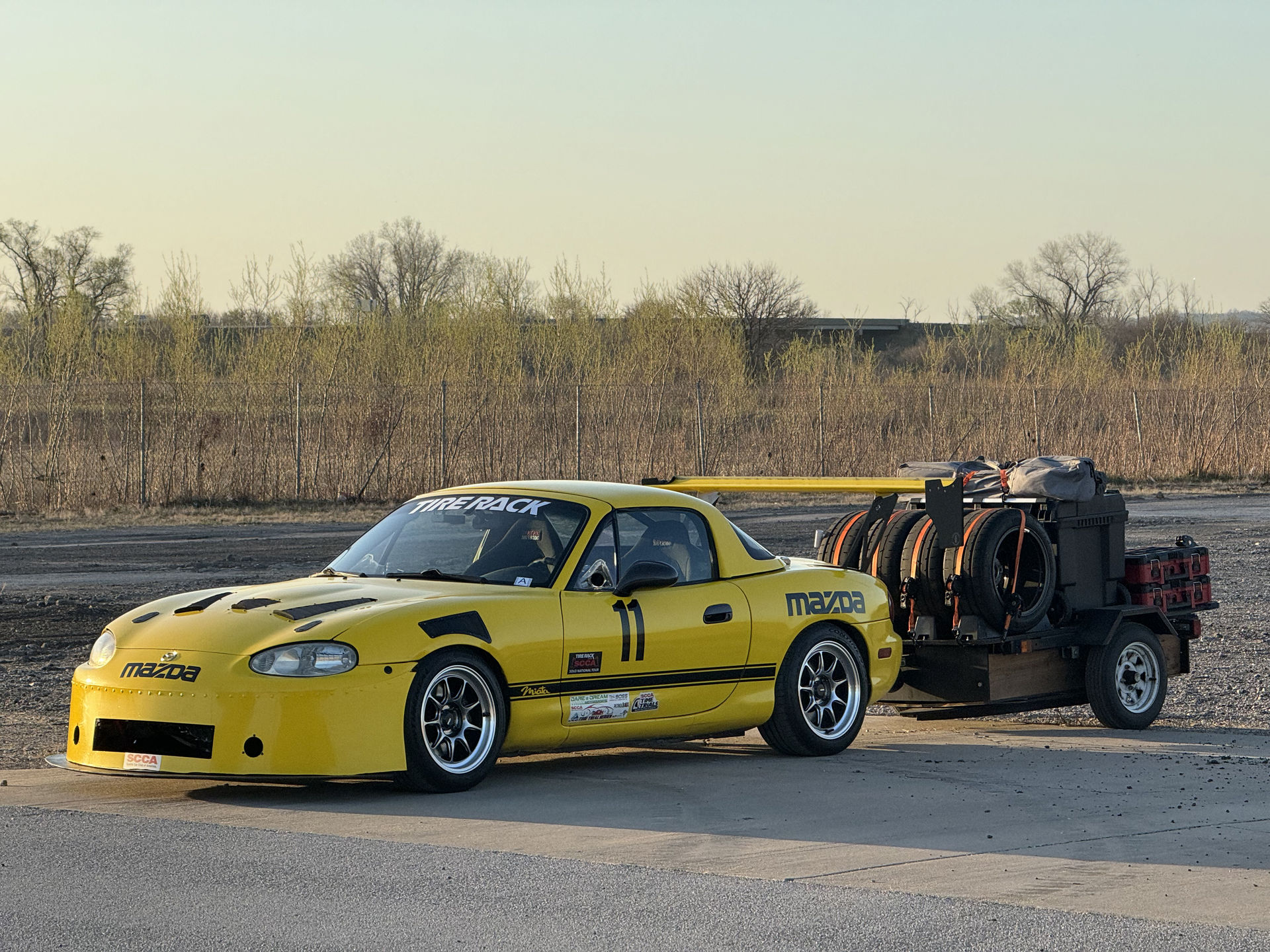
The rise of amateur motorsports, particularly track days and autocross, has necessitated innovative logistical solutions for enthusiasts driving small-platform vehicles. For drivers of cars like the Mazda Miata or Subaru BRZ, the transition from standard street tires to high-performance track rubber presents a significant challenge: the inability to transport a secondary set of wheels within the vehicle’s limited interior space. This logistical hurdle has led to the increasing popularity of the "tire trailer," a specialized, lightweight utility solution designed to preserve expensive racing compounds while maintaining the versatility of a street-legal sports car.
The Technical Conflict: Street Utility vs. Track Performance
The primary driver behind the adoption of tire trailers is the distinct physical and chemical nature of modern track tires. Most enthusiasts eventually migrate toward "Extreme Performance Summer" tires, typically identified by a Uniform Tire Quality Grade (UTQG) treadwear rating of 200 or lower. While these tires are technically Department of Transportation (DOT) approved for street use, they are engineered for a specific operating window that is frequently at odds with daily driving.
From a technical standpoint, track tires are subject to "heat cycles." Each time the rubber is brought up to racing temperature and subsequently cooled, the chemical composition of the compound changes, gradually becoming harder and less adhesive. Utilizing these tires for highway transit to and from a circuit effectively "wastes" these cycles, degrading the tire’s peak performance before it ever touches the track. Furthermore, the shallow tread depth and specialized compounds of 200TW tires—such as the Hankook Ventus RS4 or the Falken Azenis RT660—render them suboptimal, and occasionally dangerous, in inclement weather. The risk of hydroplaning increases exponentially in heavy rain, and the rubber can become brittle and lose all grip in temperatures below 50 degrees Fahrenheit.
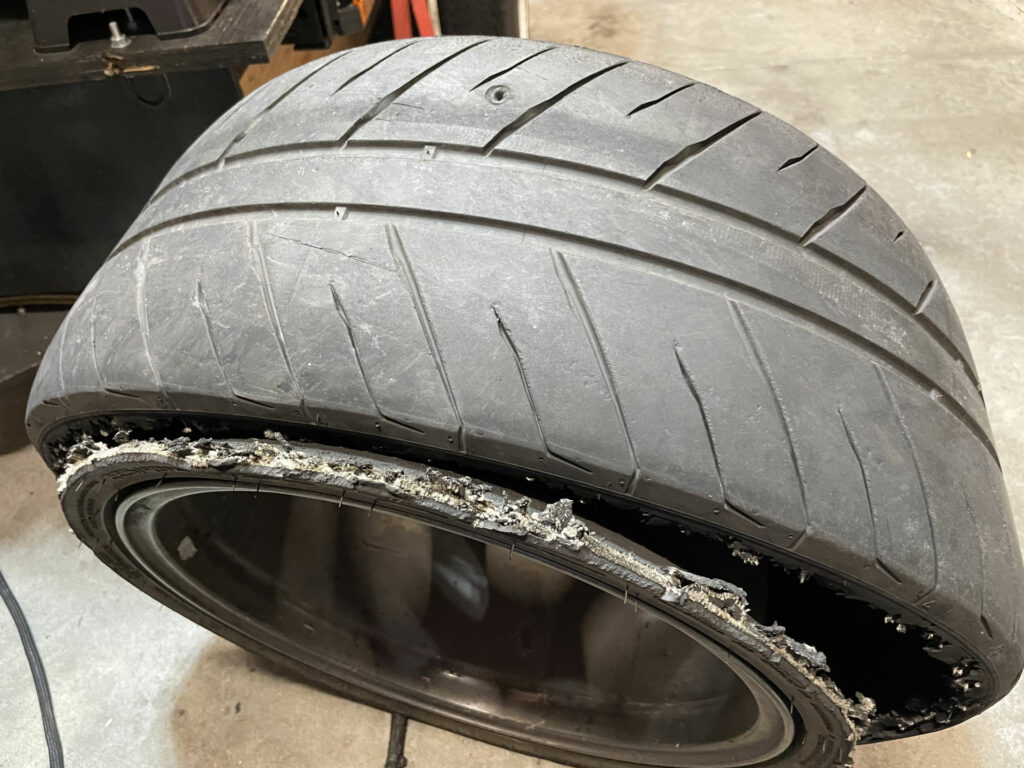
Safety data suggests that a significant portion of track-day incidents occur not on the circuit, but during transit, often due to tire failure or loss of control in non-ideal road conditions. For drivers of smaller vehicles, the inability to "stash" a spare set of tires in a trunk or rear seat—a feat easily accomplished in a BMW M3 or a Chevrolet Camaro—makes the tire trailer a vital piece of equipment.
Engineering the Solution: Anatomy of a Custom Tire Trailer
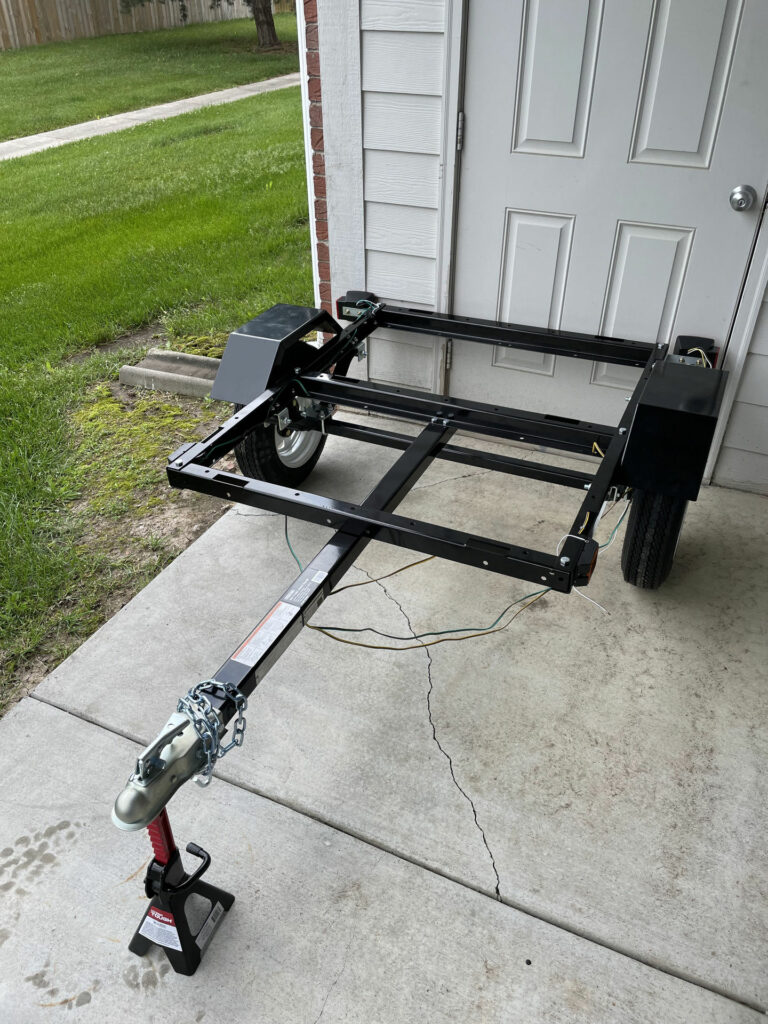
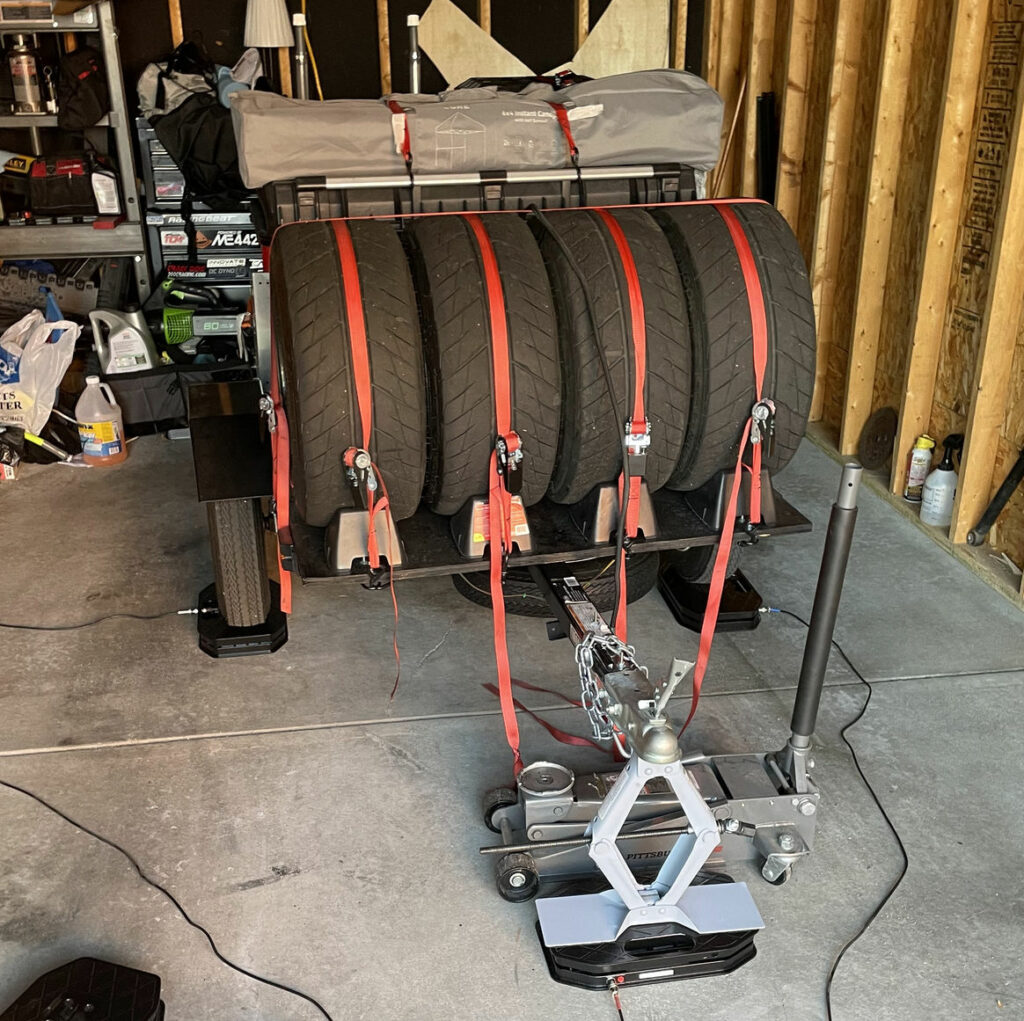
The construction of a tire trailer typically begins with a lightweight, modular frame. For many enthusiasts, the foundation is a standard 40-inch by 48-inch utility trailer frame, such as those manufactured by Northern Tool or Harbor Freight. These frames are favored for their low curb weight—often under 200 pounds—and their affordability, providing a blank canvas for motorsport-specific modifications.

Frame Selection and Assembly
While the 40×48 frame is the standard for compact cars, some builders opt for 4×8-foot folding frames to allow for more flexible loading. However, the smaller frame remains the gold standard for the Mazda Miata due to its narrow track width and aerodynamic profile. Higher-end alternatives, such as those produced by Leroy Engineering, offer bespoke solutions featuring independent suspension and high-speed bearings, though these can cost several times more than a DIY build.
Decking and Load Distribution
A critical phase of the build involves the installation of a durable deck. Journalistic observation of successful builds indicates a preference for 3/4-inch marine-grade or Sande plywood, often finished with weather-resistant paint. To maximize utility, many builders extend the deck slightly beyond the frame rails, creating a surface area of approximately 60 by 40 inches.
Load distribution is a paramount safety concern. In trailer physics, maintaining a tongue weight of approximately 10% to 15% of the total trailer weight is essential to prevent "trailer sway" at highway speeds. Consequently, builders often mount the heaviest components—the tires and wheels—directly over or slightly forward of the axle.
Storage Optimization and Track Essentials
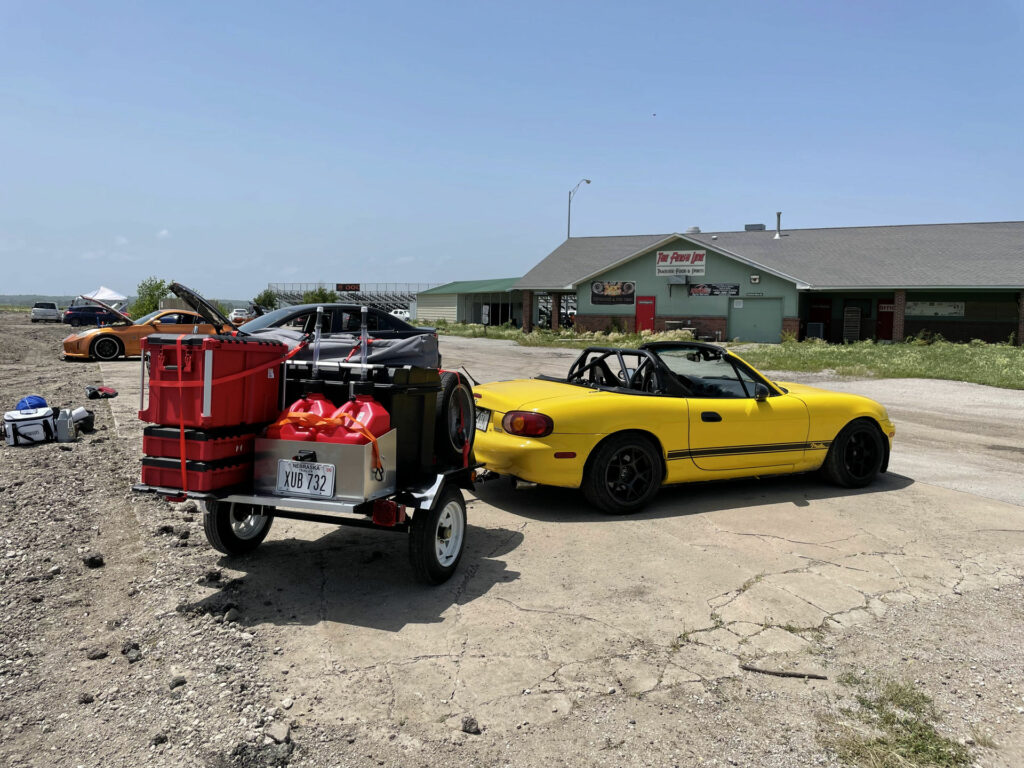
A tire trailer is more than a rack; it is a mobile paddock station. To be effective, the trailer must house a comprehensive suite of tools and fluids required for a weekend of high-performance driving.
Tool Management Systems
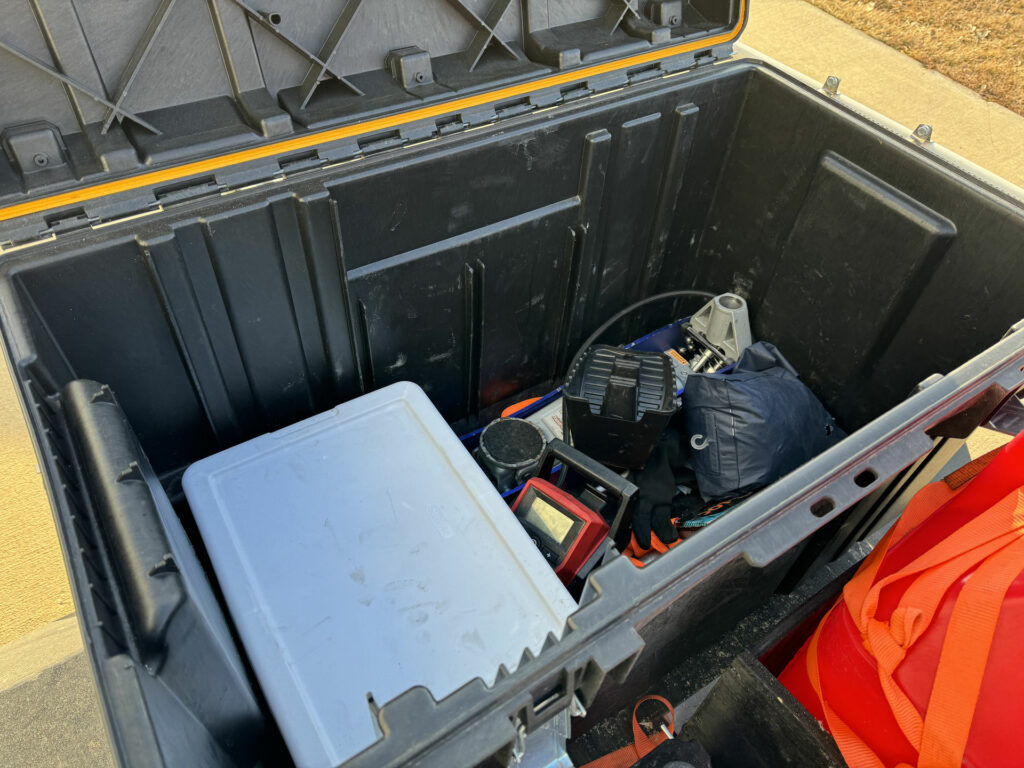
Modern builds frequently incorporate weather-tight toolboxes, such as the DeWalt DWST38000 or Milwaukee Packout systems. These boxes are often bolted through the deck with reinforcing plates to distribute stress. Common inventory for a track-ready trailer includes:
- A low-profile aluminum racing jack.
- A high-torque cordless impact wrench for rapid wheel changes.
- Precision tire pressure gauges and a portable air compressor.
- A torque wrench for ensuring lug nut security after heat cycles.
- Basic hand tools, spare brake pads, and sensors.
Fuel Logistics
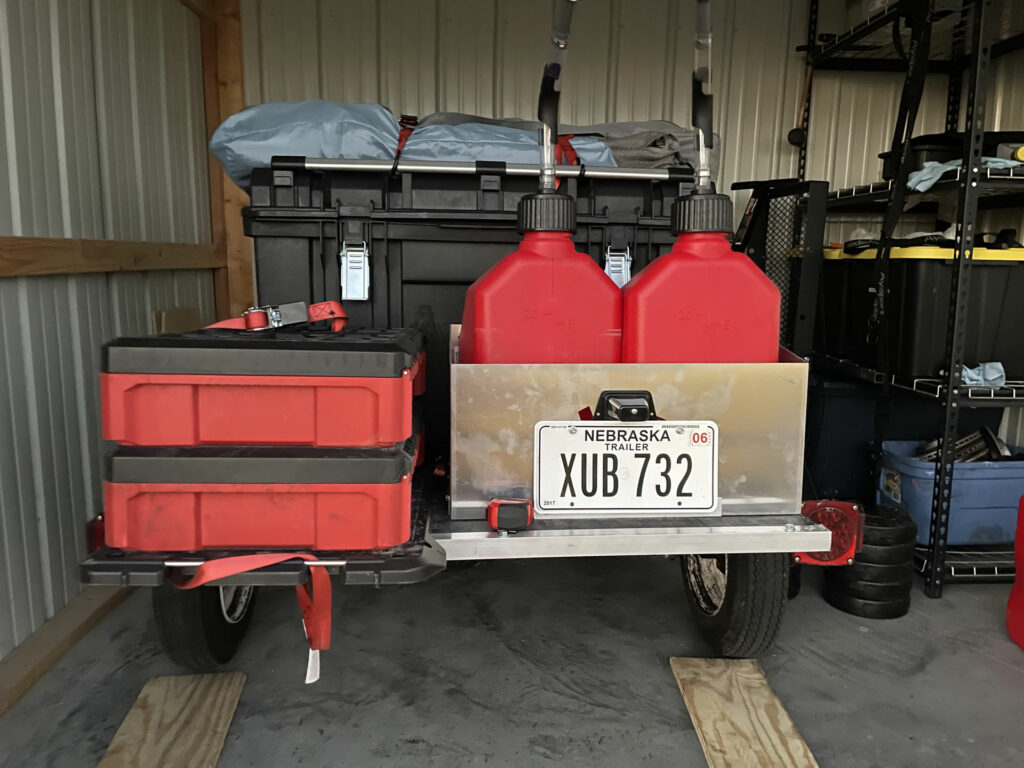
For vehicles tuned to run on E85 ethanol or high-octane racing fuel, logistics become even more complex, as these fuels are rarely available at or near rural racing circuits. Builders often integrate specialized fuel jug mounts, such as those from VP Racing. Advanced setups have moved toward larger-capacity solutions, such as 15-gallon Flo-Fast containers equipped with hand-crank pumps. This allows a driver to carry enough fuel for a full day of sessions without relying on expensive on-site track fuel.
Iterative Upgrades: Enhancing High-Speed Reliability
As these trailers are often towed hundreds of miles at highway speeds, standard equipment often proves insufficient. Data from long-term users suggests that the stock bias-ply tires included with budget trailer kits are a weak point.
The Transition to Radial Tires
Bias-ply tires are prone to overheating and rapid wear. Enthusiasts frequently upgrade to radial tires, such as the 145R12 size. These tires offer several advantages:
- Lower Operating Temperatures: Radial construction reduces internal friction, leading to cooler running temperatures at 70+ mph.
- Increased Longevity: Radial tires typically offer a significantly longer tread life than their bias-ply counterparts.
- Stability: The stiffer sidewalls and better footprint of a radial tire provide a more planted feel, reducing the "bounce" often associated with light trailers.
Secondary Storage Solutions
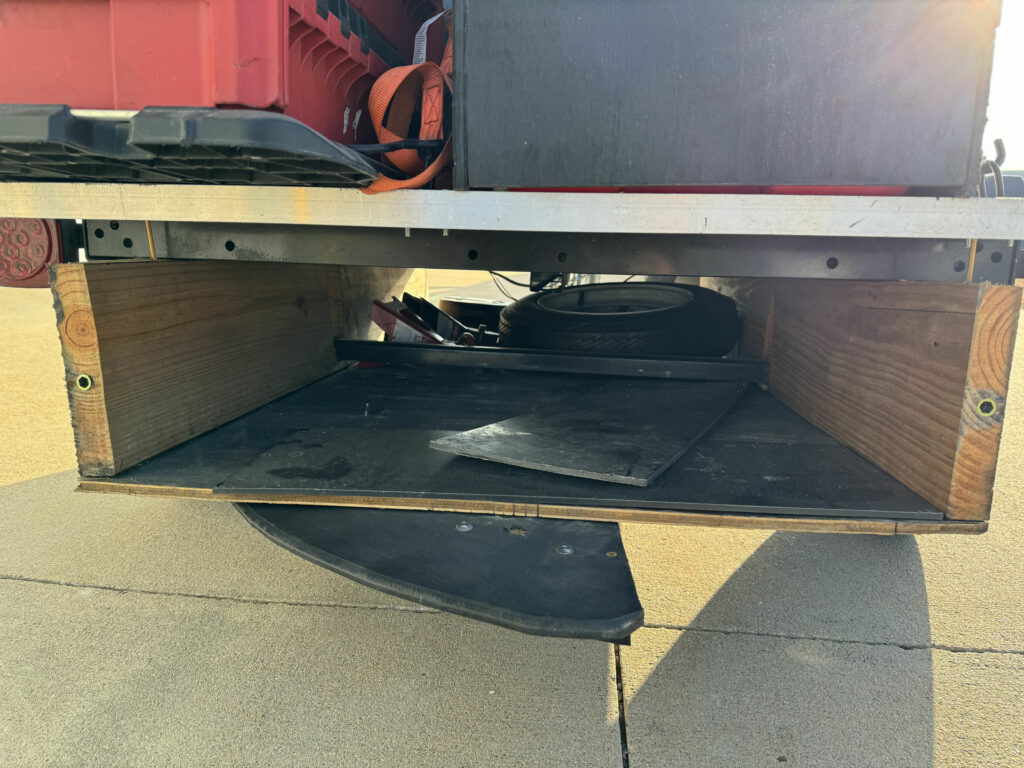
To further lower the center of gravity and increase capacity, some builders implement a "lower deck" or "basement" storage area. By mounting a secondary plywood shelf beneath the main frame—often utilizing 2×10 boards as spacers—drivers can store flat items like jack stands, canopy weights, or even a spare splitter for the car. This clever use of space ensures that the main deck remains organized for quick access during short breaks between track sessions.
Market Analysis and Industry Reactions
The niche market for tire trailers has not gone unnoticed by the automotive aftermarket. Companies like Leroy Engineering have moved to professionalize the space, offering trailers with "Paddock" designations that feature coilover suspensions and automotive-grade hubs.
Industry experts from organizations such as the Sports Car Club of America (SCCA) and the National Auto Sport Association (NASA) have noted that the use of tire trailers has lowered the barrier to entry for the "arrive and drive" enthusiast. By allowing a driver to bring their own spares, tools, and fuel, the tire trailer reduces the reliance on expensive support crews or the need to own a dedicated heavy-duty towing vehicle and a full-size flatbed trailer.
Furthermore, tire manufacturers have indirectly supported this trend by continuing to refine 200TW compounds that are increasingly sensitive to heat cycles. As these tires become more specialized and expensive, the economic argument for a tire trailer becomes more compelling. A $500 trailer build can easily pay for itself in a single season by extending the life of a $1,200 set of racing tires.

Broader Impact and Future Outlook
The tire trailer represents a unique intersection of DIY engineering and motorsport necessity. It serves as a bridge between the casual track-day participant and the dedicated racer. While the ultimate evolution for most enthusiasts is a dedicated truck and trailer combination, the tire trailer remains a highly efficient, low-cost solution for those who prefer the purity of driving their sports car to the event.
However, the future of the tire trailer may face challenges. The automotive industry’s shift toward electric vehicles (EVs) presents a new set of hurdles, as many performance EVs have limited or no rated towing capacity. Additionally, as active safety systems like lane-keep assist and automated emergency braking become standard, the integration of aftermarket hitches and trailers on performance cars will require more sophisticated electronic overrides.
Despite these potential obstacles, the tire trailer remains a staple of the paddock. Its ability to transform a subcompact roadster into a self-sufficient racing machine is a testament to the ingenuity of the grassroots racing community. For the enthusiast who values every tenth of a second on the track and every mile of longevity on the street, the tire trailer is not just an accessory—it is a piece of essential racing equipment.