Retno Hari Mulyono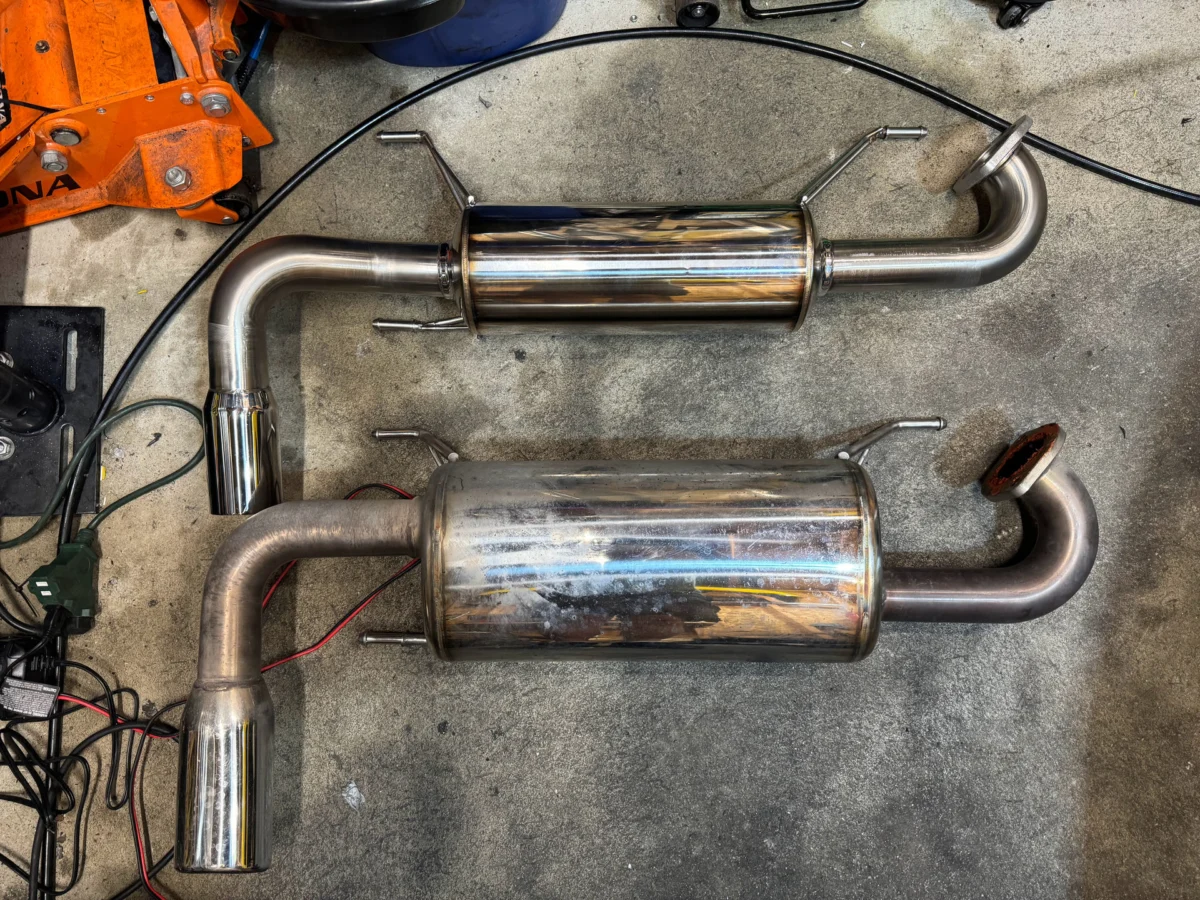
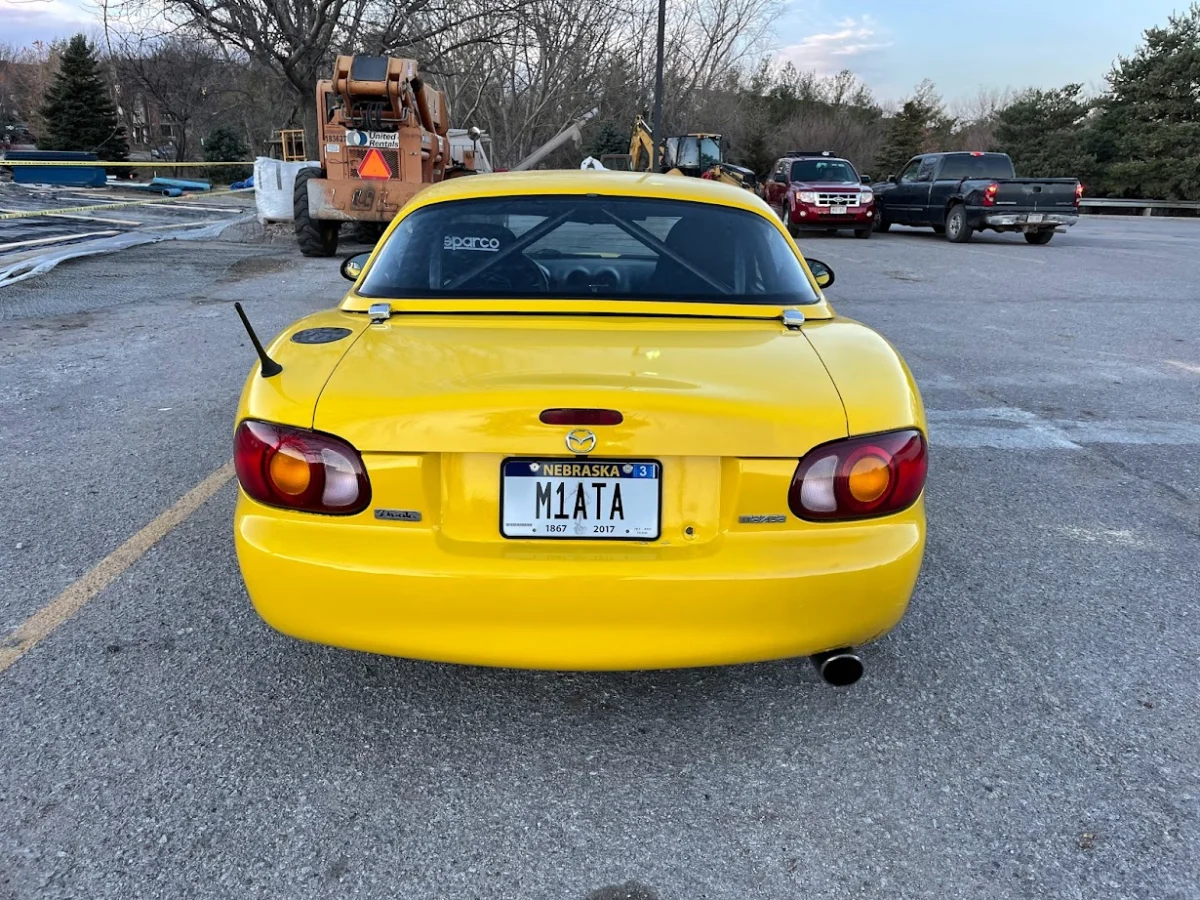
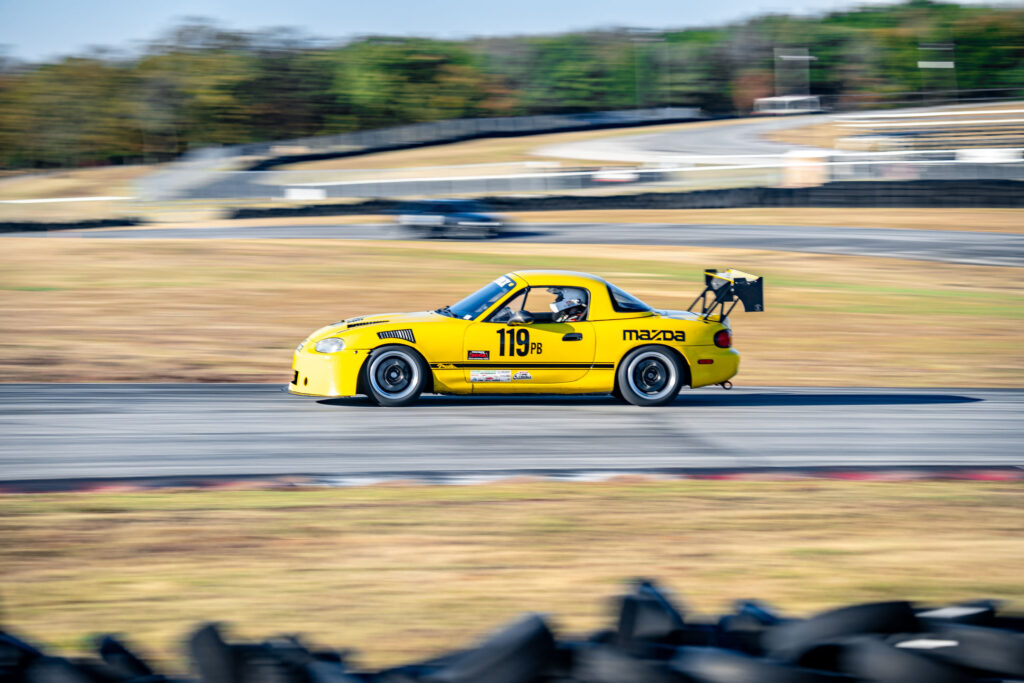
The second-generation Mazda Miata, internally designated as the NB, has long served as a benchmark for affordable, high-performance grassroots motorsports. Between March 2024 and February 2025, a specific NB chassis underwent an intensive year of mechanical refinement, logistical expansion, and competitive validation. This period, representing the fourth year of the vehicle’s dedicated track lifecycle, provides a detailed case study in the iterative nature of time-attack preparation and the technical challenges inherent in maximizing the potential of the 1.8-liter BP engine platform.
Technical Overhaul and Engine Synchronicity Challenges
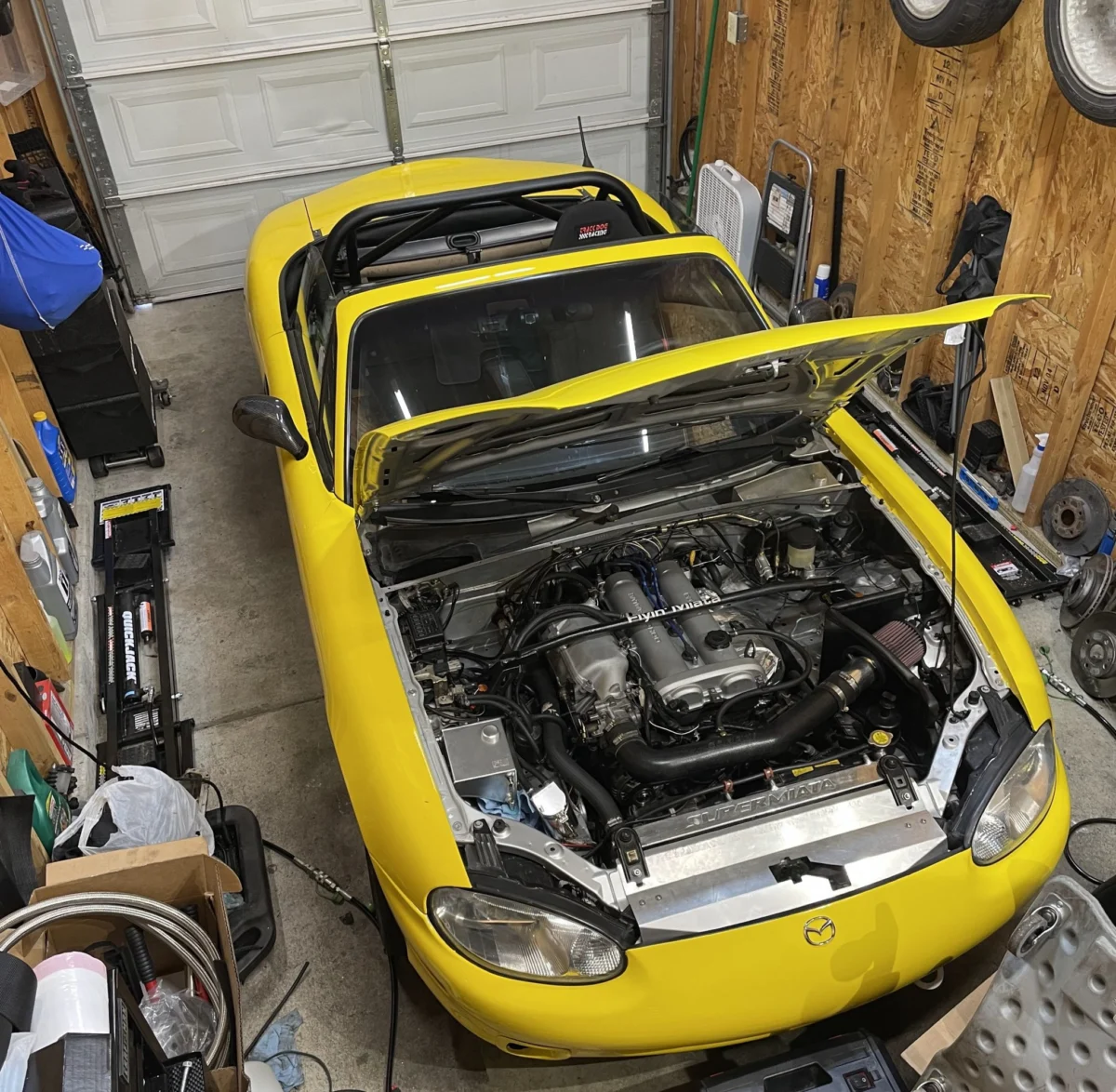
The developmental year began in March 2024 with a significant powertrain transition. The objective was to replace the factory-original BP4W engine with a rebuilt BP6D unit featuring Variable Valve Timing (VVT). The BP6D, sourced from 2001–2005 models, is a frequent upgrade for earlier NB1 chassis due to its improved mid-range torque and higher compression ratio.
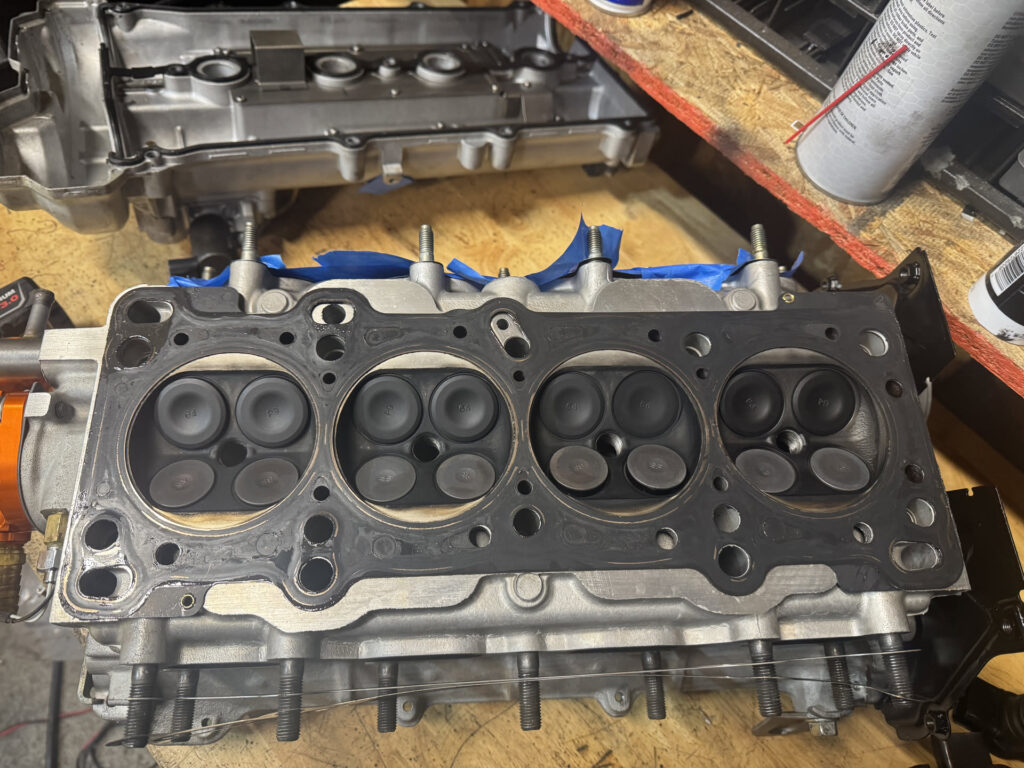
During the preparation phase, the project faced a "scope creep" scenario—a common phenomenon in performance engineering where minor inspections reveal the necessity for major overhauls. Initial testing indicated poor valve sealing, prompting a comprehensive cylinder head rebuild. The bottom end of the engine was subsequently treated to a DIY hone, utilizing new Original Equipment Manufacturer (OEM) rings paired with aftermarket pistons. To support the increased performance, a six-speed manual transmission was installed to replace the standard five-speed unit, offering tighter gear spacing conducive to maintaining high RPM on technical circuits.
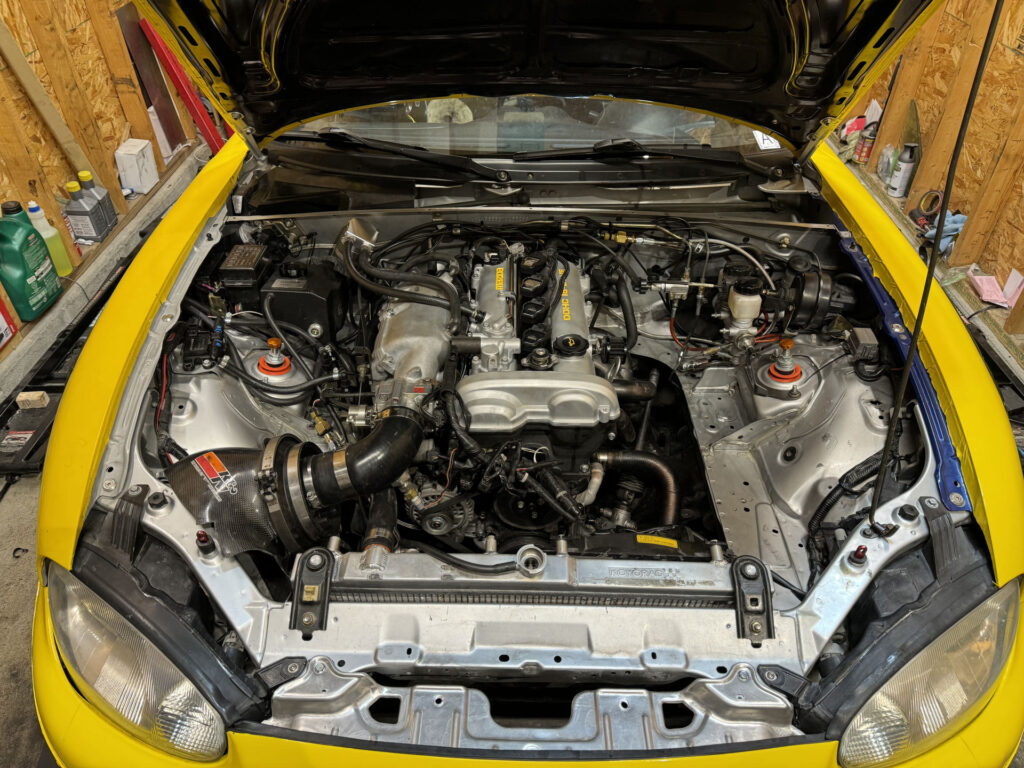
However, the transition was not without mechanical setbacks. Within the first month of operation, the cooling system experienced a critical failure during an autocross event. Sustained high-RPM operation generated excessive pressure, leading to a failed head gasket and the expulsion of a freeze plug. This failure highlights the thermal management sensitivities of the BP engine when pushed to its limit. Consequently, the original BP4W engine was reinstalled for the remainder of the competitive season, though the six-speed transmission remained to provide a mechanical advantage.
Advancements in Thermal Management and Braking Efficiency
In April 2024, the focus shifted toward braking endurance. The vehicle utilized a Supermiata BX11 brake kit, which, while offering superior clamping force, suffered from accelerated pad wear due to the relatively thin profile of the friction material. To mitigate this, a custom-engineered brake cooling duct system was implemented.
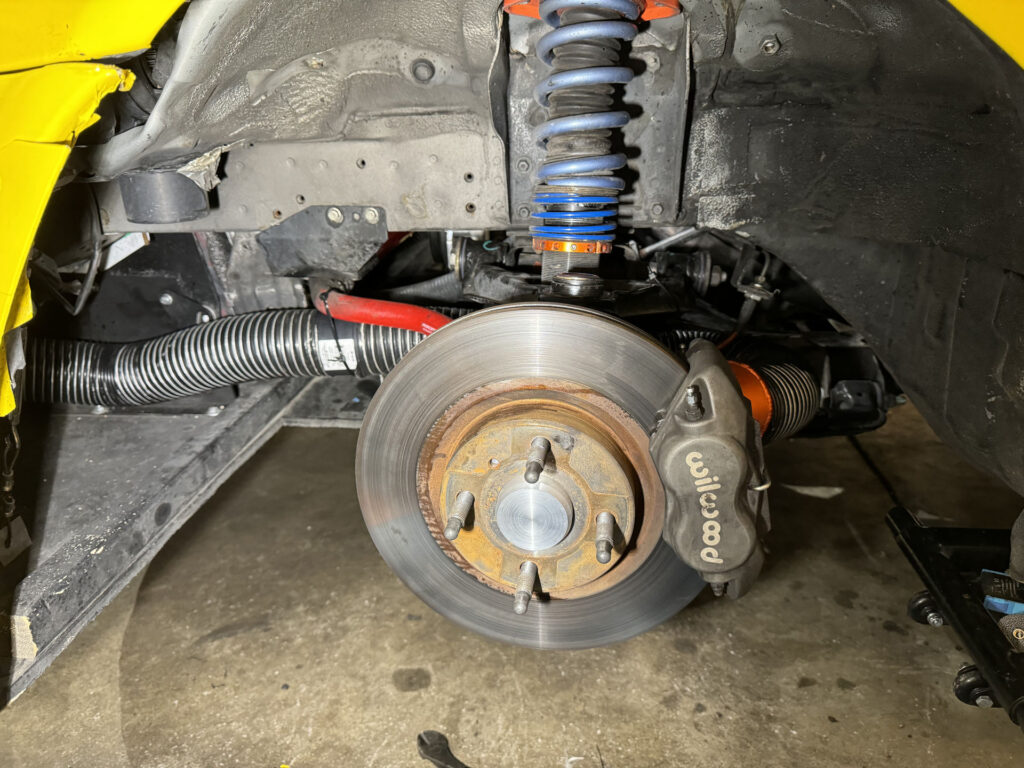
The installation utilized a modular hose design with center couplers. This configuration allows for the isolated replacement of damaged sections, a practical consideration for track-driven vehicles prone to debris impact. Empirical data collected following the installation suggested that the integration of dedicated cooling ducts approximately doubled the lifespan of the brake pads. This modification underscores the critical role of airflow in managing the kinetic-to-thermal energy conversion during high-speed deceleration.
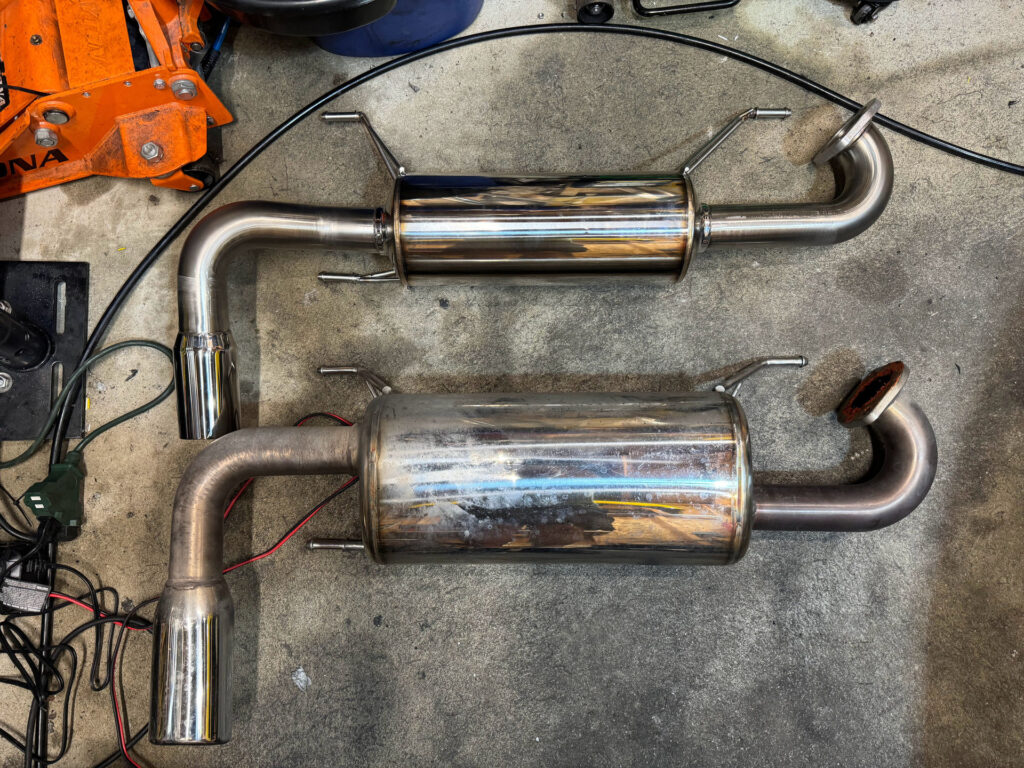
The pursuit of efficiency continued in May with an exhaust system revision. A Racing Beat Power Pulse muffler was replaced with a Racing Beat Race Muffler to achieve a marginal reduction in curb weight and a more aggressive acoustic profile. The final exhaust configuration—comprising a Raceland header, a Racing Beat resonated mid-pipe, and the race muffler—was designed to balance performance gains with the strict decibel limits enforced at various North American racing venues.
Competitive Performance and Lap Time Analysis
The 2024 season saw the vehicle participate in 16 track days, totaling 12.1 hours of high-speed operation. Data collected via a Garmin Catalyst performance optimizer provided a granular view of the vehicle’s evolution across several key circuits.
Ozarks International Raceway (June 2024)
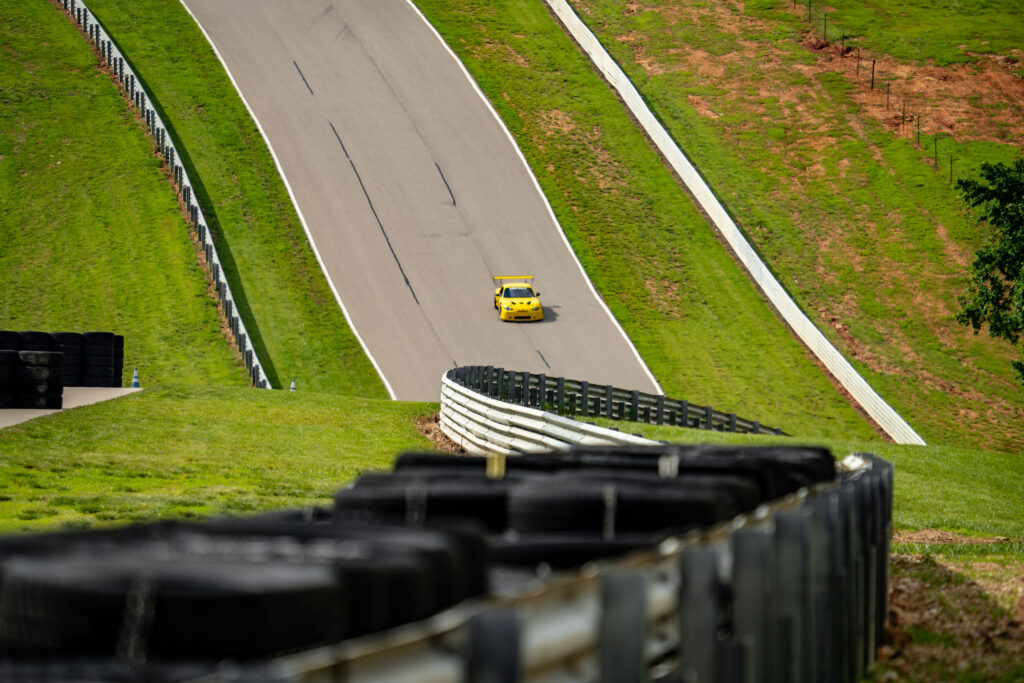
Ozarks International Raceway is noted for its extreme elevation changes and technical complexity. The June session focused on acclimation to the track’s 19 turns. While specific lap times were not disclosed for this session, the driver noted a significant increase in pace compared to the previous year, attributing the gains to improved familiarity with the circuit’s blind apexes and off-camber transitions.
High Plains Raceway (July 2024)
The July outing involved a 900-mile round-trip logistics test. This event marked the first major deployment of a dedicated towing rig—a converted truck—to transport the Miata. While the vehicle experienced minor ignition issues due to oil-fouled spark plugs, the session validated the transition from driving the race car to the track to a more professionalized trailering approach.
Motorsports Park Hastings (August 2024)
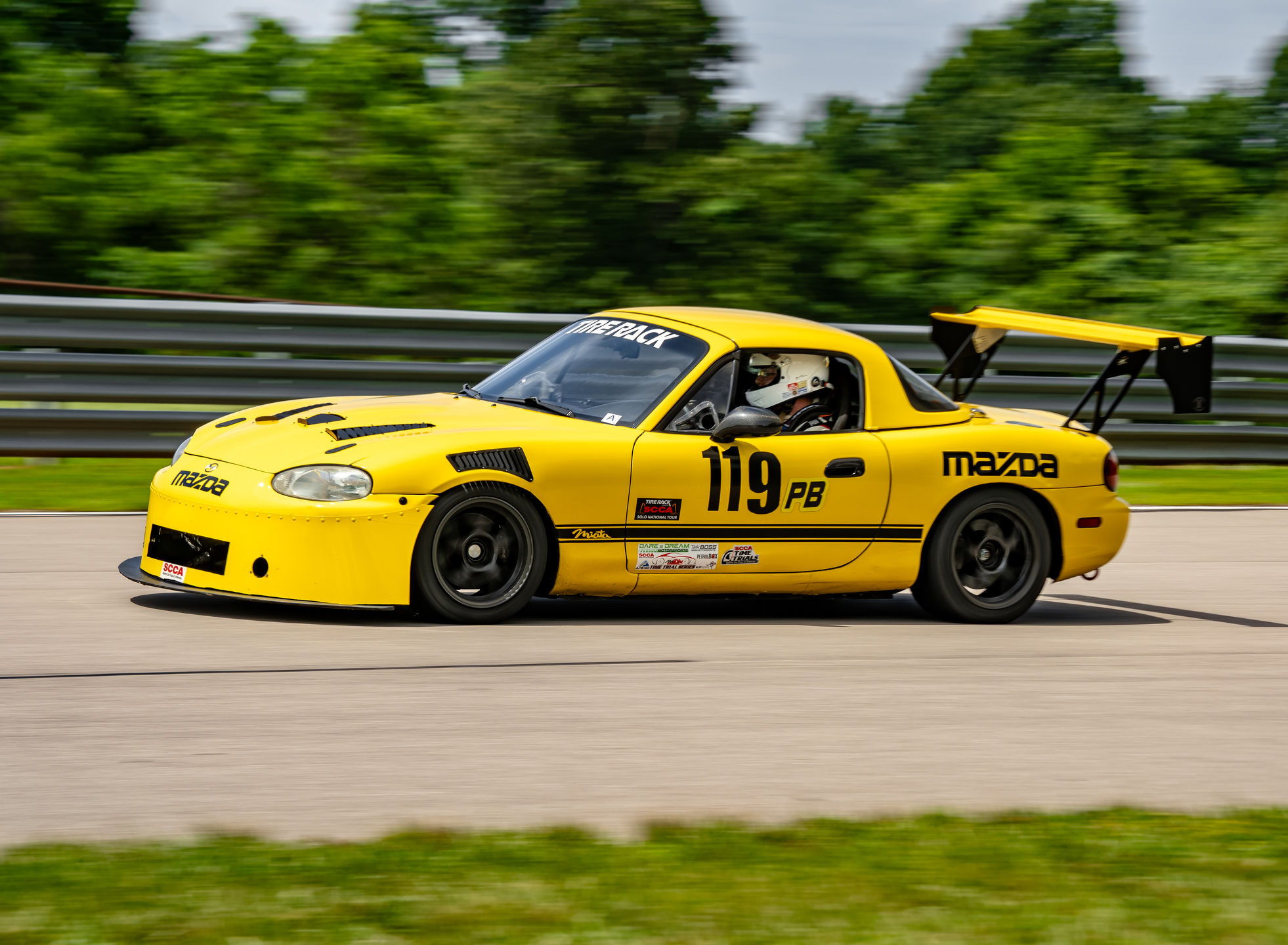
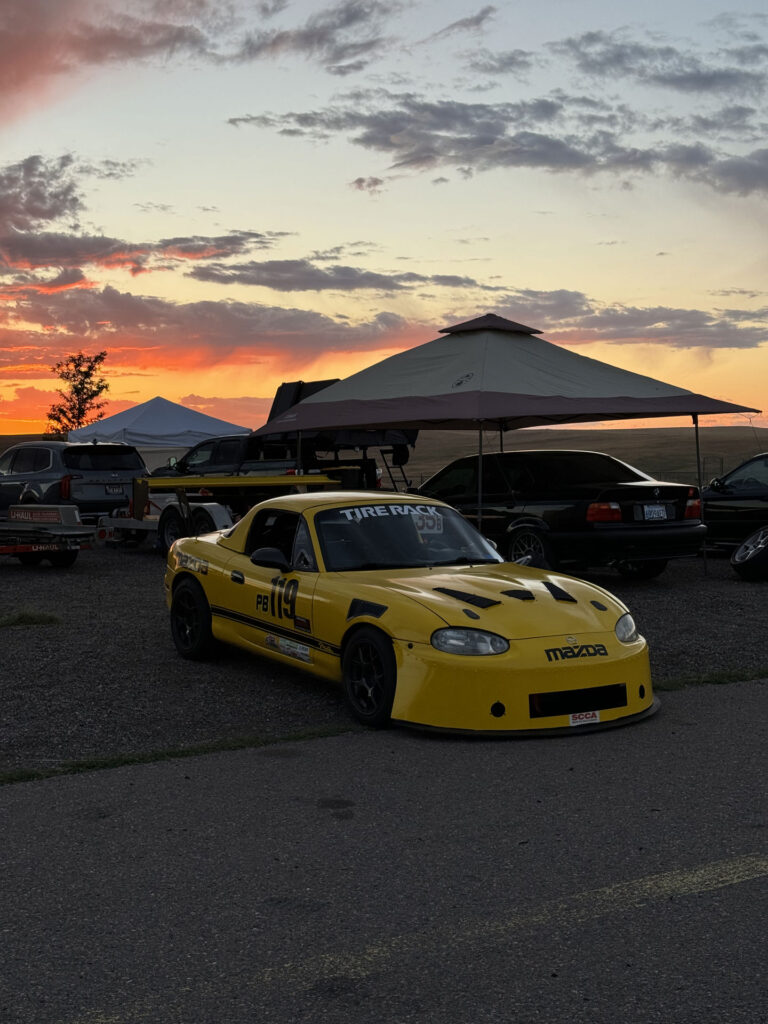
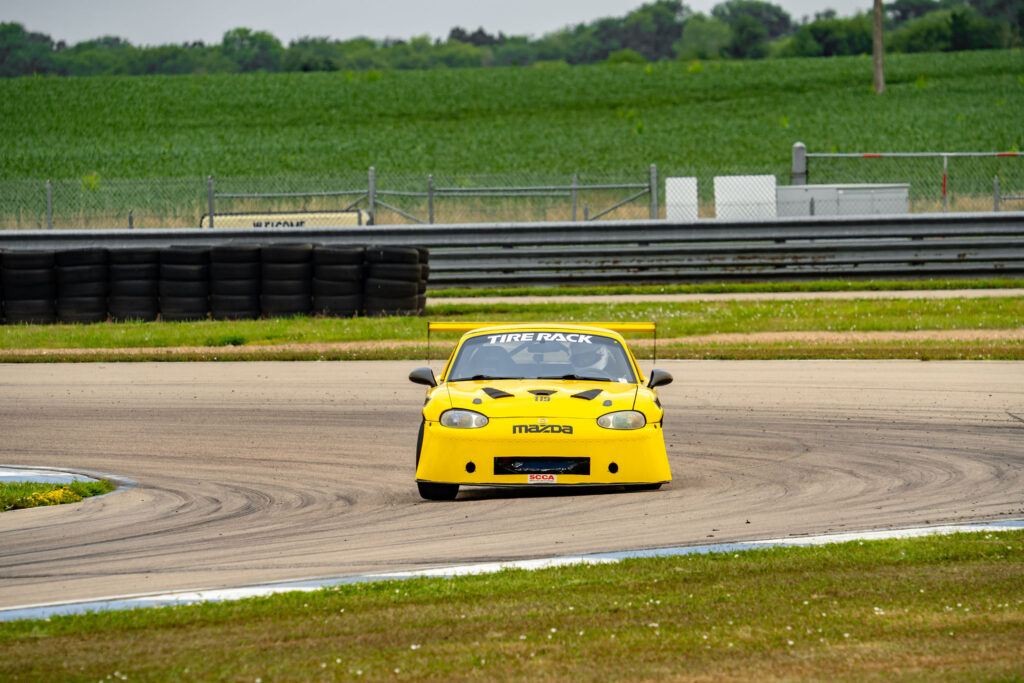
The SCCA Time Trials at Motorsports Park Hastings served as a primary performance benchmark. The vehicle demonstrated exceptional competitiveness, leading every session in its assigned class. The fastest recorded lap of 1:39.19 represented a 3.59-second improvement over the 2023 season.
To put this performance into perspective, a comparison with National Auto Sport Association (NASA) records is revealing:
- NASA Spec Miata Track Record: 1:40.415 (The vehicle outperformed this benchmark by over one second).
- NASA TT6 Track Record: 1:39.625 (The vehicle was faster than the current Time Trial 6 record).
- NASA TT5 Track Record: 1:34.110 (The vehicle remains approximately five seconds off the pace of the higher-tier TT5 class).
This data suggests that the current build occupies a "tweener" space—superior to Spec Miata and TT6 builds, but requiring further power-to-weight optimization to challenge TT5 leaders.
Logistical Infrastructure and Custom Fabrication
As the season progressed, the focus expanded beyond the vehicle itself to the supporting infrastructure required for multi-day endurance events. In September and October 2024, a truck-based camping and transport system was developed to replace traditional tent-based paddock setups.
The "track-day camper" build included:
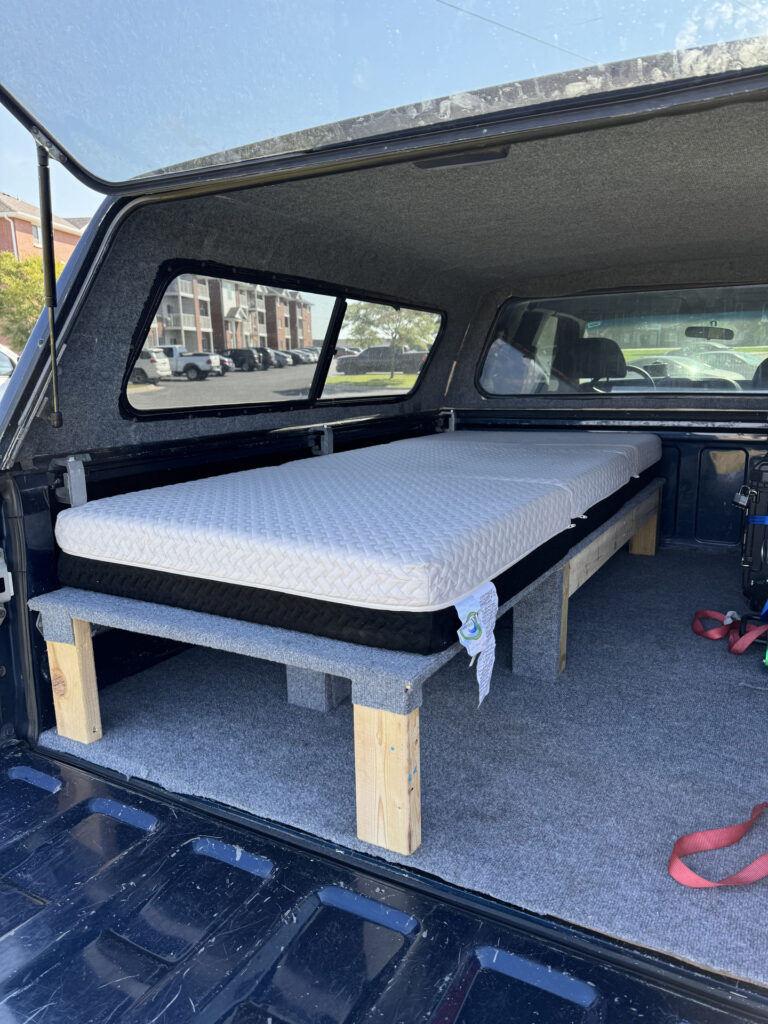
- Sleeping Platform: A custom-built, foldable memory foam mattress system integrated into the truck bed.
- Climate and Power: A MaxxFan Deluxe RV roof vent and roof-mounted solar panels to maintain battery charge for auxiliary electronics.
- Transport: The acquisition and modification of an 18-foot open car hauler.
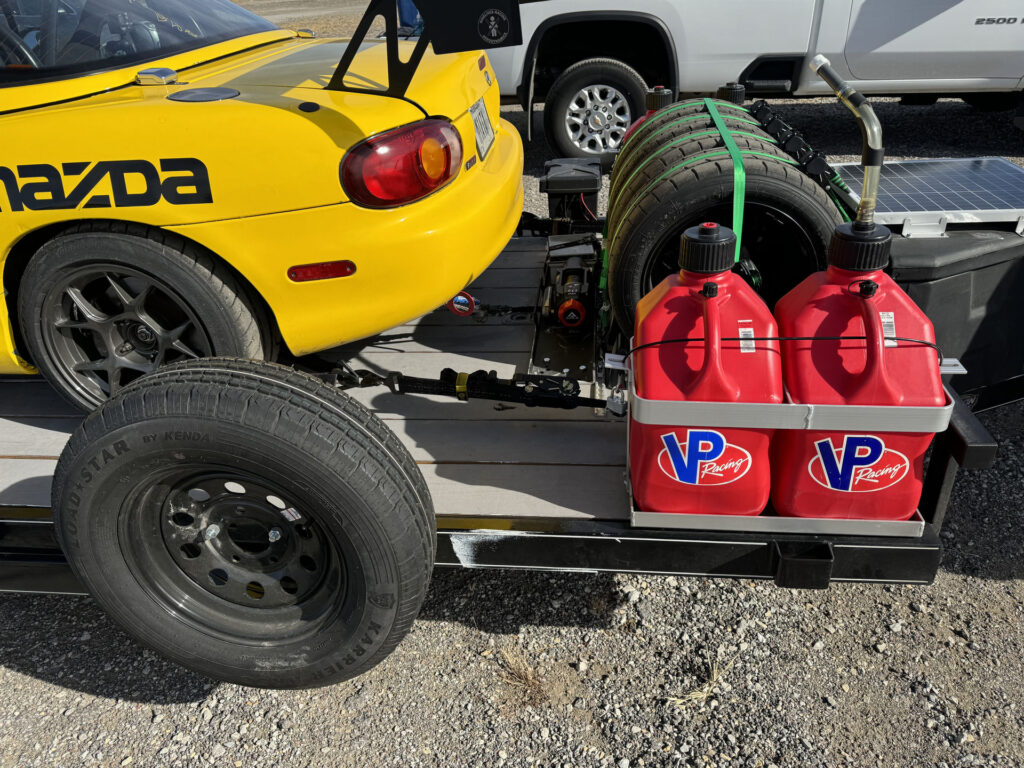
The trailer underwent significant customization to accommodate the low ground clearance of the Miata. Key modifications included the installation of a 12,000-lb winch, a custom-fabricated tire rack, a tongue-mounted toolbox, and a Mac’s Tie Downs system. A notable engineering challenge involved the trailer’s dovetail angle; despite the use of ramps, the vehicle’s front splitter required removal to prevent scraping during loading, highlighting the persistent conflict between aerodynamic ground effects and transport logistics.
Late Season Refinement and Communication Systems
The final competitive event of 2024 took place at Hallett Motor Racing Circuit in November. The SCCA Time Trials format utilized bi-directional racing, requiring the vehicle to perform in both clockwise and counter-clockwise configurations within a single day. Despite tire degradation and rear-wheel lockup issues leading to flat-spotting, the vehicle recorded improved times in both directions compared to the 2023 baseline.
Following the conclusion of the season, December was dedicated to a forensic teardown of the failed VVT motor. Inspection revealed minor head surface imperfections and uneven wear on the cylinder hones. This analysis led to a strategic decision to maintain the reliable BP4W engine for the early 2025 season while a secondary block undergoes professional machining and decking.
The final phase of the year focused on interior and electronic upgrades. In January 2025, a Skunk2 intake manifold was installed to replace the existing "Squaretop" manifold. While the Squaretop is a recognized performance upgrade, the Skunk2 unit is projected to provide a 1–4 wheel horsepower increase at the top of the power band (above 7,000 RPM), where track-focused engines spend the majority of their operational life.
In February 2025, a GMRS-based communication system was integrated. Utilizing a Baofeng UV-5R radio hardwired to a 12V power source and a steering-wheel-mounted Push-to-Talk (PTT) button, the system allows for real-time data exchange between the driver and the pit crew. This addition addresses a critical gap in competitive strategy, allowing the driver to adjust their aggression based on live timing and scoring updates.
Broader Impact and Year-End Summary
The fourth year of this NB Miata’s development cycle illustrates the high level of technical proficiency required to maintain a competitive edge in grassroots time trials. The cumulative data of 1,023 lifetime laps (34.6 hours) recorded by the Garmin Catalyst provides a robust foundation for future performance modeling.
The transition away from autocross—citing the low "driving-to-wait" ratio—reflects a broader trend among enthusiasts toward dedicated track days and time-attack formats. By the end of February 2025, the vehicle had evolved from a modified street car into a specialized racing instrument, supported by a bespoke logistical ecosystem.
As the 2025 season approaches, the focus remains on incremental gains. The integration of the Skunk2 manifold and the eventual return of a professionally built VVT engine suggest that the performance ceiling for this chassis has yet to be reached. In the competitive landscape of SCCA and NASA events, this project serves as a testament to the enduring viability of the Mazda NB platform when backed by rigorous data analysis and disciplined mechanical evolution.