Chalid Lutfie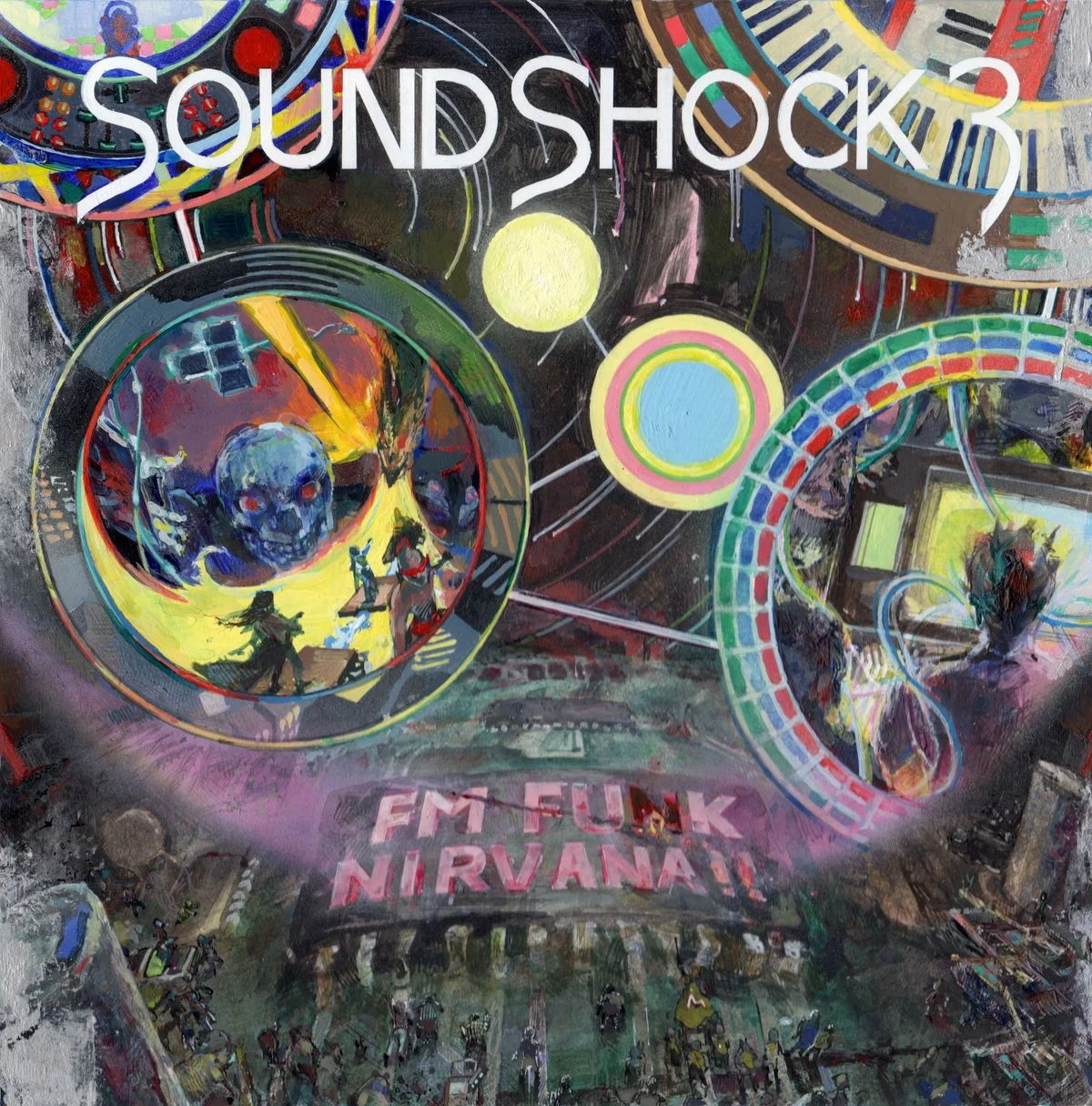
The release of SOUNDSHOCK 3: FM FUNK NIRVANA!! marks a significant milestone in the evolution of the chiptune and FM synthesis music scenes, culminating a decade-long effort to bridge the gap between Western digital subcultures and Japanese video game composition. Originally conceived in 2010, the SOUNDSHOCK series has transitioned from a niche compilation project into a definitive platform for modern FM (Frequency Modulation) synthesis, bringing together a diverse array of international talent. The project, spearheaded by the creative director known as zinger in collaboration with the independent record label Ubiktune, represents a formal effort to document and expand upon the aesthetic legacy of 16-bit era hardware.
The origins of the project can be traced back to a 2010 proposal from C-jeff, the founder of Ubiktune, who initially approached zinger regarding the production of a solo album. However, the vision for the project shifted toward a broader, collaborative effort that would capture the essence of the FM synthesis era. This shift led to the creation of the SOUNDSHOCK series, a project dedicated to exploring the sonic possibilities of vintage sound chips, such as the Yamaha YM2612 found in the Sega Mega Drive and the YM2203 and YM2608 chips common in Japanese PC architecture.
The Historical and Technological Foundations of FM Synthesis
To understand the significance of the SOUNDSHOCK series, one must examine the technological landscape of the late 1980s and early 1990s. During this period, FM synthesis became the dominant method for producing audio in arcade cabinets and home consoles. Unlike the programmable sound generators (PSG) of the 8-bit era, which relied on simple square and triangle waves, FM synthesis allowed for complex, multi-layered timbres that could approximate the sounds of slap bass, brass, and percussion.
For the creators of SOUNDSHOCK, the inspiration for the series was rooted in the iconic soundtracks of the Sega Mega Drive/Genesis, specifically titles such as Golden Axe II and Sonic the Hedgehog. These games utilized the Yamaha YM2612 to create a gritty, metallic, and "funky" sound that defined the 16-bit generation. In Japan, a parallel development occurred with the NEC PC-8801 and PC-9801 series of computers, which featured sophisticated FM audio hardware. This technological overlap created two distinct but related musical cultures: the Western "demoscene" and the Japanese video game music (VGM) industry.
The SOUNDSHOCK series serves as a bridge between these two worlds. While Western composers were often working within the constraints of trackers and demo-scene subcultures—producing complex, rhythmic compositions for the Commodore 64 or Amiga—Japanese composers were perfecting the art of cinematic and melodic FM arrangements for arcade and home computer markets. By bringing these groups together, the SOUNDSHOCK project has facilitated a cross-cultural exchange that was previously limited by language barriers and geographical distance.
Chronology of Development: 2010 to the Present
The development of the SOUNDSHOCK series followed a structured progression that mirrored the growing sophistication of the global chiptune community.
- The Conceptual Phase (2010): Following the initial discussions between zinger and C-jeff, the project moved from a solo endeavor to a curated compilation. The goal was to assemble a roster of artists who shared a technical proficiency in FM synthesis and a deep-seated appreciation for the aesthetics of the late 80s and early 90s.
- The Establishment of the Network: Over the next several years, the project team began recruiting key figures from both the Western and Japanese scenes. This involved establishing connections with veteran Japanese composers such as Keishi Yonao, known for his work on titles like Asuka 120% Burning Fest and Night Slave, and Haruhisa "hally" Tanaka, a prominent researcher and musician in the Japanese chiptune scene.
- The Launch of SOUNDSHOCK 1 and 2: These initial volumes established the brand’s identity, focusing on high-energy, technically demanding tracks that utilized authentic FM hardware or high-fidelity emulations. The success of these albums solidified Ubiktune’s reputation as a premier label for chiptune and vintage-inspired audio.
- The Culmination with SOUNDSHOCK 3: The third installment, subtitled "FM FUNK NIRVANA!!", represents the most ambitious entry in the series. It features an expanded roster of contributors and a focus on the "funk" elements of FM synthesis, a genre-specific approach that highlights the percussive and rhythmic strengths of the Yamaha sound chips.
Cultural Convergence and the Role of the Demoscene
A central theme in the production of SOUNDSHOCK is the unification of disparate creative communities. The demoscene—a computer art subculture focused on producing self-contained programs that generate real-time audio and visuals—provided many of the Western contributors for the series. Artists such as zabutom and Metal brought a technical, "tracker-based" sensibility to the project, characterized by intricate modulation and high-speed arpeggios.
Conversely, the Japanese contributors brought a legacy of melodic composition rooted in the "Game Center" (arcade) culture and the domestic computer market. The project directors noted that during early meetings between Western and Japanese artists, communication was often facilitated not by language, but by a shared vocabulary of game titles and composer names. Figures like Ryu Takami and hex125 were instrumental in integrating the Japanese contingent into the project.
This convergence is perhaps best exemplified by the presence of Keishi Yonao on the same tracklist as Western demoscene veterans. Yonao has noted in past discussions that Japanese composers often looked toward Western computer culture with the same sense of fascination that Westerners held for Japanese arcade hardware. The SOUNDSHOCK series effectively closes this loop, allowing artists from both backgrounds to contribute to a singular aesthetic vision.
Technical Analysis of SOUNDSHOCK 3: FM FUNK NIRVANA!!
The third volume in the series places a specific emphasis on the "funk" aspect of FM synthesis. This is a deliberate stylistic choice, as the percussive "slap" sounds of FM synthesis are among its most recognizable characteristics. The production of the album involved rigorous quality control to ensure that the tracks maintained the "crunchy" and "metallic" qualities associated with 16-bit hardware.
The contributors utilized a variety of tools to achieve this sound, ranging from traditional trackers like DefleMask and BambooTracker to modern digital audio workstations (DAWs) equipped with FM synthesis plugins such as FM8 or GenMDM (a hardware interface for the Sega Mega Drive). The inclusion of artists like shogun, Utabi, and MmcM ensures a diverse range of interpretations of the FM funk theme, from high-tempo arcade-style tracks to more atmospheric, groove-oriented compositions.
The involvement of Tsuyoshi Shimokura, Megus, Rufus Blacklock, and others in the production and visual design of the series further underscores the professional nature of the project. The visual identity of SOUNDSHOCK often incorporates "pixel art" and hardware-inspired imagery, reinforcing the connection between the music and the physical machines that originally produced it.
Broader Impact and Industry Implications
The SOUNDSHOCK series has had a measurable impact on the independent music industry and the broader "retrogaming" movement. By providing a platform for both legendary Japanese composers and modern Western enthusiasts, the project has helped to elevate chiptune from a niche hobby to a recognized form of contemporary electronic music.
- Preservation of Digital Artistry: The series serves as a living archive of FM synthesis techniques. As vintage hardware becomes increasingly rare, projects like SOUNDSHOCK ensure that the specific creative constraints and sonic signatures of the 16-bit era are preserved and evolved by new generations of musicians.
- Economic Viability for Niche Genres: Through the support of Ubiktune, the SOUNDSHOCK series has demonstrated that there is a viable global market for specialized audio compilations. This has encouraged other independent labels to pursue similar curated projects, fostering a more robust ecosystem for chiptune artists.
- Cross-Industry Collaboration: The success of SOUNDSHOCK has facilitated further collaborations between independent musicians and the mainstream gaming industry. Many of the artists featured in the series have gone on to compose soundtracks for modern "retro-style" indie games, bringing the FM synthesis sound to a new audience of players.
Conclusion and Future Outlook
SOUNDSHOCK 3: FM FUNK NIRVANA!! represents the fulfillment of a vision that began with a childhood obsession with the Sega Mega Drive. Through the efforts of zinger, C-jeff, hally, and a global network of composers, the series has successfully navigated the complexities of international collaboration to create a definitive statement on the state of FM synthesis today.
The project stands as a testament to the power of shared cultural interests to transcend linguistic and geographic barriers. By honoring the pioneers of the Japanese game music scene while embracing the technical innovations of the Western demoscene, SOUNDSHOCK has created a unique space where the past and future of digital music coexist. As the series reaches its current peak with the release of the third volume, the influence of its "FM Funk" aesthetic is likely to resonate within the electronic music community for years to come. The collective effort of the composers, designers, and organizers involved has not only resulted in a successful trilogy of albums but has also strengthened the sense of community among those dedicated to the art of the chip.