Chalid Lutfie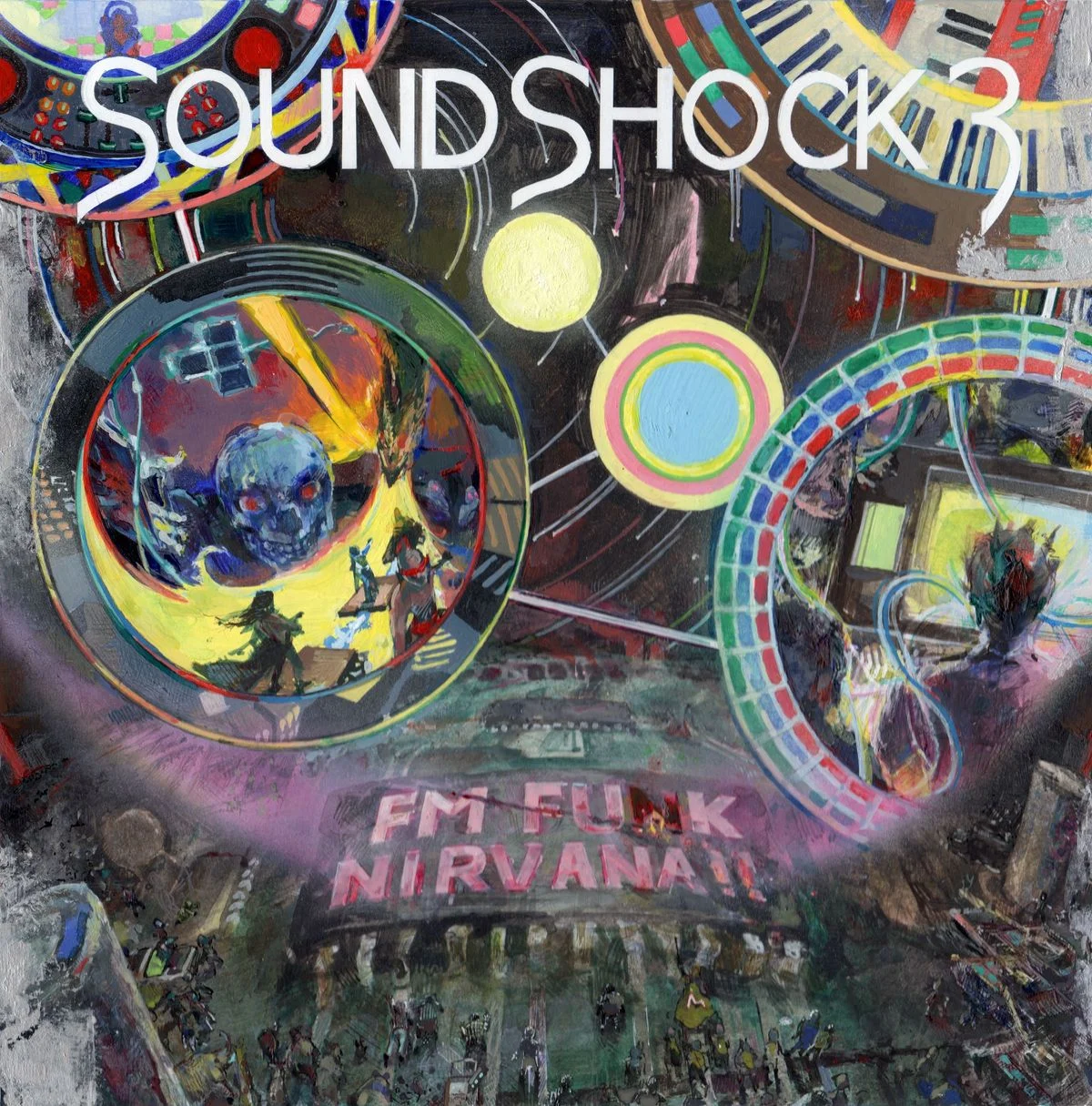
The evolution of the SOUNDSHOCK series represents a pivotal moment in the history of the global chiptune and FM synthesis movements, marking a decade of cultural exchange between Western and Japanese digital musicians. Originally conceived in 2010, the project emerged through a strategic partnership between the creative lead known as zinger and the established digital music label Ubiktune. What began as a proposal for a solo artist release transitioned into a massive collaborative effort that sought to bridge the gap between the European demoscene and the Japanese video game music (VGM) industry. This initiative culminated in the release of SOUNDSHOCK 3: FM FUNK NIRVANA!!, an album that serves as both a technical showcase of frequency modulation (FM) synthesis and a testament to the community-building power of niche digital aesthetics.
The Inception of a Digital Movement
In 2010, Dmitry "C-jeff" Zhemkov, the founder of the Ubiktune label, approached the artist and organizer zinger with the intent of producing a solo album. However, the proposal was countered with a more ambitious vision: a compilation project that would synthesize various strands of hardware-based music into a unified series. This shift from a singular artist focus to a curated compilation was driven by a desire to explore the depths of FM synthesis, a technology that defined the auditory landscape of the 1980s and early 1990s.
The conceptual roots of the series are tied to the 16-bit console era, specifically the Sega Mega Drive (Genesis) and its reliance on the Yamaha YM2612 sound chip. Titles such as Golden Axe II and Sonic the Hedgehog are cited as primary inspirations for the project’s sonic direction. These early experiences led the project’s organizers into the tracker and demoscene—a subculture focused on pushing the technical limits of computer hardware to produce complex audiovisual art. By the mid-2000s, this interest had expanded into a rigorous study of obscure Japanese computer systems, arcade hardware, and professional FM synthesizers, setting the stage for the international collaboration that would define SOUNDSHOCK.
A Chronology of Cultural Exchange
The development of the SOUNDSHOCK series follows a clear timeline of increasing complexity and international cooperation. For over 15 years, the architects of the project immersed themselves in the aesthetics of video game culture, eventually transitioning from consumers to active participants in the global chip music scene.
In the early stages of the project, communication between Western organizers and Japanese composers was often hindered by language barriers. During initial meetings with figures such as Ryu Takami and hex125, the primary mode of communication was the exchange of composer names and game titles. This shared "lexicon of aesthetics" allowed for the formation of a professional network despite linguistic differences. This period of the mid-to-late 2000s was crucial for establishing the trust necessary to bring high-profile Japanese industry veterans into a Western-led netlabel project.
By the time the third installment, FM FUNK NIRVANA!!, was in development, the project had successfully integrated legendary figures from the Japanese scene with prominent Western demoscene artists. The realization that Japanese composers like Keishi Yonao had harbored a similar fascination with Western computer cultures (such as the Commodore 64 and Amiga) as Westerners had for Japanese systems (such as the NEC PC-88 and Sharp X68000) provided the ideological foundation for the series.
Technical Specifications and the FM Synthesis Renaissance
At the core of the SOUNDSHOCK series is a dedication to Frequency Modulation (FM) synthesis. Unlike the subtractive synthesis common in many analog synthesizers, FM synthesis—popularized by the Yamaha DX series and various sound chips in arcade boards—is known for its ability to produce sharp, metallic, and "funky" percussive sounds.
The technical focus of SOUNDSHOCK 3: FM FUNK NIRVANA!! is specifically the intersection of this technology with funk and soul sensibilities. The contributors utilized a variety of hardware and software emulations, including:
- Yamaha YM2612: The six-channel FM synthesizer chip used in the Sega Mega Drive, known for its "gritty" digital distortion and iconic slap-bass sounds.
- Yamaha YM2151: An eight-channel chip found in many 1980s arcade cabinets and the Sharp X68000 home computer, capable of more complex timbres.
- The Tracker Interface: Many contributors utilized modern trackers such as DefleMask or legacy software like PMD (Professional Music Driver) to ensure the music remained authentic to the limitations of the original hardware.
Industry analysts suggest that the resurgence of interest in FM synthesis during the 2010s was largely driven by projects like SOUNDSHOCK, which moved the genre away from simple "8-bit" nostalgia toward a more sophisticated appreciation of late-80s digital engineering.
Collaborative Ecosystem and Key Participants
The success of the series is attributed to a diverse roster of talent that spans continents. The project organizers have highlighted the contributions of several key figures who facilitated the cross-cultural dialogue:
- hally (Haruhisa Tanaka): A Japanese chip music historian and musician who served as a vital link between the Western organizers and the Japanese community. His knowledge of both the demoscene and the Japanese game industry was instrumental in recruiting talent.
- C-jeff: As the head of Ubiktune, he provided the infrastructure and distribution platform necessary for the project to reach a global audience.
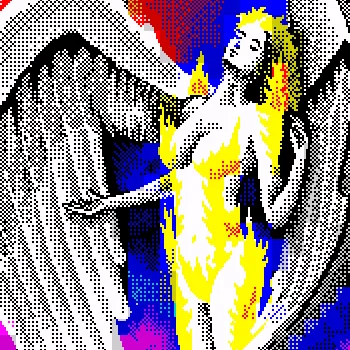
- Visual Artists: The aesthetic presentation of the series, led by Rufus Blacklock and Tsuyoshi Shimokura, was designed to evoke the specific visual language of 1990s Japanese computer manuals and arcade flyers, reinforcing the thematic cohesion of the music.
The tracklists for the series represent a unique convergence of styles. Artists such as shogun and Utabi (representing the Japanese avant-garde and game music scenes) appear alongside Western mainstays like zabutom, Metal, MmcM, and Megus. This blend of the demoscene’s technical virtuosity with the melodic sensibilities of Japanese VGM created a new sub-genre often referred to as "FM Funk."
Broader Impact and Industry Implications
The SOUNDSHOCK series has had a measurable impact on the independent music industry and the preservation of digital culture. By documenting and utilizing legacy hardware, the project contributes to a form of "living archaeology," where obsolete technology is kept relevant through new creative output.
From a journalistic perspective, the series illustrates three major trends in the 21st-century music landscape:
1. The Rise of the Netlabel Model
Ubiktune and the SOUNDSHOCK project demonstrate the efficacy of the netlabel (internet-based label) model. By bypassing traditional distribution channels, these entities can cater to highly specialized global niches, proving that "hyper-local" aesthetics can find a substantial international audience through digital curation.
2. Transnational Fandom and Cooperation
The project serves as a case study in how shared technological interests can overcome cultural and linguistic barriers. The "mutual fascination" between Japanese and Western composers regarding each other’s hardware history highlights a globalized digital heritage that transcends national borders.
3. High-Fidelity Nostalgia
The shift from 8-bit (NES/Game Boy) aesthetics to 16-bit FM synthesis indicates a maturing of the "retro" music market. Listeners and creators are increasingly seeking the complex, professional-grade sounds of the late 80s and early 90s, moving beyond simple chiptune tropes into the realm of high-fidelity digital synthesis and sophisticated composition.
Conclusion and Future Outlook
SOUNDSHOCK 3: FM FUNK NIRVANA!! stands as the definitive realization of a vision first articulated in 2010. Through the persistent efforts of zinger, C-jeff, and the global network of FM enthusiasts, the series has successfully cultivated a space where the demoscene and the video game industry meet.
As digital music continues to evolve, the lessons learned from the SOUNDSHOCK project—regarding the importance of community, the preservation of hardware-specific sounds, and the power of international collaboration—remain highly relevant. The series not only provides an "endless amount of joy" to its creators and listeners but also sets a benchmark for how niche subcultures can organize, produce, and celebrate their unique artistic identities on a global stage. The continued support for such projects suggests that the fascination with FM synthesis and the worlds it created is far from waning; rather, it is being refined for a new generation of digital explorers.