 Ganda Hendra Perkasa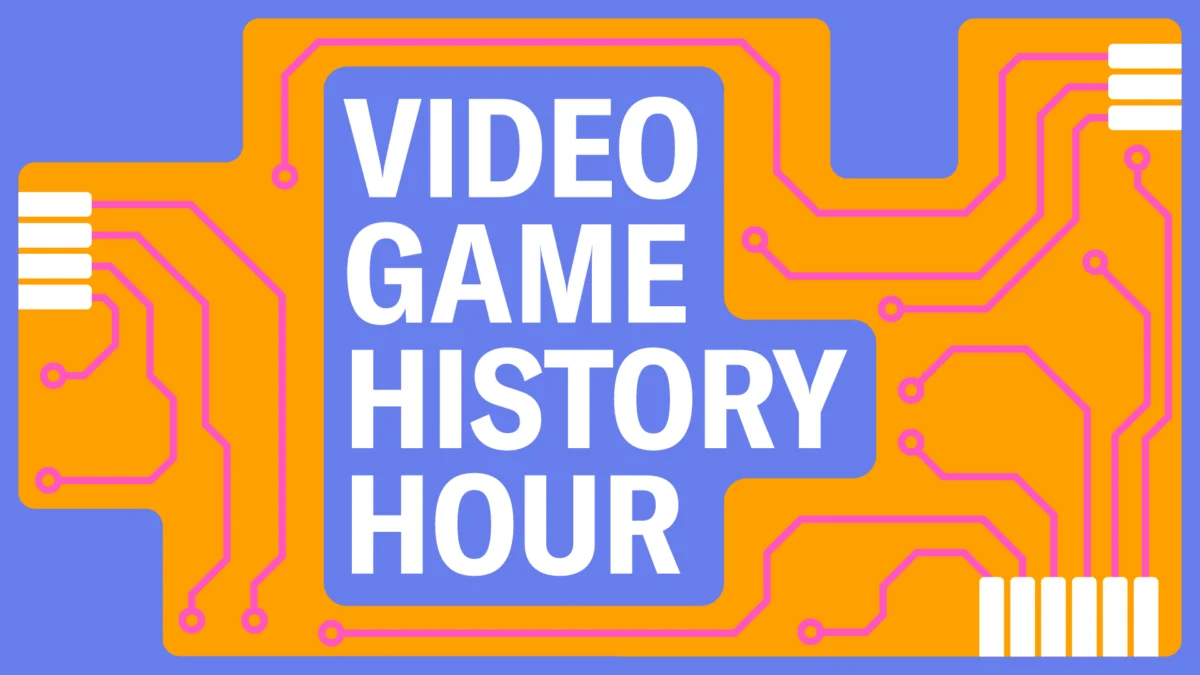
The modern landscape of interactive entertainment is defined less by silicon, graphics cards, and processing power, and more by legalese, digital storefronts, and end-user license agreements. As the medium has transitioned from physical media like cartridges and optical discs to cloud-based streaming and digital storefront downloads, the fundamental question of ownership has undergone a seismic shift. Players no longer buy games; increasingly, they buy revocable licenses to access software.
To unpack this complex intersection of law, technology, and cultural preservation, the latest episode of the Video Game History Hour tackles the subject head-on. Host Phil Salvador sits down with legal scholar and author Amy Thomas to discuss her authoritative new book, Copyright, Contract, and Video Games: Terms of Play. The conversation provides listeners with a deep dive into how digital rights have evolved over the decades, the looming threats facing game preservationists, and the historical precedents that shaped the modern software agreement.
Roots of the EULA: From Pitfall II to Modern Licensing
The modern gamer is conditioned to scroll past walls of legal text and click "Accept" without a second thought. However, this ritual of legally binding oneself to a software publisher’s terms is not a recent invention born of the broadband era. During the episode, Thomas traces the fascinating history of the End-User License Agreement back to its surprising origins.
While researching the genealogy of software restrictions, Thomas uncovered what may be the earliest recorded video game EULA, dating back to 1985 for the home computer port of Pitfall II. Distributed via Tandy, this early license agreement laid the groundwork for the restrictive models used today, dictating what users could and could not do with the code on their floppy disks and cassettes. Another historical artifact highlighted in the discussion is the Moria license, illustrating that developers and publishers have spent decades trying to legally safeguard their intellectual property against unauthorized distribution, modification, and commercial exploitation.
These early agreements were rudimentary compared to today’s monolithic digital contracts, but they established the legal fiction that consumers were merely leasing the right to run software rather than purchasing a tangible piece of property. Over the ensuing decades, as games moved from physical retail shelves to digital servers, these agreements expanded exponentially in length and scope, transferring virtually all power from the consumer to the corporate publisher.
The Catalyst of 2013: Xbox One and the Turning Point
For Thomas, the intellectual journey toward writing Copyright, Contract, and Video Games began a decade ago, sparked by a monumental moment in gaming history: the unveiling of the Microsoft Xbox One in 2013. At the time of its announcement, Microsoft attempted to introduce a draconian digital rights management (DRM) model. The proposed system required consoles to check in online periodically, heavily restricted the ability to lend or trade physical game discs, and tied game ownership rigidly to online user profiles.
The consumer backlash was swift, severe, and historic. Faced with intense public pressure, boycotts, and negative press, Microsoft executed a humiliating about-face just days before the console’s launch, abandoning many of its proposed DRM restrictions. However, the damage was done, and the incident served as a wake-up call for legal scholars, preservationists, and consumer advocates. It laid bare the fragility of physical ownership and demonstrated how quickly corporate policies could strip away traditional consumer privileges. Thomas recognized that the battle lines for the future of digital culture were no longer being fought in the courtroom over copyright infringement alone, but in the fine print of private contracts governing everyday play.
The Crisis of Digital Preservation
The evolution of these legal frameworks has created an unprecedented crisis for institutions dedicated to preserving interactive history. Organizations such as the Video Game History Foundation face a daunting, Sisyphean task when trying to archive and maintain access to classic video games.
Copyright law, particularly in jurisdictions like the United States, has historically struggled to accommodate the unique nature of software. Unlike books or films, which enjoy robust library exemptions and predictable preservation pathways, video games are heavily protected by both copyright and contract law. When publishers utilize digital-only distribution models, they retain absolute control over access. If a server is shut down, a digital storefront is closed, or a license expires, the game effectively ceases to exist for future generations, bypassing traditional archiving mechanisms entirely.
Compounding this issue is the growing industry trend toward purely digital hardware. During the podcast, Salvador and Thomas address the broader implications of Sony’s recent decisions regarding physical media, including the introduction of console iterations that omit disc drives entirely. The industry-wide push to phase out physical PlayStation discs and other optical media accelerates a future where players possess zero physical artifacts of their purchases. Without physical media to anchor ownership in the physical world, games exist only at the discretion of corporate entities whose business priorities can shift overnight. When a publisher decides to pull a title from a digital marketplace—often due to expired music licenses, server costs, or corporate restructuring—consumers have no legal recourse to reclaim what they paid for.
Official Responses and Industry Realities
While consumer advocacy groups and legal scholars have raised alarms regarding the erosion of digital ownership, major hardware manufacturers and software publishers defend their practices as necessary for security, piracy prevention, and modern service delivery. Industry representatives frequently argue that modern games are not static products, but dynamic, living services that require ongoing server maintenance, patches, and online infrastructure. From this perspective, the EULA is not merely a tool for corporate control, but a vital legal shield that protects intellectual property and manages the complex web of third-party licensing agreements—such as music, automotive brands, and athlete likenesses—that make modern blockbusters possible.
Furthermore, publishers contend that digital distribution offers undeniable benefits to consumers, including instant access, frequent deep discounts, freedom from physical clutter, and seamless cross-platform play. However, critics argue these conveniences come at too high a price, trading permanent property rights for temporary convenience.
Broader Impact and Legal Implications
The implications of Thomas’s research extend far beyond the video game industry, touching upon broader debates surrounding the "Right to Repair," digital consumer rights, and the commodification of culture. As modern society transitions into a subscription-and-license economy—spanning everything from agricultural machinery to smart home appliances and video games—the traditional legal boundaries of ownership are eroding.
If consumers only ever license software, society risks losing its cultural memory. Books can sit on a shelf for centuries without a corporate server remaining online; films can be projected from physical film stock independently of the original studio. Video games, however, occupy a precarious middle ground where technology, copyright, and contract law intersect to create digital dark ages.
The insights shared by Amy Thomas on the Video Game History Hour serve as both a historical retrospective and an urgent call to action. As the legal framework governing digital rights continues to solidify around corporate interests, understanding the terms of play has never been more critical for consumers, historians, and lawmakers alike.
Listeners interested in a deeper exploration of these topics can find Copyright, Contract, and Video Games: Terms of Play published by Bloomsbury. The full episode of the Video Game History Hour featuring Phil Salvador and Amy Thomas is available now on Spotify, the official Video Game History Foundation website, and via Patreon for early access supporters.