Vera Clarissa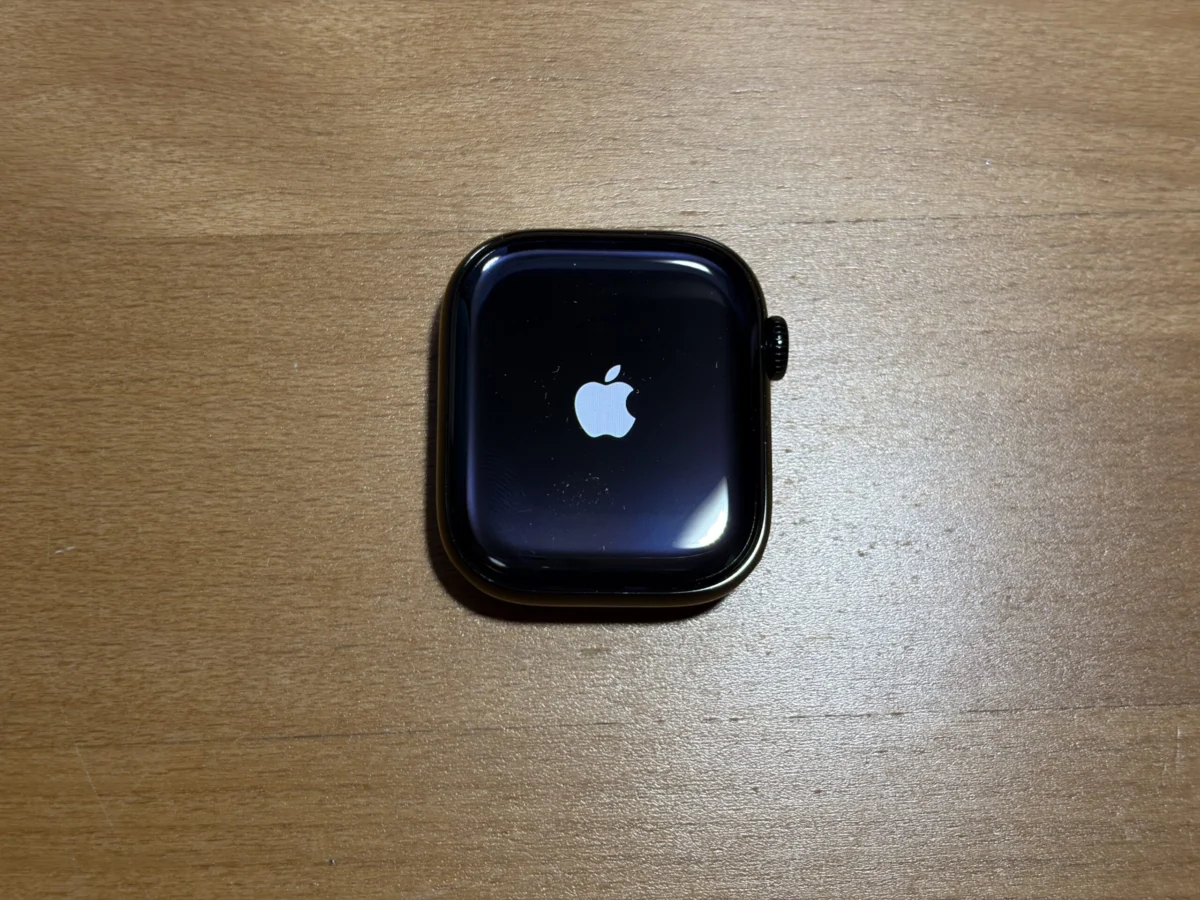
The recent acquisition of an Apple Watch Series 11 by a long-time Apple Watch user marks a pivotal moment in their wearable technology journey, transitioning from a six-year-old Series 3 to a significantly more capable device. This upgrade, influenced by the diminishing performance of the older model and a strategic carrier promotion, underscores the evolving role of smartwatches in the modern tech landscape, moving beyond basic timekeeping and notifications to a more integrated smartphone companion.
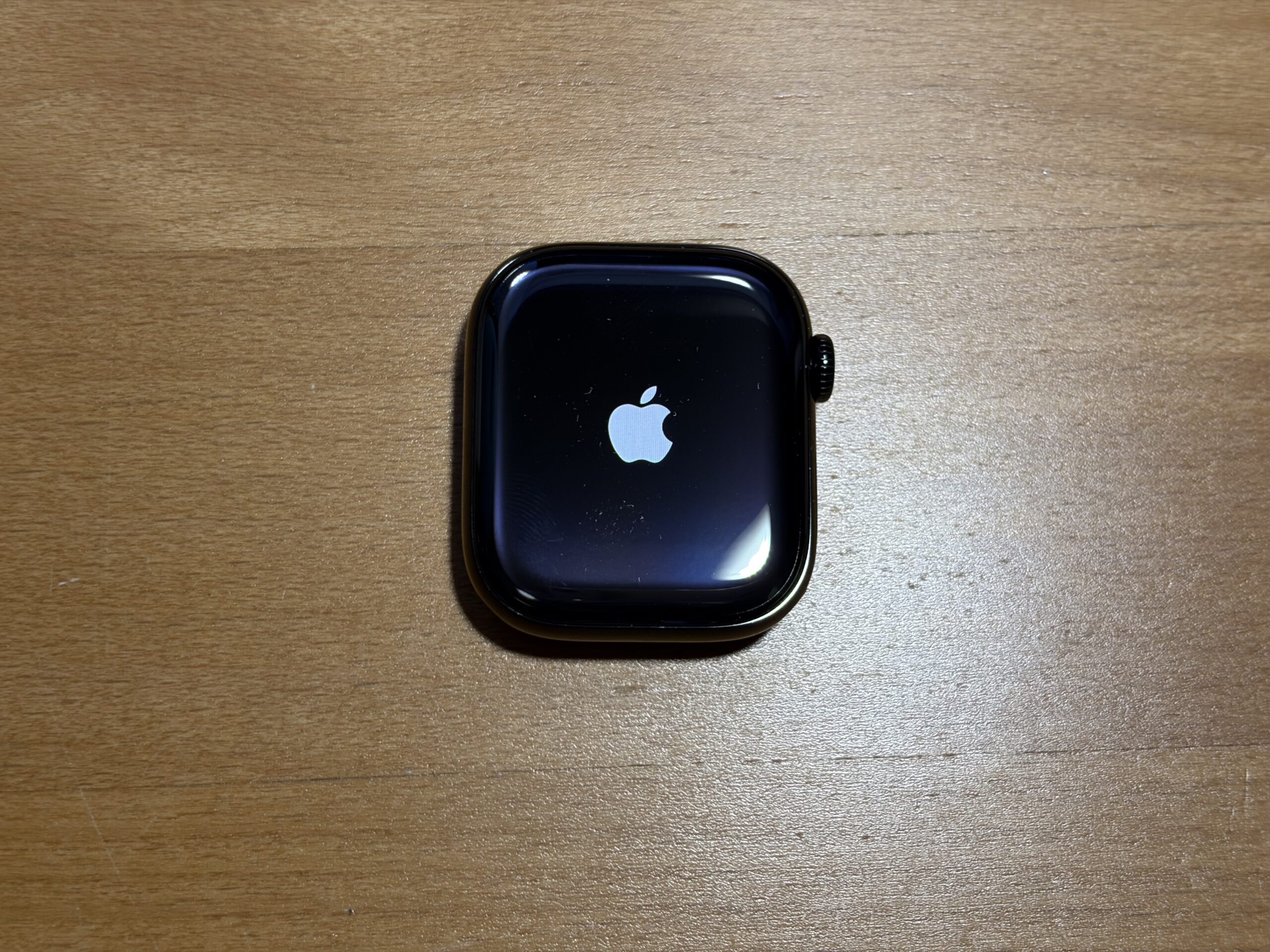
A History of Wearable Tech: From Series 3 to Series 11
The narrative of this upgrade began in 2017 with the purchase of an Apple Watch Series 3. This device accompanied the user through multiple iPhone iterations, serving as a consistent, albeit increasingly strained, link to their digital life. By 2023, the Series 3 had reached its performance ceiling. Its battery life had significantly degraded, system animations were noticeably sluggish, and its utility was largely confined to displaying the time and delivering notifications. Despite a considerable six-year tenure, the user found its functional depth limited, a sentiment shared by many early adopters of wearable technology who, in the mid-2010s, anticipated a more transformative future for smartwatches.
The immediate catalyst for seeking a new device was a prior attempt to revive an older Apple Watch. In mid-January of the current year, the user acquired a Space Gray 38mm Series 2 with a battery that was already failing. During the process of replacing this battery, the display sustained minor damage. While the Series 2 remained functional, the experience highlighted the user’s desire for a more modern and reliable device, a sentiment amplified by observing a partner’s acquisition of a Series 8 in Starlight. The prospect of a new Apple Watch became a tangible goal, contingent on finding a financially viable opportunity. This opportunity materialized with a promotional offer from their mobile carrier for the new Series 11, which presented a perceived reasonable value.

The Carrier Incentive: Driving the Upgrade Decision
Mobile carriers frequently engage in device subsidy programs and promotional bundles to drive sales and customer loyalty. The offer from T-Mobile for the Apple Watch Series 11, as detailed by the user, appears to be part of such a strategy. These promotions often involve installment plans, trade-in bonuses, or discounts tied to new service activations or contract renewals. For consumers, these offers can significantly reduce the upfront cost of high-end consumer electronics, making otherwise aspirational purchases more accessible.
The specific details of the T-Mobile offer, while not fully elaborated in the provided content, likely included a tiered discount structure or a bundled price that made the Series 11 an attractive proposition compared to its standalone retail price. Such carrier-led initiatives play a crucial role in the consumer electronics market, democratizing access to the latest technology for a broader segment of the population. The user’s decision to proceed with the purchase was directly influenced by the perceived reasonableness of this carrier-backed deal.
Unboxing the Series 11: Aesthetic and Design Considerations
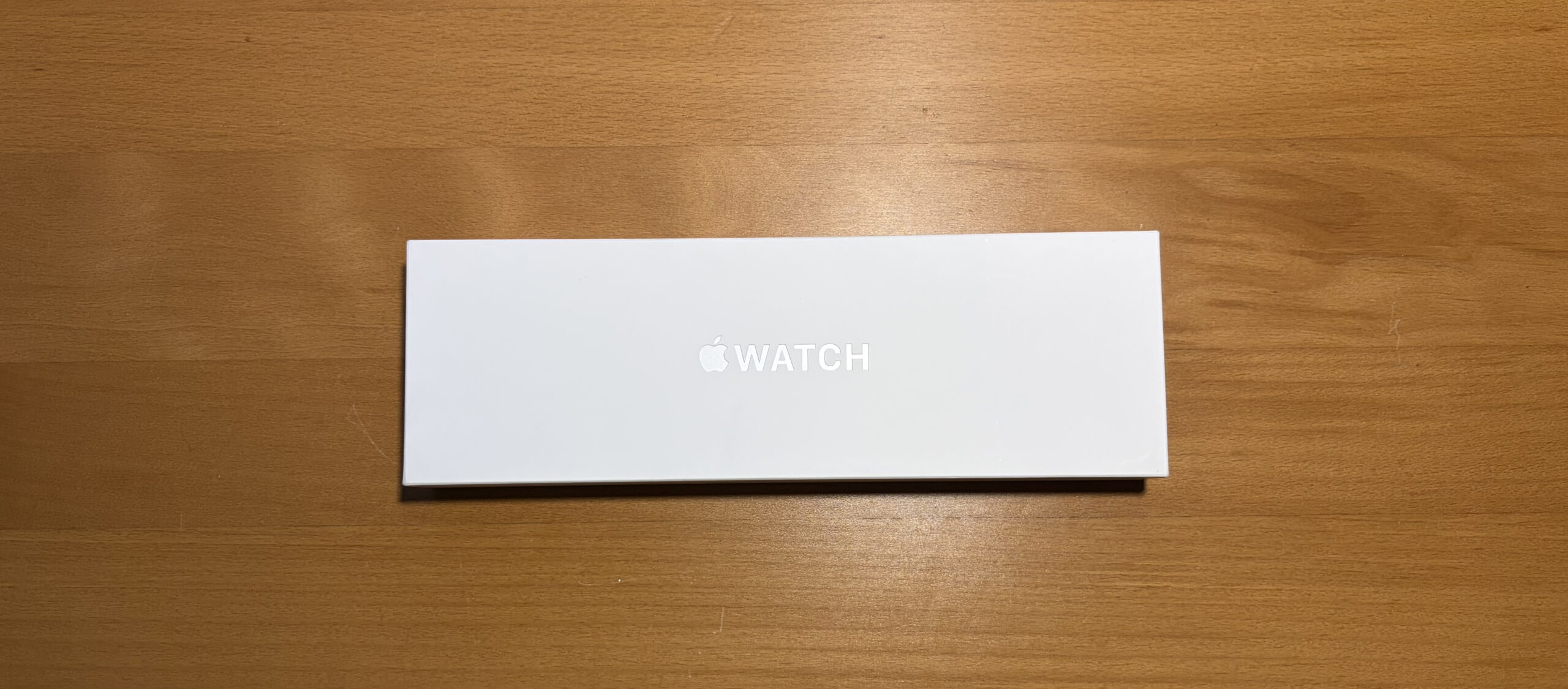
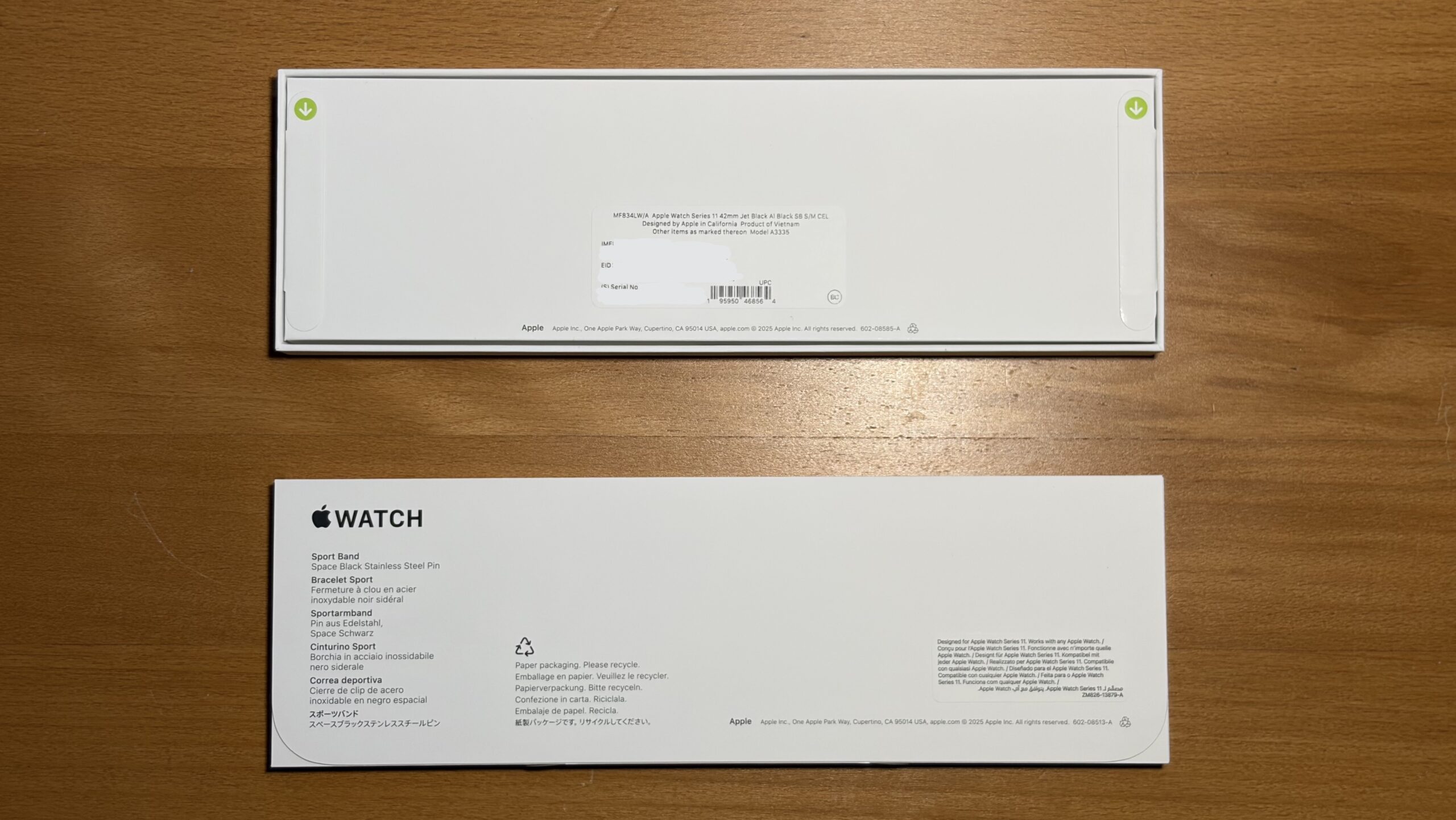
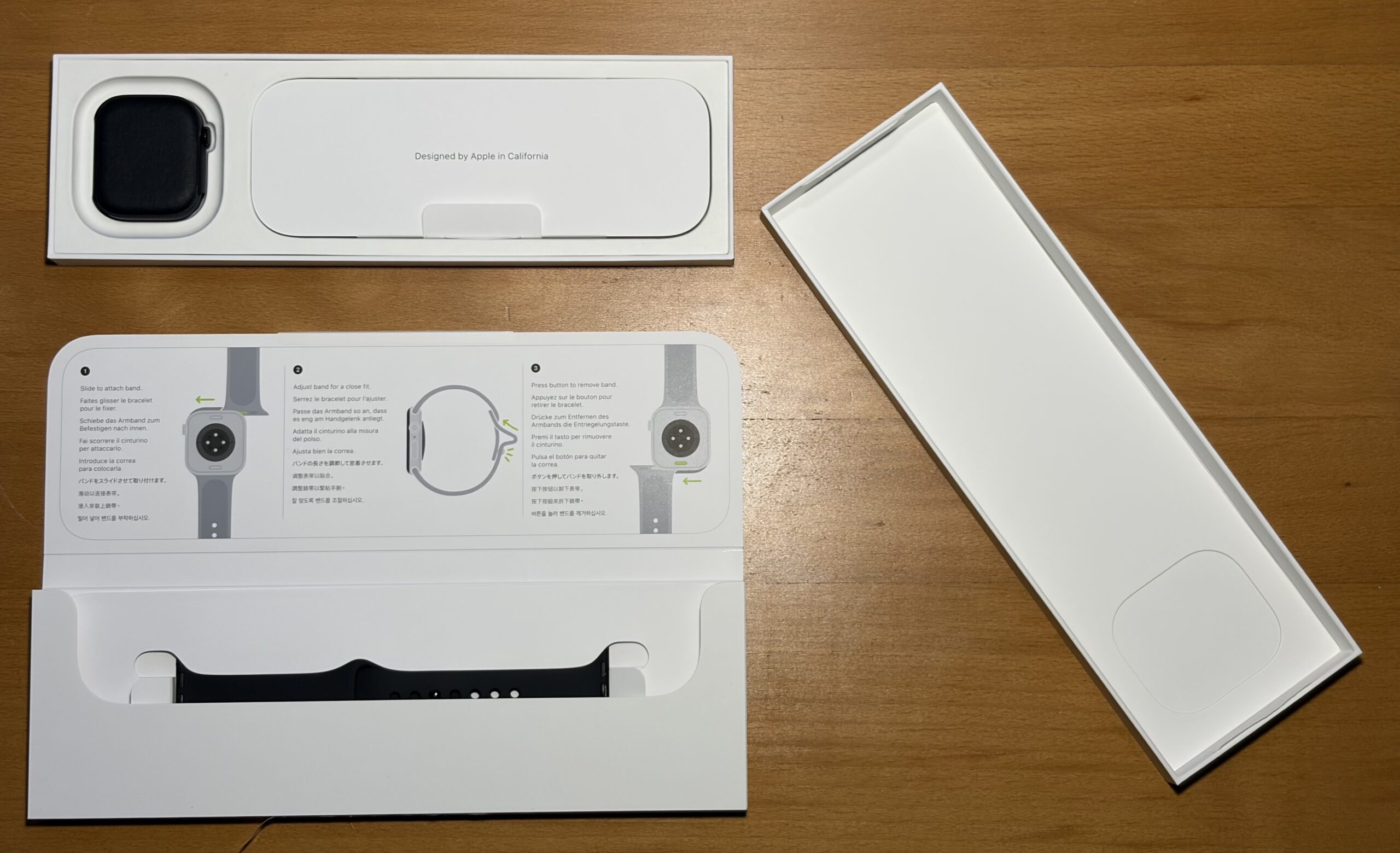
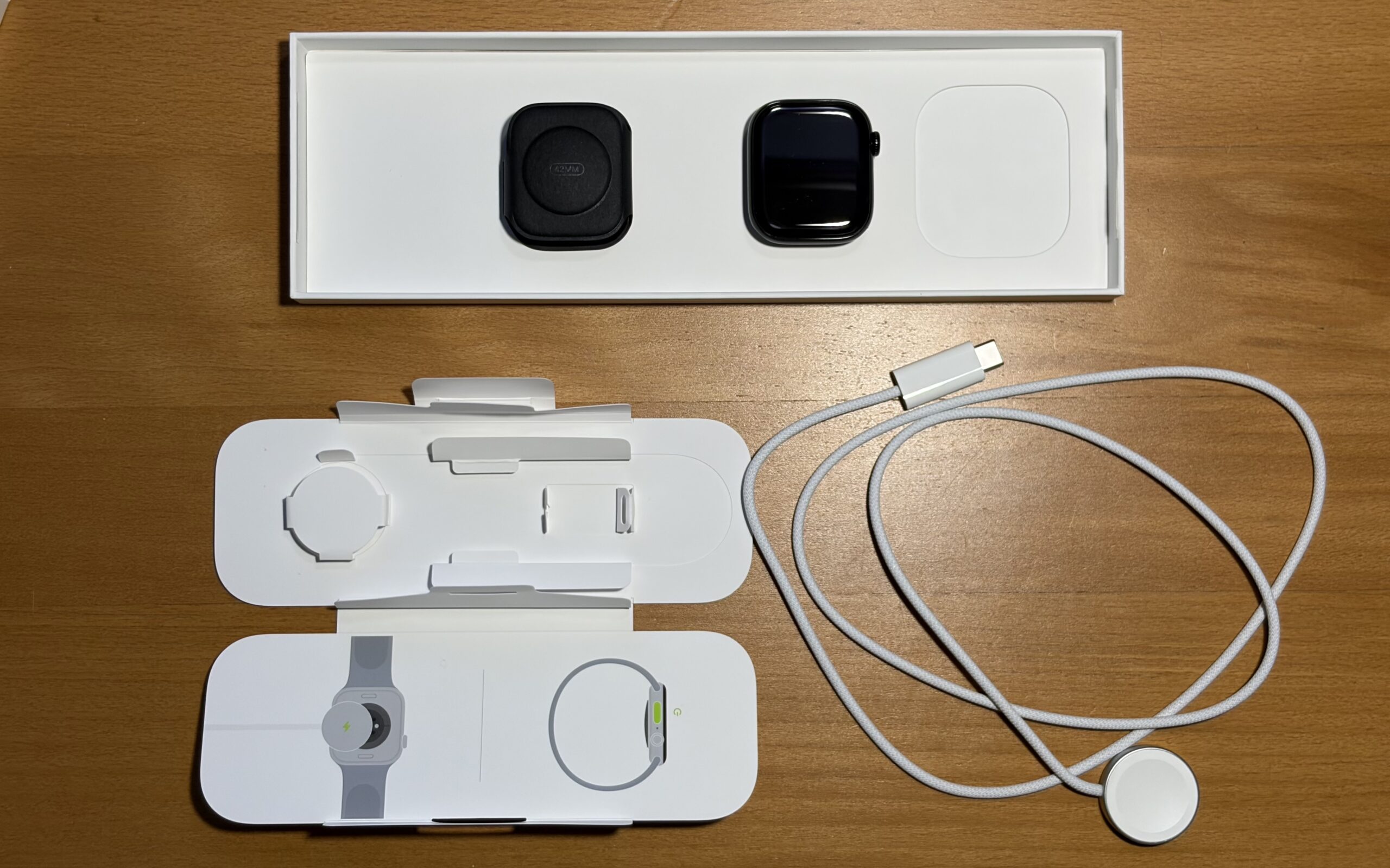
The unboxing process of the Apple Watch Series 11 revealed a device that has evolved aesthetically and materially. The user’s choice of Jet Black for the casing was driven by a preference for subtlety and aesthetic appeal. This particular finish, reminiscent of the sleek and reflective Jet Black introduced with the iPhone 7, presents a visually striking appearance. The user noted that the watch is "sleek and shiny all-around," describing it as looking like a "piece of shiny obsidian glass stone." This observation highlights Apple’s continued focus on premium materials and finishes that contribute to the perceived value and desirability of their products. The user has affectionately nicknamed the watch "Obsidian" due to this striking resemblance.
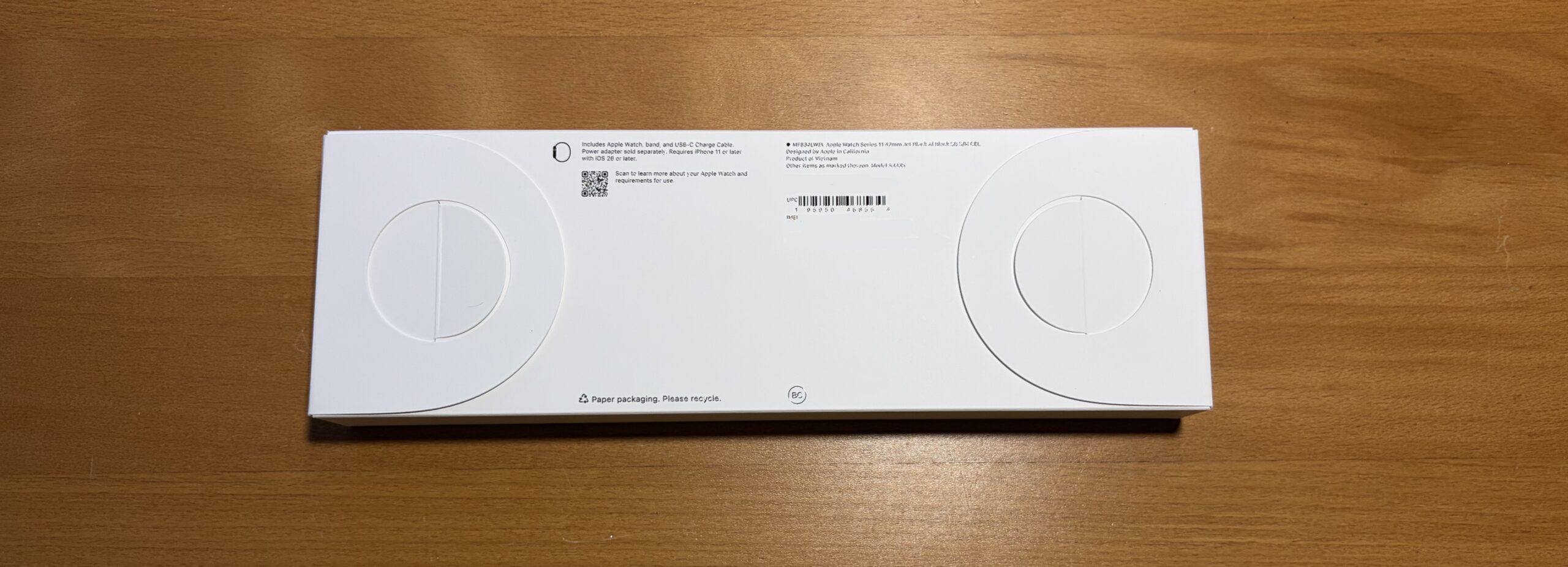
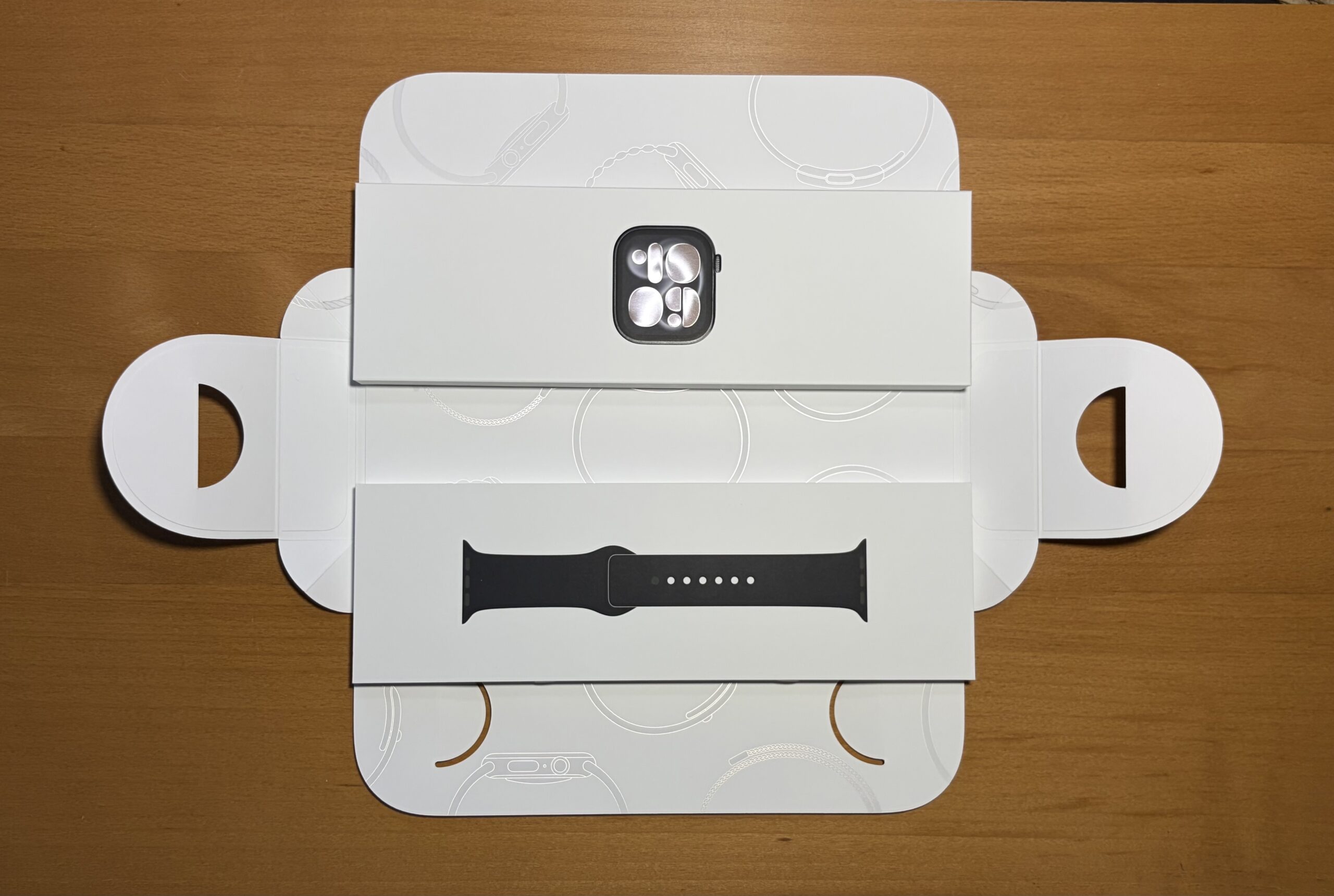
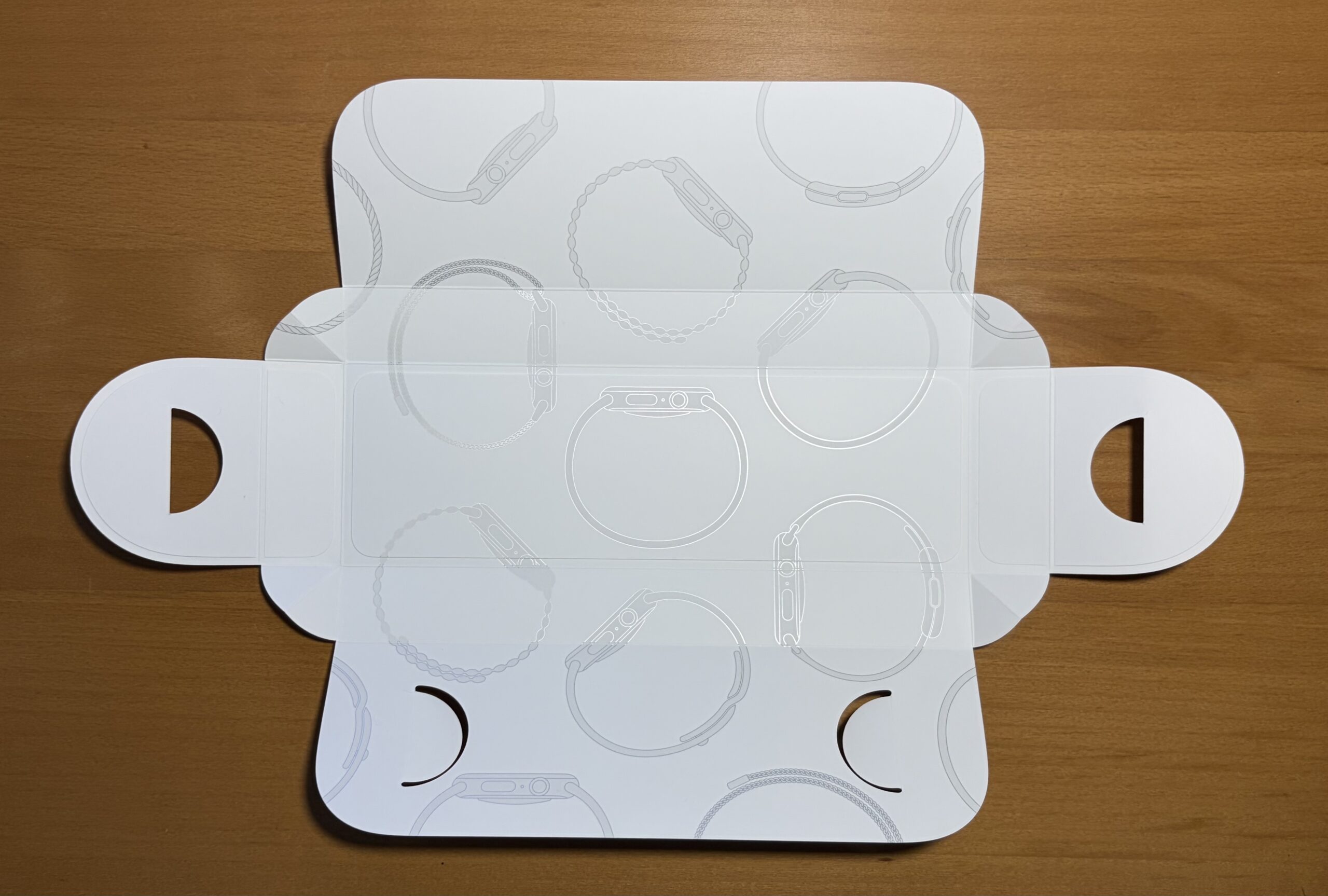
The packaging itself also reflects Apple’s commitment to design and presentation. While not explicitly detailed, the inclusion of imagery showcasing the inner packaging, which features printed Apple Watches, suggests a deliberate and branded unboxing experience. This attention to detail in packaging is a hallmark of premium consumer electronics, aiming to create a memorable and satisfying initial encounter with the product.
Band Compatibility and Personalization
A significant aspect of the Apple Watch experience is its ecosystem of interchangeable bands, allowing for personalization and adaptation to various styles and activities. The user expressed a strong preference for Milanese loops, citing their simplicity, ease of adjustment, removal, and attachment. This preference is so ingrained that the original sport band that accompanied their 2017 Series 3 remains in its original packaging.
Interestingly, a previously acquired "knockoff silver colored Metal watch band," originally used with the Series 2, was found to be compatible with the new Series 11. While not a perfect 1:1 fit, it securely attaches and remains in place, providing a functional interim solution. This highlights the enduring compatibility of Apple Watch bands across different generations, a testament to Apple’s consistent design language for the watch’s lug interface. The user intends to acquire a band that more closely matches the Jet Black finish of their new watch in the future, underscoring the ongoing personalization trend in wearable technology.
The Shifting Paradigm of Smartwatch Utility
The user’s reflections on their smartwatch usage offer a valuable perspective on the evolving role of these devices. Their initial anticipation of smartwatches becoming deeply integrated, almost independent, extensions of personal computing has shifted towards viewing them primarily as "smartphone companions." This observation aligns with broader market trends, where the smartwatch has largely solidified its position as an accessory that enhances, rather than replaces, the smartphone.
This shift can be attributed to several factors:
- Computational Power Limitations: While smartwatches have become more powerful, they still lag behind smartphones in raw processing capability, limiting the complexity of tasks they can perform independently.
- Screen Size and Input Methods: The small screen size and touch-based input of a smartwatch are not conducive to extensive content creation or complex navigation that is easily accomplished on a smartphone.
- Ecosystem Integration: The most compelling use cases for smartwatches often involve seamless interaction with a paired smartphone, leveraging its connectivity and processing power.
- Battery Life Considerations: More advanced functionalities often come at the cost of battery life, which remains a critical factor for wearable devices.
Consequently, the primary value proposition of current smartwatches often lies in their ability to provide glanceable information, facilitate quick interactions, and offer specialized health and fitness tracking. Features such as receiving notifications, tracking workouts, making contactless payments, and accessing quick replies are areas where the smartwatch excels as a convenient extension of the smartphone.
Apple’s Product Strategy and Market Position
Apple’s approach to the Apple Watch has been characterized by a continuous refinement of hardware, software, and health-focused features. The introduction of new series, such as the Series 11, typically involves incremental improvements in processing power, display technology, sensor capabilities, and battery efficiency. The company’s strategy has been to build a comprehensive ecosystem around the Apple Watch, integrating it deeply with iOS and introducing features that appeal to a broad consumer base, from fitness enthusiasts to those seeking health monitoring and convenient daily communication.
The Apple Watch has consistently held a dominant position in the global smartwatch market. According to various industry reports, Apple has maintained a significant market share, often exceeding 30% of global shipments. This dominance is attributed to its strong brand loyalty, a mature ecosystem, and a consistent track record of innovation. Competitors, while offering compelling alternatives, have often struggled to replicate Apple’s success in terms of sales volume and ecosystem integration.
The Broader Implications: Wearable Technology and User Experience
The user’s journey from a Series 3 to a Series 11 highlights a common pattern in consumer technology adoption: the gradual obsolescence of older devices and the continuous pursuit of improved performance and features. The aging of the Series 3, with its performance limitations and battery degradation, is a predictable outcome for any electronic device with a finite lifespan. Apple’s strategy of supporting older devices with software updates for an extended period, while commendable, eventually reaches a point where hardware limitations become insurmountable for newer software demands.
The Series 11, representing the latest iteration of Apple’s wearable technology, likely offers advancements in several key areas that address the shortcomings of older models:
- Enhanced Performance: A newer processor would ensure smoother animations, faster app loading times, and improved overall responsiveness.
- Improved Battery Life: Despite increased functionality, advancements in battery technology and power management often lead to extended usage times between charges.
- Advanced Health Sensors: Newer Apple Watch models typically incorporate more sophisticated health sensors, such as advanced heart rate monitoring, ECG capabilities, blood oxygen tracking, and potentially temperature sensing, offering more comprehensive health insights.
- Display Technology: Brighter and more power-efficient displays can improve outdoor visibility and overall user experience.
- Connectivity: Enhanced Bluetooth and Wi-Fi capabilities, along with potentially improved cellular modem performance for GPS and cellular models, can offer more reliable connectivity.
The successful reuse of an older band also points to a positive aspect of product design – backward compatibility that benefits consumers and reduces electronic waste. However, the user’s intention to acquire a new band that complements the aesthetic of the new watch underscores the ongoing consumer desire for personalization and the integration of technology into personal style.
As the user returns to publishing articles on Low End Mac after a hiatus, their renewed engagement with technology, exemplified by this Apple Watch upgrade, signals a potential for more content exploring the evolving landscape of Apple products and their long-term value. The mention of catching up on new Tech Specs, the MacBook Neo, and other Apple developments suggests an ongoing commitment to analyzing and reporting on the tech industry. The article concludes with an expression of gratitude to the website’s visitors, promising more content in the near future, indicating a continued dedication to the platform and its audience.