 Indra Gunadi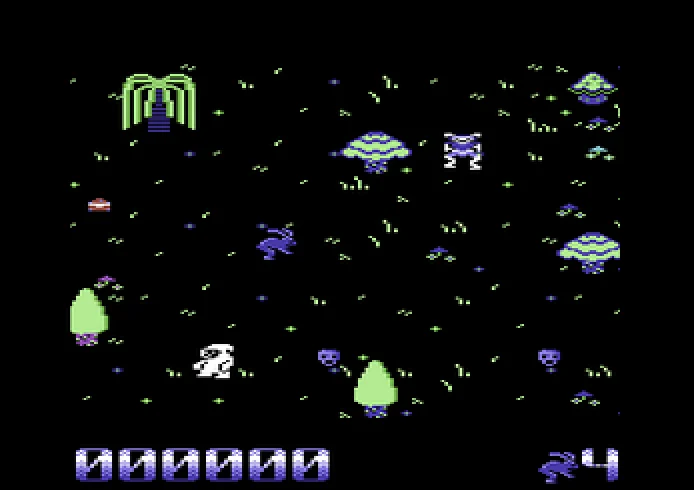
The Evolution of the SEUCK Framework
The Shoot ‘Em Up Construction Kit, originally released by Sensible Software in 1987, fundamentally altered the landscape of 8-bit home computing. By providing users with a graphical interface to create scrolling shooters without requiring deep knowledge of 6502 assembly language, it democratized game design. Over the years, the engine has been pushed well beyond its intended original scope through community-developed modifications, including "SEUCK Redux" and various enhanced spritesets.
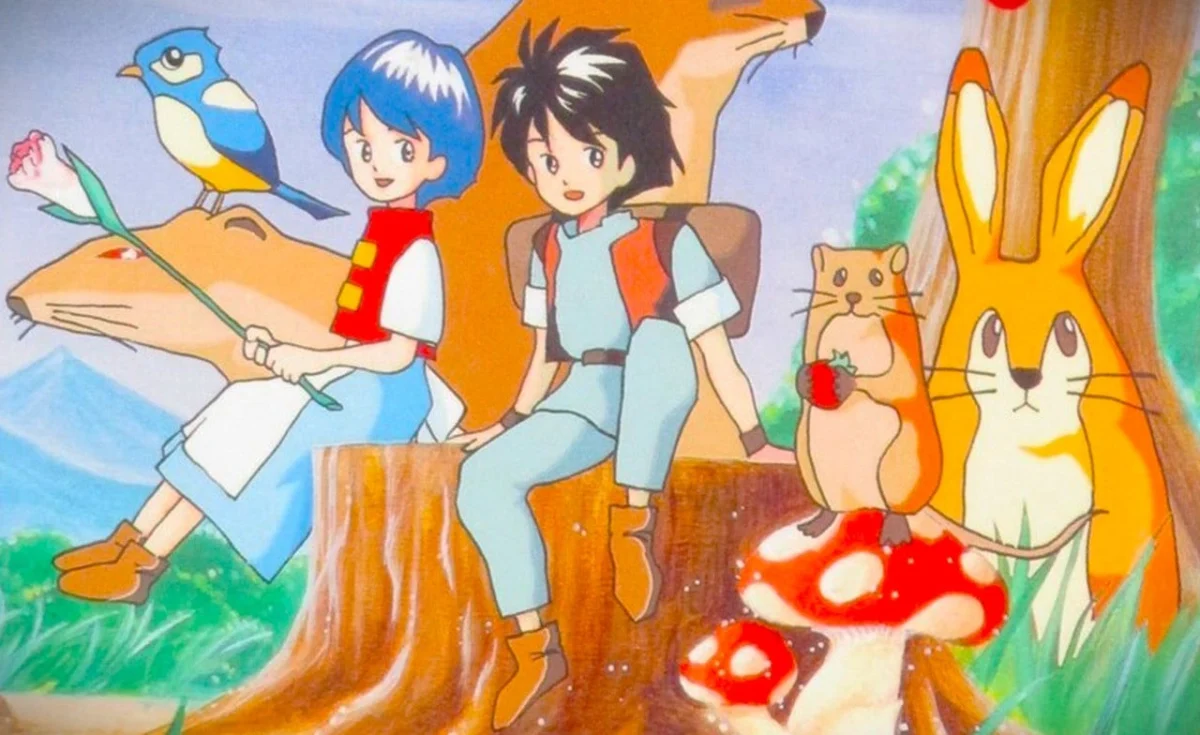
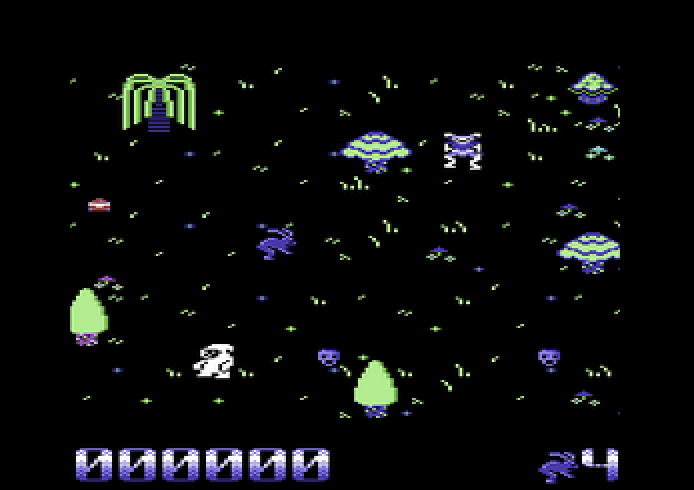
Ted And Lola utilizes this historical framework to deliver a cohesive, narrative-driven experience. Players control a rabbit protagonist named Ted, tasked with navigating treacherous environments to rescue his companion, Lola, from the clutches of an antagonist identified as an evil witch. The game mechanics rely on a projectile-based combat system where the protagonist throws carrots at various demons, a thematic departure from standard space-based shooters, integrating power-up mechanics—specifically mushrooms—that modify projectile range.
Chronology of the Project and Development
The development cycle of Ted And Lola reflects the collaborative nature of the modern C64 homebrew scene. Rodrigo Yeowtch, acting as the primary creative lead, worked in conjunction with Richard/TND (The New Dimension), a collective well-known within the Commodore community for their consistent output of quality titles and technical support for the SEUCK platform.
The project fits into the broader 2026 release calendar, a year that has seen a notable uptick in high-quality Commodore 64 software production. While the exact duration of the development phase remains undisclosed, the polish evident in the game’s sprite animation and hit-detection logic suggests a rigorous testing phase common to Richard/TND releases. The project was finalized and distributed digitally in early October 2026, maintaining the tradition of free, accessible software for the legacy hardware market.
Technical Analysis and Game Mechanics
From a technical perspective, Ted And Lola demonstrates how modern developers are maximizing the C64’s hardware limitations. The SEUCK engine inherently restricts the complexity of scrolling backgrounds and sprite counts; however, the developers have mitigated these constraints through effective color palette management and rhythmic enemy placement.
The "mushroom" mechanic acts as an essential gameplay pivot. By consuming these items, the player gains a temporary increase in projectile distance, which is necessary for engaging enemies positioned at the screen’s periphery. This adds a layer of strategy to a genre often criticized for being purely reactionary. The collision detection, while constrained by the original 1987 engine’s limitations, has been optimized to ensure that the difficulty curve remains balanced, preventing the "cheap deaths" often associated with early homebrew SEUCK games.
Market Context and Community Impact
The release of Ted And Lola is not an isolated event but rather a point in a larger trend of 8-bit preservation and revitalization. As of 2026, the Commodore 64 remains the most active platform for retro-computing hobbyists, bolstered by the availability of hardware solutions like the Ultimate64 and various SD-card-based disk emulators.
Community responses to the game have centered on the title’s accessibility. By building upon the Gnom series, the developers have tapped into an existing audience, ensuring immediate interest. Analysts tracking the C64 scene note that games like Ted And Lola contribute significantly to the hardware’s market longevity. Because the C64 was produced until 1994, the sheer volume of original hardware units in existence creates a perpetual, if niche, demand for new software content.
The Role of Richard/TND in Modern Development
The involvement of Richard/TND is a critical factor in the game’s reception. The collective has spent years refining the "TND" standard for SEUCK games, which includes custom loaders, high-quality chiptune soundtracks, and robust menus. By lending their expertise to Rodrigo Yeowtch’s vision, the team ensures that the game adheres to the high production standards expected by modern users who access the software through platforms such as PDROMs.
In statements regarding their development philosophy, the TND collective has consistently emphasized the importance of documentation and community-driven tutorials. By releasing source materials or demonstrating how certain effects are achieved, they ensure that the next generation of developers can continue to build upon the foundation laid in the late 1980s.
Broader Implications for 8-bit Gaming
The continued release of games like Ted And Lola raises interesting questions about the lifecycle of computing platforms. Unlike modern gaming, where software is often tied to proprietary, locked-down ecosystems, the Commodore 64 environment is entirely open-source in practice. The development of this game demonstrates that the "end of life" for a computer is a subjective concept defined by the community rather than the manufacturer.
Furthermore, the integration of narrative elements into a SEUCK game—the kidnapping of Lola and the rabbit’s quest—highlights a shift in hobbyist game design. Developers are increasingly focused on creating "complete" experiences rather than simple tech demos. This maturity in design language signifies that the C64 development scene has moved beyond mere nostalgia and into a phase of creative refinement.
Future Prospects and Preservation
As 2026 progresses, the focus of the community remains on the preservation of these digital assets. Projects like Ted And Lola are archived across multiple international repositories, ensuring that even if physical storage media degrades, the software remains accessible to future generations. The inclusion of metadata, such as the release date and developer credits, is vital for the long-term historical cataloging of this era.
The implications for the broader gaming industry are subtle but present. Large-scale publishers often look to the retro-indie scene for inspiration regarding minimalist design and mechanics. The success of a game like Ted And Lola—achieved with limited resources and hardware constraints—serves as a case study in efficiency. It proves that compelling gameplay is not dependent on high-fidelity graphics or massive storage footprints, but rather on the clarity of mechanics and the engagement of the player.
Conclusion
Ted And Lola stands as a testament to the vibrancy of the Commodore 64 platform in 2026. By successfully bridging the gap between legacy development tools and contemporary design expectations, Rodrigo Yeowtch and Richard/TND have provided a meaningful addition to the C64 library. As the community continues to produce, play, and preserve these titles, the legacy of the 8-bit era is not only maintained but actively expanded. The game is currently available for download, representing a low-barrier-to-entry experience that invites both long-time enthusiasts and newcomers to engage with the unique challenges of the Shoot ‘Em Up Construction Kit. Whether viewed as a technical achievement or a creative work, the title underscores the fact that the Commodore 64 remains a relevant and vital platform for independent game design.