 Hartono Sudibyo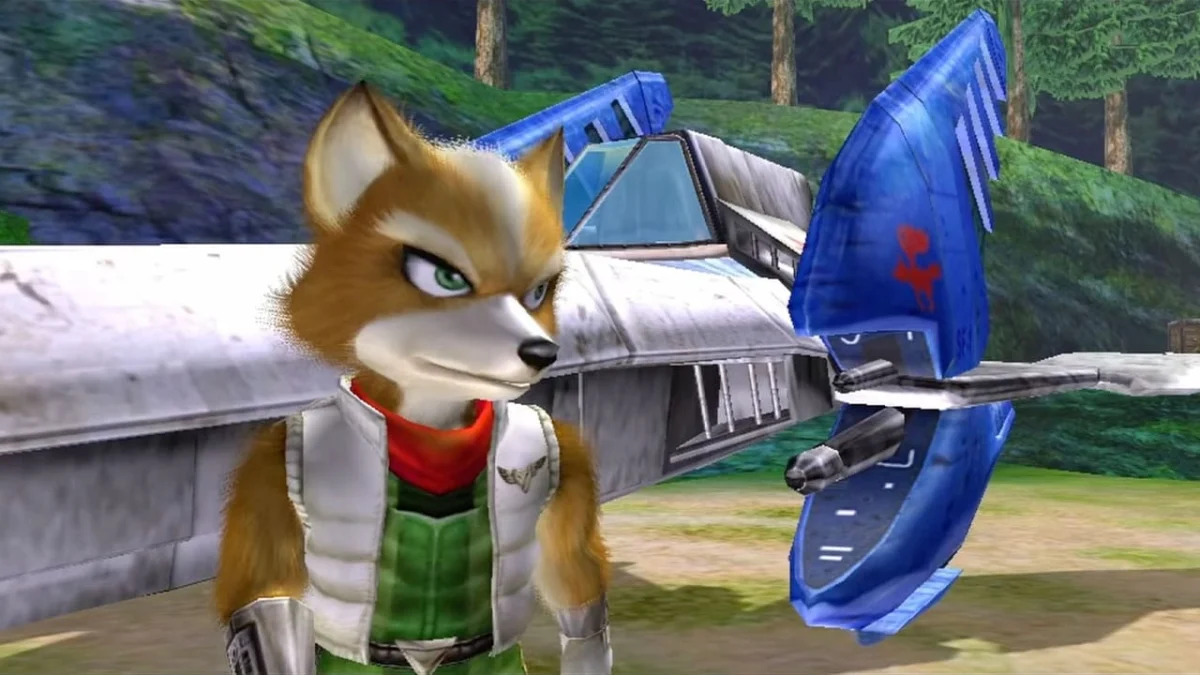
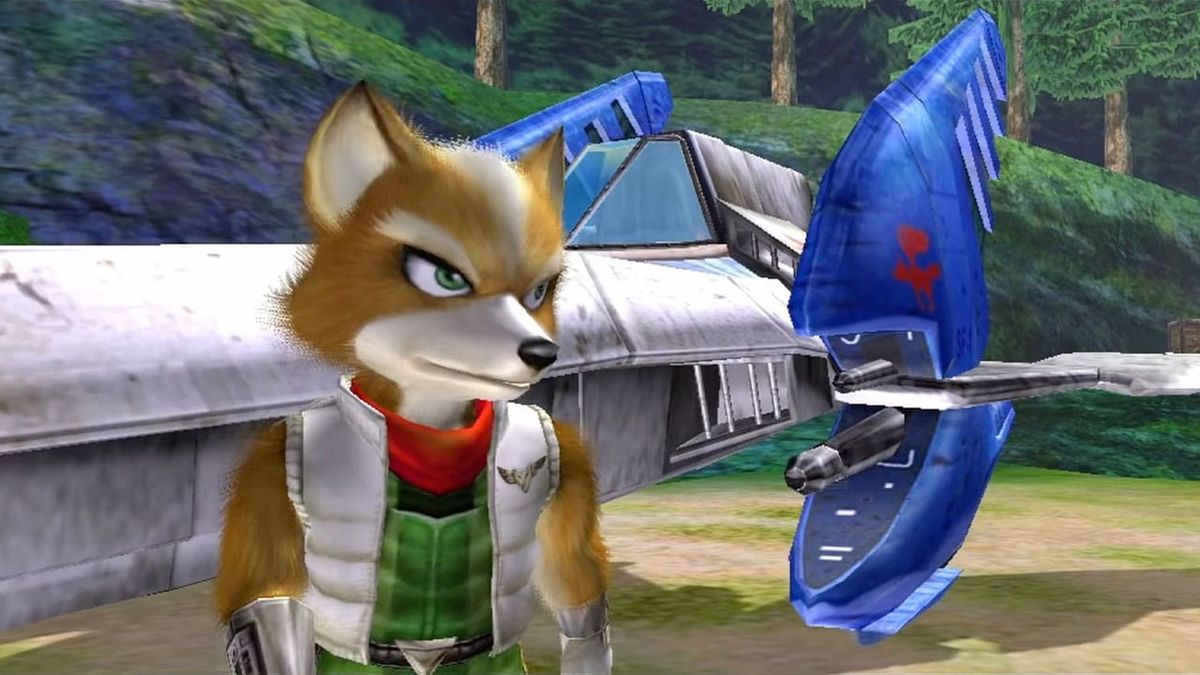
The release of Foxhollow, a newly developed native PC and Mac port of the 2002 GameCube title Star Fox Adventures, has marked a significant milestone in retro video game preservation and reverse-engineering. Developed to run software natively without relying on traditional emulation, the project opens up the possibility of addressing long-standing criticisms of the classic title, particularly regarding its narrative climax and eventual modding capabilities.
Demonstrated publicly by the archival channel Video Game Esoterica, the recompilation project replicates the original technical performance of the game while establishing a foundation for community-driven enhancements. As reverse-engineering efforts continue to mature within the classic gaming community, projects like Foxhollow demonstrate a shift toward native ports that offer enhanced stability, improved framerates, and extensive customization options compared to historical emulation methods.
Background Context and Development History
Originally developed by Rare during a transitional era in the studio’s corporate history, Star Fox Adventures has occupied a unique place in the video game canon for over two decades. The project began life as an original intellectual property for the Nintendo 64 known as Dinosaur Planet, which featured an entirely distinct cast of characters and lore. During development, Nintendo encouraged Rare to integrate its established Star Fox franchise into the project, transforming the protagonist Krystal’s universe into a vehicle for Fox McCloud.
In 2002, the game was released exclusively for the Nintendo GameCube to generally favorable reviews, praised for its technical achievements, lush orchestral score, and visual fidelity that pushed Nintendo’s hardware to its limits. However, the production cycle was famously turbulent. During development, Microsoft acquired Rare from its founders and Nintendo, altering the studio’s trajectory and placing immense pressure on the team to complete the title.
This corporate acquisition and the resulting deadline pressures heavily impacted the game’s final act. Players and industry critics frequently cite the abrupt narrative shift toward the end of the game—specifically the sudden re-introduction of the series’ traditional antagonist, Andross, as the final boss—as an unsatisfying conclusion. The game’s original primary antagonist, General Scales, was sidelined for a rushed final confrontation that left narrative threads unresolved. This creative compromise has remained a notable point of contention among fans for nearly twenty-four years.
The Mechanics of Native Recompilation
Foxhollow operates similarly to other successful reverse-engineering projects, such as Ship of Harkinian for The Legend of Zelda: Ocarina of Time. Rather than interpreting original machine code in real-time through an emulator, a recompilation project translates the game’s original executable code into native instructions for modern hardware architectures, such as x86-64 and Apple Silicon.
This technical approach yields several distinct advantages over standard emulation. Players are no longer bottlenecked by the emulation overhead required to simulate GameCube hardware. Instead, the game operates natively on Windows and macOS, allowing for higher rendering resolutions, uncompressed asset streaming, smoother framerates, and bug-fixing that respects the original design while eliminating historical performance constraints.
To utilize Foxhollow, end-users must legally acquire a ROM of the original GameCube title to extract necessary assets and initialize the software. Once configured, the application functions as a standalone executable, bypassing the need for third-party emulator software entirely.
Anticipated Modding Implications and Community Impact
While the core release of Foxhollow focuses on preserving the authentic 2002 experience—including original environmental bugs and intended design quirks—the development team has confirmed that comprehensive modding support will be introduced following stability audits.

The promise of community modification has generated substantial discussion regarding the potential restoration of the game’s original vision. Because the project will eventually allow for code injection and asset replacement, community developers have begun speculating on the feasibility of reintroducing elements from the original Dinosaur Planet build, implementing alternative playable characters such as Falco Lombardi, or overhauling the contentious final battle against Andross to feature General Scales as originally intended.
Furthermore, the cross-pollination of modding communities associated with Rare’s classic catalog has sparked interest in crossover content, drawing parallels to how tools like Ship of Harkinian expanded Ocarina of Time far beyond its original scope.
Broader Implications for Video Game Preservation
The debut of Foxhollow arrives amid a broader industry conversation concerning digital preservation, intellectual property rights, and the longevity of software tied to legacy hardware. As official channels for purchasing older titles frequently narrow—compounded by the eventual sunsetting of digital storefronts—community-driven recompilation projects have emerged as a primary method for ensuring classic games remain accessible on contemporary operating systems.
Legal experts note that while reverse-engineering projects navigate a complex legal landscape regarding copyright and the distribution of proprietary game assets, the reliance on user-provided, legally acquired ROMs establishes a legal framework similar to historical emulation tools. Developers and preservationists argue that these efforts are essential for safeguarding digital heritage, particularly when corporate restructuring or studio closures leave classic intellectual properties dormant.
As the Foxhollow team prepares to roll out its planned modding support tools upon achieving software stability, the project stands as a testament to the dedication of retro gaming enthusiasts. By bridging the gap between archival accuracy and modern customizability, Foxhollow not only rescues Star Fox Adventures from the technological limitations of the GameCube era but also empowers a new generation of developers to finally finish the story Rare started over two decades ago.