 Chalid Lutfie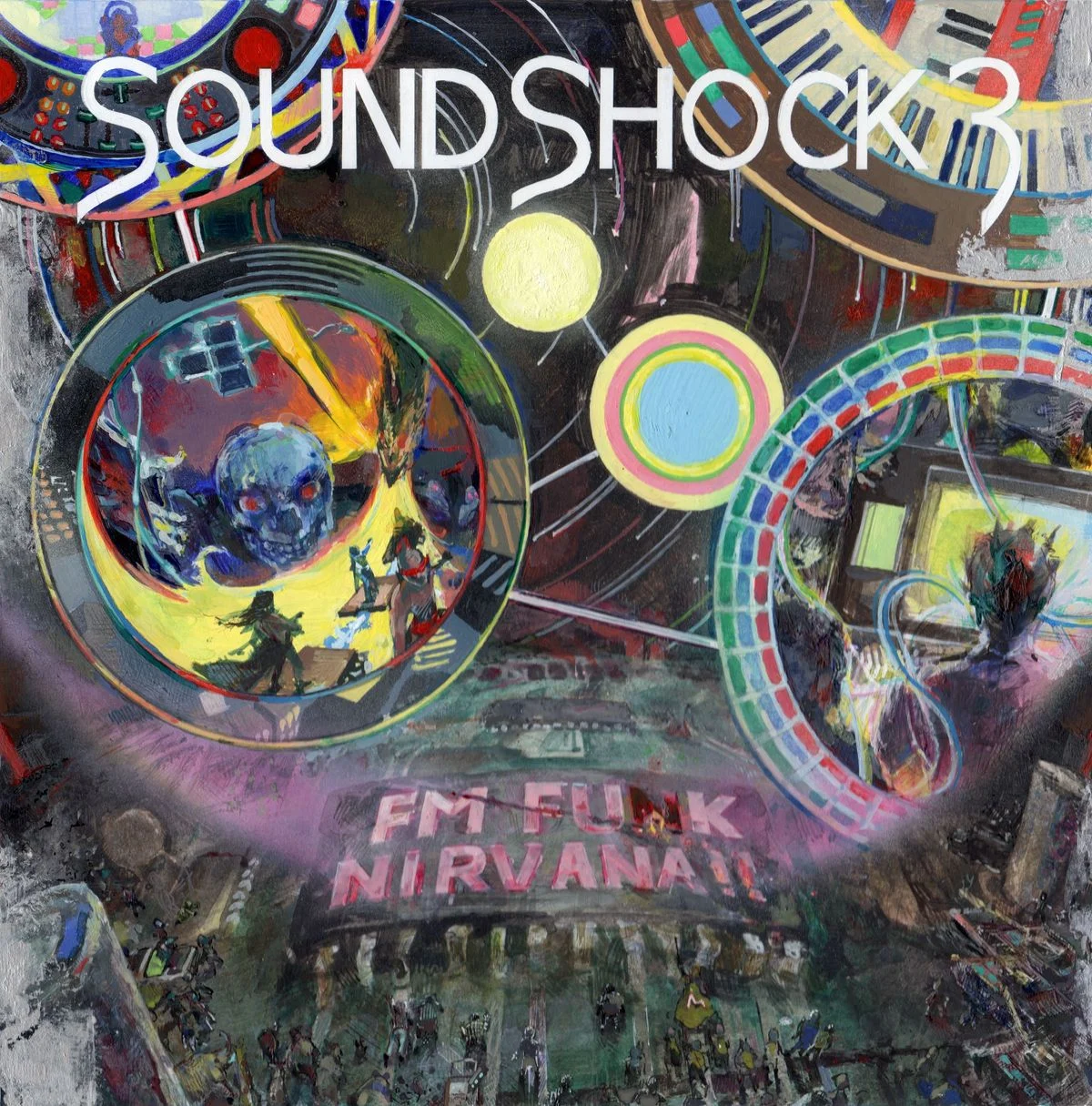
The SOUNDSHOCK series stands as a landmark project in the evolution of digital music, specifically within the niche but culturally significant realm of chiptune and tracker-based composition. What originated in 2010 as a modest proposal for a solo artist release has, over the past decade, transformed into a collaborative international institution that bridges the gap between Western demoscene traditions and the highly specific aesthetic sensibilities of Japanese arcade and computer music culture. Spearheaded by the curator and composer known as zinger, in partnership with the pioneering chiptune label Ubiktune, the series has served as a conduit for a unique cross-pollination of electronic genres, culminating in its latest installment, SOUNDSHOCK 3: FM FUNK NIRVANA.
Origins and the Genesis of a Concept
The inception of SOUNDSHOCK dates back to a 2010 conversation between zinger and C-jeff, the founder of Ubiktune. At the time, the label—which has since gained recognition as a premier curator of high-fidelity chip music—was seeking to bolster its roster with a solo album from the artist. However, zinger proposed an alternative direction: a compilation project that would aggregate the diverse talents of the global chiptune community under a unified, thematic umbrella.
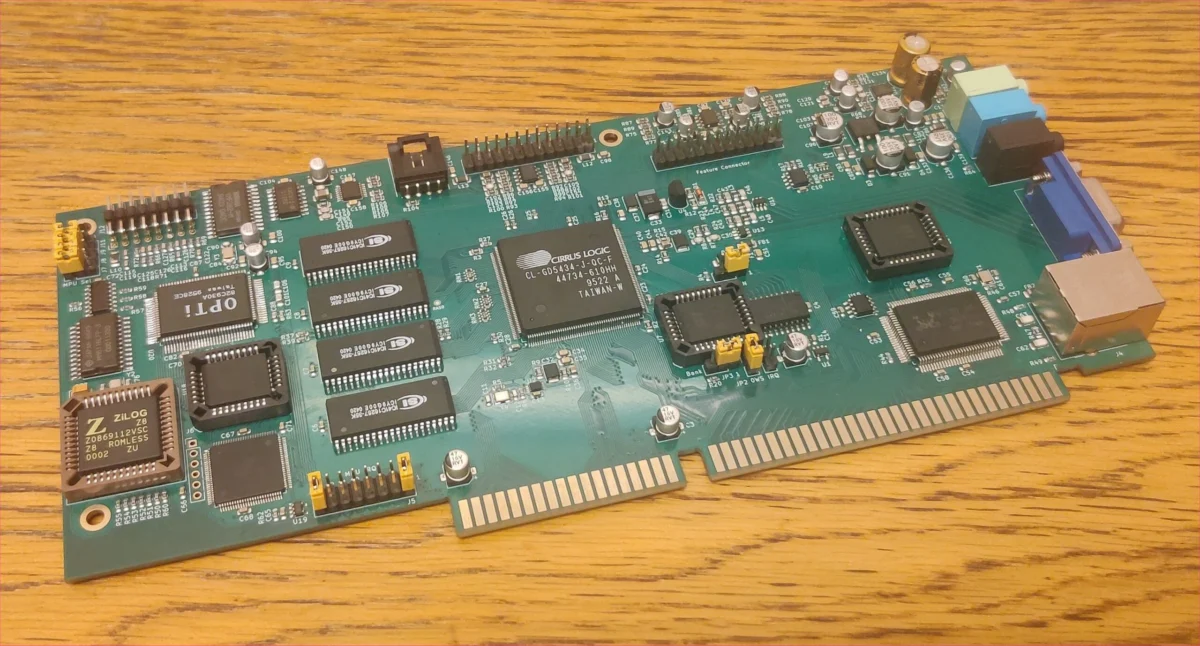
The intellectual foundation of this project is deeply rooted in the childhood experiences of its founder, who spent formative years immersed in the 16-bit era, particularly the library of the Sega Mega Drive. Games such as Golden Axe II and Sonic the Hedgehog served as early sonic blueprints, exposing the young composer to the potential of FM synthesis—a hallmark of late 20th-century Japanese gaming audio. This exposure catalyzed a lifelong obsession with hardware-based music production, leading zinger to collect arcade cabinets, legacy hardware FM synthesizers, and rare Japanese computer hardware, including systems from NEC and Sharp. This material archive provided the sonic textures that would eventually define the SOUNDSHOCK sound profile.
Chronology of Development
The development timeline of the SOUNDSHOCK series reflects a slow but steady maturation of the chiptune scene’s organizational capabilities:
- 2010: The initial collaboration between zinger and C-jeff is established. The conceptual framework for a compilation that prioritizes aesthetic coherence over disparate tracks is formed.
- 2011–2012: The first iterations of the project are released, establishing a reputation for high-quality production that mirrors the standards of the demoscene.
- Mid-2010s: The project gains international traction, drawing in high-profile contributors from the Japanese scene, such as Keishi Yonao and hally, as well as Western demoscene stalwarts.
- Present: With the release of SOUNDSHOCK 3: FM FUNK NIRVANA, the series has moved from a bedroom project to a cross-cultural document that archives the dialogue between two distinct electronic music histories.
The Demoscene and the Japanese Connection
A critical factor in the success of SOUNDSHOCK has been its role in reconciling two seemingly disparate musical cultures. The Western demoscene, characterized by its reliance on limited memory and CPU cycles to create complex, algorithmic compositions, often emphasized technical prowess and efficiency. Conversely, the Japanese game music scene of the 1980s and 90s, dominated by FM synthesis and high-fidelity sound chips found in arcade centers, placed a heavy emphasis on melody and atmospheric narrative.
Through the series, zinger facilitated a meeting of minds. The collaboration between artists like Ryu Takami and hex125, which began when the project was in its infancy, illustrates the universal language of game audio. At a time when linguistic barriers were significant, the shared knowledge of specific game scores and hardware specifications served as a communicative bridge. This cultural exchange proved that the appreciation for the aesthetics of the 8-bit and 16-bit era is not geographically bound, but rather a global phenomenon shared by enthusiasts who view these machines as instruments rather than just obsolete technology.
Data and Artistic Impact
The SOUNDSHOCK project has served as a platform for a vast array of composers, including Tsuyoshi Shimokura, Megus, Rufus Blacklock, and MmcM, among others. The sheer scale of the contributor list highlights the shift in chiptune production from a solo, isolated pursuit to a collaborative industry. By including both established figures and emerging talent, the series has maintained a standard of quality that satisfies long-term listeners while remaining accessible to those new to the genre.
From a musicological perspective, the series is a significant case study in "neo-retro" composition. By utilizing original hardware alongside modern digital workstations, contributors to the project are able to push the boundaries of what these chips can do. The "FM Funk" motif present in the third volume is not merely an homage to the past; it is an attempt to synthesize the rhythmic complexities of funk with the sharp, crystalline textures of FM synthesis, a fusion that was rarely explored in the original hardware’s commercial peak.
Official Statements and Industry Recognition
The role of C-jeff in this project cannot be overstated. By providing the institutional support of Ubiktune, C-jeff enabled the project to scale far beyond what an independent release could achieve. Industry observers note that Ubiktune’s willingness to treat digital game music with the same level of seriousness as high-art experimental music has been vital for the genre’s professionalization.
Similarly, the influence of the composer hally—a respected historian and practitioner of video game music—has provided the project with a sense of scholarly legitimacy. By documenting the intersection between Japanese game centers and the Western demoscene, the series has evolved from a simple music compilation into an archival effort that preserves the technical history of the medium. The consensus among the contributors, including veterans like Keishi Yonao, is that SOUNDSHOCK has successfully created a space where the fantasy of "Western computer culture" meets the reality of "Japanese hardware expertise."
Broader Implications for the Electronic Music Landscape
The legacy of the SOUNDSHOCK series suggests a broader trend in electronic music: the democratization of technical knowledge through global networks. The project has effectively proven that niche interests—once confined to localized bedroom studios or specific arcade circuits—can be organized into high-level, cohesive artistic movements through the internet.
Furthermore, the project challenges the notion that electronic music tied to hardware limitations is inherently "dated." By demonstrating that artists can continue to find "endless joy" and creative expansion within the constraints of 30-year-old synthesizer chips, SOUNDSHOCK advocates for a view of technology where obsolescence is irrelevant. The project implies that the soul of the machine lies in the composition, not the clock speed of the processor.
As the series moves into its next phase, the implications for the genre remain clear: the future of chiptune lies in the continued blurring of lines between the past’s technical limitations and the present’s creative potential. The success of SOUNDSHOCK 3: FM FUNK NIRVANA confirms that the audience for this style of music remains robust, and that as long as there is a passion for the sonic aesthetics of the digital age’s infancy, there will be a need for projects that curate, archive, and innovate within that space.
Through its rigorous commitment to the craft and its success in bringing together a global community of composers, SOUNDSHOCK has transcended its origins as a mere compilation album. It has become a cornerstone of the modern chiptune movement, a testament to the power of cross-cultural collaboration, and a living record of the aesthetic obsession with the sounds of the arcade era. The series continues to offer a blueprint for how independent artists can organize, collaborate, and elevate their niche interests into a lasting contribution to the broader landscape of electronic music.