Chalid Lutfie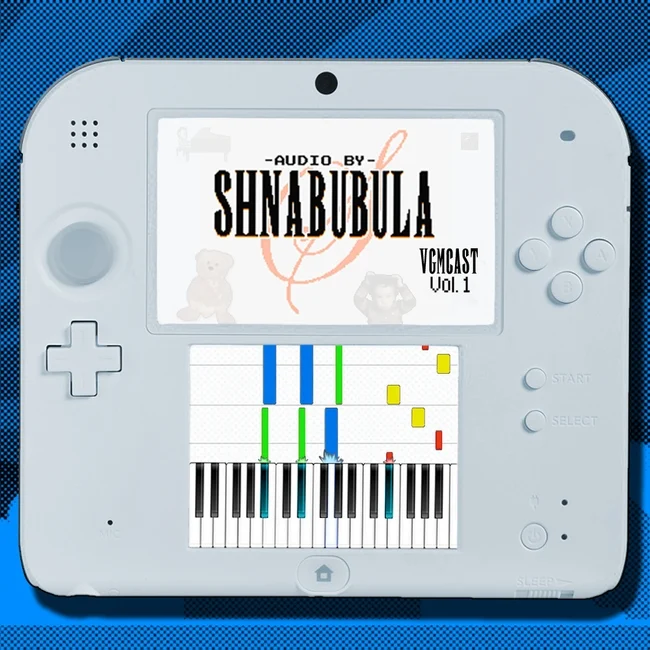
Samuel Ascher-Weiss, the prolific composer and virtuoso pianist known professionally as Shnabubula, has officially inaugurated a rigorous new performance initiative designed to bridge the gap between improvisational practice and formal concert delivery. Announced on May 18, 2015, the project leverages the interactive capabilities of the Hitbox streaming platform to engage a global audience in a cycle of rapid musical acquisition and performance. This initiative represents a significant evolution in the artist’s methodology, moving beyond traditional studio recordings to a transparent, high-stakes environment where the processes of transcription, arrangement, and rehearsal are performed live for public viewing.
The core of the project is structured around a dual-phase weekly schedule. Every Friday, from 12:00 PM to 8:30 PM EST, Ascher-Weiss hosts an intensive eight-and-a-half-hour session on his Hitbox channel. During this window, he accepts requests from viewers—often consisting of complex video game soundtracks, classical compositions, and contemporary pieces—and proceeds to learn, arrange, and master them in real-time. This "learning phase" serves as a pedagogical demonstration of musical literacy and ear training. The cycle culminates every Sunday at 4:00 PM EST, where Ascher-Weiss performs a curated setlist of the material acquired during the Friday session, presenting the final arrangements in a formal concert format.
Technical Execution and the Friday Learning Marathon
The Friday sessions represent a significant departure from standard musical performance paradigms. For a professional pianist to commit to an eight-hour window of constant learning requires not only physical stamina but also a high level of cognitive flexibility. Ascher-Weiss utilizes this time to dissect melodic structures, harmonic progressions, and rhythmic nuances of requested tracks, many of which he may have never heard prior to the stream.
Observers of the initial sessions have noted the technical complexity of the material being requested. The video game music (VGM) community, which forms a core segment of Shnabubula’s audience, frequently submits tracks known for their intricate chiptune polyphony or orchestral density. By transcribing these works for solo piano on the fly, Ascher-Weiss demonstrates a unique blend of jazz-influenced stride piano techniques and classical precision. This process provides a rare glimpse into the "work-in-progress" phase of musical production, which is traditionally shielded from the public eye.
In the most recent session preceding the May 18 announcement, Ascher-Weiss successfully processed 14 distinct songs within the allotted timeframe. The subsequent Sunday performance of these tracks was recorded and distributed via YouTube, serving as a digital archive of the project’s output. Furthermore, the artist has made these performances available as downloadable albums, creating a weekly discography that documents his growth and the community’s evolving musical tastes.
Contextual Background: Shnabubula and the VGM Movement
To understand the significance of this project, it is necessary to examine the career trajectory of Samuel Ascher-Weiss. He has long been a prominent figure in the video game music arrangement scene, contributing extensively to platforms such as OverClocked ReMix and participating in competitive arrangement communities like Dwelling of Duels. His work is characterized by a "maximalist" approach to the piano, often reinterpreting simple 8-bit melodies through the lens of early 20th-century ragtime, stride, and avant-garde jazz.
His previous major work, such as the "Game Music Concert" series, established his reputation for being able to handle immense volumes of repertoire with minimal preparation. However, the 2015 Hitbox project is a more formalized attempt to integrate live-streaming technology into his creative workflow. By utilizing Hitbox—a platform that in 2015 was positioning itself as a high-performance alternative to Twitch.tv—Ascher-Weiss is tapping into a burgeoning trend of "creative streaming," where artists find value in the social accountability and immediate feedback provided by a live audience.
The Role of Hitbox and the 2015 Streaming Landscape
The choice of Hitbox.tv as the primary broadcast medium is noteworthy within the context of 2015’s digital infrastructure. While Twitch remained the dominant force in the industry, Hitbox offered lower latency and higher bitrates for certain users, which are critical factors for a musician who relies on synchronized audio and visual feedback. The interactivity of the platform allows for a democratic selection process, where the audience effectively acts as the creative director for the week’s repertoire.
This project arrives at a time when the boundaries between "content creator" and "traditional artist" are increasingly blurred. For Ascher-Weiss, the stream is not merely a promotional tool but a laboratory. The 12:00 PM to 8:30 PM Friday slot corresponds to a standard workday, suggesting a professionalized approach to the "starving artist" trope. By treating the learning process as a public-facing job, he establishes a disciplined routine that ensures a constant output of new material.
Chronology of the Project and Immediate Milestones
The timeline of the project’s rollout indicates a rapid transition from concept to execution:
- Early May 2015: Initial pilot streams on Hitbox to test hardware and audio fidelity.
- May 15, 2015: The first full-scale "Friday Request Marathon," during which 14 songs were requested and learned over the course of eight hours.
- May 17, 2015: The inaugural "Sunday Setlist" performance, showcasing the polished versions of the Friday acquisitions.
- May 18, 2015: Formal announcement of the project’s permanent status and the release of the first recorded setlist for public download.
- Future Outlook: The project is intended to continue indefinitely, with the goal of expanding Ascher-Weiss’s repertoire by hundreds of songs over the calendar year.
The 14-song setlist from the mid-May session included a diverse array of sources, ranging from obscure retro game soundtracks to more contemporary indie titles. This variety serves as a testament to the encyclopedic knowledge of the VGM community and the adaptability of the performer.
Community Response and Economic Implications
Initial reactions from the music and gaming communities have been overwhelmingly positive. On social media and dedicated forums, fans have praised the transparency of the process. For aspiring musicians, the Friday sessions serve as an educational resource, illustrating how a professional approaches the task of learning new music under pressure.
From an economic perspective, the project utilizes a multi-tiered monetization strategy typical of mid-2010s digital creators. While the live streams are free to view, the availability of the "individual songs as an album" for download suggests a reliance on direct-to-fan sales and potentially platform-specific subscriptions or donations. This model allows the artist to maintain creative autonomy while building a tangible library of work that can be sold long after the live event has concluded.
Industry analysts suggest that this type of "event-based" content is highly effective for retention. By creating two distinct "appointment viewing" times per week, Ascher-Weiss ensures that his audience remains engaged throughout the weekend. The Sunday performance acts as the "payoff" for the fans who watched the struggle and progress of the Friday rehearsal.
Broader Impact on Digital Performance Theory
The Shnabubula Hitbox project offers a compelling case study in the evolution of performance art in the digital age. Traditionally, the "backstage" work of a musician—the hours of repetitive practice, the frustration of difficult passages, and the slow memorization of a score—is hidden from the audience to maintain the illusion of effortless virtuosity. Ascher-Weiss intentionally deconstructs this illusion.
By exposing the labor behind the talent, he fosters a deeper connection with the listener. The Sunday performance is no longer just a display of skill; it is the conclusion of a narrative that the audience witnessed from the beginning. This shift from "product-oriented" to "process-oriented" art is a hallmark of the modern streaming era, and Ascher-Weiss is among the first high-level instrumentalists to apply it to the piano with such rigor.
Furthermore, the project highlights the increasing importance of "transcription-on-demand." In a world where digital sheet music and tutorials are ubiquitous, the ability to bypass these aids and learn directly from audio in a public setting is a rare and marketable skill. It positions the musician as a human bridge between raw data (the audio file) and physical expression (the piano performance).
Conclusion
As Samuel Ascher-Weiss continues his weekly residency on Hitbox, the project stands as a rigorous exploration of musical endurance and digital community building. The commitment to learning 14 or more songs in a single sitting, followed by a formal performance 48 hours later, sets a high benchmark for independent digital artists. As the project progresses, it will likely serve as a blueprint for other musicians looking to monetize their practice sessions and engage with audiences in a more meaningful, transparent manner. For now, the "Sunday Setlists" remain a unique record of a musician pushing the boundaries of his craft in real-time, one Friday at a time.