 Farhan hamdan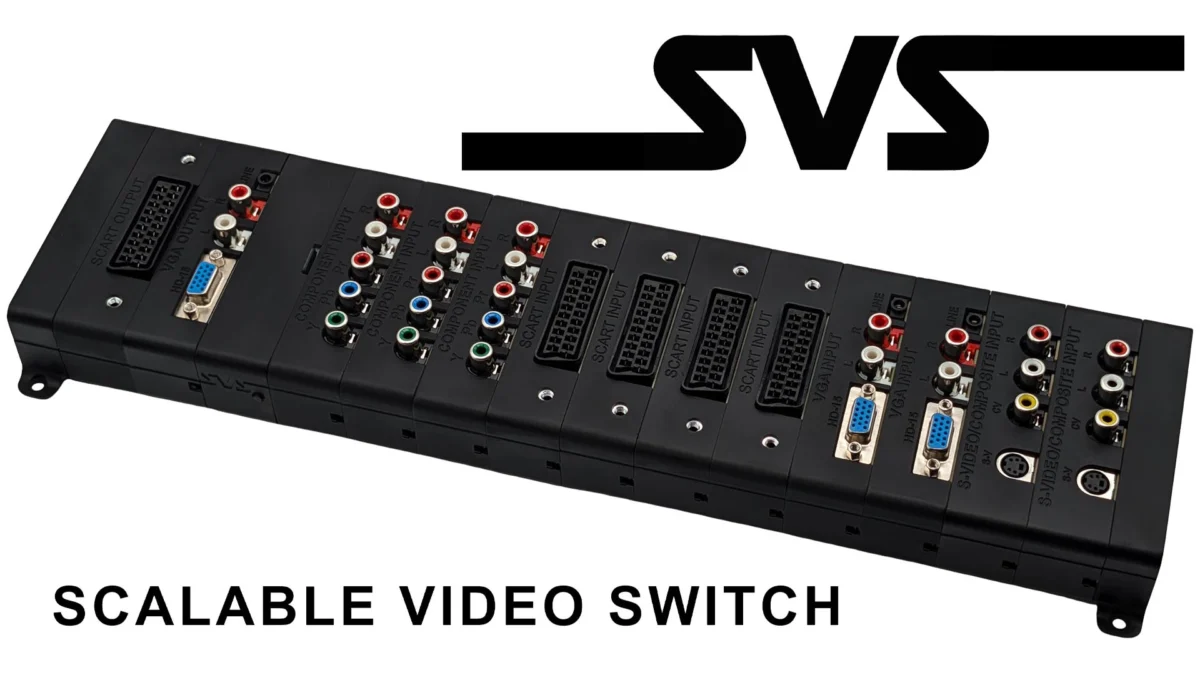
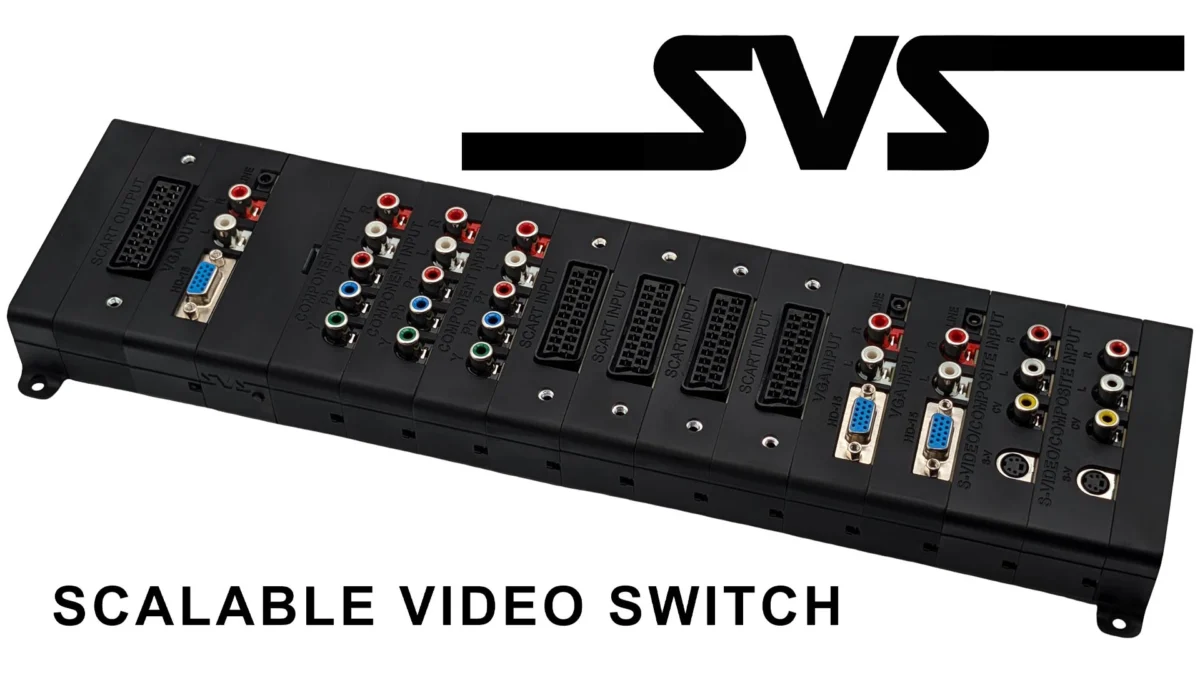
The entire product ecosystem for the Scalable Video Switch (SVS), a modular and sophisticated routing solution designed for retro-gaming enthusiasts and complex analog-to-digital video setups, is now fully in stock and actively preparing for shipment. Creator Arthrimus has successfully brought all individual modules out of the prototyping and pre-order phases, marking a significant milestone for a device that has garnered substantial attention within the vintage computing and video-preservation communities. According to the announcement, fulfillment for the current batch is scheduled to commence immediately, offering a streamlined purchasing experience for consumers who have previously faced the uncertainties of long production queues.
Beyond the initial inventory drop, the manufacturing pipeline has been restructured to address one of the most persistent hurdles in modern enthusiast hardware development: supply chain bottlenecks. By decentralizing or modularizing the fabrication process, individual component modules can now be replenished within a matter of days rather than months. This operational shift effectively eliminates the necessity for conventional pre-order campaigns moving forward, assuming global electronic component markets do not experience unforeseen systemic shortages similar to those seen earlier in the decade. Interested buyers can access the hardware directly via the official Scalable Video Switch product portal.
The Evolution of Video Routing in Retro Gaming
To understand the significance of the Scalable Video Switch entering regular stock, one must examine the complex landscape of retro-gaming hardware. For decades, enthusiasts utilizing cathode-ray tube (CRT) televisions, broadcast monitors, and modern flat-screen upscalers have struggled with signal management. Standard consumer television sets typically offered limited composite or RF inputs, while professional gear relied on BNC, SCART, or component connections. As collections of vintage consoles—ranging from the Nintendo Entertainment System to the sixth-generation Sega Dreamcast and Sony PlayStation 2—grew, the need for robust video switchers became paramount.
Traditional switchers were often static, proprietary, or limited in scalability. Gamers frequently had to daisy-chain multiple switching boxes, resulting in signal degradation, audio interference, and cable management chaos. The introduction of modular routing architecture changed this paradigm. The Scalable Video Switch was engineered to give users customizability, allowing them to scale their setups organically by adding specific input and output modules tailored to their exact collection of hardware. Whether routing RGB, component, S-Video, or composite signals, the architecture accommodated complex routing configurations that were previously exclusive to broadcast studios or high-end commercial AV installations.
Chronology and Development Milestones
The journey of the Scalable Video Switch from concept to a readily available retail product spans several years of engineering, community feedback, and iterative manufacturing refinements.
In its initial phases, the project existed primarily within niche developer circles and technical forums, where the demand for a truly transparent, high-bandwidth video switcher was heavily debated. As prototypes matured, Arthrimus showcased early iterations to gauge community interest and identify potential signal integrity flaws. These early demonstrations highlighted the device’s ability to maintain pristine video fidelity across various resolutions and signal types without introducing latency or color distortion.
Public awareness expanded significantly when prominent retro-gaming content creators, most notably the channel My Life In Gaming, featured comprehensive examinations of the hardware. Their deep-dive reviews demonstrated how the SVS could integrate into advanced multi-console setups, bridging the gap between legacy analog hardware and modern capture cards or upscalers like the OSSC and RetroTINK series. These showcases translated into high demand, which quickly outpaced early manufacturing capacities and necessitated the use of pre-order windows—a standard practice for boutique hardware creators working with limited initial capital and specialized parts.
The transition from pre-order dependence to a standard inventory model represents the culmination of these manufacturing lessons. By stabilizing the supply chain for individual sub-modules, Arthrimus has mitigated the financial risk and consumer frustration typically associated with small-batch electronics production.
Manufacturing Resilience and the Elimination of Pre-Orders
The decision to abandon pre-order models is a noteworthy development within the boutique hardware sector. Historically, independent creators of niche gaming accessories have relied on crowd-funding or multi-month pre-order cycles to finance production runs. While effective for gauging demand, this model leaves projects vulnerable to global supply chain disruptions, component obsolescence, and severe fulfillment delays.

Arthrimus’s updated manufacturing strategy focuses on modular inventory replenishment. Rather than producing monolithic units in massive, infrequent batches, the production line is optimized to manufacture discrete modules independently. If a specific input card or control module experiences high demand, suppliers and assembly partners can replenish that specific SKU within days. This just-in-time methodology reduces warehousing overhead for the creator while providing consumers with immediate purchasing gratification.
However, industry analysts note a critical caveat embedded in the announcement: the reliance on global semiconductor and passive component markets. While the new framework minimizes standard operational delays, the production ecosystem remains susceptible to macro-level shocks, such as silicon shortages or logistics bottlenecks, which have periodically disrupted the consumer electronics industry over the past several years. Barring such extreme disruptions, the era of prolonged waiting lists for the SVS appears to be over.
Community Integration and Technical Exploration
As the hardware transitions into widespread availability, the broader retro-gaming and technical communities are preparing to test its limits. The flexibility of the SVS has made it a favorite subject for hardware modifiers and technical streamers who specialize in unorthodox audio-visual setups.
Upcoming demonstrations, including planned livestreams from prominent community figures, aim to evaluate the switch under extreme or non-standard use cases. These tests are vital for validating the hardware’s durability and signal tolerance. By pushing the switch beyond normal consumer operating parameters—such as handling complex sync signals, unconventional resolutions, or multi-format signal conversions—reviewers provide valuable empirical data to both the creator and prospective buyers.
Furthermore, the educational content produced by channels like My Life In Gaming serves as an ongoing reference library for users navigating the complexities of high-end video routing. As more units land in the hands of consumers, community-driven guides and troubleshooting forums are expected to expand, further cementing the SVS as a foundational component in the modern retro-gaming preservation space.
Broader Market Implications and Future Outlook
The successful commercial scaling of the Scalable Video Switch reflects a maturing market for legacy video preservation hardware. As original analog displays age and become increasingly scarce, the burden shifts to external devices capable of interfacing vintage hardware with contemporary digital display technologies. Consumers are no longer satisfied with low-quality, lossy signal adapters; instead, they demand broadcast-quality transparency, durability, and modular expandability.
By solving the manufacturing and distribution bottlenecks that plague many independent tech projects, the SVS sets a potential benchmark for other boutique creators in the space. The ability to transition from a niche, pre-order-dependent project to a consistently stocked product line demonstrates economic viability and operational maturity.
For retro-gaming enthusiasts, preservationists, and technical hobbyists, the immediate availability of all SVS modules removes a major barrier to entry. Setting up a professional-grade, interference-free video routing system is now more accessible than at any previous point in the product’s lifecycle. With shipping slated to begin immediately and restocking times reduced to days, the Scalable Video Switch stands poised to become a ubiquitous fixture in advanced retro-gaming laboratories and home theaters worldwide.