Chalid Lutfie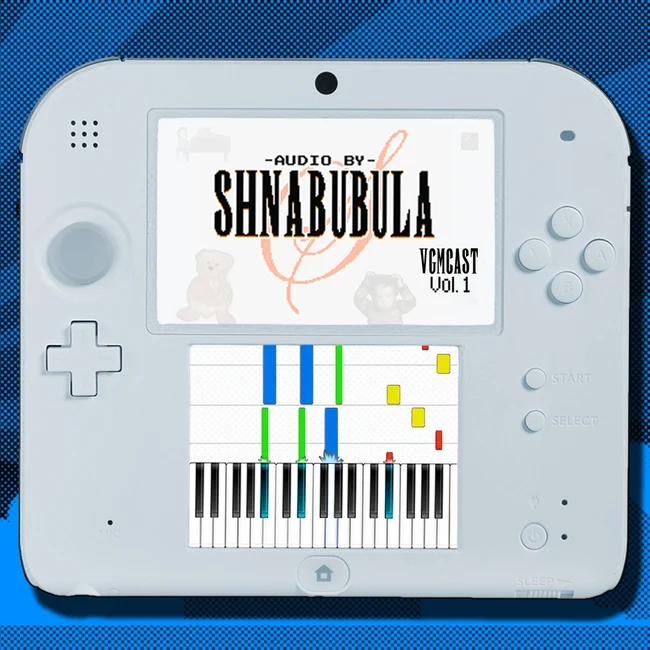
The contemporary landscape of digital music performance has witnessed a significant evolution with the return of Samuel Ascher-Weiss, the virtuoso pianist and composer professionally known as Shnabubula. On May 18, 2015, Ascher-Weiss officially inaugurated a high-intensity, interactive music project designed to test the limits of improvisational learning and live performance. This initiative, hosted on the streaming platform Hitbox, represents a dual-phase weekly commitment where the artist engages in real-time pedagogy and virtuosic execution of video game music (VGM) and miscellaneous requests provided by a global audience. The project serves not only as a platform for audience engagement but also as a rigorous personal challenge for Ascher-Weiss to expand his repertoire and refine his technical proficiency under the constraints of a live broadcast environment.
The Structural Framework of the Shnabubula Live Series
The initiative is organized into a disciplined two-part schedule that maximizes both transparency in the creative process and the polish of the final performance. According to the official announcement, the weekly cycle begins every Friday on the Hitbox platform. During this session, which spans eight and a half hours from 12:00 PM to 8:30 PM EST (GMT -5), Ascher-Weiss accepts requests directly from the viewing community. This "learning phase" is characterized by its raw, unfiltered look at the musical process. Unlike traditional recitals where the preparation is hidden from the public, this project invites viewers to witness the transcription, memorization, and arrangement of complex melodies and harmonies in real-time.
Following a forty-eight-hour period of internalizing the newly acquired material, the second phase of the cycle takes place on Sunday at 4:00 PM EST. This session is dedicated to a formal performance where Ascher-Weiss presents a curated setlist comprising the songs learned during the Friday marathon. This structure provides a unique longitudinal view of musical development, allowing the audience to track the progression of a piece from its initial request to a concert-ready arrangement.
Analytical Breakdown of the Performance Output
The efficacy of this intensive schedule was demonstrated in the project’s inaugural week. Ascher-Weiss successfully processed and performed 14 distinct musical pieces within the initial cycle. These recordings have subsequently been archived and released via YouTube and digital download platforms, serving as a permanent record of the session’s productivity. The initial setlist highlights the diversity of the requests, ranging from obscure Japanese role-playing game soundtracks to iconic Western platformer themes.
Data from the first session indicates a high level of technical complexity. The average length of the learned pieces varied, but the cumulative performance time for the Sunday setlist suggests a high density of information retention. By mastering 14 songs in a single eight-hour window on Friday, Ascher-Weiss maintained an average learning rate of approximately one new arrangement every 35 minutes, inclusive of short breaks and audience interaction. This rate of acquisition is considered exceptional within the field of professional piano performance, particularly given the intricate rhythmic and melodic structures common in the chiptune and VGM genres.
Contextual Background: Shnabubula and the VGM Community
To understand the significance of this project, one must consider the professional background of Samuel Ascher-Weiss. Long recognized as a polymath in the independent music scene, Ascher-Weiss has built a reputation through his contributions to the chiptune community and his work on the OverClocked ReMix (OC ReMix) platform. His ability to blend classical piano techniques with the aesthetic of 8-bit and 16-bit sound chips has earned him a dedicated following.
Historically, Ascher-Weiss has been known for his mastery of the Game Boy’s internal sound hardware, as well as his expansive jazz-fusion interpretations of video game classics. The "Shnabubula Live" project on Hitbox marks a shift toward a more structured, service-oriented performance model. It moves beyond the traditional "album release" cycle and adopts the "content creator" model prevalent in the mid-2010s, where consistent, high-frequency engagement is paramount.
The Role of Hitbox.tv in the 2015 Streaming Market
The choice of Hitbox.tv as the primary broadcasting hub is a noteworthy detail in the project’s logistical setup. In 2015, the live-streaming market was dominated by Twitch, but Hitbox sought to differentiate itself through technical advantages, specifically lower latency. For a musician like Ascher-Weiss, who relies on real-time feedback for song requests and interactive dialogue, the "sub-second" latency offered by Hitbox was a critical tool. This allowed for a more seamless "call and response" dynamic between the performer and the audience, which is essential for a request-based format.
Furthermore, the decision to archive these performances on YouTube and offer them as downloadable albums reflects a multi-platform distribution strategy. This ensures that while the live "event" occurs on Hitbox, the musical output remains accessible for long-term consumption and archival purposes, catering to fans who may be unable to attend the live broadcasts due to time zone differences.
Chronology of the Project’s Inception
The timeline of the project’s launch provides insight into its rapid integration into the artist’s workflow:
- Mid-May 2015: Ascher-Weiss conceptualizes the request-and-perform model to bridge the gap between practice and public display.
- May 15, 2015: The first "Friday Learning Stream" occurs, resulting in the acquisition of 14 new songs over an 8.5-hour period.
- May 17, 2015: The inaugural "Sunday Performance Stream" takes place, featuring the polished versions of the 14 requested tracks.
- May 18, 2015: The official announcement of the project is disseminated across social media and music news outlets, accompanied by the release of the recorded setlist on YouTube and digital download stores.
This timeline demonstrates a highly efficient production pipeline, transforming a live interaction into a permanent digital product within 72 hours.
Community and Industry Reactions
While formal statements from industry organizations are pending, the initial reaction from the VGM community has been overwhelmingly positive. Observers note that the project demystifies the process of musical virtuosity. By showing the "work" behind the performance, Ascher-Weiss provides an educational service to aspiring musicians. Logical inferences from community forums suggest that the interactive nature of the stream fosters a sense of "co-creation," where the audience feels a proprietary interest in the Sunday performance because they provided the source material on Friday.
Music critics and technologists have also noted the project’s implications for the "Process as Product" trend. In this paradigm, the act of creation is considered as valuable as the finished artwork. Ascher-Weiss’s willingness to struggle with difficult passages or navigate complex modulations live on camera humanizes the virtuoso, creating a deeper emotional connection with the listener.
Broader Implications for Music Education and Performance
The "Shnabubula Live" project carries several broader implications for the future of music in the digital age. First, it highlights the viability of live-streaming as a pedagogical tool. The 8.5-hour learning blocks serve as a masterclass in ear training and rapid arrangement. For students of music, observing how a professional breaks down a complex VGM track into manageable components is an invaluable resource that traditional textbooks cannot replicate.
Second, the project underscores the increasing legitimacy of video game music as a genre demanding high-level technical skill. The songs requested are often characterized by non-idiomatic piano writing—melodies originally intended for synthesized sound chips that do not adhere to the physical limitations of human hands. Ascher-Weiss’s ability to adapt these for the piano in such a short timeframe validates the complexity of the source material.
Finally, the initiative reflects the shifting economics of the music industry. As traditional album sales continue to fluctuate, "event-based" music creation offers a sustainable alternative. By providing a recurring, scheduled event, Ascher-Weiss builds a habit-forming relationship with his audience, which can be monetized through platform subscriptions, donations, and digital album sales.
Future Outlook and Conclusion
As the project continues, the volume of the Shnabubula repertoire is expected to grow exponentially. If the current rate of 14 songs per week is maintained, the artist will have added over 700 new pieces to his performance library within a single year. This aggressive expansion of material positions Ascher-Weiss as one of the most prolific active performers in the digital space.
The "Shnabubula Live" series is more than a simple request show; it is a high-stakes experiment in musical endurance and community-driven art. By leveraging the technical capabilities of Hitbox and the archival power of YouTube, Samuel Ascher-Weiss has created a sustainable ecosystem for the celebration and expansion of video game music. The project stands as a testament to the potential of live-streaming to transform the relationship between the artist, the instrument, and the audience, moving the focus from a static finished product to a dynamic, living process of musical discovery.