Arya Paningal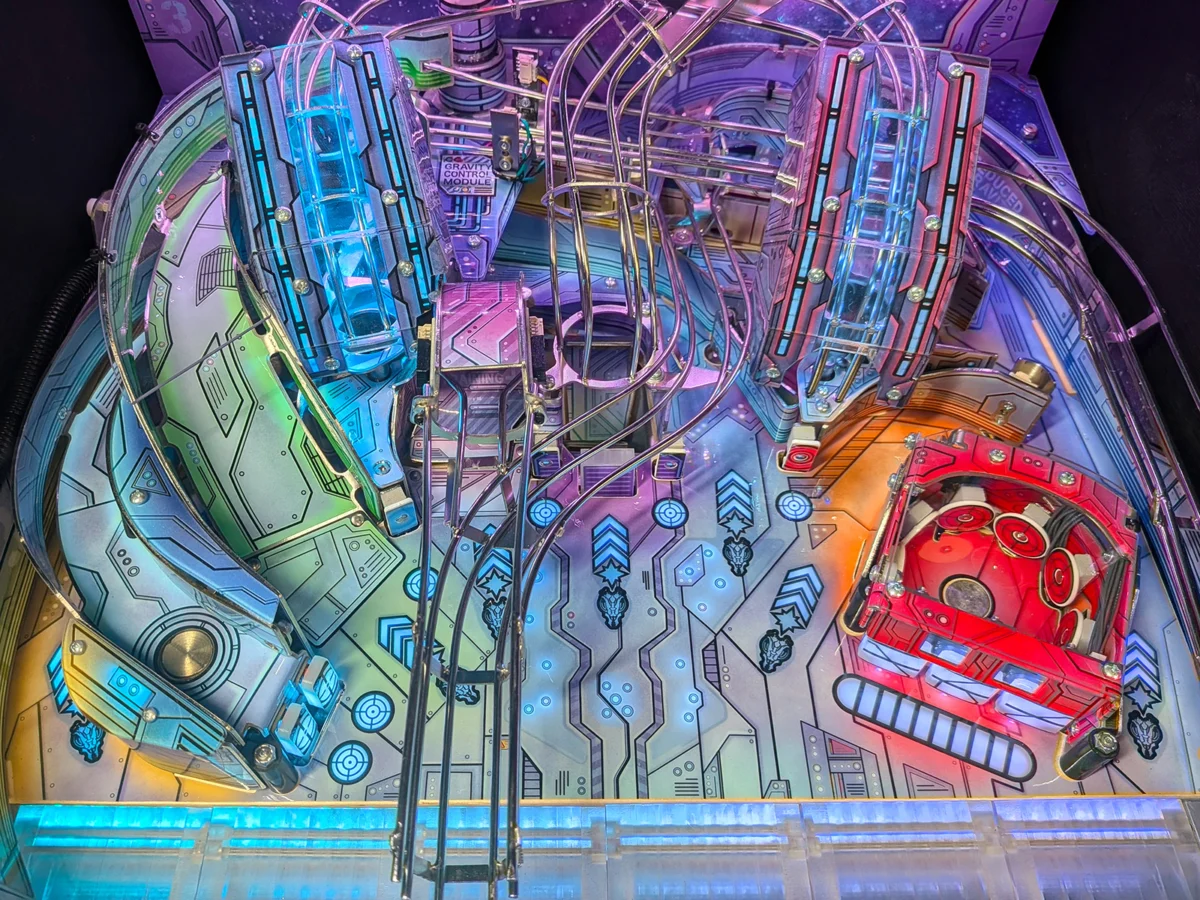
The Genesis of a Dual-Title Strategy
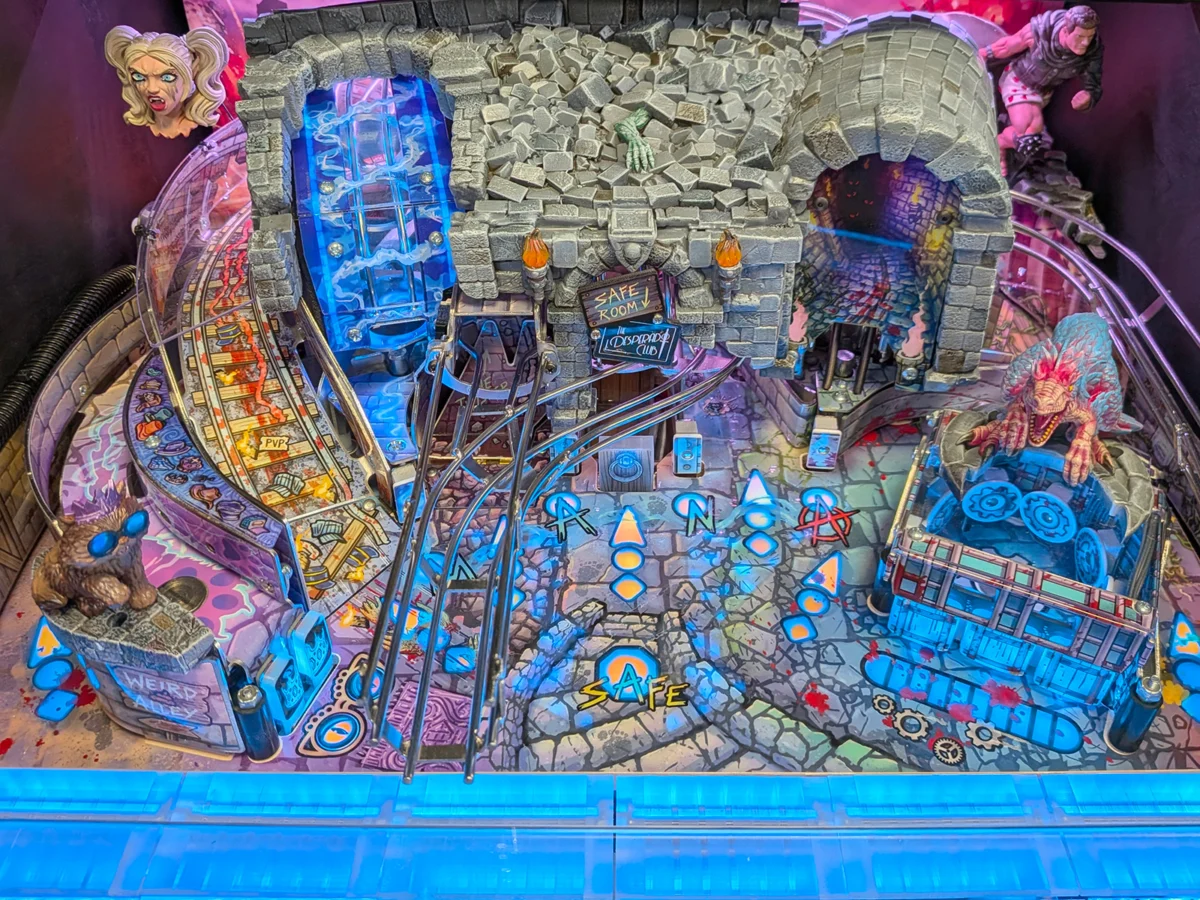
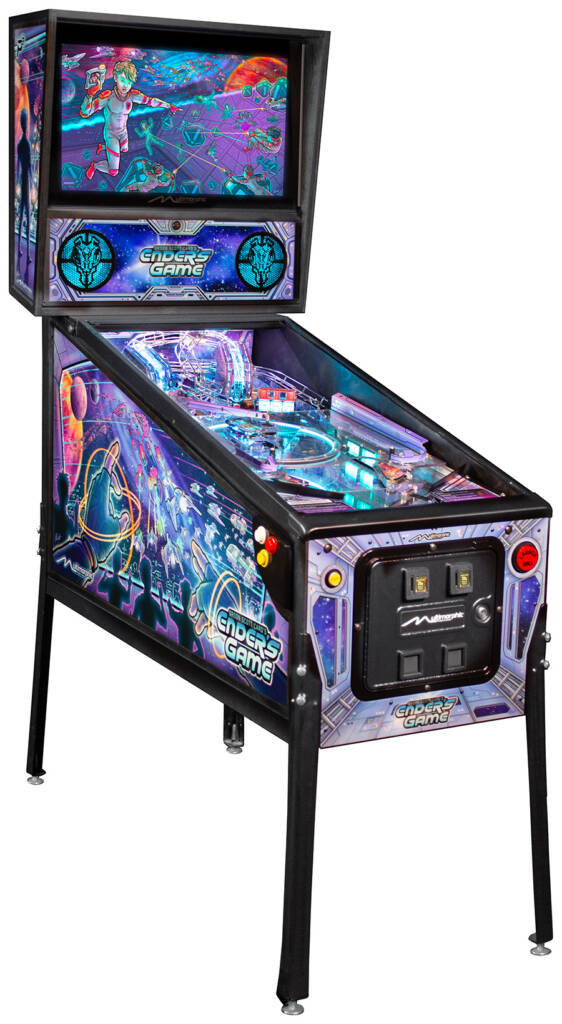
The development of Ender’s Game began as an independent project, rooted in the science fiction classic by Orson Scott Card. During the initial design phase, the engineering team at Multimorphic recognized that the physical requirements for the playfield—including specific ramp configurations and ball-tracking needs—mirrored those required for the then-simultaneous development of the Dungeon Crawler Carl title. By unifying these requirements, the company optimized its manufacturing efficiency without compromising the creative integrity of either game.
Gerry Stellenberg, head of Multimorphic, noted that the decision to pursue a dual launch was met with immediate internal consensus. "We originally planned for two separate designs for these games, but when we got into the details, we realized we were discussing similar physical feature concepts for both," Stellenberg explained. The result is a robust development model where teams work in lockstep, ensuring that despite shared hardware, the software and artistic execution remain entirely bespoke.
Literary Origins and Theme Integration
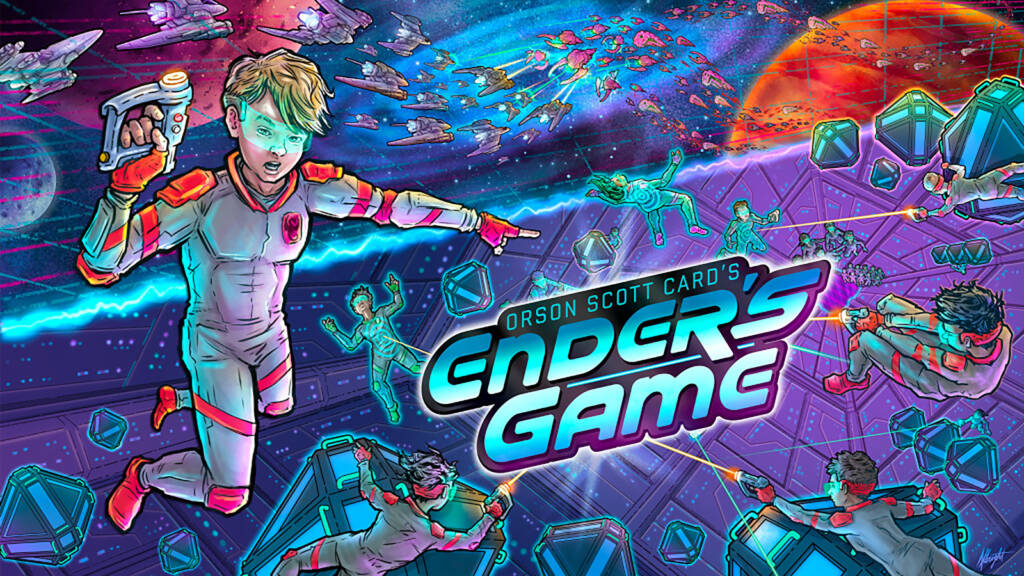
Orson Scott Card’s Ender’s Game, first published as a short story in 1977 and later expanded into the iconic 1985 novel, provides a dense narrative framework for the pinball experience. The story follows Andrew "Ender" Wiggins, a young tactical genius recruited into an elite military academy—Battle School—to prepare for an inevitable third invasion by an insectoid alien race known as the "Buggers."
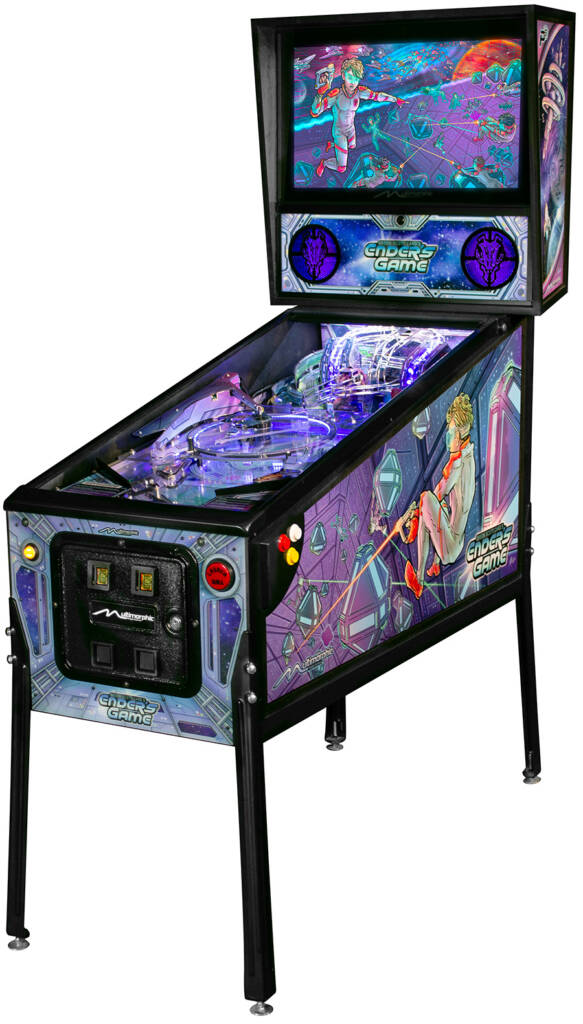
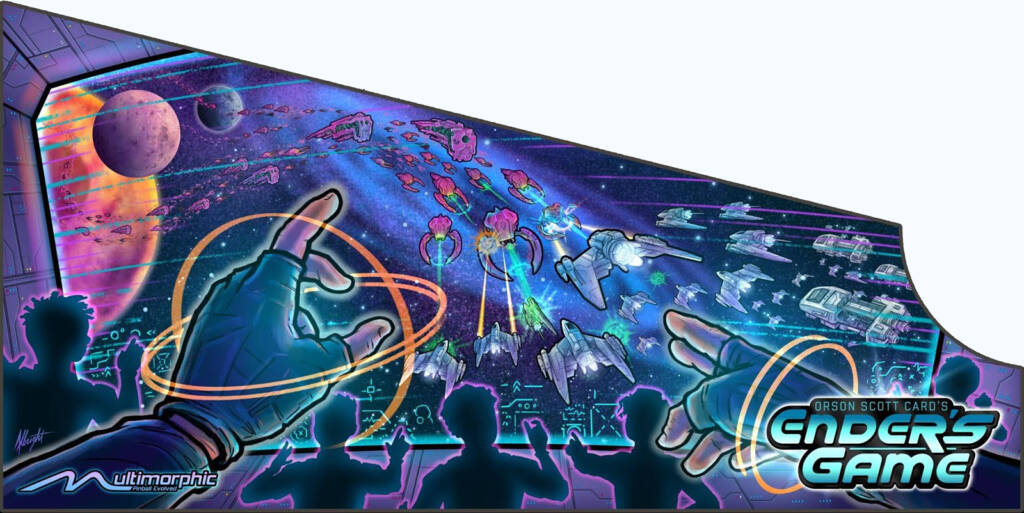
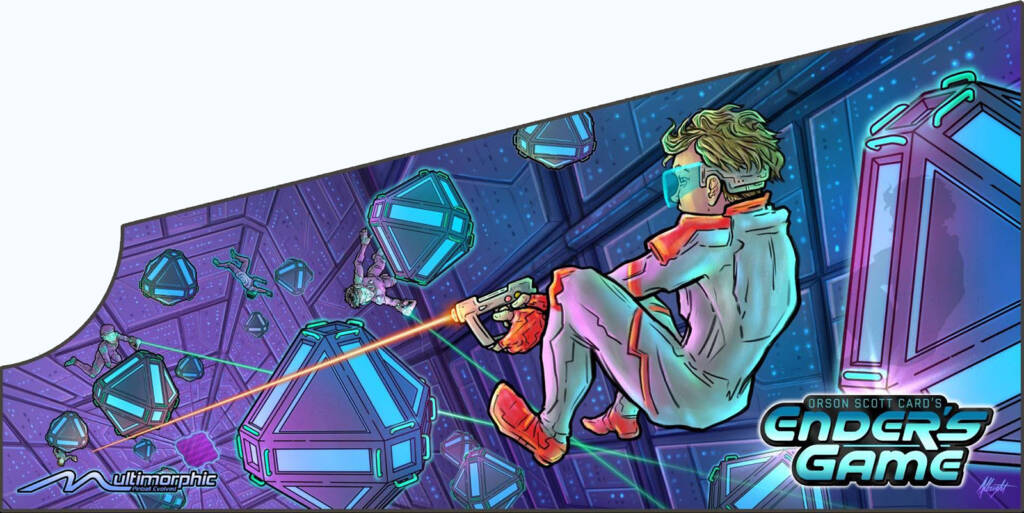
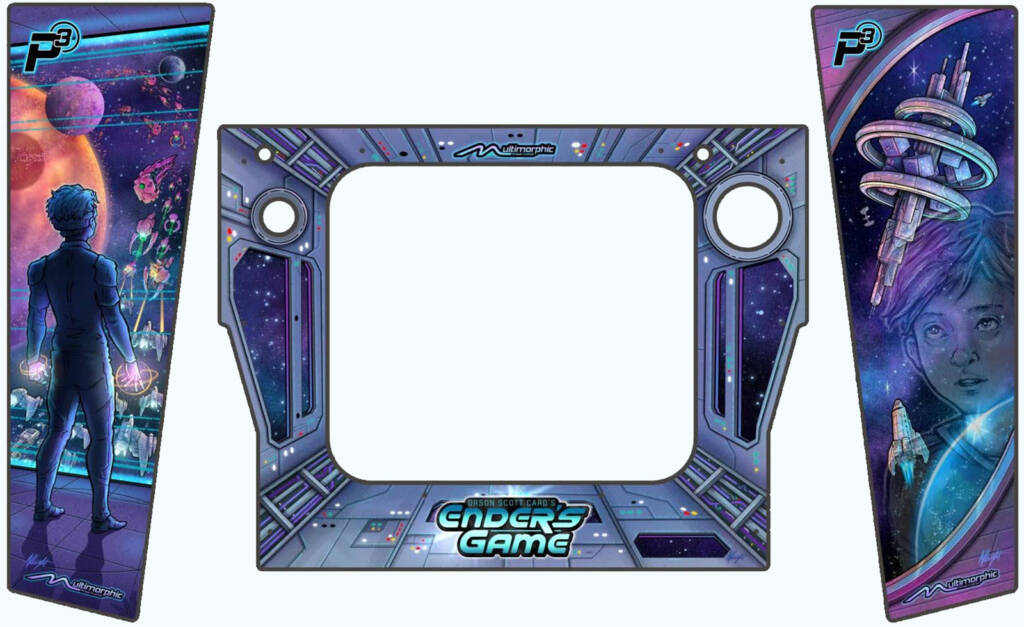
The pinball adaptation focuses heavily on the psychological evolution of Ender, drawing on the interplay between his supportive sister, Valentine, and his volatile brother, Peter. Unlike the 2013 film adaptation, which received mixed critical reception, the Multimorphic team chose to build their assets directly from the source material of the novel. This decision required a massive, ground-up creative effort. Lead artist Brad Albright, known for his work on the P3 Portal game and Barrels of Fun’s Winchester Mystery House, spearheaded the visual identity, creating original character portrayals and environmental designs that reflect the internal struggle of the protagonist rather than relying on external film assets.
Mechanical Architecture and Gameplay Features
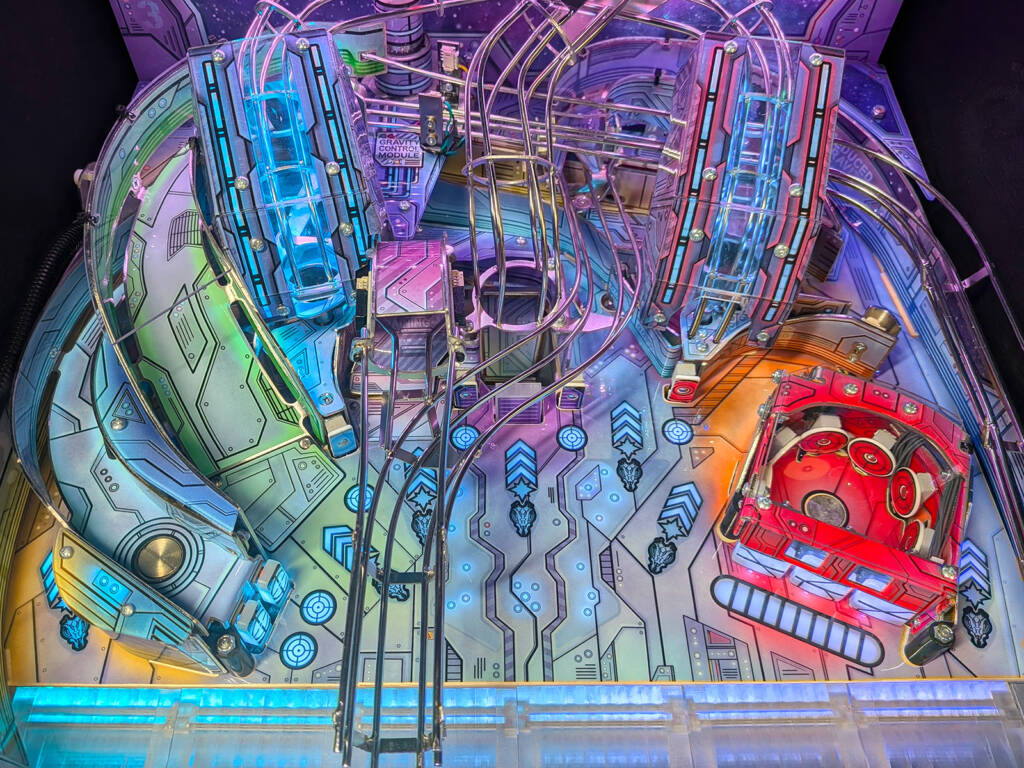
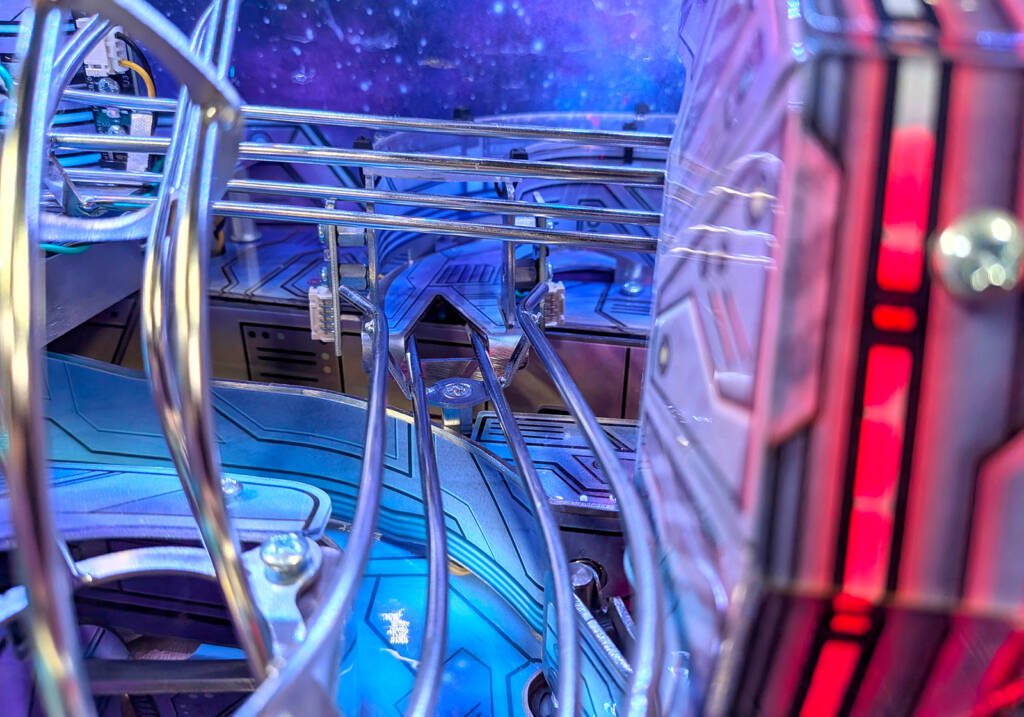
The playfield design for Ender’s Game prioritizes an open aesthetic, moving away from the heavy use of plastic sculpts found in Dungeon Crawler Carl to emphasize the game’s psychological motifs.
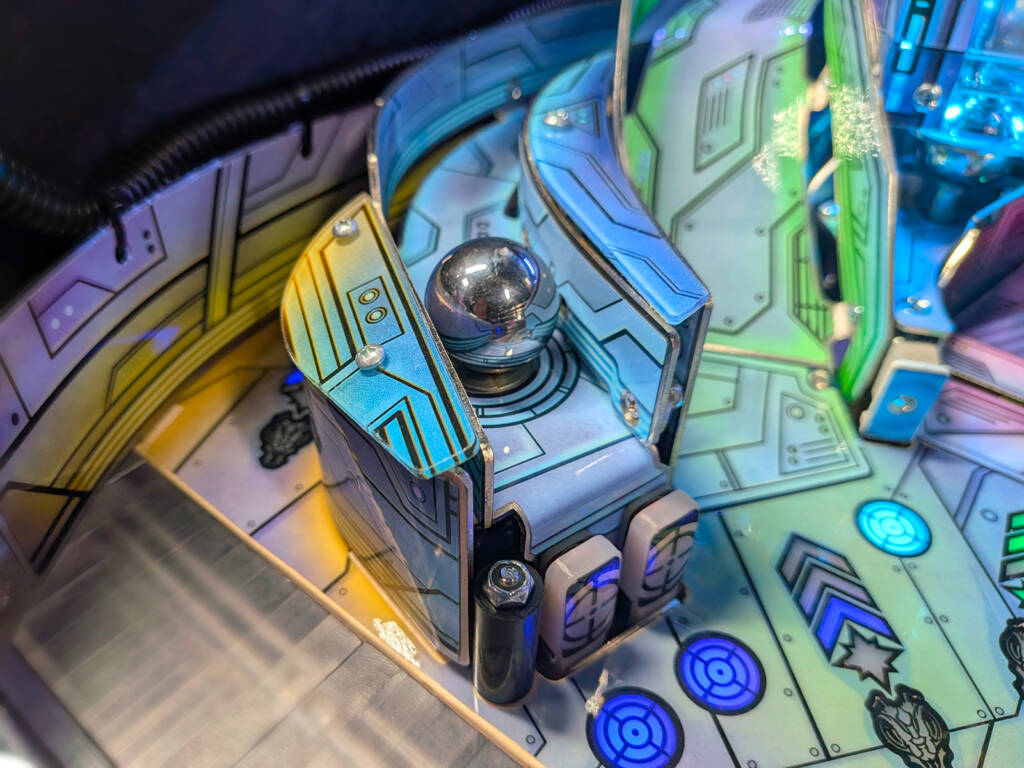
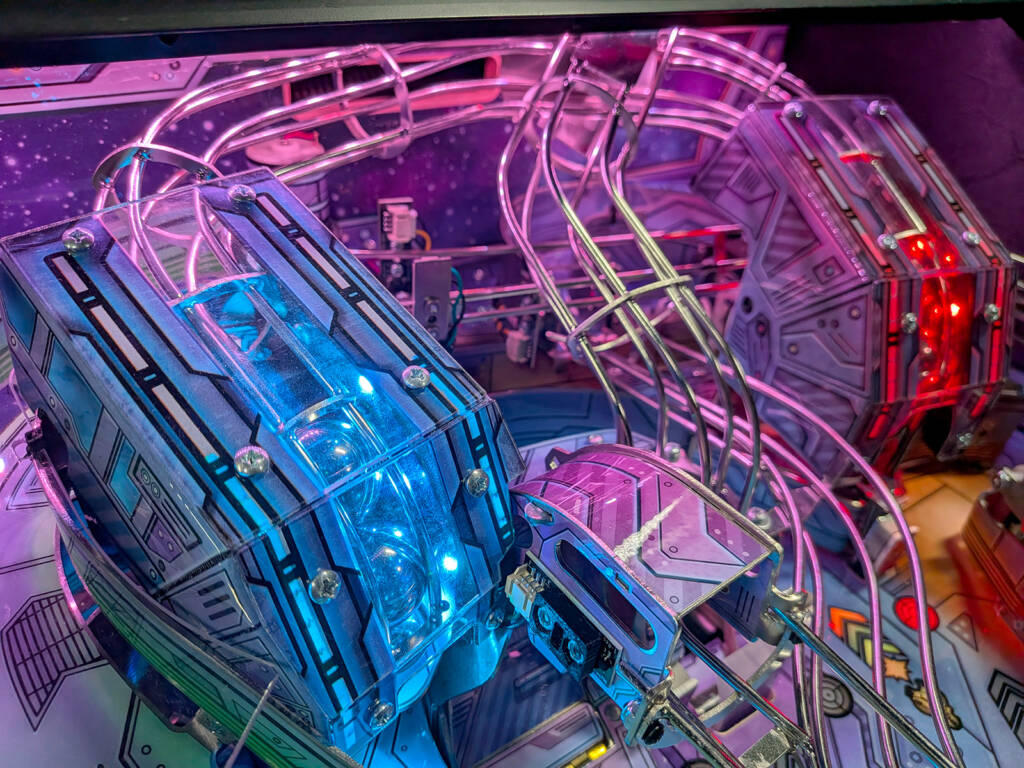
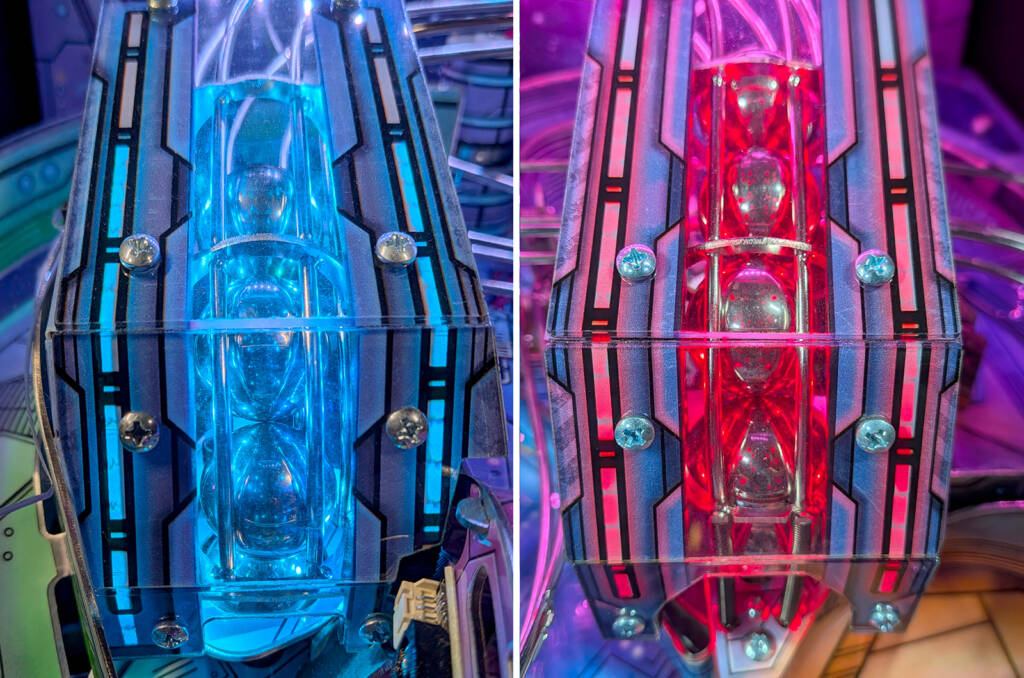
Central to the gameplay is the "Balance Mech," a complex system of dual ball stackers. The left stacker, representing Valentine’s empathy, releases balls with a gentle touch, while the right stacker, representing Peter’s aggression, expels them with force. This system forces the player to manage a delicate equilibrium; they must accumulate balls and transfer them between the two sides to trigger specific modes.
Other key mechanical features include:
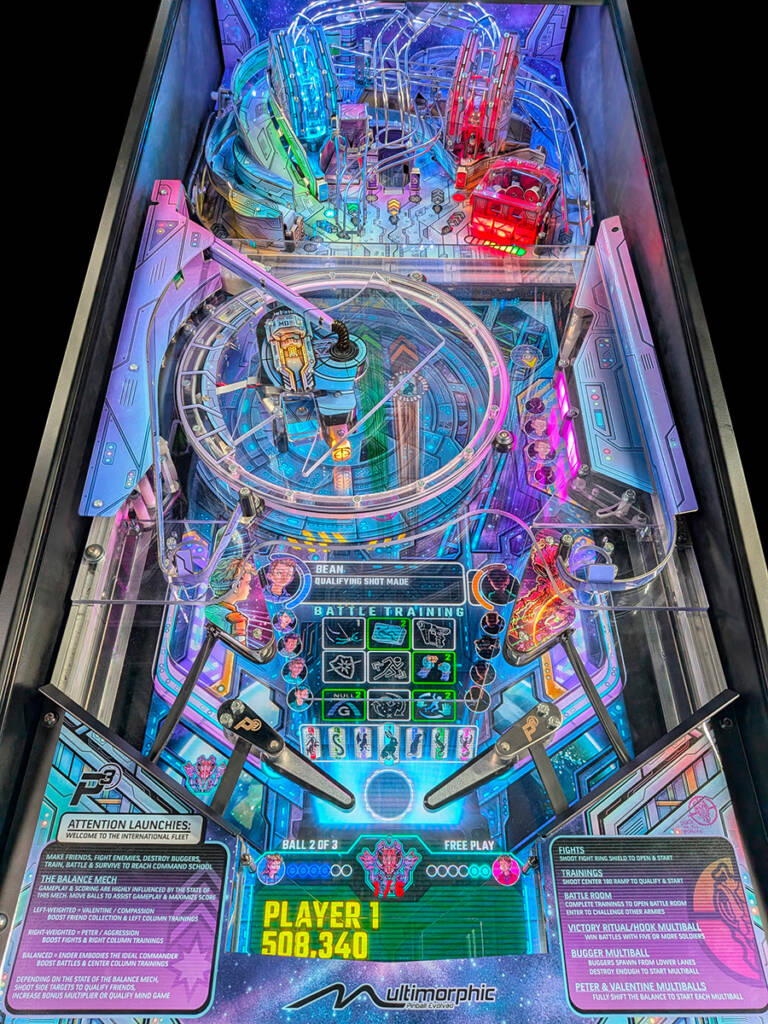
- The Disk: A large, clear acrylic assembly suspended over the playfield, rotated by a stepper motor. It serves as both a distribution point for the ball and a mounting surface for the cannon, which allows players to target specific objectives.
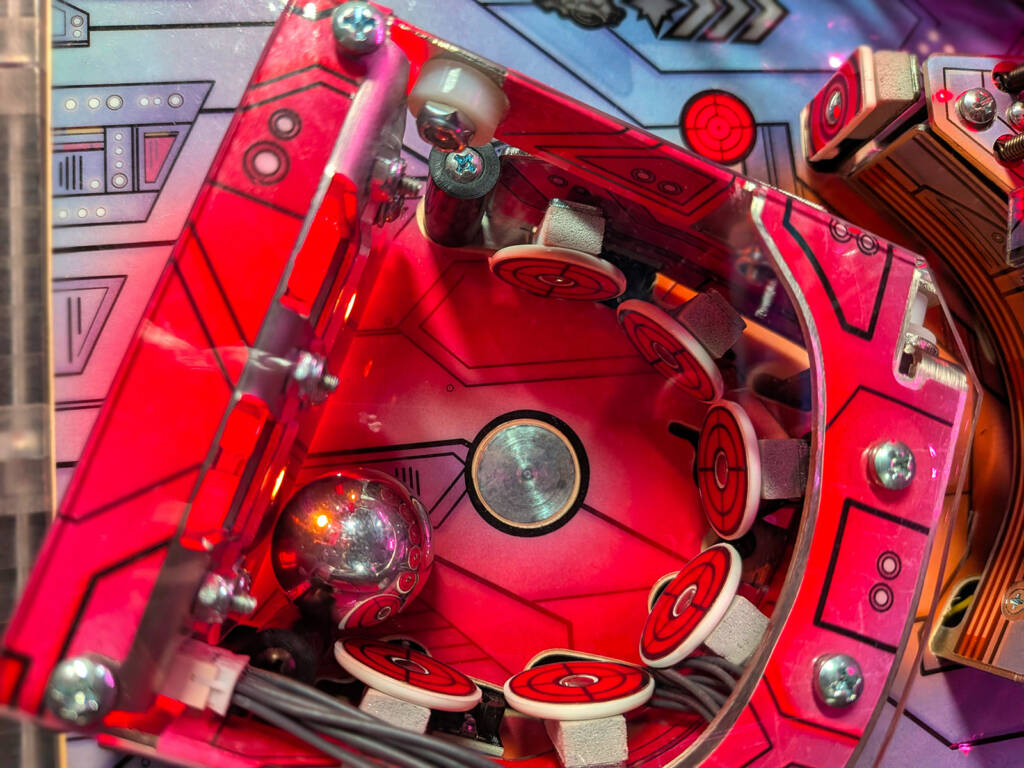
- The Fight Ring: An arena-style module covered by a drop-target bank. Once the targets are cleared, the cover retracts to reveal a six-target array with a central, player-controlled "disruptor magnet," allowing for dynamic ball movement during combat sequences.
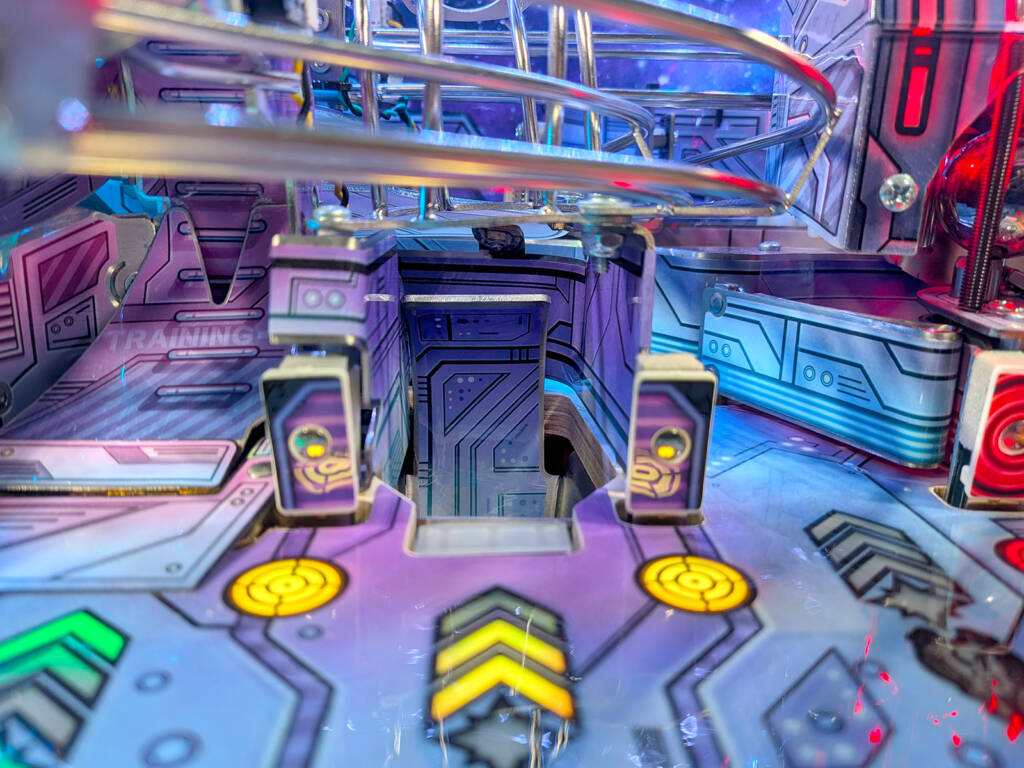
- Integrated Slingshot Blockers: A new hardware update featuring small posts on the slingshot armatures. These function as physical ball stoppers, allowing the game to hold the ball in the inlane for mode introductions or to provide the player with a brief moment to stabilize their shot.
Economic and Production Outlook
Multimorphic has structured the release to be accessible to both new customers and existing owners of the P3 platform. The full, branded P3 machine is priced at $11,750, while current P3 owners can purchase the dedicated game kit for $4,400.
Production is currently slated for the final quarter of 2026. While the company typically manages a 10-to-12-week lead time for full machines, the industry expects a surge in demand following the announcement. The modular nature of the P3 system, which allows for the hot-swapping of playfields, is a primary driver for the game kit sales, as owners of previous titles can transition to Ender’s Game without the necessity of a full cabinet replacement.
Technical and Creative Collaboration
The production of Ender’s Game represents a collaborative effort led by creative directors Stephen Silver and Josh Kugler. The audio package, a critical component in conveying the high-stakes, high-tech nature of the story, was developed by Aaron Williams, Paul Farrer, and sound designer Glenn Waechter. The voices of the characters are provided by a diverse cast, including children, to maintain the thematic focus on the young protagonists of the novel.
Notably, the team received guidance from Orson Scott Card early in the development process. According to company leadership, Card provided foundational input but allowed the design team creative autonomy, resulting in a streamlined approval process for the game’s assets.
Broader Implications for the Pinball Industry
The dual-title release from Multimorphic signifies a shift in how boutique manufacturers approach development cycles. By leveraging a common physical platform for two thematically distinct games, Multimorphic is maximizing R&D ROI while catering to diverse player interests—one demographic drawn to the gritty, humorous survivalism of Dungeon Crawler Carl, and another to the high-concept, coming-of-age science fiction of Ender’s Game.
This approach also addresses the common criticism of long wait times in the pinball industry. By parallel-tracking the development of two games on a single hardware chassis, the manufacturer can keep its production lines active and provide a wider variety of content to its user base.
As the pinball community looks toward the fall of 2026, the success of Ender’s Game will likely serve as a litmus test for the viability of "platform-based" game releases. For enthusiasts, the inclusion of the "Balance Mech" and the sophisticated integration of the IR-sensor-based ball tracking suggests that Multimorphic remains committed to pushing the technical boundaries of what is possible in modern home-use pinball.
For those interested in a deeper analysis of the design choices and the collaborative process behind these releases, an upcoming installment of the Pinball News and Pinball Magazine PINcast, scheduled for release in early August, will feature interviews with the primary design leads. This interview is expected to provide further clarity on the long-term roadmap for the P3 platform and the specific challenges of adapting a dense literary narrative into a high-energy, fast-paced arcade environment.