Retno Hari Mulyono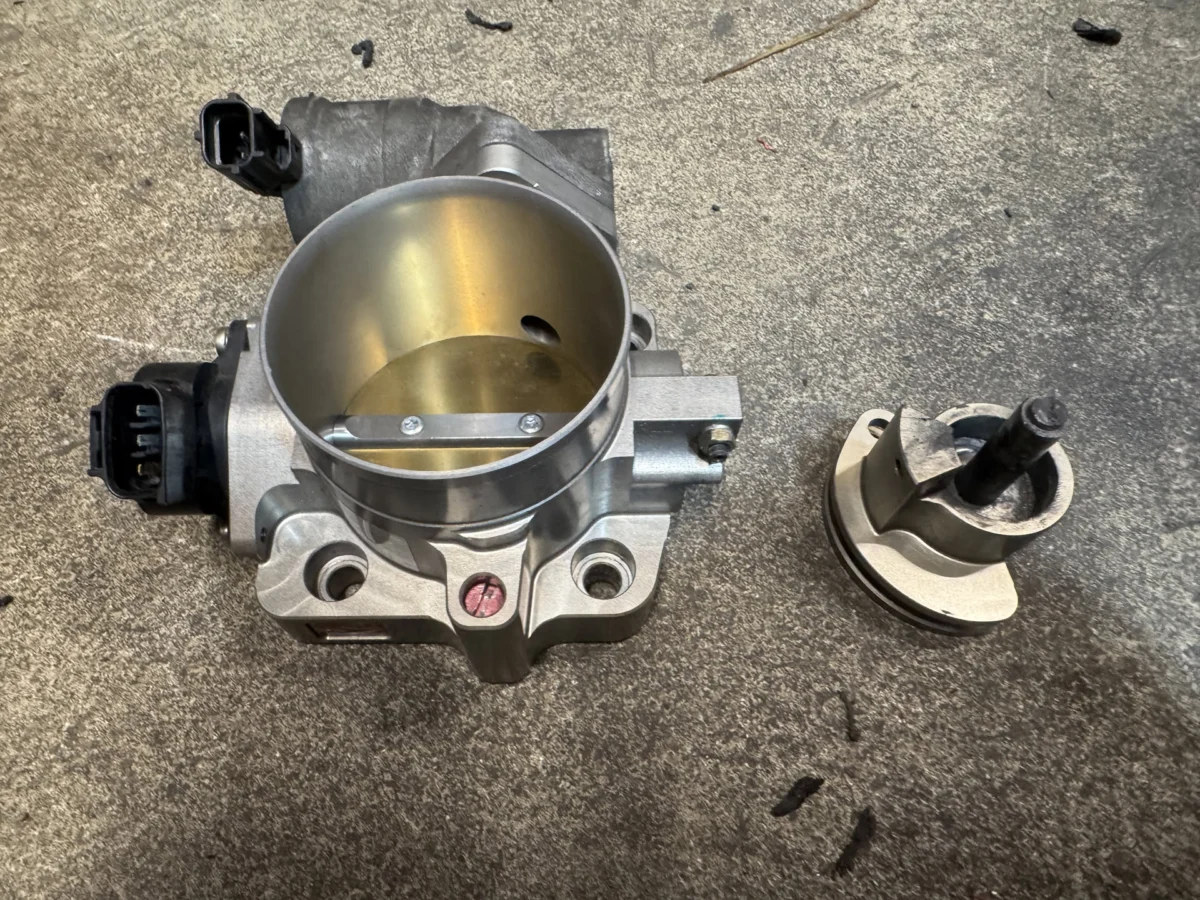
The automotive aftermarket for the Mazda MX-5 Miata, specifically the second-generation NB model (1998–2005), is currently witnessing a significant technological pivot as enthusiasts move away from traditional cable-driven throttle systems toward modern electronic drive-by-wire (DBW) configurations. This transition is driven by a confluence of mechanical reliability concerns regarding legacy hardware and the increasing accessibility of Controller Area Network (CAN) bus integration for standalone Engine Control Units (ECUs). While modern performance vehicles utilize DBW as a standard for precision and safety, the Miata platform has historically relied on mechanical linkages, a system that is increasingly viewed as a bottleneck for high-performance and track-oriented applications.
The Mechanical Limitation: Reliability Deficits in Cable-Driven Systems
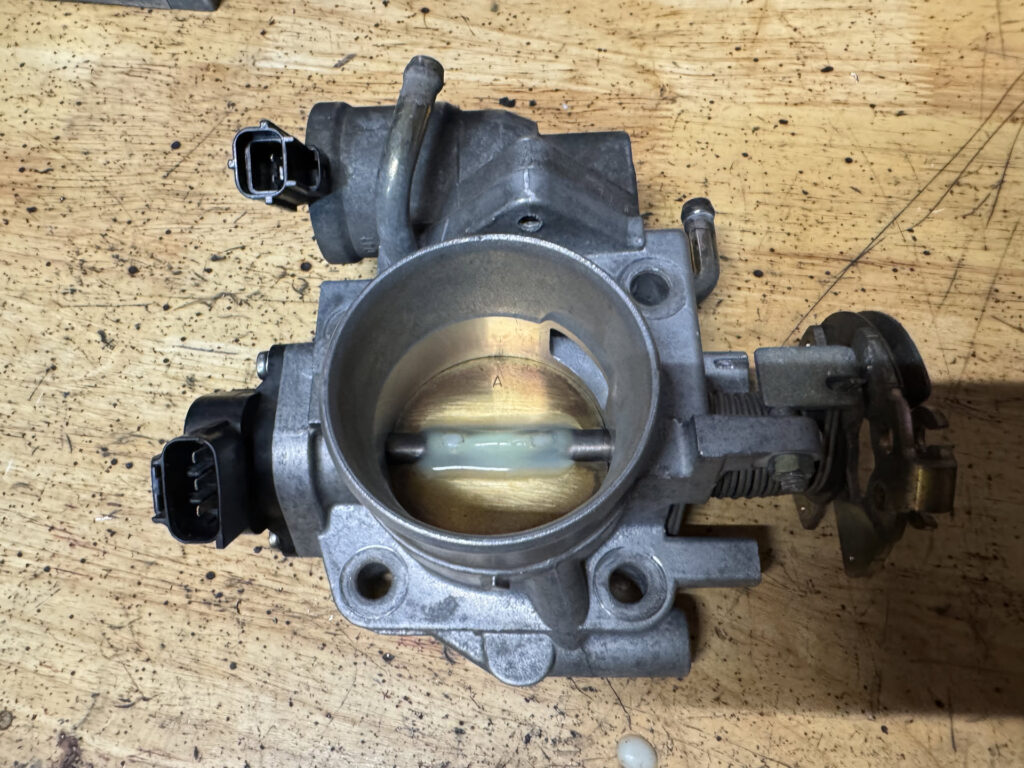
The primary catalyst for this shift is the documented failure rate of both stock and aftermarket cable-driven throttle bodies. For years, the Mazda community has utilized the Skunk2 throttle body as a performance upgrade; however, recent field data from track-day enthusiasts suggests a pattern of mechanical instability. Reports indicate two primary failure modes: the internal mechanisms sticking partially open—leading to dangerously high idle speeds—and total structural failure of the assembly under high-vibration racing conditions.
Furthermore, the original equipment manufacturer (OEM) Mazda throttle bodies are not immune to age-related degradation. Mechanical post-mortems of stock NB units have revealed instances where throttle blade screws back out of the shaft or the shaft itself snaps. In a high-revving internal combustion engine, such failures are catastrophic; should a screw be ingested into the intake manifold, it results in immediate and severe engine damage. While some tuners have attempted to mitigate these risks using industrial-grade epoxies, such as 3M DP420, to secure the throttle shaft, these remain temporary solutions to an inherent design limitation.

Technical Context: The Drive-by-Wire Advantage
Drive-by-wire technology replaces the physical steel cable connecting the accelerator pedal to the engine with an electronic signal. This system utilizes an Accelerator Pedal Position (APP) sensor to send a voltage signal to the ECU, which then commands an electric motor inside the throttle body to open the butterfly valve to a specific angle.
The adoption of DBW offers several distinct advantages for the Miata platform:
- Precision Idle Control: By eliminating the need for a separate, often finicky, Idle Air Control Valve (IACV), the ECU can manipulate the main throttle blade for minute adjustments, resulting in superior cold-start behavior and idle stability.
- Safety Protocols: Modern DBW systems include redundant sensors. If a discrepancy is detected between the pedal input and the throttle position, the system can automatically enter a "limp mode" or shut down the throttle, providing a level of fail-safe protection that mechanical cables cannot match.
- Tuning Versatility: Electronic control allows for advanced features such as programmable throttle maps (changing the sensitivity of the pedal), launch control, traction control integration, and seamless "auto-blip" downshifts, which synchronize engine RPM with gear changes.
The Megasquirt Integration Challenge
A significant hurdle in this modernization effort is the hardware compatibility of the Megasquirt MS3Pro Evo, a popular standalone ECU for the Miata. Unlike high-end competitors such as Haltech or MaxxECU, which feature native, built-in H-Bridge circuitry to drive the electric motors in a DBW throttle body, the Megasquirt platform requires external hardware to bridge this functional gap.
Recent firmware updates for the MS3 system have enabled communication via CAN bus, allowing the ECU to "talk" to external throttle controllers. This has spawned a specialized market for CAN-compatible DBW controllers. As of late 2024 and early 2025, five primary controllers have emerged as the leading candidates for this integration, each offering varying levels of complexity and price points.

Comparative Analysis of CAN-Compatible Controllers
| Controller Model | Estimated Price | Key Features | Market Positioning |
|---|---|---|---|
| DBWX2 | $500 | Dual throttle body support, TunerStudio integration | High-end/Multi-engine |
| AMP EFI | $300 | Auto-blip inputs, standalone capability, IP67 rated | Professional/Track |
| MS Labs | $350 | Advanced idle control, auto-blip (Non-US availability) | Feature-rich/Region-locked |
| LD Performance | $200 | Budget-friendly, basic functionality | Entry-level |
| SPTronics | $150 | Dual channel support, compact form factor | Value/Hobbyist |
The DBWX2, entering the market in 2019, established the baseline for reliability and is noted for its ability to manage two independent throttle bodies, a requirement for specialized "hot-side" supercharger setups. Conversely, the AMP EFI controller, released in October 2024, represents the latest iteration of the technology, offering robust weatherproofing and dedicated pins for brake and clutch inputs to facilitate rev-matching without complex ECU re-wiring.
Chronology of the Modernization Project
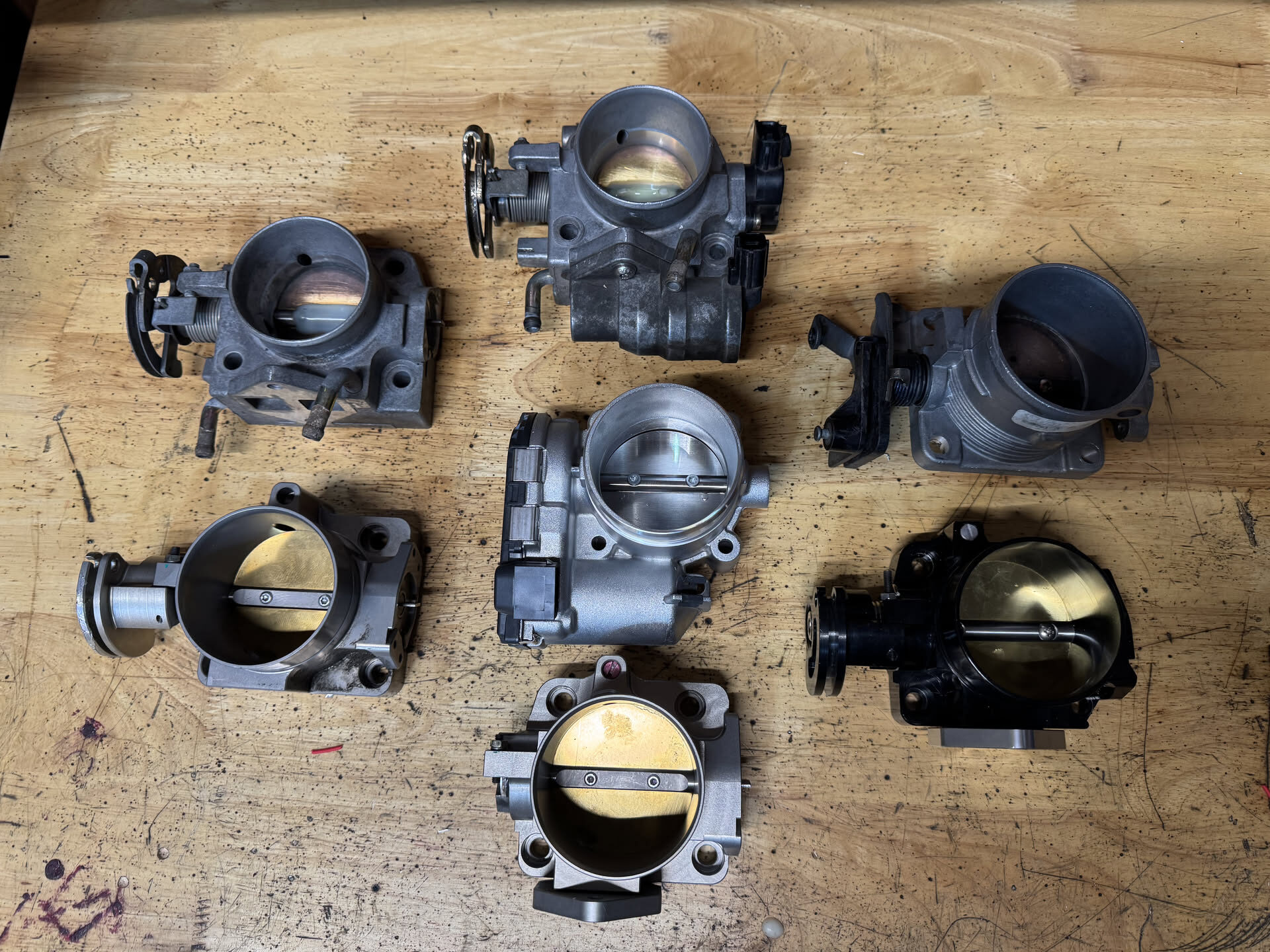
The transition for a standard NB Miata involves a multi-stage hardware overhaul. The current industry standard for the physical throttle unit is the Bosch Motorsports 60mm electronic throttle body. These units are favored for their OEM-grade reliability, widespread availability, and affordable price point of approximately $150. Because the Bosch unit does not share the Mazda bolt pattern, specialized adapters from firms like Outsider Garage or ChathamCNC are required to mate the 60mm bore to the stock Mazda intake manifold.

The implementation timeline for a typical conversion follows a structured path:
- Phase I: Hardware Acquisition: Sourcing the Bosch throttle body, intake adapter, and a suitable pedal sensor.
- Phase II: Pedal Conversion: To maintain the "tactile feel" of the original car, many tuners are repurposing the Honda cable-driven APP sensor (found in 2003–2007 V6 Accords). This allows the original Miata throttle cable to remain in place, pulling a sensor mounted in the engine bay rather than a physical butterfly valve.
- Phase III: Controller Installation: Mounting the external CAN controller and wiring it into the MS3Pro Evo’s CAN high and CAN low lines.
- Phase IV: Calibration and Validation: Utilizing TunerStudio software to calibrate the voltage sweep of the pedal and the PID (Proportional-Integral-Derivative) loop of the throttle motor to ensure rapid and accurate response.
Market Implications and Industry Reaction
The move toward DBW on the Miata platform reflects a broader trend in the "Restomod" community, where the goal is to retain the soul of a classic vehicle while upgrading its nervous system to modern standards. Industry analysts suggest that as the supply of vintage cable-driven parts dwindles and the prices of high-quality aftermarket replacements rise, electronic conversion becomes the more fiscally responsible path for long-term ownership.

Manufacturers of standalone ECUs have reacted to this trend by increasingly focusing on CAN bus expansion. The ability of a 25-year-old Mazda to perform perfect rev-matched downshifts and maintain a rock-solid idle with a large-bore throttle body is a testament to the flexibility of modern firmware.
Analysis of Broader Impact
Beyond the immediate benefits of reliability and performance, the standardization of DBW on the Miata platform simplifies the engine bay. The removal of the IACV and the bulky mechanical throttle linkage reduces clutter and eliminates several potential vacuum leak points. Furthermore, the integration of auto-blip functionality through controllers like the AMP EFI or MS Labs units provides a safety benefit on track, allowing drivers to focus more on braking zones and steering inputs rather than complex heel-and-toe footwork.

As this technology matures, it is expected that more "plug-and-play" kits will enter the market, further lowering the barrier to entry for the average hobbyist. The current testing of various controllers—ranging from the budget-conscious SPTronics to the feature-heavy DBWX2—will provide the data necessary to establish a "gold standard" configuration for the community.
In conclusion, the conversion of the NB Miata to a drive-by-wire system is not merely a pursuit of marginal power gains, but a necessary evolution to ensure the platform’s viability in competitive and enthusiast environments. By addressing the mechanical weaknesses of the 20th-century throttle design with 21st-century electronic precision, the Miata continues to solidify its legacy as one of the most adaptable and enduring sports cars in automotive history. Future reports will detail the long-term durability of these CAN-based controllers under the rigorous thermal and vibrational stresses of track use.