Cecilia Chamidah Nur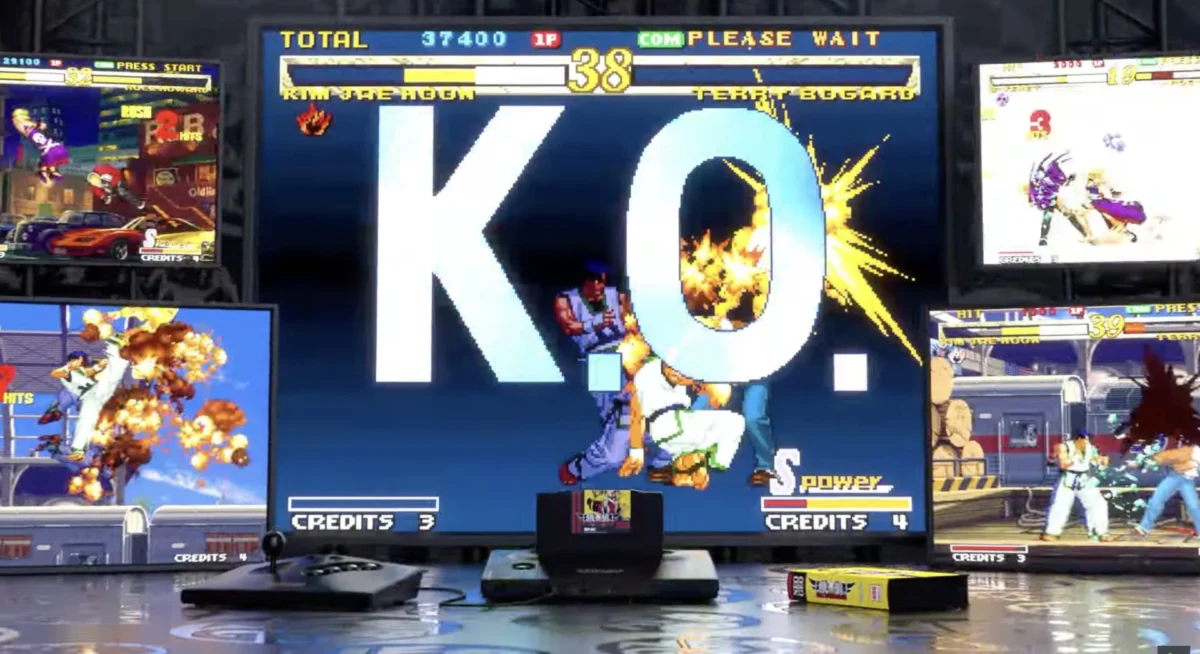
The retro gaming community buzzed with significant developments this past week, marked by substantial hardware upgrades, ambitious fan projects, critical legal rectifications, and exciting new console reproductions. From Playmaji’s internal enhancements for the Polymega to the surprising emergence of two native PC ports for The Legend of Zelda: Twilight Princess, and a collaborative effort to bring SNK’s iconic Neo Geo AES back as a 1:1 replica, the landscape for classic gaming enthusiasts continues to evolve rapidly. These announcements underscore a growing commitment to both preserving and modernizing gaming’s rich heritage, catering to a diverse audience ranging from dedicated collectors to casual fans seeking a nostalgic experience.
Polymega’s ‘Remix’ Units Complete Mass Production, Signaling Major Performance Boost
Playmaji, the manufacturer behind the highly anticipated modular emulation system Polymega, has announced a significant internal upgrade for its hardware, with ‘Remix’ units having completed mass production. This revised system boasts enhanced specifications designed to improve performance and user experience across the board. The upgraded Polymega units will feature "more CPU cores, higher clock speeds, double the RAM, increased internal storage, and quieter operation." According to Playmaji, the immediate and most pronounced benefit of these enhancements will be "improved N64 performance," directly addressing a common point of feedback from early adopters and reviewers regarding the console’s capacity to handle more demanding emulation.
The Polymega system, first launched to the public after years of development and pre-orders, carved a niche for itself by offering a unique approach to retro gaming. Unlike software-only emulators or FPGA-based solutions, Polymega combines a modular hardware design with software emulation, allowing users to play original cartridge and disc-based games across multiple classic platforms by inserting swappable element modules. Its initial release, while praised for its sleek interface and physical media compatibility, faced criticism regarding its N64 emulation capabilities and a somewhat challenging launch timeline. This ‘Remix’ upgrade represents Playmaji’s concerted effort to refine its core offering and solidify its position in the competitive retro hardware market.
Beyond the internal hardware refresh, Playmaji also provided updates on two other long-teased initiatives: the Polymega Remix and the Polymega App. These projects, which have been largely out of the public discourse for some time, hint at Playmaji’s broader strategy to expand the Polymega ecosystem beyond dedicated hardware. The Polymega Remix, envisioned as a software-only version of the system, and the Polymega App, which could potentially decouple the Polymega experience from its proprietary console, suggest a future where the Polymega’s extensive library and user interface might be accessible on a wider range of devices. While details remain sparse, these developments signal Playmaji’s ambition to reach a larger audience and adapt to evolving consumption patterns in the retro gaming space.
Adding to the excitement, confirmation emerged this week that the Polymega platform will soon support two additional "mystery CD-based consoles." This expansion of compatible systems is a significant draw for collectors, as CD-based retro consoles often present unique challenges for emulation and hardware preservation. The announcement has sparked considerable speculation within the community about which systems might be next, with contenders often including platforms like the Sega CD, PC Engine CD, or even more obscure Japanese-exclusive systems, further broadening the Polymega’s appeal as a comprehensive retro gaming hub. The continuous evolution of the Polymega platform, from hardware refinements to software expansions and broader system compatibility, demonstrates Playmaji’s ongoing commitment to its vision of a unified, modern retro gaming experience.
Two Native PC Ports for The Legend of Zelda: Twilight Princess Surface
In a remarkable turn of events for fans of The Legend of Zelda series, it has been confirmed that not one, but two distinct native PC ports for The Legend of Zelda: Twilight Princess are currently under active development. This development is particularly noteworthy given Nintendo’s historical stance on unofficial ports and the enduring demand for modernized versions of its classic titles. Twilight Princess, originally released for both the GameCube and Wii in 2006, remains a beloved entry in the iconic franchise, often lauded for its darker tone, mature narrative, and compelling gameplay mechanics. Despite its critical acclaim, the game has never received an official PC release, leaving enthusiasts reliant on emulation to experience it on non-Nintendo hardware.
Last week, the retro gaming news cycle highlighted "Courage Reborn," a project aiming to deliver a native PC port of the game. Information gleaned from a recent "first look" video by project lead Linifadomra revealed initial progress and the ambitious scope of the undertaking. Native PC ports, unlike emulated versions, are rebuilt from the ground up to run directly on PC hardware, allowing for significant enhancements in resolution, frame rates, and the potential for extensive modding, often far exceeding what original hardware or even emulators can achieve. The prospect of experiencing Twilight Princess with modern graphical fidelity and performance has naturally generated considerable excitement.
However, the narrative took an unexpected turn with the revelation of a second, parallel project named "Dusk." This port was brought to public attention through a brand-new announcement trailer from its development team, quickly amplified by prominent YouTubers in the retro gaming community. Video Game Esoterica and BeenTachi both released new videos featuring additional footage and developer insights, providing further details on "Dusk"’s objectives and current state. The simultaneous development of two such projects speaks volumes about the dedication and technical prowess within the Zelda fan community, as well as the strong desire for a modernized Twilight Princess experience.
The emergence of these native PC ports carries significant implications for game preservation and fan-driven development. While Nintendo has historically issued cease-and-desist orders for fan projects that infringe on its intellectual property, the development of these ports highlights a growing trend where communities undertake the monumental task of reverse-engineering and rebuilding classic games. This often serves to extend the lifespan of titles beyond their original console generations and introduces them to new audiences on modern platforms. The technical challenges involved in such endeavors are immense, requiring deep understanding of the original game’s code and extensive programming skill. The success of similar projects, such as the fan-made PC ports of The Legend of Zelda: Ocarina of Time and Majora’s Mask, sets a precedent for what "Courage Reborn" and "Dusk" might ultimately achieve, offering fans an unprecedented opportunity to revisit a classic in a new light.
Sigma Star Saga DX Updated Following GBA Emulator License Violation
WayForward Games’ recent digital release of Sigma Star Saga DX underwent a crucial update this week after it was discovered that the game had violated the licensing terms of mGBA, the Game Boy Advance emulator it utilized. The game, a remastered version of the cult classic GBA title, was published on April 7th, 2026, but shortly thereafter, the oversight was brought to light within the mGBA Discord community.
mGBA, a widely respected and highly accurate GBA emulator, is distributed under the Mozilla Public License 2.0 (MPL 2.0). This open-source license permits anyone to use an unmodified version of the software, provided they credit mGBA and include a link to its source code. This is a standard and common practice in software development, particularly when integrating open-source components into commercial products. However, upon Sigma Star Saga DX‘s release, it quickly became apparent that WayForward had neglected to include the required attribution in the game’s credits, leading to a direct breach of the MPL 2.0 terms.
The discovery prompted a swift response from WayForward Games. Recognizing the oversight and the importance of respecting open-source licenses, the company promptly issued an update to Sigma Star Saga DX, rectifying the issue by adding the necessary credits and source link for mGBA. This quick action underscores the developer’s commitment to ethical practices and respect for the open-source community that provides foundational tools for many commercial ventures.
This incident highlights a critical aspect of modern game development: the careful management of intellectual property and open-source licenses. Many contemporary games, particularly those that involve emulation or utilize third-party libraries, rely on components distributed under various open-source agreements. Developers are legally and ethically obligated to adhere to the terms of these licenses, which often include requirements for attribution, sharing source code, or specific usage conditions. Failure to comply can lead to legal challenges, reputational damage, and a loss of trust within the developer community. WayForward’s prompt correction serves as a valuable reminder of the due diligence required when incorporating external software, especially in a commercial product. The incident ultimately reinforced the importance of proper attribution and adherence to licensing agreements, ensuring fair recognition for the creators of foundational tools like mGBA.
Real-Life "Anime-Accurate" Pokédex Puts ’90s Tiger Electronics Toy to Shame
A groundbreaking collaborative project has culminated in the creation of a real-life, "anime-accurate" version of the iconic Pokédex, a device that has long captivated fans of the Pokémon franchise. This ambitious endeavor far surpasses the capabilities and fidelity of the nostalgic, yet limited, Tiger Electronics Pokédex toys from the 1990s, offering a truly immersive and authentic experience.
The incredible project is the brainchild of two online creators: YouTube modder Mr. Volt, who expertly handled the intricate hardware design and assembly, and Big Rig Creates, who meticulously developed the sophisticated software. Their collaboration married advanced electronics with custom programming to bring the beloved fictional device to tangible reality, accurately reflecting its portrayal in the Pokémon anime series.
The original Pokédex, as depicted in the anime, functions as a comprehensive electronic encyclopedia for Pokémon, providing detailed information, visual representations, and distinct voice narrations for each creature. The ’90s Tiger Electronics versions, while cherished by a generation, were rudimentary by comparison, offering basic data and limited interactivity due to technological constraints of the era. This new fan-made Pokédex, however, leverages modern microcontrollers, displays, and audio components to replicate the anime’s aesthetic and functionality with astonishing accuracy. Details like animated Pokémon entries, dynamic sound effects, and perhaps even voice synthesis or recorded narrations contribute to its authenticity.
This fan-driven initiative exemplifies the profound impact of community creativity and technological advancement in fulfilling long-held childhood fantasies. Projects like this not only showcase the engineering and programming talents of individual creators but also demonstrate the enduring cultural significance of franchises like Pokémon. It taps into a deep vein of nostalgia while simultaneously pushing the boundaries of what is possible with custom electronics and software development. The detailed execution of the "anime-accurate" Pokédex provides a fascinating glimpse into how dedicated fans can leverage modern technology to bridge the gap between fiction and reality, offering a tangible piece of their favorite universes.
The $250 Neo Geo+ AES Aims for 1:1 Replica Status of SNK’s Classic Console
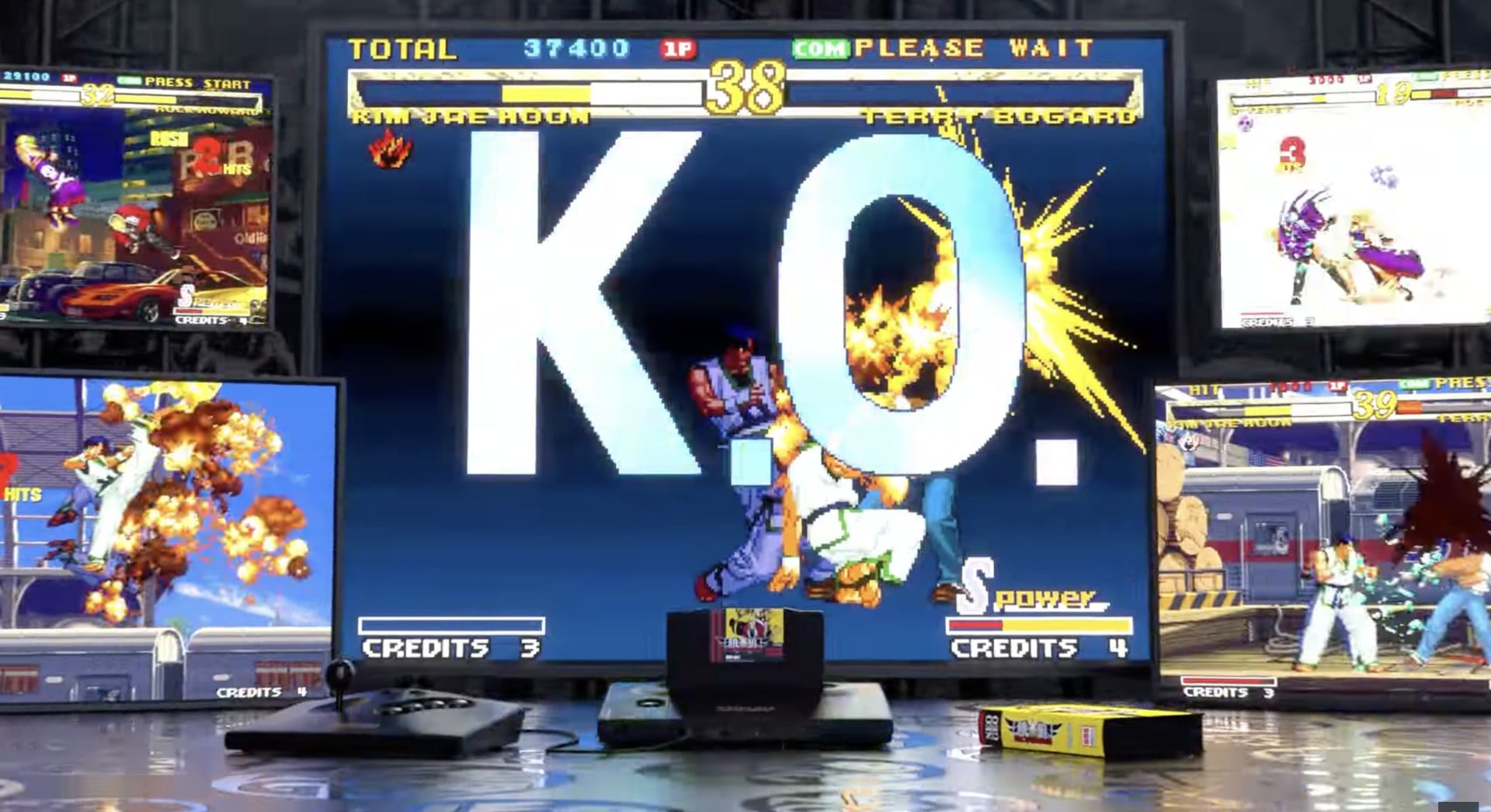
Long-standing rumors regarding Plaion Replai’s potential involvement in a new Neo Geo system have been officially confirmed this week. The company has announced the Neo Geo+ Advanced Entertainment System (AES), a meticulously crafted replica console poised to launch on November 12th, 2026. Priced at £179.99 / €199.99 / $249.99 / ¥32,800, this venture is a significant collaboration between Plaion Replai and SNK, the original creators of the iconic system.
The Neo Geo AES, released by SNK in 1990, quickly established itself as a premium, high-end home console, famously marketed as "the arcade at home." Its exorbitant price tag, both for the console and its game cartridges, made it a luxury item, yet it garnered a dedicated following due to its unparalleled arcade-perfect conversions of SNK’s fighting games, shooters, and sports titles. Decades later, its legacy as a powerful, uncompromising piece of gaming history remains strong, making any new hardware iteration a significant event for retro enthusiasts.
Plaion Replai has built a strong reputation in the retro gaming market for its series of high-quality replica systems. Their previous successes include the Atari 2600+ and the Atari 7800+, both of which aimed to deliver authentic, plug-and-play experiences for classic console libraries, often incorporating modern connectivity options like HDMI while retaining original cartridge compatibility. The announcement of the Neo Geo+ AES as a "1:1 replica" suggests that Plaion Replai will apply a similar philosophy, focusing on faithful aesthetic reproduction and a premium build quality that honors the original system’s legendary status. Given their track record, it is highly probable that the Neo Geo+ AES will feature modern video output options and potentially come pre-loaded with a selection of classic Neo Geo titles, possibly with an option for cartridge compatibility, though specifics on game support are yet to be fully detailed.
The partnership with SNK is crucial, lending official endorsement and potentially access to original assets, ensuring the Neo Geo+ AES is not merely a homage but an authorized and high-fidelity reproduction. This move by SNK, following previous attempts to re-enter the mini-console market with devices like the Neo Geo Mini, indicates a continued strategy to leverage its rich intellectual property and cater to the enduring demand for its classic titles. For collectors and fans who may have never experienced the original AES due to its prohibitive cost, or for those seeking a modern, reliable way to play these classics, the Neo Geo+ AES represents a compelling proposition in the ever-expanding retro hardware landscape.
Interview: How the Spectrum White Edition Celebrates Sinclair Lore
Retro Games Limited, known for its faithful reproductions of classic British computing hardware, has once again turned its attention to the iconic Sinclair ZX Spectrum. Following the success of its initial reproduction, which garnered praise for doing "Sir Clive Sinclair’s legacy proud," the company has unveiled its latest product: the Spectrum White Edition. This new iteration is designed to pay tribute to a very specific and special moment in the history of home computing, appealing to both nostalgic fans and serious collectors.
The original Sinclair ZX Spectrum, launched in 1982, revolutionized home computing in the United Kingdom and beyond, making personal computers accessible to a wide audience. Its distinctive rubber keys, compact design, and vibrant software library cemented its place as a cultural icon. Retro Games Limited’s previous reproduction successfully recaptured the essence of this machine, offering a modern way to experience classic Spectrum games and software.
The decision to release a "White Edition" suggests a deep dive into Sinclair lore, likely referencing a rare prototype, a limited-edition model, or a specific variant that holds particular significance within the Spectrum’s storied history. To shed light on the rationale behind this unique release, an interview was conducted with Chris Smith, Chief Technical Officer at Retro Games Limited. Smith’s insights are expected to detail the specific historical event or design inspiration behind the White Edition, explaining its aesthetic choices and how it connects to the broader narrative of the Sinclair legacy. Such editions often appeal to a niche segment of the market that values historical accuracy and the celebration of specific milestones in technology.
This release underscores Retro Games Limited’s commitment not just to replicating hardware, but to curating and celebrating the cultural and historical impact of these machines. By focusing on particular historical nuances, they engage with the community on a deeper level, offering products that are not only functional but also serve as tangible pieces of computing history. The Spectrum White Edition is poised to be another testament to the enduring appeal of the ZX Spectrum and the meticulous dedication of its modern-day stewards.
Retro Collector Makes History by Resurrecting Rare Nintendo Coin-Op
A dedicated retro collector has achieved a remarkable feat in the realm of arcade game preservation, successfully resurrecting a rare 16mm film-based arcade coin-op from Nintendo’s early history: Wild Gunman. This particular machine, which predates Nintendo’s entry into video games as we know them, is not to be confused with the more widely known NES black box title of the same name. The achievement represents a significant contribution to understanding Nintendo’s diverse and often obscure pre-video game era.
Nintendo, founded in 1889, initially specialized in hanafuda playing cards before venturing into various other businesses, including electromechanical arcade games in the 1960s and 70s. Wild Gunman, released in 1974, was one such innovation. It was an electromechanical game that utilized 16mm film projection to display live-action cowboy opponents, whom players would "shoot" with a light gun. Its technological sophistication for the era, combined with its rarity, makes its preservation a considerable challenge.
The collector’s journey began with the acquisition of rare 16mm film reels of the original Wild Gunman game. This alone is a monumental find, as such film reels are prone to degradation over time and are exceptionally scarce. The subsequent effort involved in producing a fully working version of the game from these components speaks volumes about the collector’s technical expertise, dedication, and passion for historical preservation. Rebuilding such a machine would necessitate not only repairing or fabricating mechanical components but also synchronizing the film projection with the light gun input and scorekeeping mechanisms, a complex engineering task.
This resurrected Wild Gunman unit is set to be showcased at an upcoming event in Ontario, Canada, offering a unique opportunity for the public to experience a piece of Nintendo’s pre-video game arcade history firsthand. The project highlights the invaluable role that individual collectors and enthusiasts play in game preservation, often undertaking efforts that large institutions might overlook or find too costly. Their work ensures that these early, foundational pieces of entertainment technology are not lost to time, providing crucial context for the evolution of gaming and offering a tangible link to the industry’s origins.