Cecilia Chamidah Nur
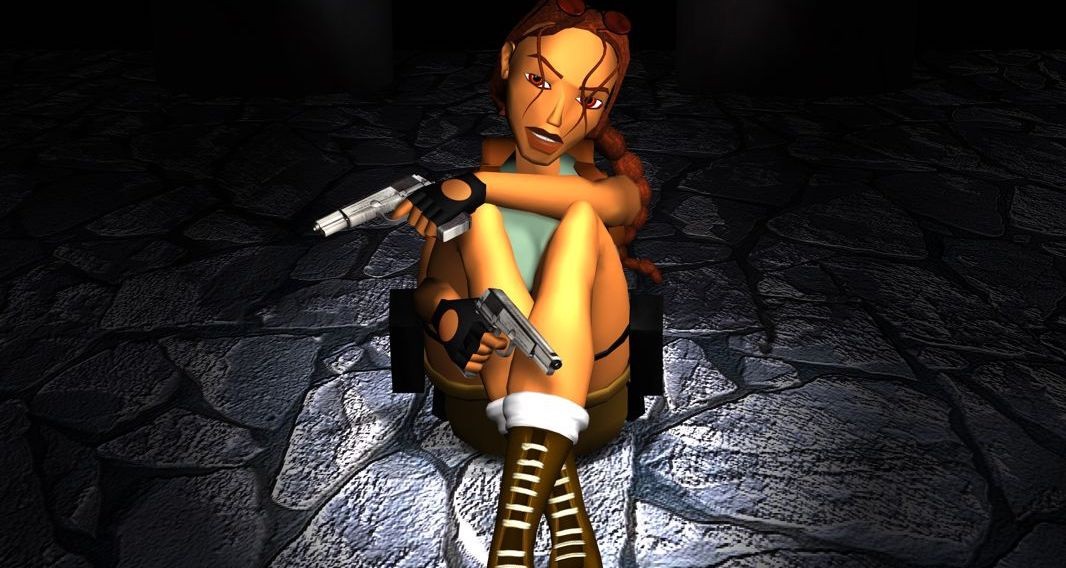
The fervent Tomb Raider community is currently experiencing a renaissance, with multiple high-profile projects set to revitalize the iconic franchise across various media. Amidst the anticipation for a new Amazon Prime Video series and two major video game titles – Tomb Raider: Legacy of Atlantis, a remake of the seminal original, and Tomb Raider: Catalyst, a direct sequel to 2008’s Tomb Raider: Underworld – an ambitious fan-made endeavor has quietly reached its culmination, promising a nostalgic yet novel experience for long-time enthusiasts. Axel "Delca" Hatté and Trxye, known for their significant contributions to the recently released Tomb Raider I-III Remastered, have officially announced the completion of their passion project, Tomb Raider: Side Scroller Edition. This innovative creation reimagines beloved levels from the classic Tomb Raider games, translating their intricate 3D environments into a captivating 2.5D sidescrolling format, a departure from the three-dimensional perspective that originally defined Lara Croft’s adventures.
The Genesis of a Vision: A Deep Dive into Side Scroller Edition’s Development
The journey of Tomb Raider: Side Scroller Edition has been a testament to dedication and creative vision, spanning over two years in active development. Initial glimpses of this transformative project first surfaced publicly in October 2023, drawing considerable attention within the gaming press, notably from Eurogamer. However, its roots stretch back even further, with Axel "Delca" Hatté, a prominent figure in the Tomb Raider fan community, sharing early conceptual videos on their YouTube channel as far back as 2022. These preliminary showcases demonstrated Delca’s pioneering efforts to convert classic Tomb Raider environments into a 2.5D plane, beginning with iconic locations such as the Caves and Croft Manor from the original 1996 title. The early footage, which depicted Lara Croft navigating the familiar grounds of her mansion, the formidable Great Wall of China, and the eerie wreck of the Maria Doria from Tomb Raider II, immediately captivated audiences. Fans lauded the creativity and meticulous detail, drawing favorable comparisons to Core Design’s lesser-known 2D sidescrollers for the Game Boy Color, which offered a distinct, albeit simplified, take on Lara’s adventures. The project’s gradual evolution from these initial proofs of concept to a fully realized game stands as a remarkable achievement in fan development, culminating in its recent official completion announcement.
Reimagining Lara Croft: Gameplay and Scope
Tomb Raider: Side Scroller Edition promises to guide players through 11 distinct and instantly recognizable locations meticulously drawn from the original Tomb Raider trilogy. This selection ensures a rich tapestry of environments, from ancient ruins and sprawling temples to urban catacombs and perilous natural landscapes, all reinterpreted through the lens of a 2.5D perspective. The fundamental shift from a fully 3D, free-roaming environment to a 2.5D sidescroller inherently alters the gameplay dynamics. While the core tenets of exploration, puzzle-solving, and combat remain, their execution is adapted for a new spatial understanding. Traversal, traditionally involving intricate platforming across multiple axes, becomes a more focused exercise in timing and precision along a horizontal plane, punctuated by vertical ascents and descents. Puzzles, which often relied on manipulating objects in a 3D space, are likely reimagined to fit the layered, depth-of-field presentation, requiring players to consider interactions across foreground and background elements. Combat, a staple of the series, will transition from a free-aiming system to a more traditional sidescrolling shoot-out, demanding quick reflexes and strategic positioning within the confined linear pathways. This reinterpretation not only offers a fresh challenge for seasoned players but also provides a unique artistic tribute, allowing fans to experience beloved levels from a completely new vantage point, highlighting architectural details and environmental storytelling in ways previously unseen.
The Architects of Adventure: From Fan to Professional
The caliber of Tomb Raider: Side Scroller Edition is significantly bolstered by the professional background of its lead developers, Axel "Delca" Hatté and Trxye. Their recent involvement in the critically acclaimed Tomb Raider I-III Remastered positions this fan project far beyond typical amateur endeavors. The Remastered collection, released to widespread praise, meticulously updated the original trilogy for modern platforms, demonstrating a deep understanding and reverence for Core Design’s foundational work. Hatté and Trxye’s contribution to this official remaster, which involved modernizing graphics, controls, and various quality-of-life improvements while preserving the games’ classic essence, provided them with unparalleled insights into the original game engines, level design philosophies, and the intricate mechanics that define Lara Croft’s early adventures. This professional experience, honed through official development, undoubtedly informed the precision and authenticity evident in Side Scroller Edition. Their ability to deconstruct and reconstruct these complex 3D worlds into a compelling 2.5D format speaks volumes about their technical prowess and artistic integrity. It blurs the lines between fan-driven passion and professional-grade execution, underscoring the potential for community talents to enrich even officially sanctioned projects. The transition from contributing to an official remaster to delivering a high-quality fan game demonstrates a remarkable commitment to the franchise and a rare skill set within the gaming community.
A Hub for Creativity: TRCustoms and the Legacy of the Level Editor
The choice of TRCustoms as the platform for the free release of Tomb Raider: Side Scroller Edition is deeply significant, tying the project back to the roots of Tomb Raider‘s enduring fan culture. TRCustoms is a venerable online repository, a digital archive dedicated to hosting custom levels and modifications created using the Tomb Raider Level Editor (TRLE). The TRLE is not merely a modding tool; it is a foundational pillar of the Tomb Raider community, initially released by Core Design alongside Tomb Raider: The Last Revelation in 1999. This powerful, albeit complex, toolset empowered players to design and build their own Tomb Raider levels, effectively extending the lifespan and creative potential of the franchise far beyond its official releases.
Over the decades, the TRLE has been extensively expanded and refined by dedicated fans, transforming it from a niche utility into a robust and versatile development environment. This continuous community-driven evolution has allowed for the creation of thousands of custom levels, ranging from simple experiments to sprawling, narrative-driven campaigns that rival official content in scope and quality. TRCustoms serves as the primary nexus for this vibrant ecosystem, offering a platform for creators to share their work and for players to discover new adventures. By releasing Side Scroller Edition on TRCustoms, Hatté and Trxye are not only making their project accessible to a core audience but also paying homage to the very community that nurtured their passion and provided the initial tools for creative expression. It reinforces the idea that fan creations are an integral part of the Tomb Raider legacy, fostering a symbiotic relationship between official titles and the boundless creativity of its player base.
Community and Industry Acclaim: Echoes of Praise
The unveiling of Tomb Raider: Side Scroller Edition has been met with an overwhelmingly positive reception across social media and within the broader gaming community. The announcement generated a flurry of enthusiastic comments, reflecting both excitement for the project’s unique premise and admiration for the developers’ skill. One prominent member of the Tomb Raider community encapsulated the sentiment perfectly, declaring it "a fan project not to be missed," highlighting its potential to become a cherished addition to the franchise’s unofficial canon.
Perhaps even more notably, the project has garnered praise from within the professional gaming industry. Craig Derrick, an executive producer at Lucasfilm Games with a distinguished career that includes work on titles like Indiana Jones and the Great Circle, publicly expressed his admiration. Derrick commented, "Love how this is turning out," a testament to the project’s quality and vision. His appreciation was further enriched by a personal anecdote, revealing that he once "built a similar idea years ago at LucasArts" into his "Heritage plan and playbook" during his attempts to re-develop classic LucasArts games in the late 2000s and early 2010s. This insider perspective from a seasoned industry veteran not only validates the artistic and technical merit of Side Scroller Edition but also underscores the enduring appeal of reimagining classic 3D experiences in a 2.5D format. It suggests that such creative reinterpretations are not merely fan curiosities but concepts that resonate with professional designers, hinting at unexplored potential within established intellectual properties. The widespread positive feedback serves as a powerful endorsement, affirming the project’s success in capturing the essence of Tomb Raider while presenting it in an innovative and engaging manner.
Lara’s Expanding Universe: A Franchise in Flux
The completion of Tomb Raider: Side Scroller Edition arrives at a particularly dynamic juncture for the Tomb Raider franchise, marking a period of intense activity and renewed interest. The ongoing production of an Amazon Prime Video series, featuring Sophie Turner as the iconic Lara Croft, signifies a major push to expand Lara’s narrative reach into mainstream entertainment. While the series faced a temporary hiatus due to Turner’s recovery from an injury, filming has resumed, indicating steady progress towards its highly anticipated debut.
Concurrently, the gaming landscape for Tomb Raider is equally bustling. The announcement of Tomb Raider: Legacy of Atlantis, a comprehensive remake of the original 1996 masterpiece, promises to introduce Lara’s foundational adventure to a new generation of players while offering a modernized experience for veterans. This project aims to preserve the core elements that made the original a classic while updating its graphics, controls, and possibly expanding its lore. In parallel, Tomb Raider: Catalyst is poised to continue the narrative threads left by 2008’s Tomb Raider: Underworld, offering a direct continuation for fans of Crystal Dynamics’ earlier trilogy. These official endeavors collectively illustrate a concerted effort by Square Enix, Embracer Group, and Amazon MGM Studios to reinvigorate the franchise across multiple platforms and demographics.
In this vibrant ecosystem, Tomb Raider: Side Scroller Edition stands as a powerful testament to the enduring appeal and adaptability of Lara Croft’s adventures. Its emergence alongside these official projects highlights the robust health of the Tomb Raider community and its capacity to contribute meaningfully to the franchise’s ongoing legacy. It demonstrates that innovation can spring from both corporate studios and passionate fan developers, enriching the overall experience for a diverse global fanbase. The collective energy surrounding these various projects signals a golden age for Tomb Raider enthusiasts, promising a wealth of new content and perspectives on one of gaming’s most celebrated heroines.
The Enduring Power of Fan Innovation
The phenomenon of Tomb Raider: Side Scroller Edition underscores a crucial aspect of modern gaming culture: the enduring power and vital role of fan innovation. In an era dominated by high-budget, officially sanctioned remakes and reboots, fan projects like this serve as essential creative counterpoints, often exploring concepts and perspectives that official developers might overlook or deem too niche. By taking the familiar and rendering it unfamiliar, yet still deeply resonant, Hatté and Trxye have tapped into a vein of nostalgia combined with a thirst for novelty.
The success and positive reception of Side Scroller Edition carry several broader implications. Firstly, it showcases the high level of talent present within gaming communities, proving that "fan-made" no longer equates to amateurish. With tools becoming more accessible and knowledge more freely shared, the line between hobbyist and professional quality continues to blur. Secondly, such projects act as cultural preservation efforts, keeping classic games relevant and engaging for new audiences who might be intimidated by older graphics or control schemes. By reimagining a game like Tomb Raider in a 2.5D format, it potentially opens the door for players who prefer traditional sidescrolling mechanics to experience the essence of Lara’s early adventures. Finally, fan projects foster a symbiotic relationship between creators and consumers, often acting as incubators for new ideas that could one day influence official development. The enthusiastic industry reaction, particularly from Craig Derrick, hints at this potential, demonstrating that fresh perspectives on established IPs are always valuable.
Tomb Raider: Side Scroller Edition is more than just a game; it is a celebration of a beloved franchise, a demonstration of community talent, and a powerful reminder that the spirit of adventure, much like Lara Croft herself, continues to thrive in unexpected and exciting forms. Set to be released for free next month on TRCustoms, this project is poised to offer a fresh, compelling, and free-to-play chapter in Lara Croft’s storied history, inviting fans old and new to embark on a familiar journey from a refreshingly new angle.