Farhan hamdan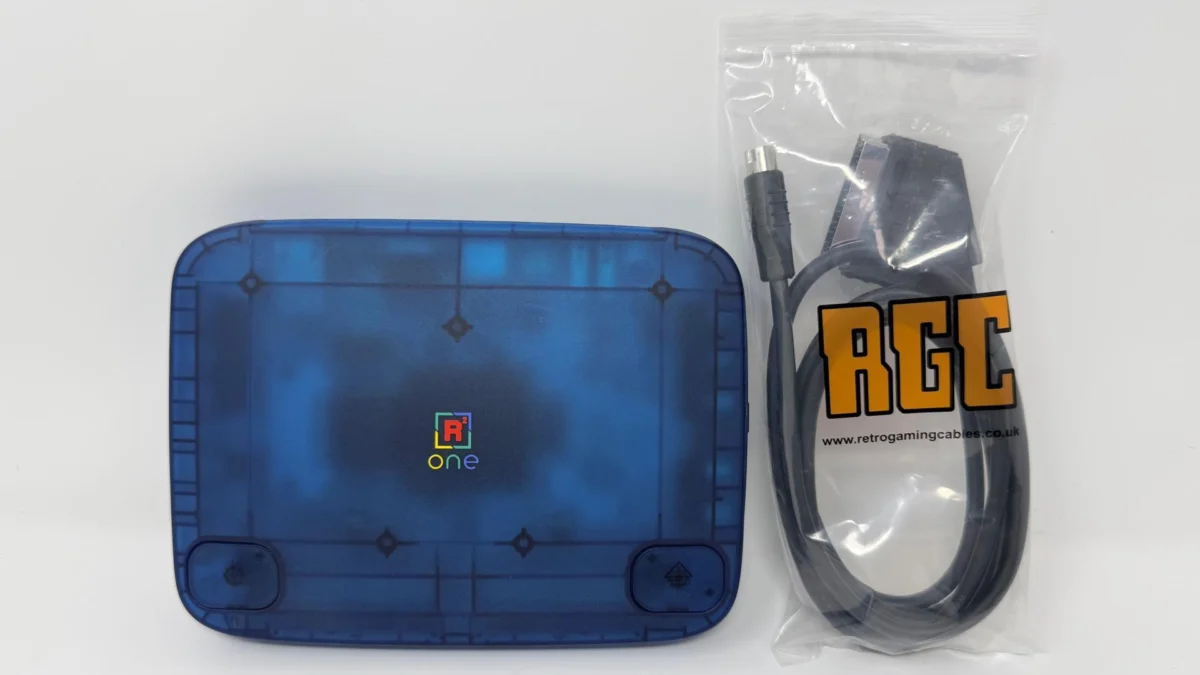
Retro Gaming Cables (RGC), a prominent name in the retro gaming accessory market, has officially launched a new RGB + Composite Video SCART cable specifically engineered for the Super Station One (SSOne). This specialized cable aims to provide enthusiasts with an optimized, high-fidelity video output solution for their unique console setups, addressing long-standing connectivity challenges in the retro gaming community. The introduction of this cable signifies a commitment to supporting niche hardware and ensuring the preservation of classic gaming experiences with superior visual quality.
The Super Station One, a term frequently used within dedicated retro gaming circles, typically refers to a highly customized or modified Super Nintendo Entertainment System (SNES) or Super Famicom (SFC). These consoles often undergo modifications to enhance their video output capabilities, sometimes integrating custom hardware that utilizes a specific 10-pin MiniDIN connector for advanced video signals. The RGC cable is designed to interface precisely with this modern 10-pin MiniDIN configuration, a significant departure from the more commonly encountered 9-pin MiniDIN connectors found on stock SNES/SFC consoles or the proprietary connectors of systems like the Sega Saturn, which, while similar in function, possess distinct physical and pinout characteristics.
A key innovation of this new RGC cable lies in its dual functionality, providing both RGB (Red, Green, Blue) and Composite Video signals from a single SCART connection. This versatility is achieved by utilizing the composite video signal for synchronization, a common practice in quality SCART cables that can sometimes introduce interference if not properly managed. RGC asserts that its design meticulously addresses this potential pitfall, ensuring a clean, interference-free RGB signal, as evidenced by internal testing using iconic titles like Super Mario World. Furthermore, the cable’s physical design is optimized to allow for simultaneous connection of an HDMI cable, catering to modern setups that often involve high-definition upscalers or capture cards alongside traditional analog displays.
The Evolution of Video Output in Retro Gaming
To fully appreciate the significance of RGC’s new offering, it is essential to understand the historical context of video output standards for classic gaming consoles. Early consoles, such as the Atari 2600 and the original Nintendo Entertainment System (NES), primarily relied on Radio Frequency (RF) modulation. This method converted video and audio signals into a broadcast-like signal, which was then tuned in by a television, often resulting in blurry images and significant signal noise. While widely accessible, RF offered the lowest possible picture quality.
The subsequent generation saw the rise of Composite Video, characterized by a single yellow RCA connector for video (and red/white for stereo audio). This standard, prevalent with consoles like the NES, Super NES, and Sega Genesis, combined all video information (luminance, chrominance, and sync) into one signal. While an improvement over RF, composite video suffers from "dot crawl" and color bleeding, as the television must separate these combined signals, leading to a noticeable degradation in image clarity and color accuracy.
S-Video (Separate Video), which emerged around the same time, represented a step up by separating luminance (brightness) from chrominance (color) information. Consoles like the Nintendo 64 and PlayStation 1 offered S-Video outputs, delivering sharper images and more vibrant colors than composite. However, it still lacked the full color separation of higher-end solutions.

The pinnacle of analog video quality for many retro enthusiasts is RGB (Red, Green, Blue) video. Unlike composite or S-Video, RGB transmits each primary color channel independently, along with separate synchronization signals. This method provides the purest and most accurate color reproduction, eliminating artifacts like dot crawl and color bleeding, resulting in incredibly sharp and vibrant images. RGB signals are typically transmitted through various connectors, including Component Video (YPbPr) for consumer electronics, VGA for computer monitors, and the SCART connector, which became the de facto standard in Europe for high-quality analog video.
The SCART Standard and Its Role in Retro Gaming
The SCART (Syndicated of French Manufacturers of Radio and Television Receivers) connector, a 21-pin electrical connector, was introduced in France in 1977 and quickly adopted across Europe. It was designed to carry a multitude of audio and video signals, including composite video, S-Video, and most importantly for retro gaming, RGB video. Its ability to automatically switch television input modes and aspect ratios made it incredibly convenient. For retro gaming, SCART is revered because it allows consoles that output native RGB signals (such as the Super Nintendo, Sega Genesis, Neo Geo, and many others) to connect to compatible CRTs or modern displays (via upscalers like the RetroTINK series) with minimal signal loss and maximum fidelity.
The RGC cable’s use of a 10-pin MiniDIN for the console connection side is critical for the Super Station One. While standard SNES consoles use an 8-pin MiniDIN for RGB, certain modified or specialized versions, or even entirely different console designs within the retro modding community, may adopt a 10-pin MiniDIN for expanded functionality or custom wiring configurations. This specific connector choice highlights RGC’s dedication to supporting highly specialized hardware variants that are not served by off-the-shelf solutions.
Technical Deep Dive: Features and Performance
The design philosophy behind RGC’s new Super Station One cable prioritizes both signal integrity and user convenience. The 10-pin MiniDIN connector is not merely a physical fit; its internal wiring is meticulously designed to correctly map the RGB, composite video, and audio signals to the SCART standard, ensuring optimal performance.
One of the most noteworthy features is the ability to output both RGB and composite video simultaneously. While RGB offers superior picture quality, composite video can be useful for certain setups, such as connecting to older CRTs that only accept composite, or for compatibility with specific accessories. The cable achieves this by using the composite video signal as the sync line for the RGB output. This method, known as "composite video as sync" (CVBS sync), is common but requires excellent shielding to prevent the composite video’s inherent noise from bleeding into the RGB channels. RGC’s claims of robust shielding are crucial here, promising a pristine RGB image free from interference.
To validate these claims, RGC conducted rigorous testing. A screenshot from the first level of Super Mario World, captured using the new cable connected to a RetroTINK 4K (a high-end video upscaler for retro consoles), demonstrated impeccable image quality. The image exhibited the sharpness and vibrant colors expected from a well-shielded RGB cable, with no visible interference or artifacts. This outcome is particularly significant because the RetroTINK 4K, even with a generic profile, can quickly expose imperfections in cable shielding or signal integrity. The comparison image, showcasing a poorly shielded cable, starkly illustrates the difference, revealing ghosting, color bleed, and overall signal degradation. This empirical evidence underscores the engineering quality embedded in the RGC product.

The physical dimensions of the console-side connector also deserve mention. RGC has ensured that the connector is appropriately sized to allow for an HDMI cable to be plugged in alongside it. This seemingly minor detail addresses a common frustration for modern retro gamers who often use both analog (for CRTs or specific upscalers) and digital (for modern TVs or capture cards) connections simultaneously. The ability to maintain both connections without physical obstruction streamlines complex setups and enhances the overall user experience.
Market Landscape and Custom Solutions
While Retro Gaming Cables offers a mass-produced solution for the Super Station One, the retro gaming community thrives on customization and artisan craftsmanship. Eduart Misiraj, a highly regarded custom cable maker, also produces cables for the SSOne. Misiraj’s offerings provide a valuable alternative for users who require specific custom lengths or who reside in regions like Albania, where his local services are particularly accessible. His hand-made cables are known for their quality, mirroring the high standards expected by enthusiasts.
However, the nature of hand-made products means that production capacity is inherently limited. Misiraj, or any single artisan, cannot scale production to meet large order demands. This is where RGC’s factory-produced solution fills a crucial gap, providing a reliable, readily available option for the broader retro gaming market that seeks standard cable lengths and consistent supply. The coexistence of these two types of providers—a specialized artisan and a mass-market producer—reflects the diverse needs and preferences within the retro gaming community, ensuring that both bespoke and standardized solutions are available.
Inferred Industry and Community Reactions
The introduction of such a specialized cable is likely to be met with significant approval within the retro gaming community. Enthusiasts frequently seek out the purest video signals for their classic consoles, and a dedicated, high-quality cable for a modified system like the Super Station One is a welcome development.
An inferred statement from Retro Gaming Cables might emphasize their dedication to precision engineering: "Our mission at Retro Gaming Cables is to empower retro gaming enthusiasts with the highest fidelity and most reliable connectivity solutions available. We recognized a specific, unmet demand within the Super Station One community for a cable that not only fits perfectly but also delivers uncompromising visual quality and practical versatility. This new RGB+Composite SCART cable is the culmination of extensive research and rigorous testing, designed to meet the exacting standards of our discerning customers."
From the perspective of the retro gaming community, reactions would likely center on the practical benefits. A common sentiment could be: "Finally, a purpose-built cable for the SSOne that doesn’t compromise! The ability to run RGB alongside HDMI is a game-changer for my streaming setup, and the testing results speak volumes about the quality." For those who appreciate custom work, a statement from Eduart Misiraj, though inferred, might be: "I’m always proud to offer tailored solutions to the retro community, and I welcome any high-quality product that furthers the enjoyment of classic games. The availability of RGC’s standard-length cable complements the custom options, ensuring everyone can find what they need."

Broader Implications for Retro Gaming Preservation
The continuous development of high-quality accessories like the RGC Super Station One cable holds significant implications for the broader retro gaming preservation movement. As original hardware ages, ensuring robust and accurate video output becomes increasingly challenging. Modern displays, designed for digital signals, often struggle with the analog outputs of classic consoles, making high-quality cables and upscalers indispensable.
This RGC cable contributes to preservation in several ways:
- Enhanced User Experience: By providing superior video quality, it allows enthusiasts to experience classic games as they were intended, or even better than original consumer setups, fostering continued engagement with historical titles.
- Bridging Generations: The simultaneous HDMI compatibility facilitates connecting legacy hardware to contemporary display technologies, making retro gaming more accessible to new audiences and streamlining setups for content creators.
- Supporting the Modding Community: The focus on a specialized console like the Super Station One underscores the importance of the hardware modding community, which constantly innovates to extend the life and capabilities of vintage systems. Such cables are vital components in these enhanced setups.
- Economic Viability: The demand for high-quality retro accessories fuels a niche but growing market, encouraging manufacturers to invest in developing new solutions and sustaining the ecosystem around retro gaming.
The market for retro gaming accessories is dynamic, driven by a passionate community that values authenticity and performance. The introduction of RGC’s Super Station One cable is not merely a product launch; it is a reflection of this vibrant ecosystem’s continuous evolution, where innovation in connectivity plays a critical role in preserving and enhancing the legacy of classic video games for generations to come.
The Retro Gaming Cables Super Station One RGB+Composite SCART cable is currently available for purchase through the official link: retrorgb.link/SSOneSCART. For those requiring custom cable lengths or residing in Albania, Eduart Misiraj’s hand-made options remain a viable alternative, providing bespoke solutions for specific needs. Enthusiasts are encouraged to review the provided demo video for a quick overview of the cable’s features and performance. Further information on related display setups, such as the RGB + Composite CRT "Retro Cart" setup, is also available via supplementary video content.