Cecilia Chamidah Nur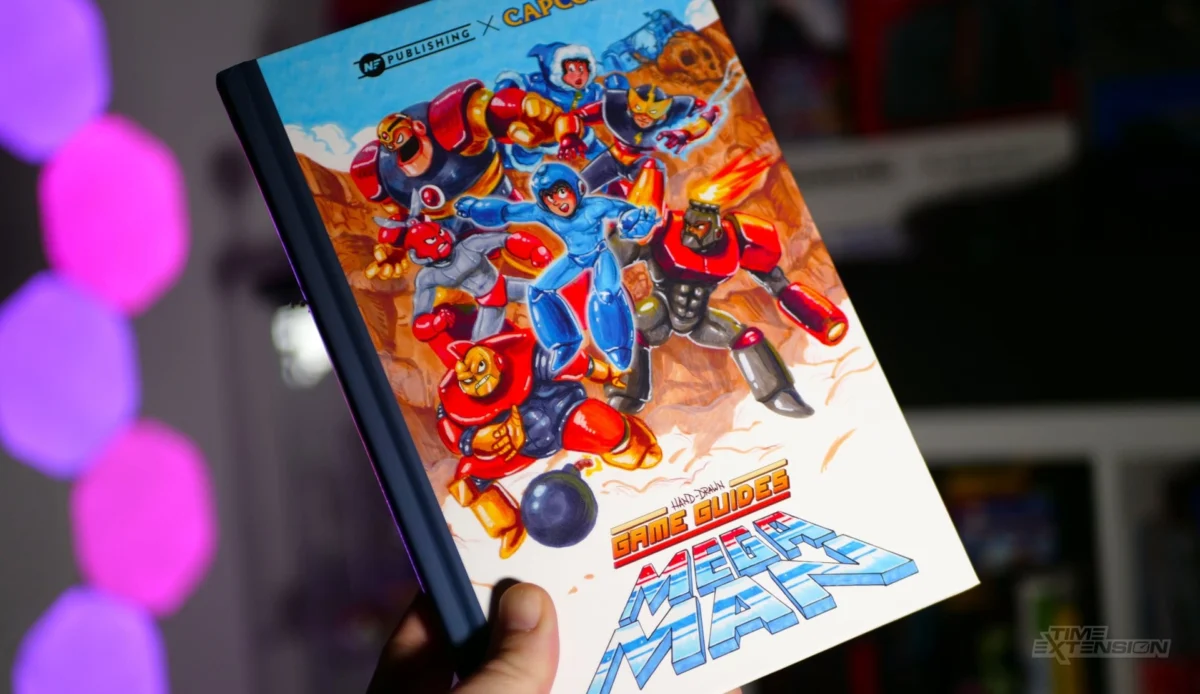
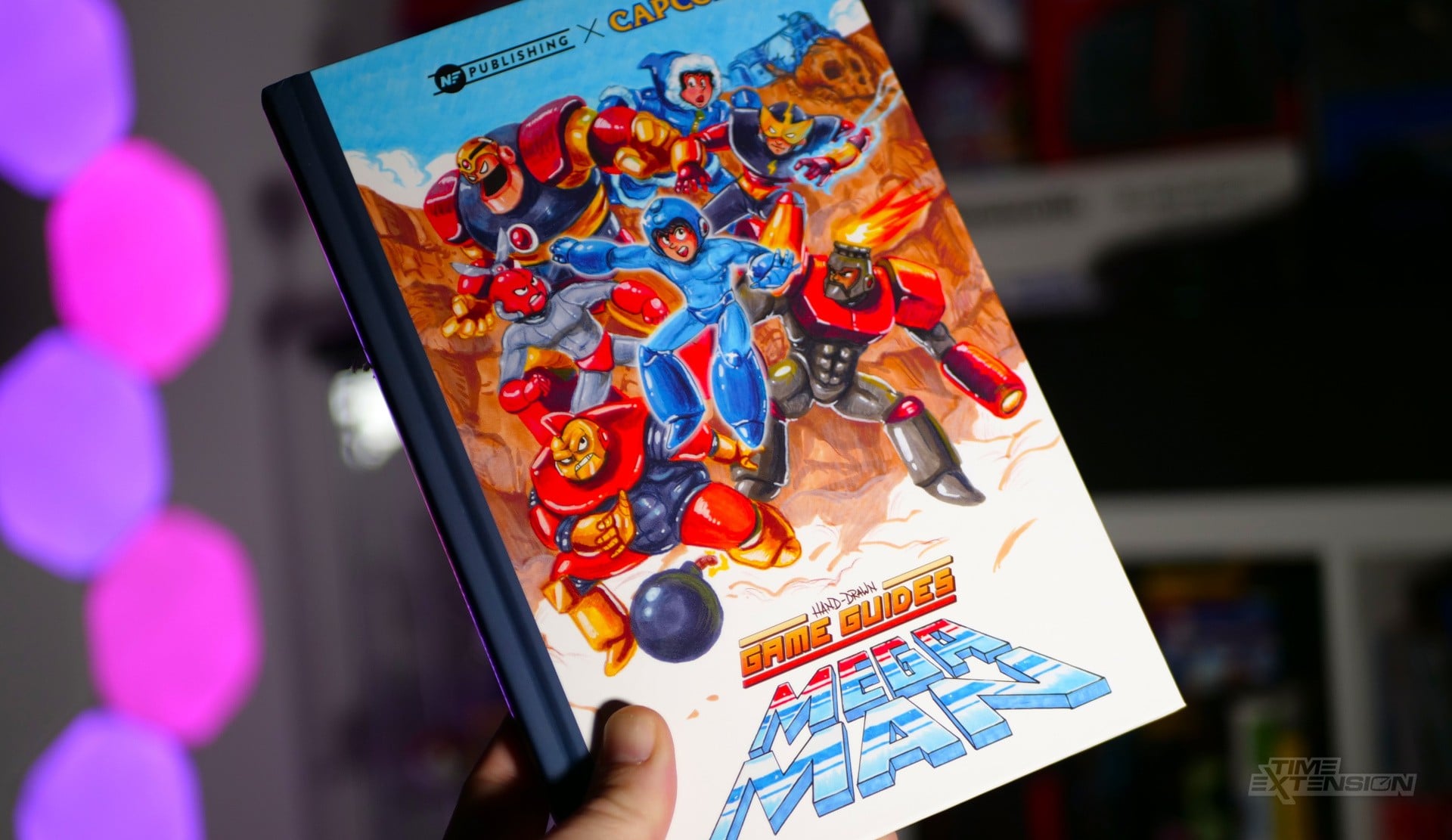
The acclaimed artist Philip Summers has successfully navigated the complex landscape of intellectual property and fan-created content, officially releasing his highly anticipated hand-drawn guide for the original Mega Man after securing a license from Capcom. This milestone publication, a lavish hardback detailing every facet of the NES classic, represents a significant victory for independent artists and a refreshing counter-narrative in an era increasingly dominated by generative artificial intelligence (GenAI) and its impact on creative industries. The arrival of this officially sanctioned guide at the Time Extension offices this week underscores a pivotal moment for Summers, whose distinctive art style and commitment to traditional methods have garnered a dedicated following, particularly among retro gaming enthusiasts.
The Genesis of Hand-Drawn Gaming: A Visionary’s Dedication
Philip Summers first gained widespread recognition for his "Hand-Drawn Game Guides," a series of meticulously crafted visual walkthroughs that harken back to a bygone era of gaming literature. His work is characterized by an unwavering commitment to analog art techniques; eschewing digital tools, Summers meticulously creates each illustration on paper using traditional art supplies. This dedication imbues his guides with a unique aesthetic – a vibrant, tactile quality that stands in stark contrast to the often sterile perfection of digitally rendered artwork. Each page of his guides bursts with an undeniable human touch, featuring hand-lettered text, intricate maps, character sketches, boss strategies, and item descriptions, all rendered with a raw passion that resonates deeply with fans.
Summers’ artistic philosophy extends beyond mere nostalgia. In a rapidly evolving digital landscape where algorithms can produce images with increasing sophistication, his work champions the irreplaceable value of human creativity, individual style, and the tangible effort behind each stroke. This stance has positioned his "Hand-Drawn Game Guides" not just as functional walkthroughs but as artistic statements, celebrating the craft and soul inherent in human-made art. The visual style evokes memories of early gaming magazines and fanzines from the 1980s and 1990s, where content often felt more like a shared labor of love among enthusiasts rather than a commercially produced commodity. This connection to a specific cultural moment in gaming history has fostered a strong community around his projects, drawn to the authenticity and passion his work embodies.
The Licensing Hurdle: A Kickstarter Saga and Subsequent Setback
The journey to this official release was not without its significant challenges, highlighting the precarious position of fan artists operating without explicit corporate sanction. In a testament to his burgeoning popularity and the demand for his unique products, Summers launched a Kickstarter campaign some time ago to fund the production of his Hand-Drawn Game Guides. The crowdfunding effort proved overwhelmingly successful, attracting nearly 5,000 backers and raising an impressive sum exceeding $320,000. This financial support was intended to enable Summers to scale his operations, produce more guides, and perhaps even transition his passion project into a more sustainable artistic career.
However, the campaign’s success was abruptly halted. Just as it neared its conclusion, the Kickstarter was cancelled due to unforeseen legal complications primarily stemming from the lack of official licensing for the intellectual properties (IPs) depicted in his guides. This setback sent ripples of disappointment through his substantial fanbase and underscored a critical issue in the creative economy: while fan art and transformative works are often celebrated by communities, their commercialization without explicit permission from IP holders remains a complex legal minefield. Many IP owners maintain strict control over their brands, and even well-intentioned fan projects can inadvertently infringe on copyrights and trademarks if they venture into commercial territory. The cancellation of the Kickstarter served as a stark reminder of the legal boundaries that define the relationship between creators and established franchises, even when the fan work is a tribute.
The immediate aftermath involved a period of uncertainty for Summers and his backers. The funds had to be returned, and the future of the Hand-Drawn Game Guides seemed to hang in the balance. This incident brought to the forefront broader discussions within the gaming and creative communities about the balance between protecting intellectual property and fostering fan engagement. While companies are within their rights to protect their assets, there is also a growing recognition of the value that passionate fan communities bring to a franchise, often sustaining its relevance over decades. The challenge lies in finding pathways that allow fan creativity to flourish while respecting the commercial rights of IP owners.
A New Beginning: Securing the Capcom License
Despite the significant setback, Philip Summers demonstrated remarkable resilience and an unwavering commitment to his artistic vision. Rather than abandoning his project, he embarked on a diligent and complex process of engaging with intellectual property holders directly. This strategic shift involved proactive communication and negotiation with gaming companies, aiming to secure the necessary official licenses that would legitimize his commercial endeavors. The cancellation of the Kickstarter, while painful, ultimately served as a catalyst for this more formal approach.
His perseverance paid off notably with Capcom, the venerable Japanese video game developer and publisher, known for iconic franchises like Mega Man, Street Fighter, and Resident Evil. After extensive discussions, Summers successfully secured an official license from Capcom to produce a hand-drawn guide specifically for the very first Mega Man game, originally released on the Nintendo Entertainment System (NES) in 1987. This achievement was not merely a procedural victory; it represented a recognition by a major industry player of the unique artistic merit and commercial potential of Summers’ work. For Capcom, licensing Summers’ guide could be seen as a strategic move to engage with its legacy titles in a fresh, tangible way, appealing to both long-time fans and collectors. It also presented an opportunity to support an independent artist whose work genuinely celebrates their IP.
The securing of this license was a pivotal moment, transforming a legally ambiguous fan project into an officially sanctioned product. It set a precedent and opened doors for Summers, providing a clear path forward for future licensed projects. This collaboration validates his artistic approach and demonstrates a potential model for other fan artists seeking to commercialize their work responsibly. The gaming community reacted with widespread relief and excitement upon hearing the news, viewing it as a testament to Summers’ talent and the positive potential of respectful collaboration between creators and corporations.
The Mega Man Guide: A Deep Dive into Classic Gaming
The result of this collaboration is a lavish hardback guide dedicated to the inaugural Mega Man adventure. This comprehensive volume leaves no stone unturned, meticulously detailing every possible aspect of the game. Readers and collectors will find intricately drawn character profiles for Mega Man himself, Dr. Light, Dr. Wily, and the iconic Robot Masters (Cut Man, Guts Man, Ice Man, Bomb Man, Fire Man, and Elec Man). Each boss receives a dedicated section, outlining their attack patterns, weaknesses, and optimal strategies for defeat – all rendered in Summers’ inimitable hand-drawn style.
Beyond character and boss analyses, the guide features exquisitely detailed maps for every stage, guiding players through the treacherous landscapes of Dr. Wily’s fortress and the Robot Masters’ domains. These maps are not merely functional; they are works of art in themselves, capturing the aesthetic of the original game while adding Summers’ unique artistic interpretation. Crucially, the guide includes an abundance of tips, tricks, and tactics essential for mastering Mega Man‘s notoriously challenging gameplay. From jump patterns to weapon usage, every piece of advice is presented with clarity and charm, making the guide both a practical tool for completionists and a nostalgic journey for veterans.
What truly elevates this guide is the tangible quality of Summers’ art. His eschewal of digital tools means that each illustration leaps off the page with a vibrant, energetic quality rarely replicated in polished digital artwork. The ink lines, the subtle imperfections, the texture of the paper – all contribute to a sensory experience that digital guides cannot match. This raw passion is the hallmark of Summers’ illustrations, echoing the era of original game development where creativity often thrived within technical constraints. It connects directly to the tactile experience of holding a physical game manual or strategy guide, an experience increasingly rare in the age of digital downloads and online wikis. The guide is not just information; it is an artifact, a piece of art that celebrates another piece of art.
In the Shadow of AI: The Value of Human Artistry
The release of Philip Summers’ hand-drawn Mega Man guide arrives at a particularly poignant moment in the art world, specifically concerning the rapid proliferation of generative artificial intelligence (GenAI). GenAI technologies have advanced to a point where they can produce highly sophisticated images, text, and even music, often by "gobbling up" vast datasets of existing human-created art. While these tools offer new possibilities, they also raise significant ethical and artistic questions about originality, authorship, compensation for source material, and the very definition of creativity.
In this context, Summers’ commitment to purely analog methods and human artistry stands as a powerful "antidote." His work is a defiant celebration of the human hand, the individual creative spirit, and the inherent magic that can only come from direct human effort. Each line, shade, and detail in his guides is a testament to hours of meticulous labor, artistic skill, and personal interpretation – qualities that are currently beyond the grasp of AI, which primarily operates through algorithms and data patterns. The "undeniably human-made magic" that reviewers observe in Summers’ art is precisely what many fear is being devalued or diluted by the rise of AI-generated content.
The reception to Summers’ work underscores a growing appreciation for authenticity and craft. As digital art becomes increasingly ubiquitous and AI tools make creation seemingly effortless, there is a counter-movement valuing unique, imperfect, and genuinely human expressions. Collectors and enthusiasts are increasingly seeking out items that possess a story, a tactile presence, and a clear connection to the artist’s hand. Summers’ guides tap into this demand, offering not just information but a piece of collectible art that embodies a particular philosophy of creation. This broader cultural shift suggests that while AI may automate certain aspects of creative production, it simultaneously highlights and elevates the irreplaceable value of human ingenuity and artistic soul.
Market Reception and Broader Implications
The release of the officially licensed Mega Man guide has been met with significant enthusiasm from the retro gaming community, collectors, and art enthusiasts alike. For many, it represents more than just a game guide; it is a tangible piece of gaming history re-imagined through a unique artistic lens. The success of Summers’ previous, albeit cancelled, Kickstarter campaign demonstrated a clear market demand for his distinct style and product. Now, with the official backing of Capcom, the Mega Man guide is poised to reach an even wider audience and achieve greater commercial success.
The implications of this collaboration extend beyond Summers’ individual triumph. It offers a potential blueprint for how major intellectual property holders and independent fan artists can successfully collaborate. By providing official licensing, Capcom not only supports a talented artist but also enriches its own brand by offering novel, high-quality merchandise that appeals to a passionate segment of its fanbase. This model could encourage other game developers to explore similar partnerships, fostering a more symbiotic relationship with the creative communities that often sustain their franchises for decades.
Furthermore, the guide’s success highlights the enduring appeal of physical media and collectible items in the digital age. Despite the convenience of online resources and digital guides, there remains a strong market for beautifully produced, tactile objects. For retro gamers, these guides are not just utilitarian; they are nostalgic artifacts that complete the experience of engaging with classic titles. The quality of the hardback format, combined with the unique hand-drawn art, positions this guide as a premium collectible, appealing to a demographic willing to invest in high-quality, limited-edition items.

Looking Ahead: The Future of Hand-Drawn Gaming
With the successful launch of the Mega Man guide, Philip Summers has firmly established his unique niche in the gaming art world. This achievement not only validates his artistic approach but also opens significant doors for future projects. The precedent set by the Capcom license suggests that other major publishers might be more amenable to licensing discussions, potentially leading to hand-drawn guides for other beloved franchises. Fans have already expressed strong desires for guides covering a wide array of classic games, from other NES titles to SNES, Sega Genesis, and even early PlayStation eras.
The continued demand for his work, coupled with the critical acclaim for his distinctive style, positions Summers as a significant figure in the retro gaming and art communities. His journey from an independent artist facing legal challenges to a creator with an official license serves as an inspiring narrative for aspiring artists. It underscores the importance of perseverance, strategic engagement with IP holders, and maintaining a unique artistic voice in an increasingly crowded and digitally driven creative landscape. As the debate around AI in art continues, the appreciation for genuine, human-made craftsmanship is likely to grow, further solidifying the relevance and value of artists like Philip Summers.
Availability and Support
The officially licensed Hand-Drawn Game Guide for Mega Man is now available for purchase. Prices for the guide start at $19 for the digital version, offering an accessible entry point for fans. Physical copies, which embody the full tactile experience of Summers’ art, are also available, catering to collectors and those who appreciate the tangible quality of a hardback book. Interested individuals can secure their copy through the designated pre-order portal, directly supporting Philip Summers’ continued artistic endeavors.
Please note that some external links on this page are affiliate links, which means if you click them and make a purchase, Time Extension may receive a small percentage of the sale. Please read our FTC Disclosure for more information.