Cecilia Chamidah Nur
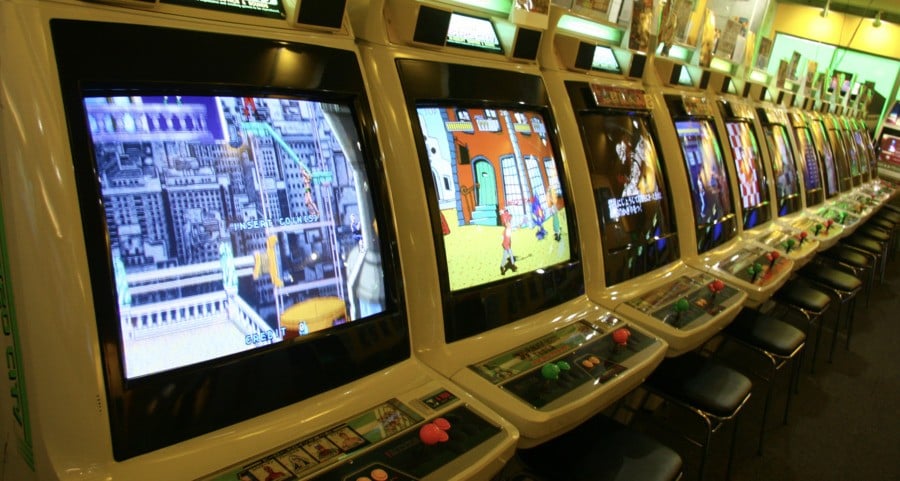
Once upon a time, the arcade stood as a vibrant nexus for technological innovation and communal gaming, a place where enthusiasts could experience the cutting edge of interactive entertainment. Today, that era has largely receded into memory, as evidenced by the profound decline of arcade culture, particularly in its historic stronghold of Japan. The once-ubiquitous neon-lit halls, pulsating with the sounds of button m-ashing and triumphant jingles, are now a dwindling sight, victims of evolving consumer habits, advanced home technology, and recent global disruptions. A poignant collection of photographs by DCharlie offers a vital glimpse into these cherished, and often vanished, Japanese arcade spaces, serving as a powerful testament to a lost golden age.
The Golden Age: A Cultural Phenomenon
The story of Japanese arcades is inextricably linked to the nation’s post-war economic boom and its pioneering spirit in electronics. Beginning in the late 1970s with the global phenomenon of Space Invaders, arcades rapidly transformed from niche entertainment venues into mainstream cultural institutions. The 1980s saw an explosion of creativity, with titles like Pac-Man, Donkey Kong, and Street Fighter II captivating millions. These establishments were more than just places to play games; they were social hubs, meeting points for friends, and proving grounds for competitive gamers.
By the late 1980s and early 1990s, the Japanese arcade market reached its zenith. Major players like Sega, Taito, Namco, and Konami dominated, continuously pushing the boundaries of hardware and game design. Arcades offered experiences simply unattainable at home, boasting superior graphics, dedicated control schemes, and massive cabinets that immersed players in their digital worlds. From elaborate racing simulators and intricate shooting games to the burgeoning fighting game scene, arcades provided a unique, high-fidelity experience that justified the cost of a coin. Popular arcade chains such as Sega World, Taito Station, and Namco Land became landmarks in every major city, drawing crowds of all ages. The sheer volume of arcades across Japan, estimated to be in the tens of thousands at their peak, underscored their deep integration into the social fabric.
The Rise of Home Gaming and Shifting Tides

The seeds of the arcade’s eventual decline were sown with the exponential growth of home console technology. While early home systems like Nintendo’s Famicom (NES) offered simplified versions of arcade hits, they lacked the raw power and graphical fidelity of their coin-operated counterparts. However, successive console generations progressively narrowed this gap. The advent of 32-bit consoles like the Sony PlayStation and Sega Saturn in the mid-1990s marked a significant turning point. These systems brought near-arcade quality experiences directly into living rooms, often with expanded content, without the need for continuous coin feeding.
The subsequent PlayStation 2, Xbox, and Nintendo GameCube generations further solidified home gaming’s dominance. Online multiplayer, initially a PC gaming staple, began its migration to consoles, allowing players to compete with friends and strangers globally without leaving their homes. This convenience, coupled with the increasingly sophisticated and diverse game libraries available for home systems, chipped away at the unique appeal of arcades. Gamers no longer needed to visit an arcade to "sample the very latest in video game technology and design," as the original article notes, because their home setups offered comparable, if not superior, processing power and graphical fidelity. The cost-effectiveness of owning a game outright, as opposed to paying per play, also became a compelling factor for consumers.
Despite this shift, Japanese arcades demonstrated remarkable resilience and adaptability through the early 2000s. They pivoted towards genres that were harder to replicate at home, such as large-scale rhythm games like Dance Dance Revolution and Taiko no Tatsujin, elaborate light gun shooters, crane games (UFO Catchers), and photo booths (purikura). These specialized experiences continued to draw a dedicated clientele, particularly teenagers and young adults seeking social interaction and unique entertainment. For a time, this strategy allowed arcades to maintain a significant, albeit diminished, presence.
Economic Realities and Market Contraction
By the 2010s, the economic realities facing Japanese arcades became increasingly stark. The market for coin-operated games had been shrinking consistently for years. According to reports from the Japan Amusement Industry Association (JAIA), the arcade market, which once boasted revenues exceeding ¥700 billion (approximately $6 billion USD) in the mid-1990s, saw a steady decline, falling to below ¥400 billion by the late 2010s. The number of operating arcades also plummeted, from an estimated high of over 20,000 establishments in the late 1980s to fewer than 4,000 by 2019.
Several factors contributed to this accelerating contraction. High operating costs, including rent in prime urban locations, electricity consumption for hundreds of machines, and the constant maintenance required for complex hardware, became increasingly difficult to offset with declining foot traffic. The average revenue per machine decreased, making it harder for operators to turn a profit. Furthermore, the rise of mobile gaming introduced yet another powerful competitor, offering casual, often free-to-play, entertainment directly on smartphones, further reducing the incentive for casual players to visit an arcade. The demographics of arcade-goers also shifted, with a smaller, more dedicated core of enthusiasts replacing the broader, general audience of previous decades.

The COVID-19 Catalyst: Accelerating the Inevitable
While the writing "had been on the wall for many of these businesses for quite some time now," as the article states, the COVID-19 pandemic delivered a devastating, and often final, blow. Public health measures, including lockdowns, social distancing requirements, and advisories against non-essential outings, directly impacted businesses reliant on high foot traffic and close physical proximity. Arcades, by their very nature, are communal spaces. The shared controls, the dense arrangement of machines, and the enclosed environments made them particularly vulnerable to transmission fears and government-mandated closures.
Tourism, a significant revenue stream for many larger arcades in metropolitan areas, vanished almost overnight. Even as restrictions eased, lingering public apprehension and reduced consumer spending created an unsustainable environment for many operators already struggling with thin margins. The closures of iconic establishments, such as Sega Akihabara Building 2 in Tokyo in 2020 and its sister venue, Sega Akihabara Building 4, in 2021, sent shockwaves through the gaming community. These were not just small, independent arcades but multi-story bastions of arcade culture operated by one of the industry’s giants. Their closure symbolized the profound and irreversible changes occurring across the sector. Many smaller, local arcades also quietly shuttered their doors, unable to weather the prolonged economic downturn and uncertainty.
DCharlie’s Lens: A Digital Archive of Vanishing Worlds
Amidst this landscape of decline, the photographic work of DCharlie (Dcharlie.bsky) takes on profound significance. His curated collection of images, accessible via Flickr, serves as a precious digital archive of Japanese arcades in their full, vibrant glory. These aren’t just snapshots; they are meticulously composed frames that capture the unique atmosphere, the specific machines, and the overall aesthetic of these establishments. From the flickering neon signs and rows of classic cabinets to the subtle details of interior design and the occasional glimpse of patrons immersed in play, DCharlie’s photos transport viewers back to a bygone era.
What makes this collection particularly poignant is that many of the arcades featured no longer exist. Each image becomes a historical document, preserving the visual memory of spaces that were once bustling centers of entertainment and community. For those who grew up frequenting these arcades, the photos evoke a powerful sense of nostalgia, reminding them of youthful days spent mastering combos, chasing high scores, or simply soaking in the electric energy of the environment. For newer generations, the collection offers a rare window into a cultural phenomenon that predates their own experiences, illustrating the rich history of video gaming beyond home consoles and mobile devices. The digital curation ensures that these memories, and the architectural and cultural spaces they represent, are not entirely lost to time.
Voices from the Past and Present
The closure of an arcade is rarely just a business transaction; it’s often an emotional event for operators and patrons alike. While direct statements are not provided in the original article, it is possible to infer common sentiments from industry reports and public reactions over the years.
Arcade operators, often individuals or families who poured their lives into these businesses, express a profound sense of loss. "It’s a bittersweet ending," one might imagine an operator of a long-standing arcade remarking. "We tried everything to keep up, but the world has changed. It breaks my heart to close these doors, knowing how much joy this place brought to so many." The decision to close is often depicted as a last resort, made after exhausting all options to maintain profitability in an increasingly challenging market.
For gamers, the emotional impact is equally significant. Many recall the unique sensory experience of arcades – the distinct smell of electronics and stale cigarette smoke, the cacophony of different game sounds blending into a rhythmic symphony, the vibrant glow of CRT screens. "Nothing truly beats the arcade atmosphere," a long-time patron might lament. "The feeling of standing shoulder-to-shoulder with strangers, all focused on the same screen, the friendly competition – it’s a piece of our youth that’s gone." The loss extends beyond just the games; it’s the loss of a specific social ritual and a physical space tied to cherished memories.
Industry analysts, while acknowledging the cultural impact, often frame the decline as an inevitable evolution of the entertainment industry. "The economics simply don’t support the widespread arcade model anymore," an analyst might observe. "Technology has democratized high-quality gaming, making it accessible at home. Arcades that survive will need to innovate, offering unique, unreplicable experiences, or cater to a very specific niche."
Beyond the Screens: The Broader Cultural Implication

The disappearance of numerous Japanese arcades carries broader cultural implications beyond the gaming industry itself. These establishments were once integral components of urban landscapes, acting as beacons of entertainment in commercial districts and local neighborhoods. Their closure leaves vacant commercial spaces, alters the visual identity of streets, and removes a distinct type of public gathering place.
The shift away from arcades also represents a move from communal, public gaming experiences to more private, individual ones. While online multiplayer on home consoles and PCs offers a form of social interaction, it often lacks the spontaneous, face-to-face camaraderie and competitive energy that defined the arcade environment. The arcade was a melting pot, bringing together people from different walks of life united by a shared passion for games. Its decline signifies a subtle but significant change in how Japanese youth and adults engage with entertainment and each other.
However, the legacy of Japanese arcades is far from forgotten. Retro gaming communities thrive globally, preserving classic arcade titles through emulation and restoring original cabinets. Independent arcades and arcade bars in Western countries often draw inspiration from the Japanese model, albeit on a smaller scale. In Japan itself, a dedicated core of enthusiasts continues to support the remaining arcades, particularly those specializing in niche fighting games, rhythm games, or UFO catchers.
The Future of Arcade Experiences
While the widespread, dominant arcade culture of the past is unlikely to return, the concept of public gaming spaces is evolving. Some modern arcades are experimenting with virtual reality (VR) experiences, offering high-end, immersive setups that are still too expensive or space-intensive for most homes. Others are focusing on premium, unique attractions that blend gaming with other forms of entertainment, targeting tourists or special events. The emphasis has shifted from being the primary source of cutting-edge technology to providing unique, experiential entertainment that cannot be easily replicated elsewhere.
The photographs curated by DCharlie thus serve not only as a nostalgic journey but also as a critical historical document. They remind us of a time when the arcade was the undisputed king of video game innovation and social interaction, a vibrant testament to a unique chapter in cultural history that, while fading, continues to influence the world of gaming and beyond. The vibrant neon glow may dim, but the memories and the photographic legacy ensure that the spirit of the Japanese arcade endures.