Retno Hari Mulyono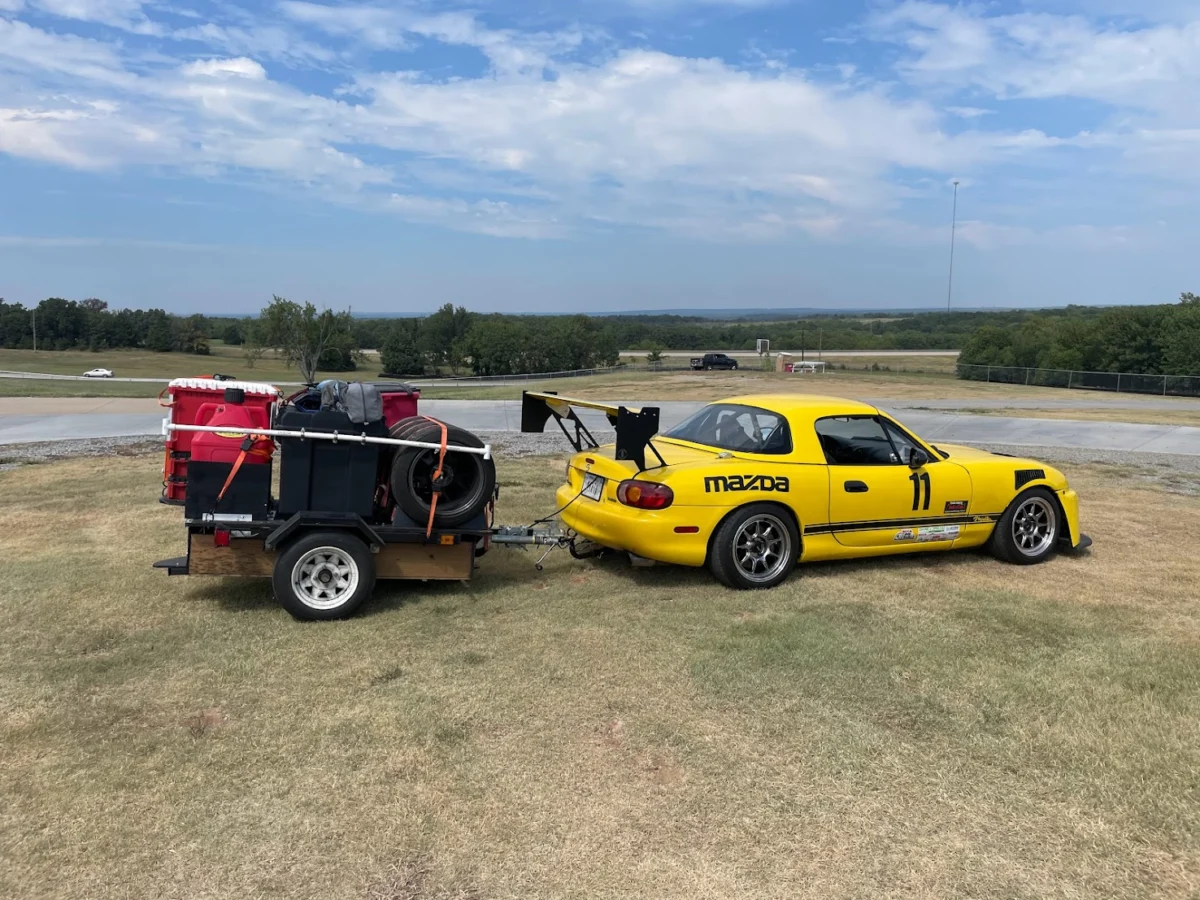
The third year of ownership for a Mazda Miata NB has concluded, marking a significant transition from a street-legal enthusiast vehicle to a refined, purpose-built competitor in regional SCCA Time Trials and autocross circuits. Spanning from March 2023 to February 2024, this period was defined by aggressive aerodynamic experimentation, the logistical challenges of grassroots racing, and a strategic weight-reduction program designed to optimize the vehicle’s power-to-weight ratio. Over the course of twelve months, the vehicle participated in 15 track days and 15 autocross events across five states, highlighting both the durability of the NB platform and the iterative nature of amateur motorsports engineering.
Logistics and Aerodynamic Development: Spring 2023
The year began with a focus on logistical efficiency. In March 2023, the vehicle’s custom-built tire trailer underwent significant upgrades. Originally designed in 2022 to transport spare sets of racing rubber and tools, the trailer was modified with a lower deck positioned just below the axle to improve the center of gravity and storage capacity. Additional enhancements included the integration of a 15-gallon fuel cell, a dedicated mount for a spare front splitter, and a storage tube for various Wing Gurney flaps. These modifications reflect a broader trend in grassroots racing where participants must remain self-sufficient while traveling to remote circuits without the support of professional haulers.
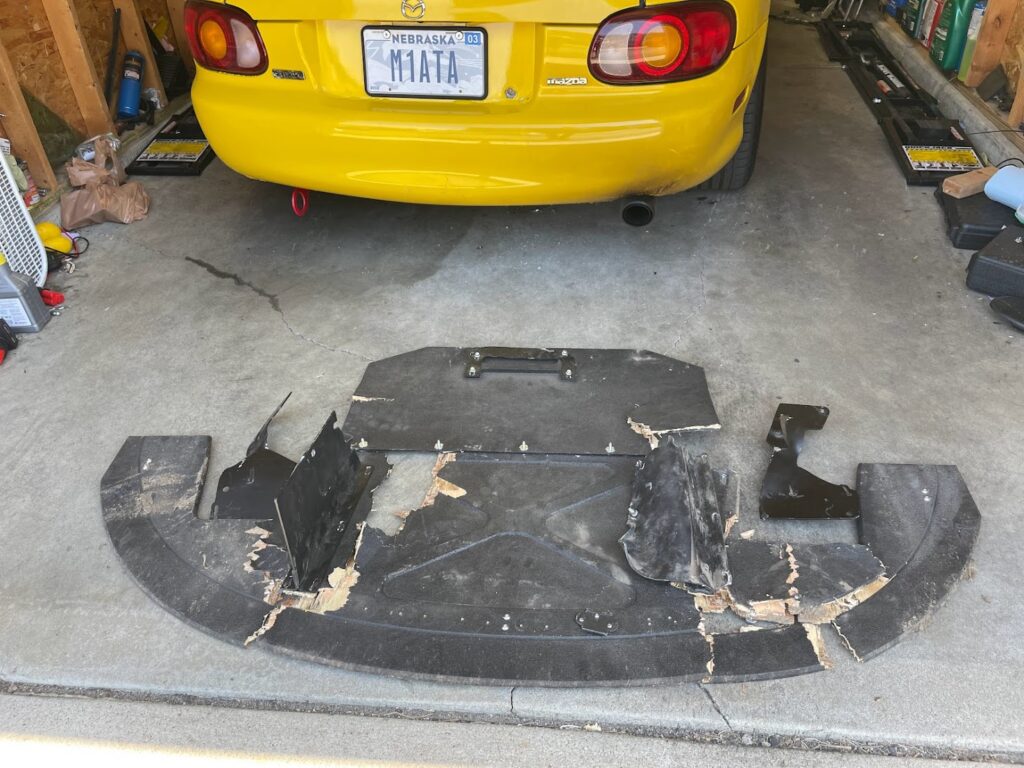
April 2023 brought the first major technical hurdle of the season. Following the installation of a Nine Lives Racing medium downforce kit, the driver sought to test the vehicle’s new aerodynamic profile. However, during a high-speed session, the car overshot an exit at a high-speed turn, resulting in an off-track excursion. The impact destroyed the front splitter, bent the splitter mounts, and damaged the radiator support.
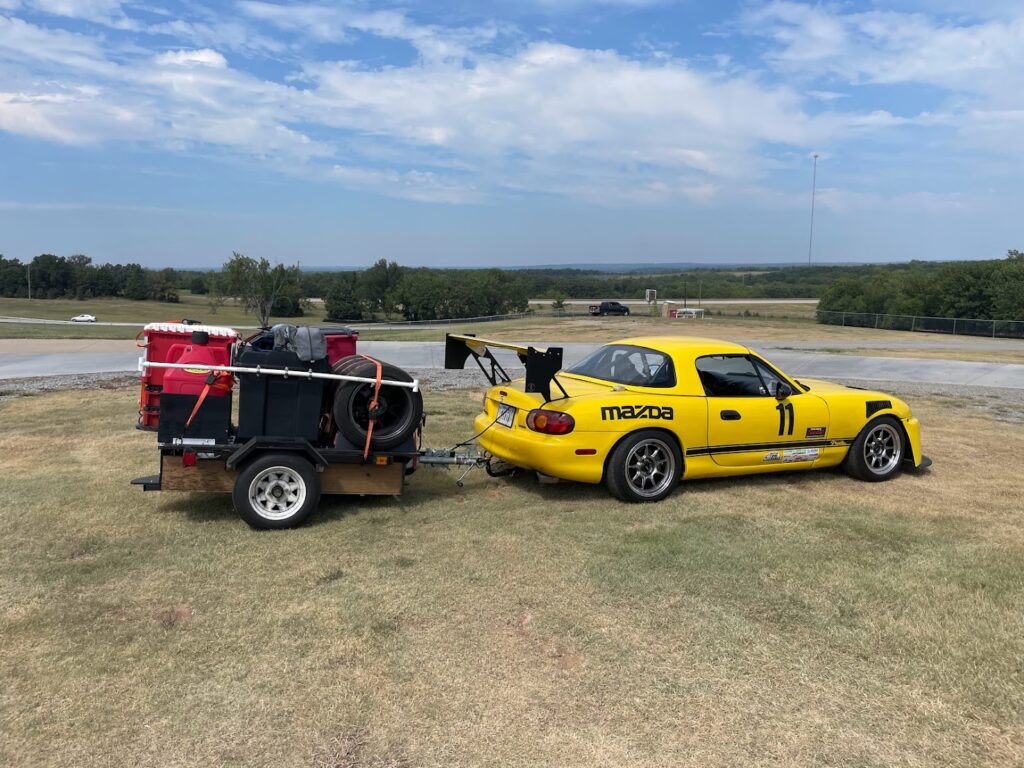
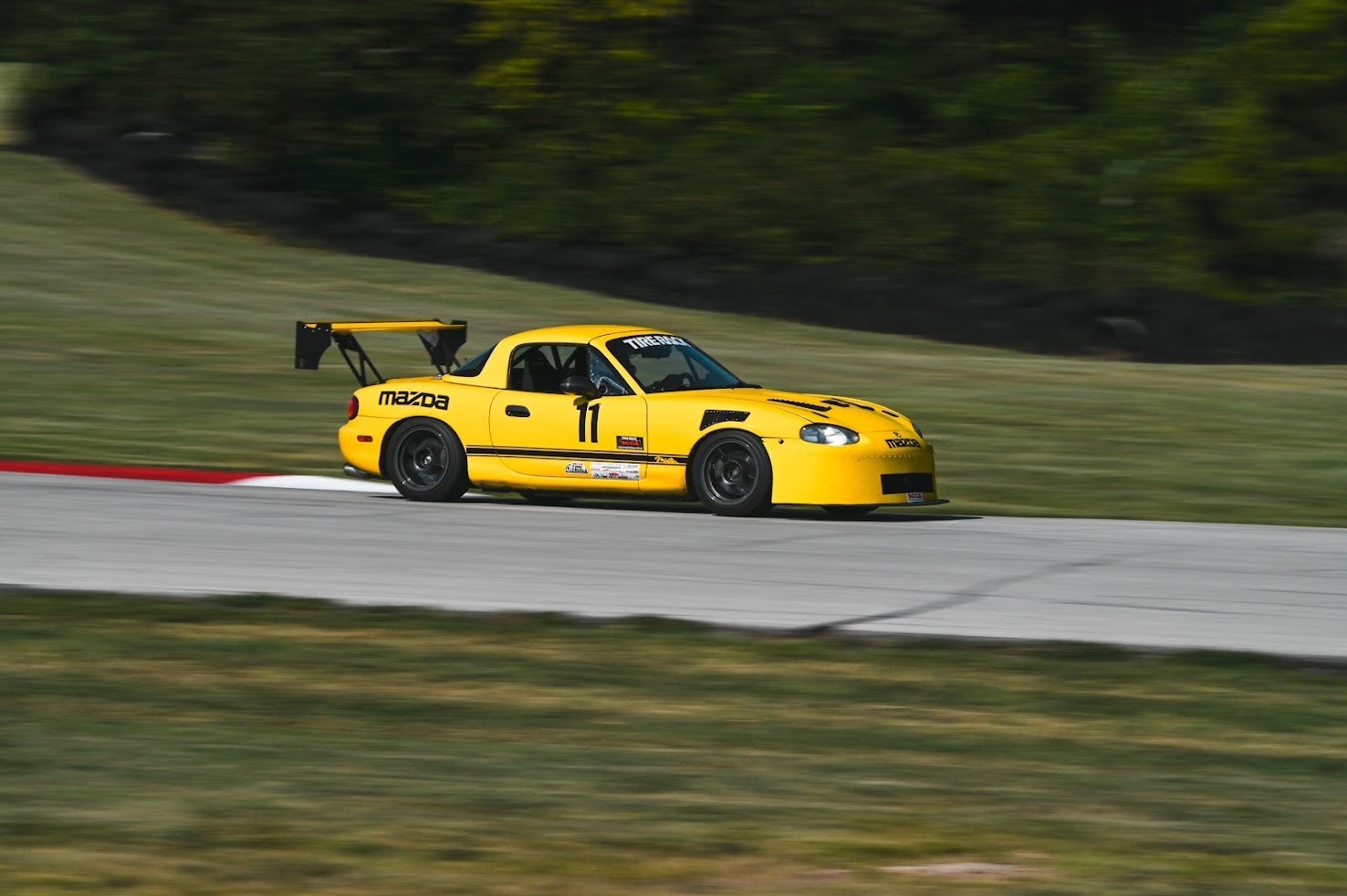
This incident prompted a shift in the vehicle’s maintenance strategy. To mitigate the high cost of replacing precision-engineered aerodynamic components, the driver transitioned to 1/2-inch plywood for splitter construction. Plywood has become a standard material in grassroots Time Trials due to its rigidity, low cost, and "sacrificial" nature during impacts or bottoming out. By the end of the spring, the vehicle was equipped with a reinforced plywood splitter and side supports, a configuration that proved resilient against the rigors of track use.
Regional Circuit Analysis and the Closure of Heartland Motorsports Park
In May 2023, the vehicle competed in the SCCA Time Trials at Heartland Motorsports Park in Topeka, Kansas. The event was notable not only for the performance data gathered but also for its historical context. Heartland Motorsports Park, a staple of the Midwestern racing community since 1989, officially ceased operations at the end of the 2023 season. The closure followed a protracted legal dispute regarding property taxes, leading to the auctioning of the land and equipment. The loss of this facility represents a significant blow to regional SCCA and NASA chapters, forcing drivers to travel further to find comparable high-speed technical circuits.
During this period, the vehicle transitioned to a more aggressive tire setup, utilizing 225/45R15 Falken RT660s on 15×9 wheels. The RT660 is widely regarded as a "super-200" treadwear tire, offering a balance between longevity and the high-grip characteristics required for competitive Time Trials.
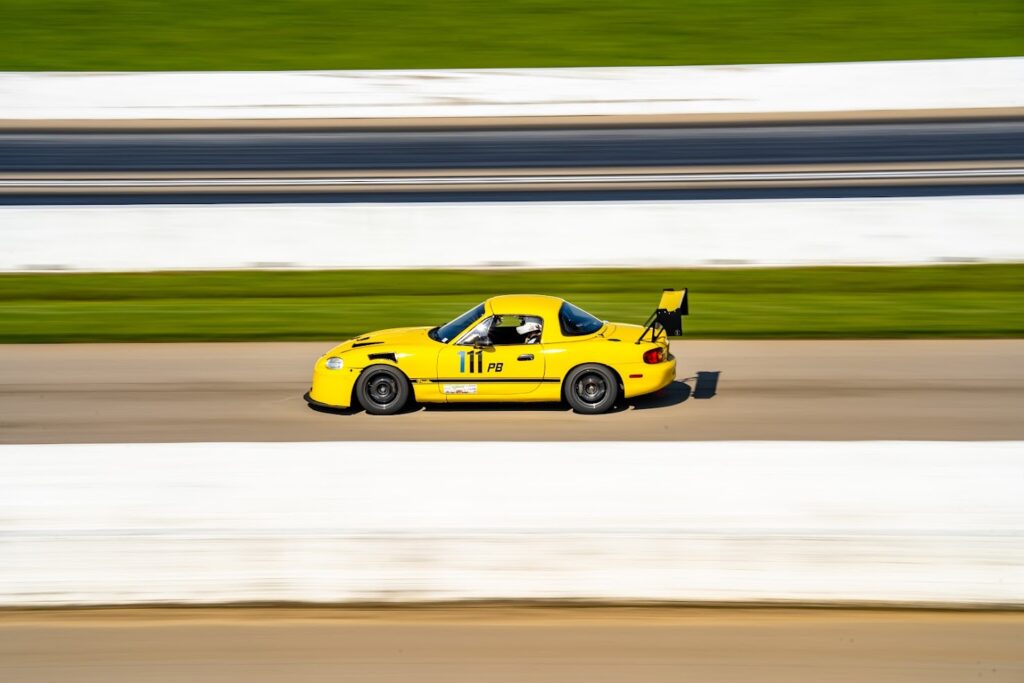
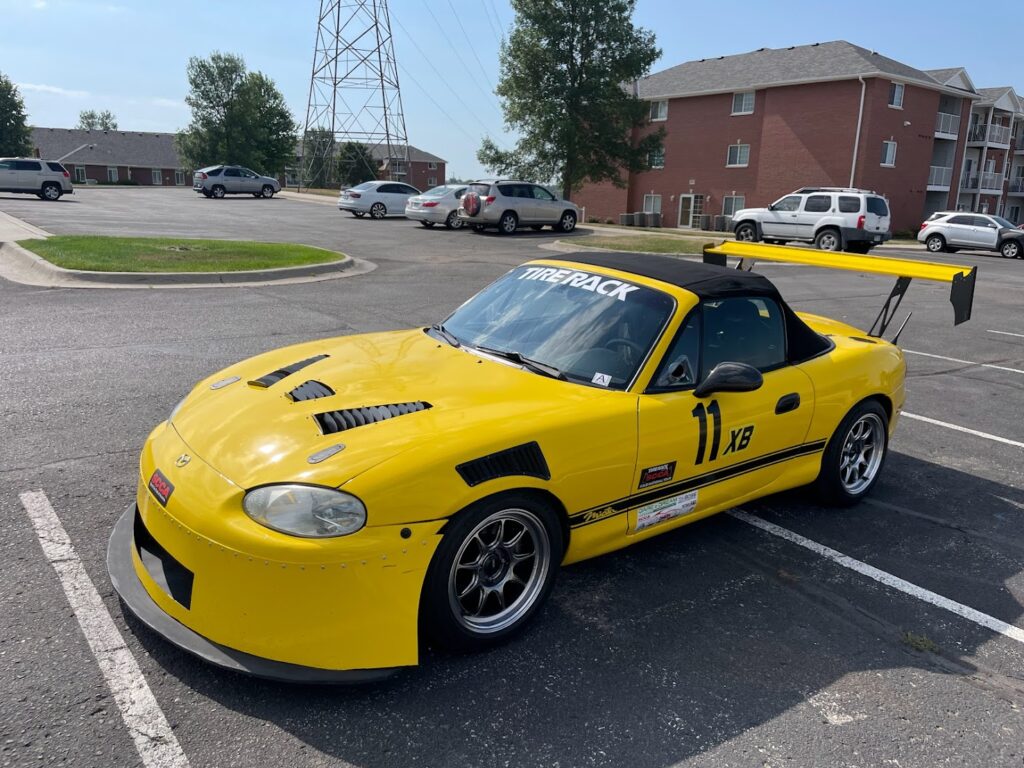
By June 2023, the vehicle’s evolution toward a track-only configuration continued with the permanent removal of the soft top. Technical testing indicated that the rear wing’s efficiency was significantly compromised by the turbulent airflow of an open-top car. By committing to a permanent hardtop setup, the driver reduced vehicle weight and optimized the downforce generated by the Nine Lives Racing kit.
Technical Failures and New Horizons: Summer 2023
The summer months tested the mechanical endurance of the NB Miata. In July, while en route to an autocross event, the driver identified a slipping clutch. Despite the failure, the vehicle completed the event before undergoing an emergency clutch replacement. Due to time constraints ahead of a scheduled event at Ozarks International Raceway (OIR), a standard organic clutch was installed as a temporary measure.
The visit to Ozarks International Raceway in Missouri provided a stark contrast to the flatter Midwestern tracks. OIR is characterized by extreme elevation changes and blind corners, requiring high levels of driver confidence and vehicle stability. While the driver opted for a conservative approach due to the proximity of trackside barriers and the lack of a recovery trailer, the data collected suggested that the aerodynamic upgrades were vital for maintaining high-speed stability through OIR’s undulating "rollercoaster" sections.
August 2023 saw a return to Motorsports Park Hastings in Nebraska. The vehicle recorded a personal best lap time of 1:42.78. For context, the NASA Spec Miata lap record at this circuit stands at 1:40.415. While the NB Miata remains slightly off the pace of professional-grade Spec Miata builds, the gap is closing as the driver refines braking zones and high-speed cornering entries, particularly in Turn 3, where the car is now capable of near-full-throttle speeds.
Driver Ergonomics and Thermal Management: September 2023
In September, the vehicle participated in the "Miatas at Hallett" event at Hallett Motor Racing Circuit in Oklahoma. This event allowed for testing in both clockwise and counter-clockwise configurations. A critical addition during this month was the installation of a "Cool Shirt" system—a portable cooling unit that circulates ice water through a specialized garment worn by the driver.
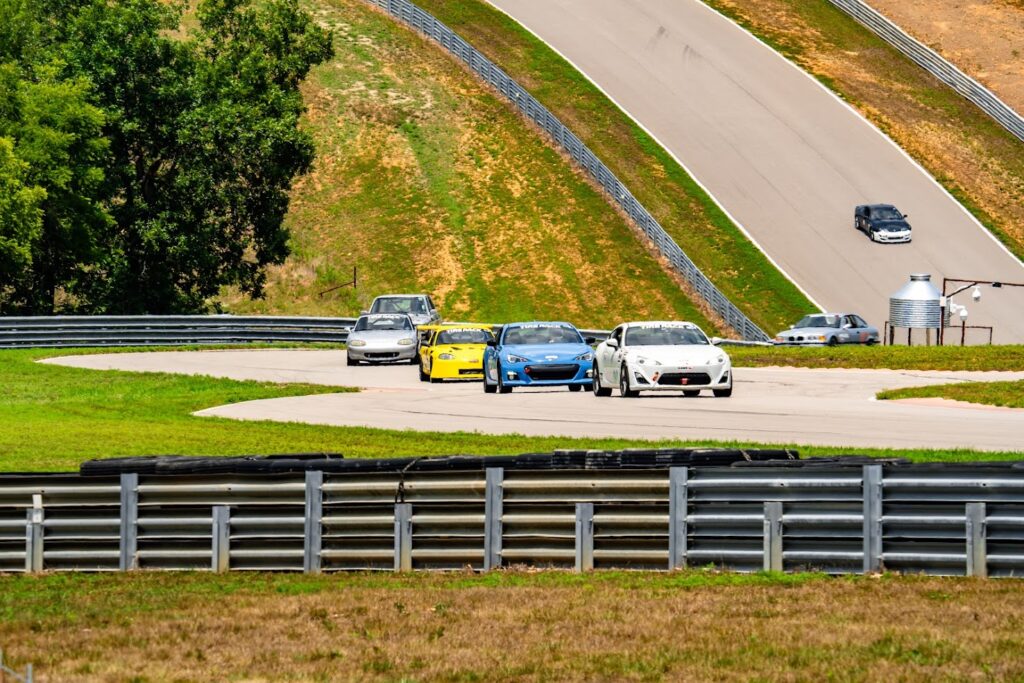
Thermal management is a critical, yet often overlooked, component of racing performance. In a closed-cockpit environment during peak summer temperatures, driver fatigue can lead to decreased lap times and safety risks. The adoption of the cooling system allowed for consistent performance during long sessions, proving that investments in driver ergonomics are as valuable as mechanical upgrades.
Engine Evaluation and Winter Overhaul: Late 2023
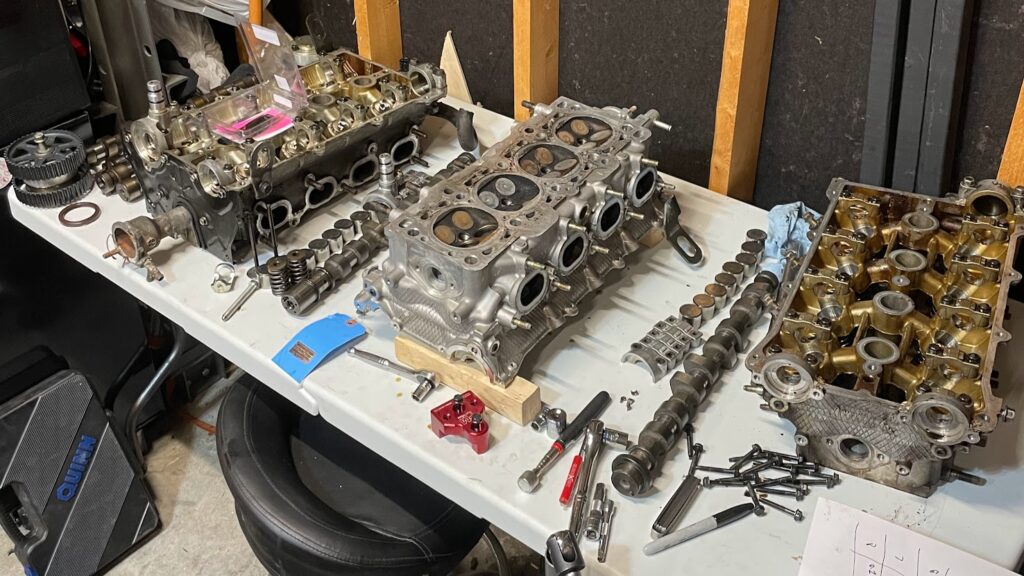
As the 2023 season concluded in November, the focus shifted to the vehicle’s powerplant. The original BP4W engine, while reliable, began exhibiting signs of wear, including oil consumption at high RPMs and smoke during engine braking. The owner initiated an evaluation of several spare engines, including a BP6D (VVT) motor from a later NB2 model.
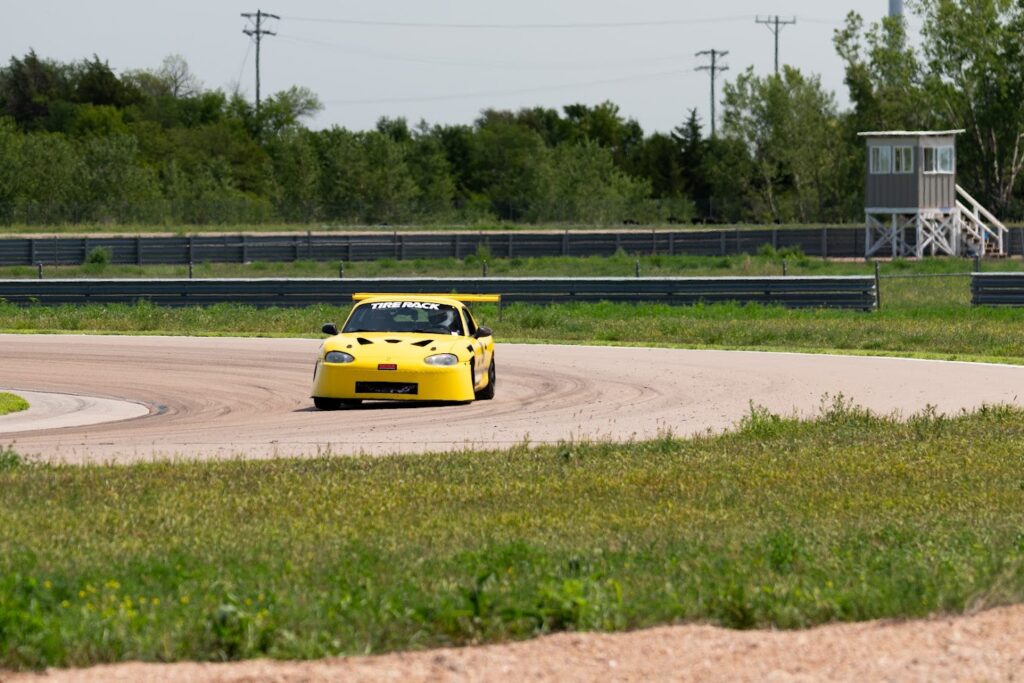
The BP6D engine is highly sought after in the Miata community for its Variable Valve Timing, which provides a broader power band compared to the earlier BP4W. Throughout October and November, the driver began a hybrid engine build, combining a rebuilt BP4W bottom end with a BP6D head and pistons. This strategy aims to maximize reliability while utilizing the superior airflow characteristics of the VVT head.
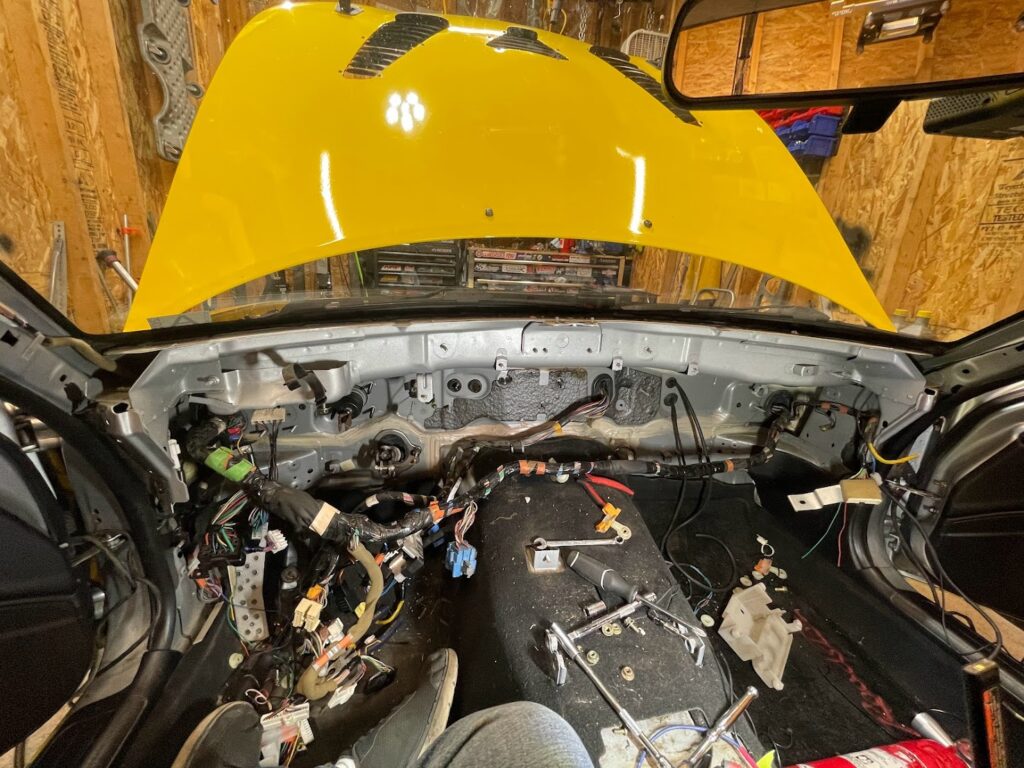
During the winter months (December 2023 – February 2024), the vehicle underwent a significant "weight loss" program. Strategic removals included:
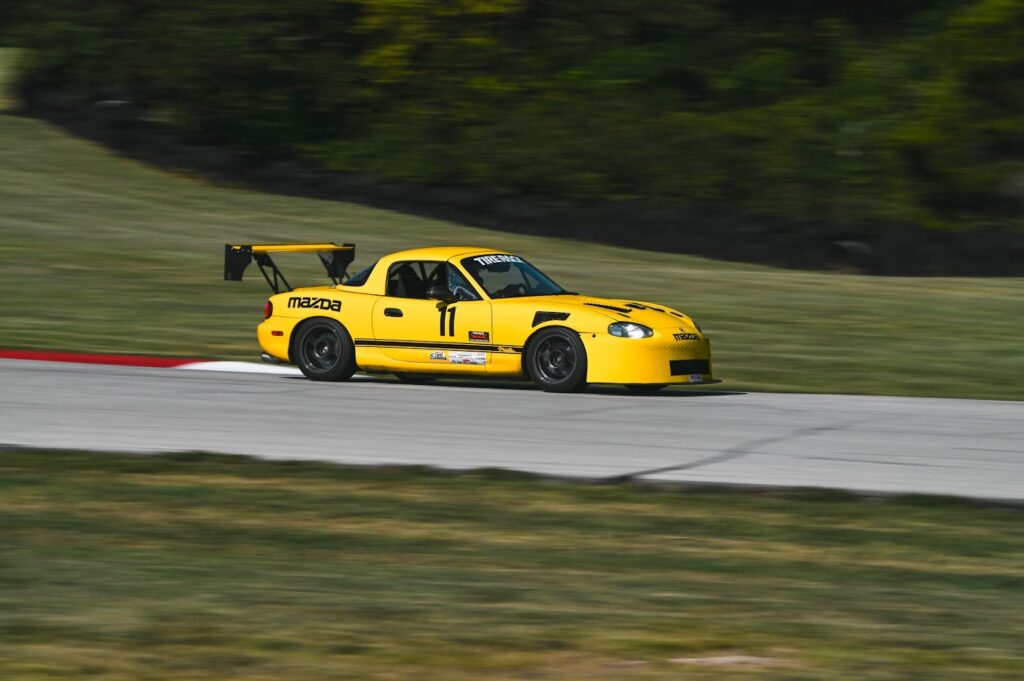
- The dashboard and interior trim.
- Excess wiring looms and unused electrical connectors.
- The HVAC system and heater core.
- Passenger-side safety equipment.
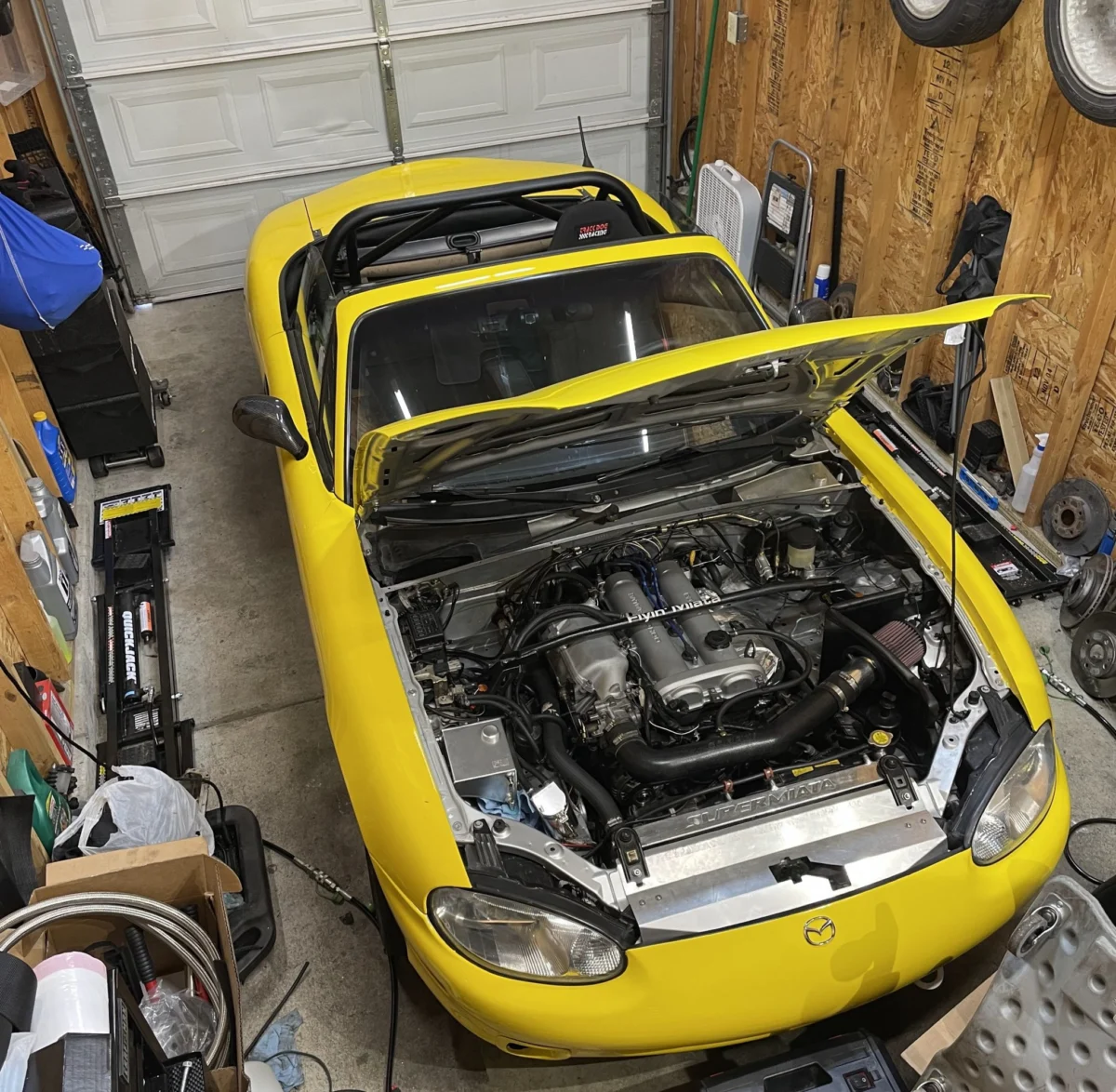
Total weight savings were estimated at 50 pounds. While seemingly modest, in a vehicle weighing approximately 2,300 pounds, a 50-pound reduction provides a measurable improvement in acceleration and braking distances.
Interior Refinement and Future Outlook
The final stages of the year three cycle focused on the driver’s interface. In January 2024, a 330mm OMP flat steering wheel with a quick-release hub was installed. This modification serves two purposes: it facilitates easier ingress and egress from the car—especially important when a roll cage is present—and it improves steering feedback. Despite the lack of power steering, the smaller diameter wheel has not negatively impacted the driver’s ability to manage high-torque cornering.
Finally, in February 2024, the "Cool Shirt" system was relocated to a custom aluminum bracket in the trunk. This move freed up the passenger footwell, allowing the car to accommodate instructors or passengers during non-competitive track days without sacrificing driver cooling.
Data Summary and Comparative Analysis
The third year of ownership represents the most active period in the vehicle’s history. The following data points summarize the season:
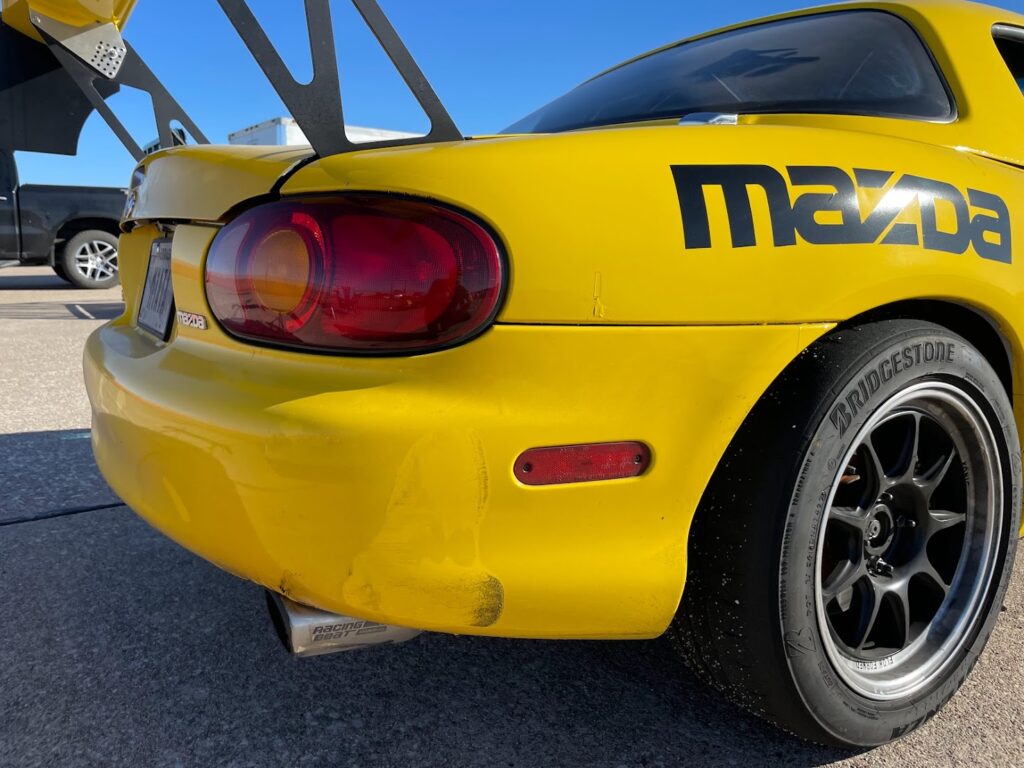
- Total Events: 30 (15 Track Days, 15 Autocross).
- Tire Longevity: Falken RT660 tires lasted approximately 8.5 hours of track time across 38 heat cycles.
- Autocross Performance: Bridgestone RE71-RS tires remained viable after 17 events (approx. 70 runs).
- Geographic Reach: Competition spanned five states, expanding the vehicle’s data set to include diverse track surfaces and climates.
The transition from the 2023 season to 2024 marks a shift from "refinement" to "optimization." While the vehicle has reached a high level of performance for a naturally aspirated NB Miata, the owner has indicated that the next phase of development may involve forced induction or a move to the top of the power-to-weight ratio for its specific Time Trials class.
Broader Implications for Grassroots Motorsports
The journey of this NB Miata reflects the current state of amateur racing in North America. The closure of historic tracks like Heartland Motorsports Park highlights the fragility of racing venues in the face of economic and legal pressures. Conversely, the rise of high-tech facilities like Ozarks International Raceway shows a continuing demand for premium racing experiences.
Technically, the shift toward DIY aerodynamics (plywood splitters) and driver-centric tech (Cool Shirts) demonstrates a maturing market where enthusiasts prioritize data-driven results and seat time over aesthetic modifications. As the vehicle enters its fourth year, it stands as a testament to the enduring viability of the Mazda NB platform in an era of increasingly complex and expensive performance cars.