Johny Imanuel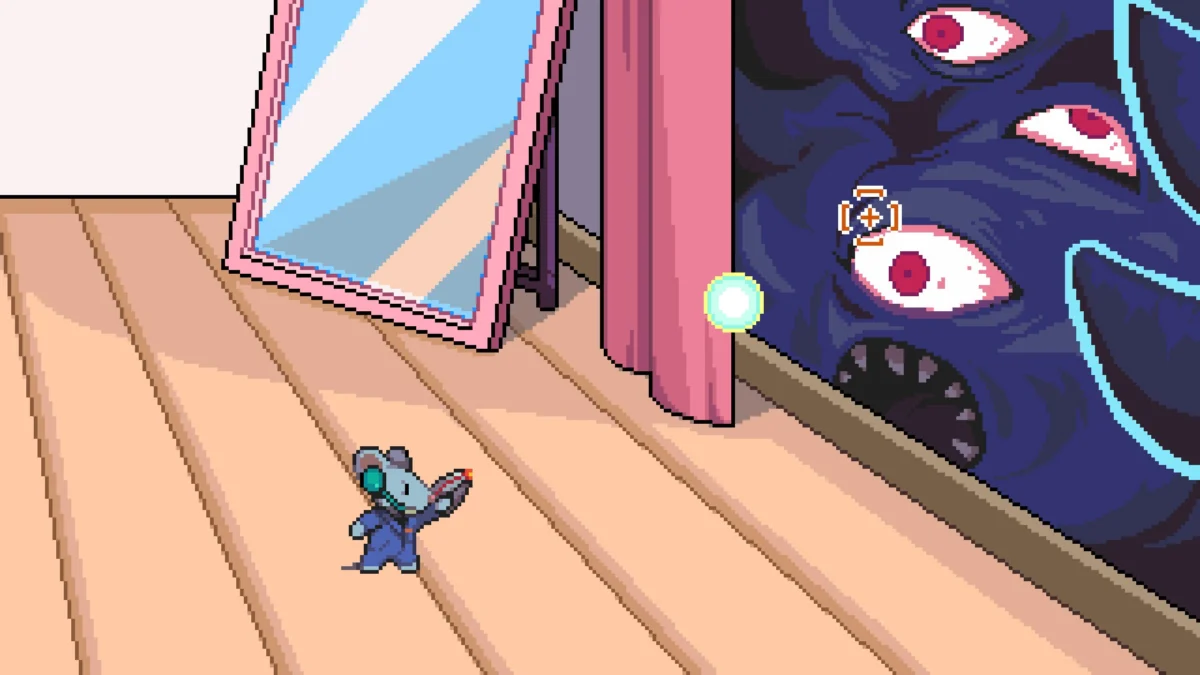
The independent game development studio Odencat has officially transitioned its supernatural adventure title, Mousebusters, to the PC platform via Steam, marking a significant milestone in the game’s lifecycle. Known for producing emotionally resonant, time-efficient experiences such as Bear’s Restaurant and Meg’s Monster, Odencat has established a distinct niche within the indie gaming sector. Mousebusters represents a continuation of this design philosophy, offering a narrative-driven experience that balances whimsical character interactions with light puzzle-solving and arcade-style combat. The game, which initially gained traction on mobile platforms, is now set to broaden its audience further with confirmed upcoming releases on the Nintendo Switch and Xbox Series X|S.
The Narrative Framework and Conceptual Premise
The core narrative of Mousebusters centers on a protagonist who moves into a metropolitan apartment building plagued by an unsavory reputation. Shortly after settling into a second-floor unit, the character falls victim to a supernatural curse that transforms them into a mouse. This transformation serves as the catalyst for the game’s central conflict and introduces the player to the "Chief," a veteran mouse who operates a clandestine ghost-hunting organization known as the Mousebusters.
The player is recruited as the second member of this duo, tasked with purging the apartment complex of malevolent spirits that haunt the human residents. The narrative structure is episodic, focusing on the individual lives of the building’s inhabitants while gradually weaving a larger mystery regarding the source of the ghosts and the nature of the curse. This approach allows for a character-centric exploration of the human condition, viewed through the literal and figurative lens of a small, overlooked creature.

Gameplay Mechanics and Hybrid Genre Elements
Mousebusters utilizes a hybrid gameplay model that blends traditional point-and-click adventure elements with "shoot ’em up" (STG) mechanics. The gameplay loop is divided into distinct phases: investigation, puzzle-solving, and exorcism.
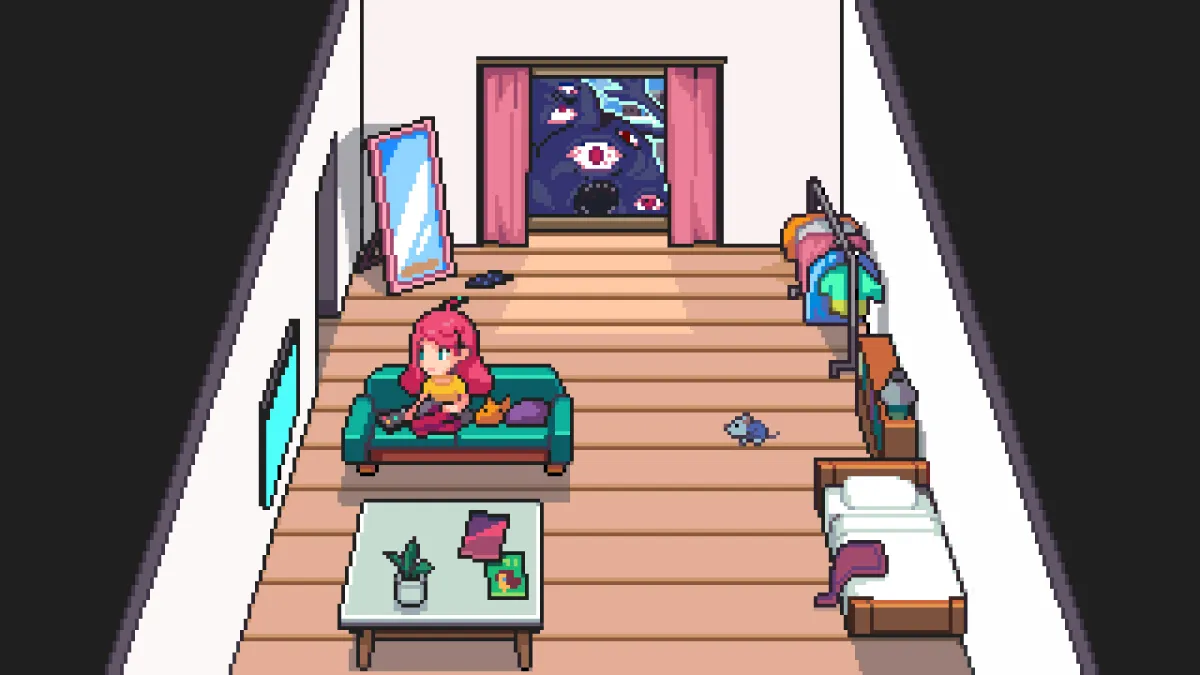
During the investigation phase, players navigate the apartment building’s ventilation system to enter various units. Once inside, the player must identify haunted "hotspots" by interacting with the environment. This phase emphasizes stealth and observation, as the player must avoid detection by human residents and their pets. The environmental interactions provide context for the hauntings, often revealing the emotional or psychological burdens of the residents that have manifested as spirits.
The transition to the exorcism phase occurs once a ghost is localized. This requires the player to engage in light environmental puzzles—manipulating objects within the room to influence the resident’s behavior or to clear a path for the "bust." The final confrontation with the spirit shifts the mechanics toward an arcade-style shooter. In these sequences, the ghost emits projectile patterns that the player must dodge while returning fire with a specialized ghost-busting reticle.
Odencat has implemented two primary difficulty settings to ensure accessibility. The "Story" mode significantly reduces the challenge of the shooter segments, allowing players to focus almost exclusively on the narrative. The "Standard" mode offers a more traditional challenge, though early reports and player feedback suggest that the difficulty curve remains approachable for non-genre veterans, with only late-game boss encounters requiring significant mechanical precision.
Visual Artistry and Technical Design
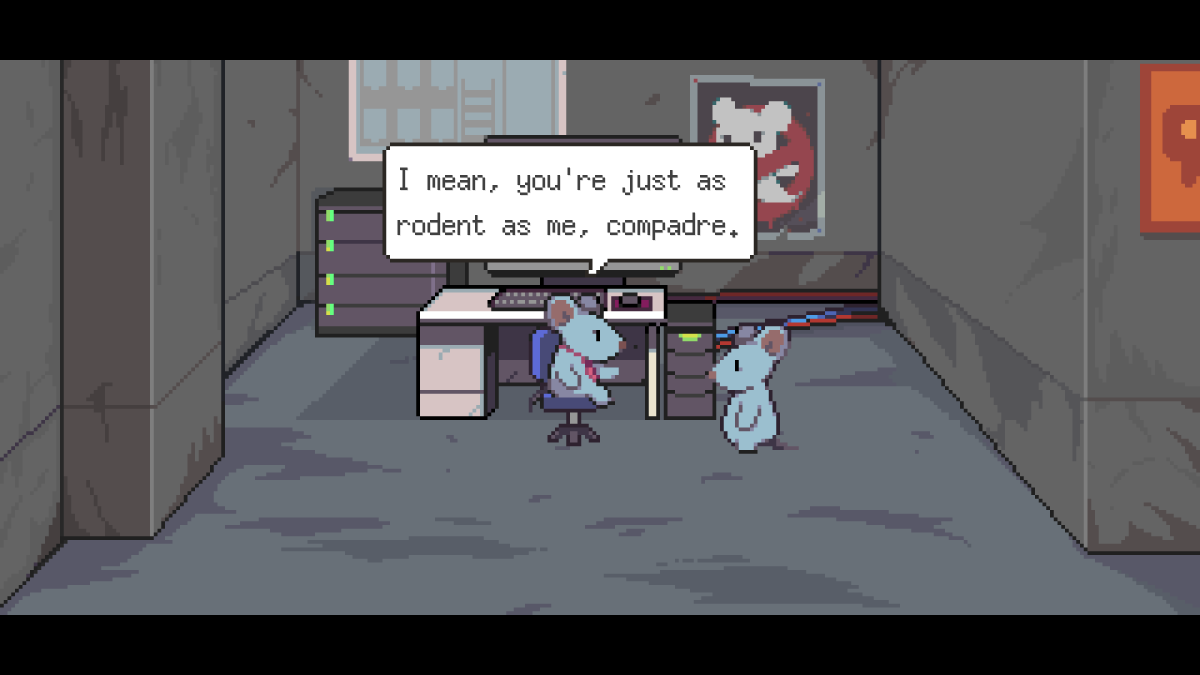
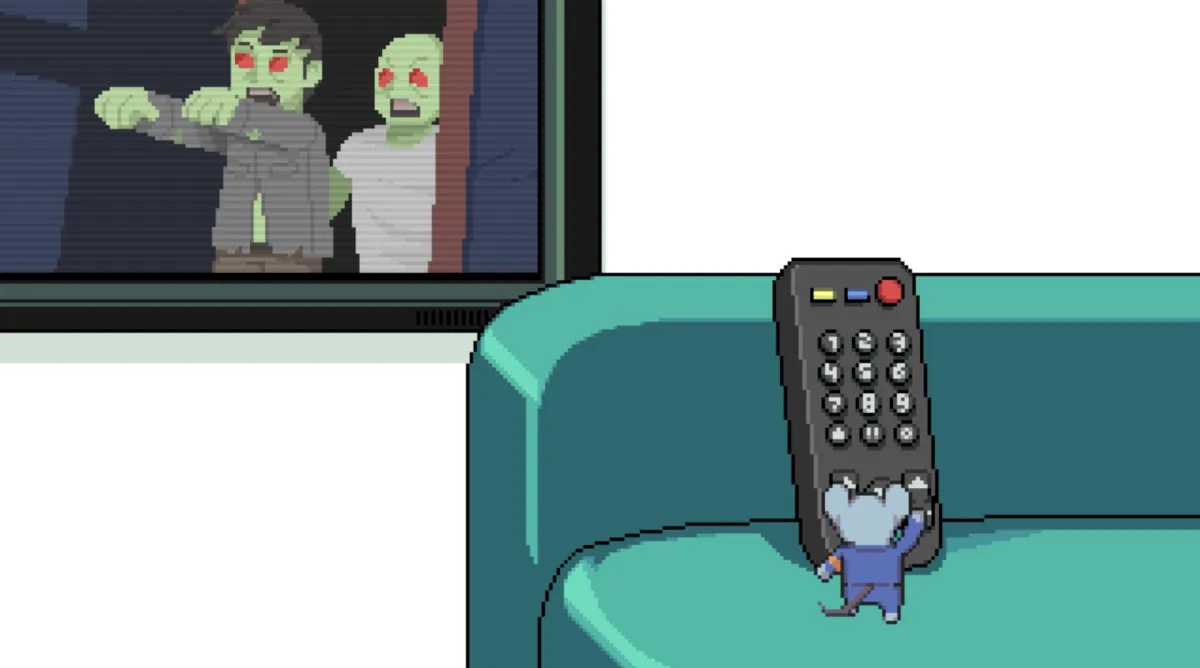
A hallmark of Odencat’s production value is its high-fidelity pixel art and sophisticated sprite work. Mousebusters employs a dual-perspective visual style that enhances the immersion of the "mouse-eye view." Players experience the world from two distinct scales: a human-sized perspective where the protagonist is a minute, barely visible sprite, and a zoomed-in mouse perspective where everyday household items take on monolithic proportions.
This attention to scale is complemented by detailed character designs and expressive animations. The "Chief" and the protagonist exhibit a wide range of emotive states despite the limitations of the pixel medium. The environmental design further supports the storytelling, with each apartment unit meticulously decorated to reflect the personality and background of its resident, providing a layer of "silent storytelling" common in high-end indie productions.
Chronology of Development and Distribution
The trajectory of Mousebusters follows a strategic rollout typical of successful mobile-to-console indie ports.
- September 2020: Mousebusters initially launched on iOS and Android devices. It was praised for its episodic format, which suited mobile play sessions, and its monetization model, which remained respectful of the player experience.
- 2021–2023: Following the success of Bear’s Restaurant and Meg’s Monster on Steam and consoles, Odencat began the process of optimizing Mousebusters for larger screens and traditional controller inputs.
- Late 2024: The PC version launched on Steam, featuring enhanced resolution support and integrated achievements.
- Upcoming 2025 Roadmap: Odencat has confirmed that the title is in the final stages of porting for the Nintendo Switch and Xbox Series X|S, aiming to capture the console market that has historically supported the studio’s previous narrative titles.
Market Context and the Rise of Short-Form Narrative Games
The release of Mousebusters on PC occurs within a broader industry trend toward "snackable" or short-form gaming experiences. As the average age of the gaming population increases, there is a growing demand for titles that can be completed in a single afternoon or over a weekend. Mousebusters, with a total playtime estimated between two to four hours, caters directly to this demographic.
Data from digital storefronts like Steam indicates that "Short" (under 5 hours) and "Very Short" (under 2 hours) tags have seen a steady increase in user engagement. Developers like Odencat have successfully argued that value in gaming is not solely derived from hourly duration, but from narrative density and emotional impact. By pricing these games competitively and ensuring a high level of polish, Odencat has maintained a "Very Positive" user rating across its portfolio.
Official Perspectives and Studio Philosophy
While Odencat maintains a small, focused development team, their public communications emphasize a commitment to "games that leave a mark on the heart." In developer logs and social media updates, the studio has expressed that Mousebusters was designed to be "clever and often silly," but with an underlying layer of sincerity.
The transition to PC and consoles is viewed by the studio as a way to "preserve" the game in a more permanent ecosystem compared to the rapidly changing mobile market. Industry analysts note that porting successful mobile indies to Steam is a proven method for extending a game’s long-tail revenue and building a dedicated "cult" following that will support future projects.
Broader Implications for the Indie Sector
The success of Mousebusters highlights several key shifts in the indie development landscape:
- Cross-Platform Scalability: The ability to design a game that feels at home on both a touchscreen and a high-end PC is becoming a vital skill for indie developers. Mousebusters’ transition suggests that simple, intuitive mechanics can bridge the gap between casual and core gaming audiences.
- Genre Blending: By combining adventure puzzles with shooter elements, Odencat avoids the "walking simulator" label that sometimes limits the appeal of narrative-heavy games. This hybrid approach provides enough mechanical engagement to satisfy traditional gamers while remaining accessible to newcomers.
- The "Odencat Style": The studio is becoming a brand unto itself. Much like Supergiant Games or Devolver Digital, Odencat is developing a reputation where the "developer name" acts as a quality assurance stamp for a specific type of emotional, pixel-art experience.
Conclusion and Future Outlook
Mousebusters stands as a testament to the viability of short-form, high-concept indie games. Its expansion to PC and eventually to the Switch and Xbox ecosystems ensures that its unique blend of supernatural mystery and rodent-led heroism will reach a global audience. As the gaming industry continues to grapple with rising development costs and "live-service" fatigue, the focused, complete, and charming nature of Mousebusters offers a compelling alternative for players seeking a meaningful but manageable adventure.
The game is currently available for purchase on Steam and mobile app stores, with the console versions expected to follow in the coming months, further solidifying Odencat’s position as a premier developer of modern pixel-art narratives.