Cecilia Chamidah Nur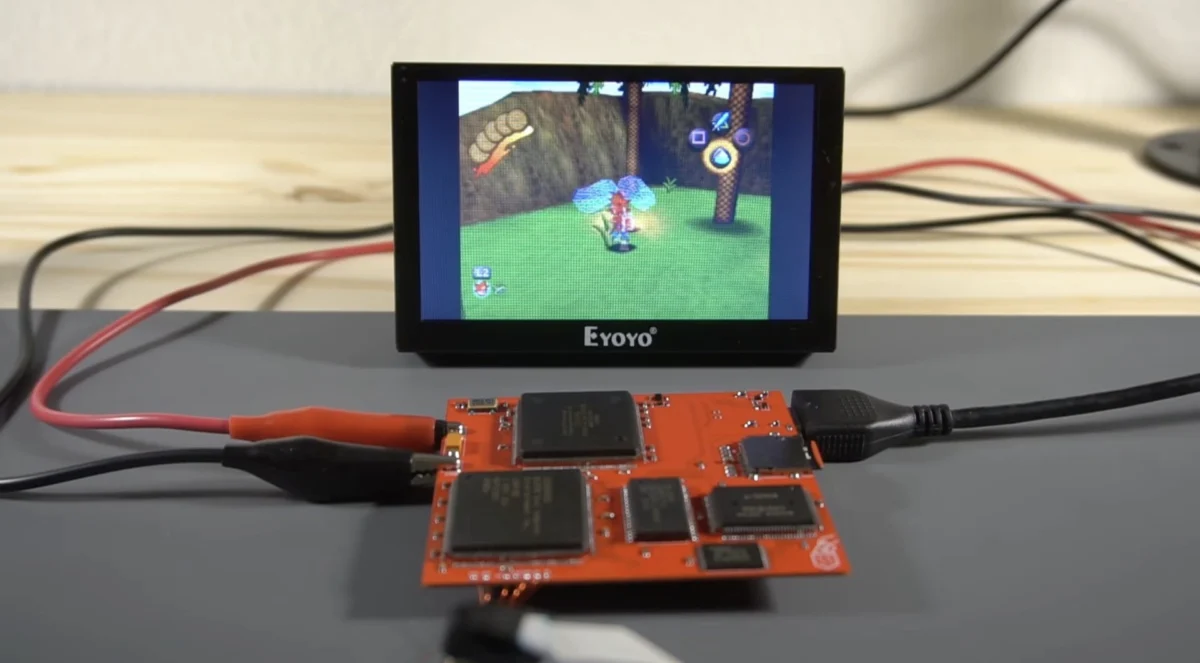
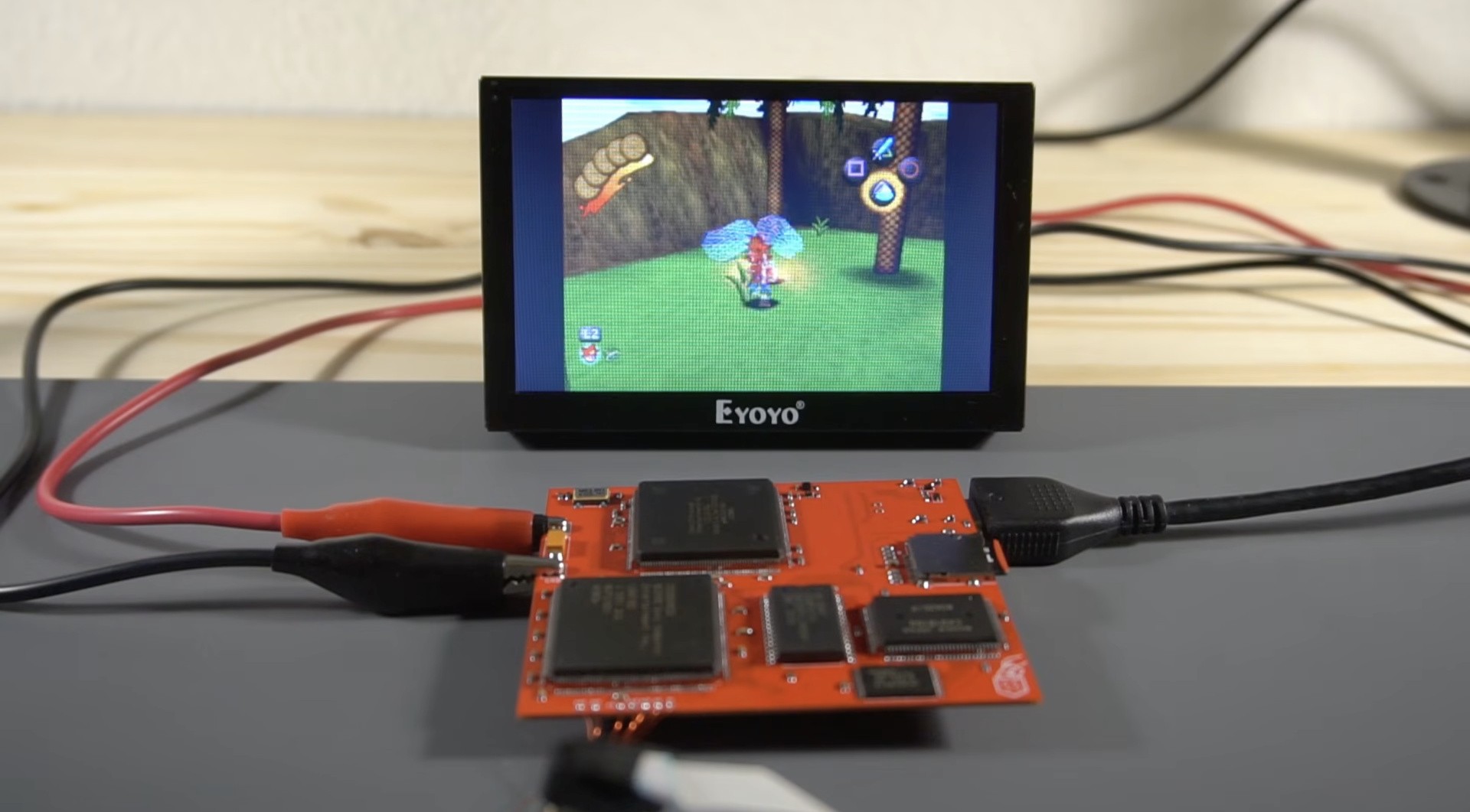
A significant advancement in retro gaming preservation and enhancement has been unveiled by the modding community, with an individual known as Secret Hobbyist successfully developing a custom Printed Circuit Board (PCB) that consolidates the most desirable features from various PlayStation 1 (PS1) console revisions into a single, high-performance unit. This innovative project effectively addresses long-standing challenges faced by enthusiasts in identifying and acquiring the "best" PS1 model, offering a definitive solution that marries historical fidelity with contemporary convenience. The custom PCB integrates components from different PS1 iterations, specifically leveraging parts from the more compact PSOne (model PM-41 v2 motherboard) and an earlier, original PS1 model (PU18), alongside modern enhancements such as MicroSD game loading capabilities and high-definition multimedia interface (HDMI) output, as initially reported by Engadget.
The Genesis of a Hybrid Console: Addressing PS1’s Varied Legacy
The original PlayStation, launched by Sony Computer Entertainment in December 1994 in Japan and subsequently in North America and Europe in 1995, underwent numerous internal revisions throughout its lifespan. Like many hardware manufacturers, Sony frequently updated the console’s internal architecture, often driven by a desire to reduce manufacturing costs, improve reliability, or incorporate minor performance tweaks. These revisions led to a fragmented landscape for collectors and enthusiasts, with certain models gaining notoriety for specific attributes, such as superior audio output or improved disc drive mechanisms. For instance, early PS1 models (e.g., SCPH-100x series) are highly prized by audiophiles for their premium Digital-to-Analog Converters (DACs), while later models, particularly the compact PSOne (SCPH-10x series), boasted more efficient processors and smaller form factors.
This divergence created a dilemma for those seeking the optimal PS1 experience: compromise on certain features or attempt to combine elements from different consoles. Secret Hobbyist’s custom PCB project elegantly resolves this by meticulously selecting and integrating the most sought-after components onto a bespoke board. The objective was clear: to eliminate the need for such compromises and provide a single, definitive hardware platform that truly represents the pinnacle of PS1 performance and compatibility.
Component Deep Dive: A Symphony of Superior Hardware
The custom PCB is a testament to sophisticated engineering and a deep understanding of the PlayStation’s architecture. Its design meticulously incorporates key components that define its "ultimate" status:
1. The Coveted Asahi Kasei DAC (AK4309AVM): One of the most significant inclusions is the Asahi Kasei digital-to-analog audio converter (DAC) from the PU18 motherboard of an original PS1 model. This particular DAC, often found in early PlayStation units (specifically the SCPH-1000, SCPH-1001, SCPH-1002, and some SCPH-3000 series), is legendary among audio enthusiasts for its superior sound quality. Unlike later revisions that transitioned to cheaper, integrated DACs, the Asahi Kasei chip offered a distinct warmth and clarity that many purists believe provides the most authentic and rich audio experience for PS1 games. Its inclusion ensures that this custom build delivers the highest fidelity audio possible from the console’s original sound chip.
2. Efficient GPU and CPU from the PSOne (PM-41 v2): Powering the processing core are the Graphics Processing Unit (GPU) and Central Processing Unit (CPU) sourced from the PSOne’s PM-41 v2 motherboard. The PSOne, released in 2000, was a redesigned, smaller version of the original PlayStation. Its internal components, while functionally identical to earlier models, often featured manufacturing refinements that led to increased efficiency and reduced power consumption. By integrating these more streamlined processors, Secret Hobbyist’s PCB benefits from improved stability and lower heat generation, crucial for both longevity and potential future applications.
3. X-Station Mod Compatibility for Modern Media Loading: A critical modern enhancement is the PCB’s inherent compatibility with the X-Station mod. The X-Station is an Optical Drive Emulator (ODE) that allows users to load PlayStation games directly from a MicroSD card, bypassing the console’s original CD-ROM drive. This feature addresses several common issues with aging PS1 hardware: failing disc drives, scratched or unreadable game discs, and the slow loading times inherent to optical media. By integrating X-Station communication capabilities directly into the PCB, this custom build offers a robust and future-proof method for game storage and playback, enhancing convenience and preserving the console’s playable library for decades to come. This eliminates the need for physical discs, reducing wear and tear on components and offering instant access to a vast digital library.

4. FPGA for Seamless HDMI Output: To bridge the gap between vintage hardware and modern displays, the PCB incorporates a Field-Programmable Gate Array (FPGA) chip, enabling native HDMI output. Traditional PS1 consoles output video via analog signals (composite, S-Video, or component), which can look degraded on contemporary high-definition televisions. External upscalers and converters exist, but often introduce latency, visual artifacts, or require complex setups. The FPGA-driven HDMI output provides a clean, digital signal, typically upscaled to 720p or 1080p, ensuring crisp visuals without the need for additional external hardware. This integration offers a plug-and-play experience, allowing the "ultimate" PS1 to be enjoyed on any modern display with optimal picture quality.
The Evolution of the PlayStation 1: A Historical Context
Understanding the significance of Secret Hobbyist’s creation requires a brief look at the PS1’s manufacturing history. The original PlayStation, codenamed "PlayStation X" during development, was Sony’s ambitious entry into the console market. Its internal design, particularly the motherboard, underwent several revisions:
- SCPH-100x Series (PU-7, PU-8): The earliest models, known for their robust build and the coveted Asahi Kasei DAC. These units often had separate RCA audio output jacks, further emphasizing their audio capabilities.
- SCPH-5xxx Series (PU-18): Mid-lifecycle revisions aimed at cost reduction and minor improvements. The PU-18 motherboard is notable as the source of the Asahi Kasei DAC in Secret Hobbyist’s project.
- SCPH-7xxx/9xxx Series (PM-41): Later models continued the trend of cost-cutting, often replacing the dedicated DAC with a more integrated, less audiophile-grade solution. The disc drive mechanisms also saw changes, sometimes for the better in terms of reliability, other times sacrificing laser longevity for cost.
- PSOne (SCPH-10x, PM-41 v2): The final revision, released in 2000, was a compact redesign. It featured a smaller footprint, an external power supply, and internally, more efficient components. The PM-41 v2 motherboard from the PSOne is the source for the GPU and CPU in the custom PCB, highlighting its efficiency benefits.
These revisions, while common in console manufacturing, inadvertently created a hierarchy of models based on specific features, making Secret Hobbyist’s comprehensive solution all the more impactful for enthusiasts.
The Modding Movement: Preservation and Innovation
Secret Hobbyist’s project is part of a broader, thriving retro gaming modding scene dedicated to preserving classic hardware and making it compatible with modern technology. This movement is driven by several factors:
- Hardware Degradation: Original consoles are aging. Capacitors fail, disc drives wear out, and plastics become brittle. Modding provides solutions to these inevitable issues.
- Modern Display Incompatibility: Analog video outputs from retro consoles look increasingly poor on high-definition screens, driving the demand for HDMI solutions.
- Digital Preservation: The shift towards ODEs like the X-Station allows enthusiasts to move away from fragile physical media, ensuring games remain playable even if original discs are lost or damaged.
- Community Collaboration: The open-source nature of many modding projects fosters a global community of engineers, hobbyists, and enthusiasts who share knowledge, designs, and support.
The X-Station, developed by [mention developer if known, otherwise state "the community"], is itself a prime example of this innovation. It has revitalized the PS1 experience for many, offering faster loading times and removing the anxiety of a failing optical drive. Integrating this functionality directly onto a new PCB represents a step forward, streamlining the process and potentially reducing points of failure.
Implications for Retro Gaming and Beyond
The implications of Secret Hobbyist’s custom PS1 PCB are far-reaching within the retro gaming community:
- The Definitive PS1 Experience: For many, this PCB represents the closest thing to a "perfect" PlayStation 1 console. It combines the best audio, efficient processing, modern media loading, and high-quality video output into one package.
- Enhanced Preservation: By integrating robust, modern components and removing reliance on fragile original parts, this project significantly contributes to the long-term preservation of the PS1’s gaming library. Games can be enjoyed with superior fidelity and reliability for decades to come.
- Inspiring Further Innovation: This sophisticated integration of components and functionalities serves as a powerful example of what’s possible with custom hardware development in the retro space. It could inspire other modders to undertake similar "ultimate" builds for other classic consoles.
- Potential for Commercialization (Niche Market): While likely starting as a hobbyist project, the demand for such a solution could lead to small-scale commercial production, offering a premium option for collectors and enthusiasts willing to invest in a top-tier retro setup.
- Education and Skill Demonstration: Secret Hobbyist’s YouTube channel serves not only as a showcase but also as an educational resource, demonstrating advanced electronics, soldering, and design skills. This knowledge sharing benefits the entire modding community.
The Promise of Portability: A Handheld Dream?
A particularly exciting implication highlighted by the creator is the custom PCB’s remarkably low power demands. This efficiency opens the door to potential integration into a handheld build. The idea of a portable PlayStation 1, capable of running games from a MicroSD card with pristine audio and video quality, without relying on an external screen, is a long-held dream for many retro enthusiasts.
Creating a custom handheld console based on original hardware is a complex undertaking, requiring careful consideration of battery life, screen integration, control schemes, and thermal management. However, a low-power, compact mainboard like Secret Hobbyist’s PCB significantly simplifies one of the most challenging aspects. Such a device would offer a truly authentic PS1 experience on the go, distinct from software emulation solutions often found on modern handhelds. This potential for a bespoke, high-fidelity PS1 portable could represent the next frontier for this project.

Community Reception and Future Outlook
Initial reactions from the retro gaming community, as observed across forums, social media, and dedicated YouTube channels, have been overwhelmingly positive. Enthusiasts have lauded the technical prowess and the comprehensive nature of the solution. The combination of historical accuracy (premium DAC) with modern convenience (ODE, HDMI) hits a sweet spot for a wide range of players.
The project underscores a growing trend where the retro gaming community is not just preserving old games but actively enhancing the hardware experience itself. This goes beyond simple emulation, seeking to maintain the tactile feel and authentic sound of original systems while removing their inherent limitations. As Secret Hobbyist continues to refine and potentially share the design, the impact of this custom PCB is expected to grow, setting a new benchmark for what is achievable in the pursuit of the "ultimate" retro console. The endeavor serves as a powerful reminder of the passion, skill, and ingenuity present within the global community dedicated to celebrating and extending the life of classic video game hardware.