 Hartono Sudibyo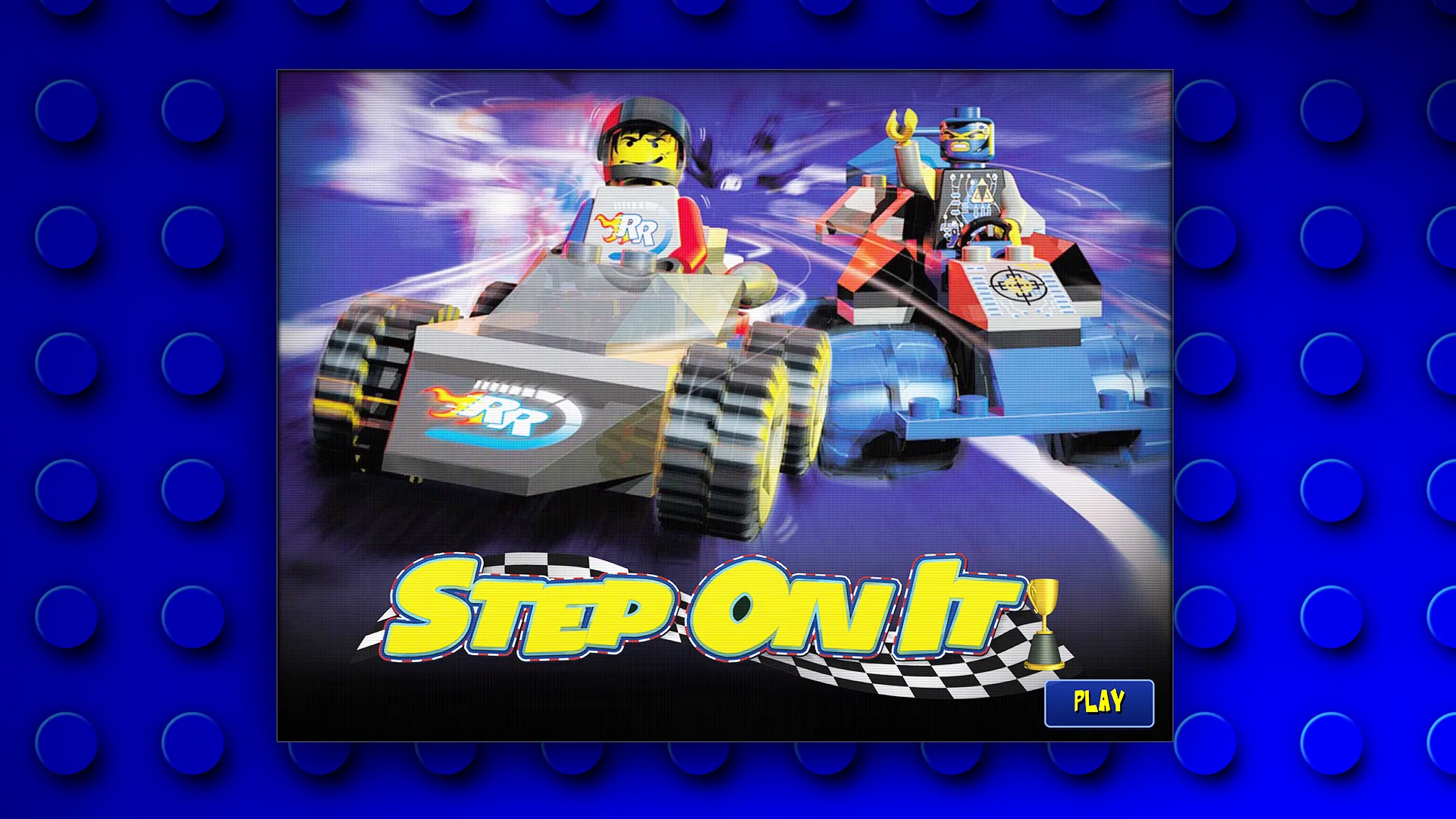
The landscape of classic video game preservation has achieved another milestone as a dedicated community developer successfully reverse-engineered, decompiled, and modernized the 1999 hit LEGO Racers. Originally developed by High Voltage Software and published by LEGO Media for Microsoft Windows, the Nintendo 64, and the PlayStation, the title has now been resurrected as a browser-based application. Accessible via the dedicated URL steponit.online, the unofficial project breathes new life into the late-90s kart racer by rebuilding it in a contemporary game engine. This modern iteration introduces several technical enhancements, including a native 16:9 widescreen presentation, restored track shortcuts, enhanced environmental hazards, and newly introduced racing circuits.
The revival of LEGO Racers arrives during a broader resurgence in community-driven source porting and decompilation projects, joining the recent recreation of the 1998 title LEGO Loco. As copyright holders increasingly leave legacy software commercially unavailable, grassroots efforts by software enthusiasts have become the primary mechanism for ensuring historical game preservation and continued accessibility on modern hardware platforms.
Background Context and Historical Significance
Released toward the end of the 20th century, LEGO Racers occupied a unique space in the burgeoning kart-racing genre popularized by Nintendo’s Super Mario Kart and Mario Kart 64. Unlike its contemporaries, the title integrated the core creative philosophy of the Danish toy manufacturer by allowing players to construct their own custom vehicles and drivers brick-by-brick. Players could collect various colored LEGO bricks scattered across tracks to power up their weapons and shields, combining them strategically to alter the elemental attributes of their attacks—a mechanic that added a layer of tactical depth to the traditional arcade racing formula.
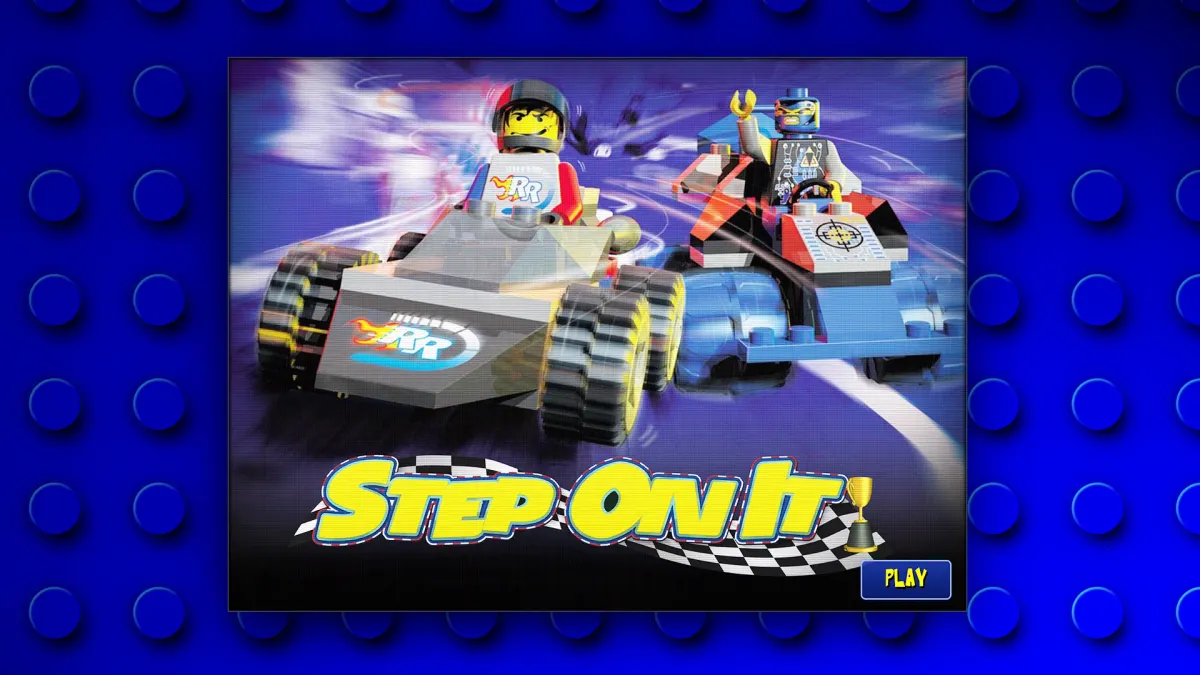
The game featured a narrative-driven campaign mode where players competed against iconic fictional characters from the early LEGO themes, such as Captain Redbeard from Pirates, Basil the Bat Lord from Knights, and Johnny Thunder from the Adventurers line. The final challenge pitted the player against the ultimate racing champion, Rocket Racer.
Despite achieving critical and commercial success upon its initial launch—selling millions of copies across multiple platforms—subsequent industry consolidation, corporate restructuring, and shifting digital distribution rights left the original PC and console versions incompatible with modern operating systems without third-party patches or emulation software. The inability to purchase the game legally through mainstream digital storefronts created a vacuum that inspired software preservationists to take matters into their own hands.
The Decompilation Process and Technical Innovations
The realization of the browser-based LEGO Racers remaster stems from extensive technical reverse-engineering. Independent developers utilizing the GitHub-hosted project repository (isledecomp/racers) successfully decompiled the original assembly code, translating proprietary data structures into readable source code. This meticulous process allows the game logic to run natively on modern web standards through WebAssembly and HTML5 canvas integrations, eliminating the need for traditional software installation or external browser plugins.
According to technical documentation accompanying the release, the fan-made remaster introduces several notable upgrades:

- Engine Overhaul: The proprietary 1999 game engine has been replaced with a modernized framework capable of handling higher frame rates and stable physics calculations across various hardware configurations.
- Aspect Ratio Support: The original 4:3 presentation has been expanded to support modern 16:9 widescreen displays without distorting the user interface or stretching pre-rendered graphical assets.
- Restored and Expanded Content: Developers integrated previously cut or overlooked track shortcuts, balanced hazard distributions, and added custom tracks to diversify the gameplay loop.
- Granular Settings: Players can toggle legacy visual elements or enable modern graphical enhancements through an expanded configuration menu.
- Game Modes: The browser release retains the comprehensive suite of modes from the original title, including Circuit Races (Story Mode), Single Races, Versus Races, and Time Trials, alongside the signature vehicle and driver construction studio.
While the role of automated code translation tools and artificial intelligence assistants in modern software decompilation remains a subject of debate within the programming community, the resulting application runs with a high degree of stability, mirroring the responsiveness of the original hardware releases.
Chronology of LEGO Game Preservation
The successful deployment of the LEGO Racers web port is part of an accelerating trend of reverse-engineering classic interactive media from the late 1990s and early 2000s. A chronological review of recent community preservation milestones highlights this shift:
- Late 2024 to 2025: Independent programmers increase focus on PC titles developed during the transition from the Windows 95/98 era to Windows XP, identifying aging titles vulnerable to bit rot and operating system deprecation.
- Early 2026: The decompilation of LEGO Loco—a children’s construction and train-simulation game originally released by Intelligent Games in 1998—is completed, featuring expanded multiplayer capabilities and modern stability fixes.
- September 2026: The browser-based LEGO Racers recreation launches publicly at steponit.online, bringing zero-barrier-to-entry access to a global audience.
Industry Implications and Legal Landscape
The proliferation of community-led decompilation projects presents a complex legal and ethical landscape for intellectual property holders. Major gaming corporations historically exercise strict copyright enforcement over unauthorized uses of their proprietary code and assets. However, the legal status of source-porting and fan-made remakes that require the user to supply their own game assets—or, as in the case of web-based browser games, operate within a grey area of educational and preservationist utility—often results in varied responses from copyright owners.
From an analytical perspective, these projects underscore the growing demand for official legacy curation by major publishers. Industry analysts note that corporate archives frequently fail to maintain accessible distribution channels for software older than two decades. When commercial entities do not offer legal purchase options for classic software, consumer demand inevitably drives grassroots preservation movements.
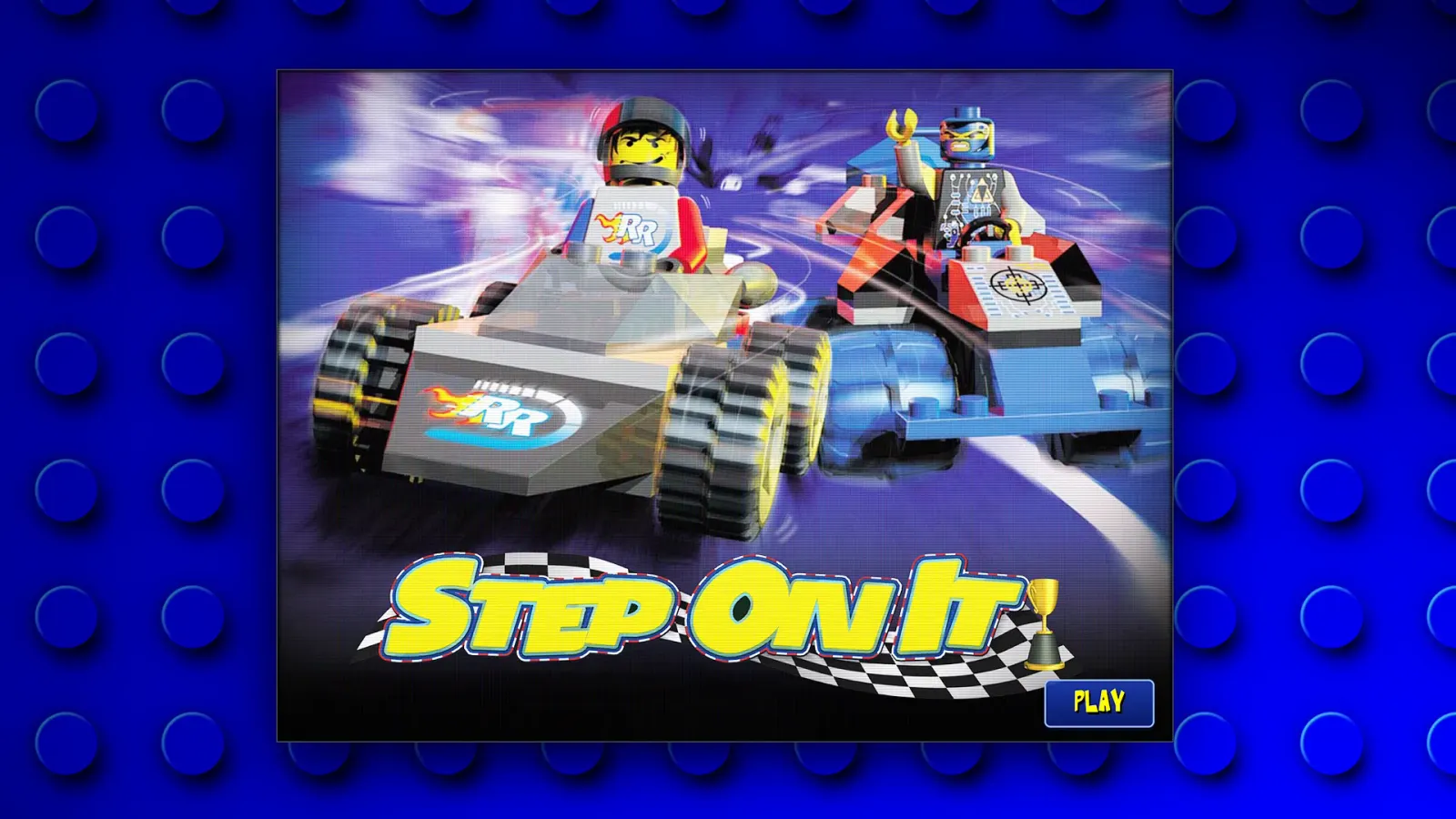
Furthermore, the transition of complex 3D titles into browser-based execution environments demonstrates the advanced capabilities of modern web technologies. By lowering the technical barriers to entry—allowing users to play a fully functional, remastered 3D racing game instantly within a standard web browser—developers have established a new paradigm for software accessibility that traditional publishers may eventually study for commercial re-releases.
Broader Impact on Digital Archives
As digital preservationists continue to map and decode legacy source code, projects like the browser-based LEGO Racers serve as empirical proof that community-driven initiatives can effectively rescue abandoned software from technological obsolescence. Whether the LEGO Group or the current rights holders will challenge the distribution of the project or acknowledge its contribution to cultural heritage remains to be seen. In the interim, the title stands as a functional monument to late-90s game design, restored and preserved for both nostalgic veterans and a new generation of players.