Cecilia Chamidah Nur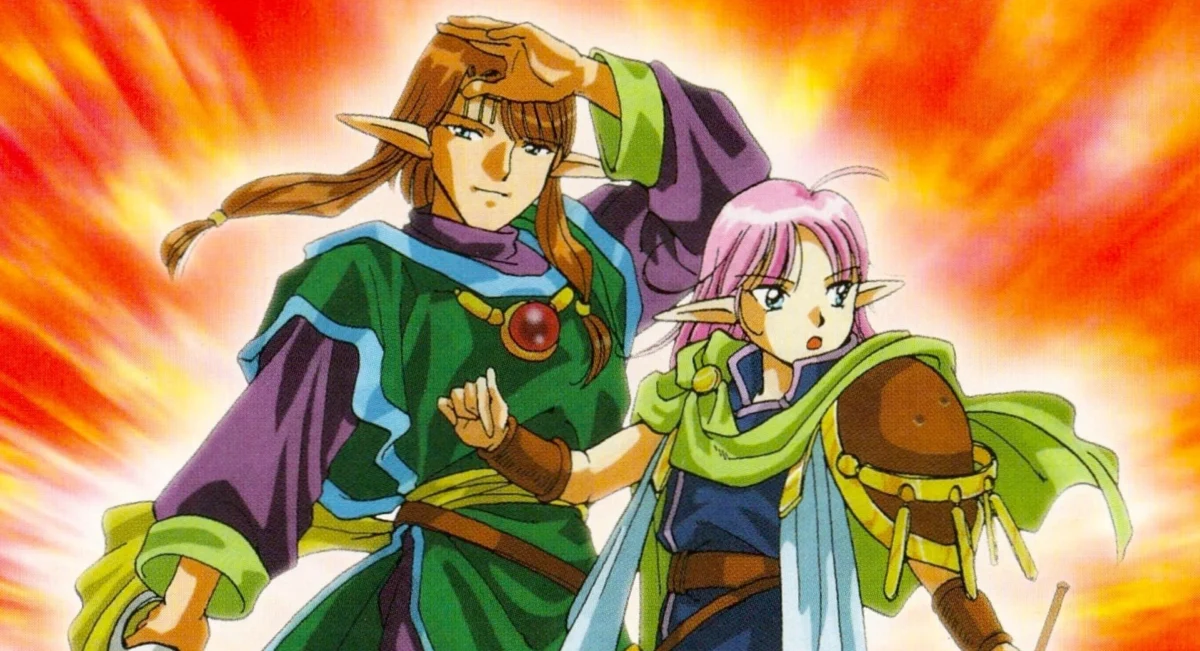
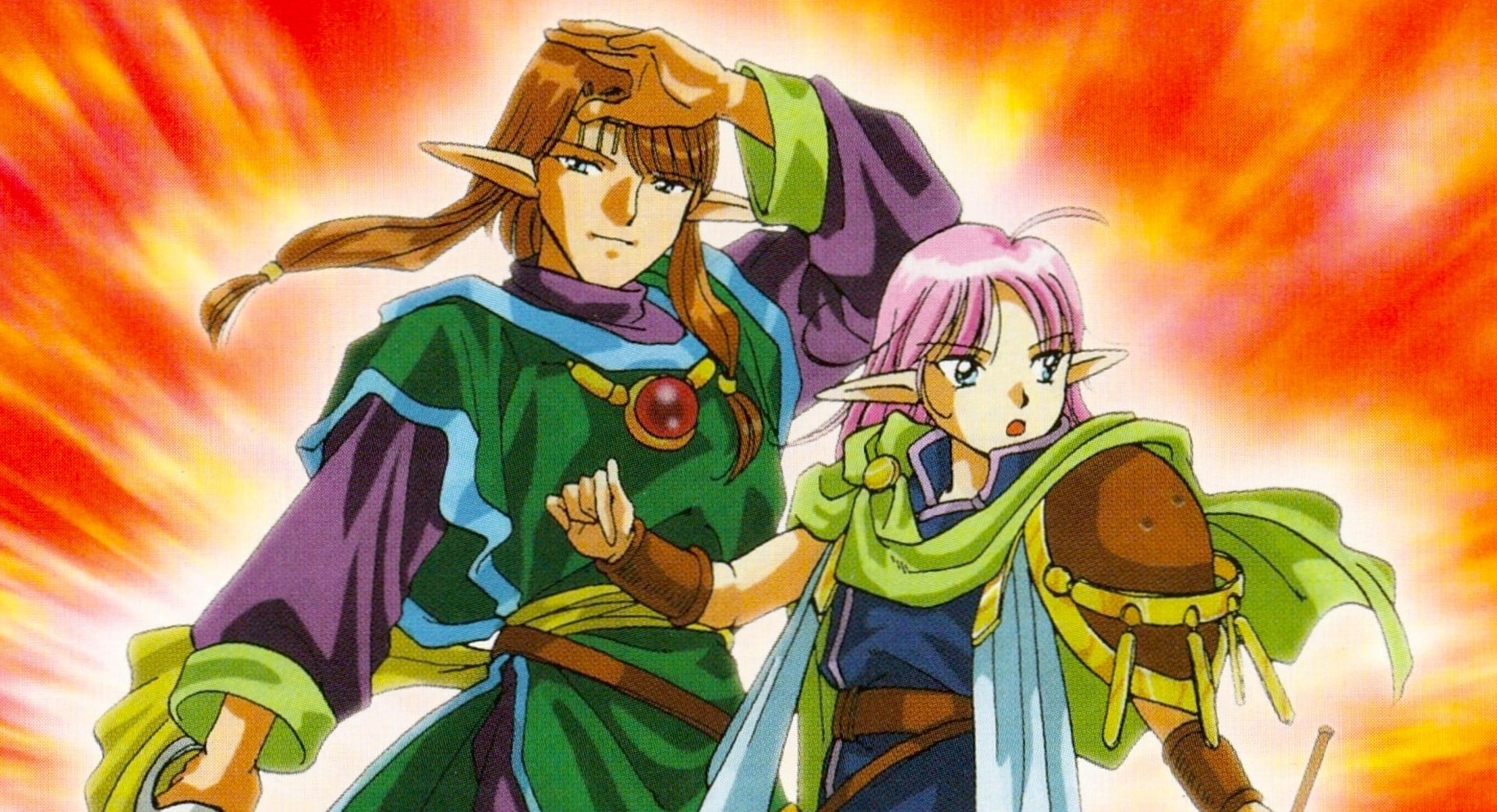
The obscure PlayStation 1 action RPG, Blaze and Blade Busters, a sequel previously confined to its original Japanese release, has been made accessible to a global English-speaking audience through the meticulous efforts of a fan translator. This significant development, spearheaded by romhacker Ben128, marks the first time players outside of Japan can experience the continuation of a series whose inaugural title, Blaze & Blade: Eternal Quest, garnered a notoriously poor reception upon its Western release in 1998. The English translation patch, now available via romhack.ing, opens a new chapter for retro gaming enthusiasts eager to explore overlooked or regionally locked titles, particularly one emerging from the shadow of such a heavily criticized predecessor.
A Legacy of Scorn: The Original Blaze & Blade: Eternal Quest
Released by T&E Soft in 1998, Blaze & Blade: Eternal Quest entered a competitive landscape dominated by burgeoning 3D graphics and ambitious role-playing game designs on the PlayStation. While the console was already home to groundbreaking titles like Final Fantasy VII and Metal Gear Solid, and was rapidly becoming a haven for diverse RPG experiences, Eternal Quest struggled to find its footing. Marketed as a multiplayer action RPG, the game aimed to offer a cooperative dungeon-crawling experience, a concept that held considerable appeal at the time. However, its execution failed to resonate with critics and players alike.
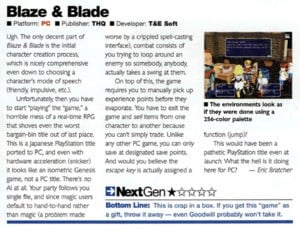
The PlayStation 1 version of Eternal Quest saw a limited release, primarily in Europe, bypassing the North American market entirely. This geographical constraint did little to shield it from harsh international criticism. The PC port, which launched later, faced an even more brutal assessment. Notably, NextGen magazine, a prominent and often outspoken publication in the late 1990s and early 2000s, delivered a scathing verdict in its May 2000 issue. The magazine infamously labeled the PC iteration "crap in a box," a descriptor that has since become synonymous with the game’s perceived quality. The review went further, advising potential recipients of the game as a gift to "throw it away — even Goodwill probably won’t take it," highlighting an unparalleled level of disdain.
Such a strong condemnation from a respected gaming periodical was not issued lightly. NextGen was known for its rigorous reviews and high standards, often acting as a gatekeeper for quality in an era of rapid expansion and experimentation within the video game industry. For a game to receive such an unequivocal dismissal suggested significant flaws in its core design, technical implementation, or overall player experience. Common criticisms leveled against poorly received multiplayer action RPGs of that era often included clunky controls, repetitive combat, uninspired level design, a lack of compelling narrative, and technical issues such as frame rate drops or bugs. While specific details of NextGen‘s full critique beyond the quoted excerpt are not universally available, the sheer vitriol implied a confluence of these factors. The context of its release alongside more polished and innovative titles, such as Diablo (1996) or Baldur’s Gate (1998) on PC, or more refined action RPGs on consoles, likely exacerbated its perceived shortcomings, cementing its place as a cautionary tale in game development. T&E Soft, a Japanese developer active since the early 1980s, had a diverse portfolio but Eternal Quest certainly did not stand out as one of their more successful international ventures.
The Enigmatic Sequel: Blaze and Blade Busters
Given the critical drubbing Blaze & Blade: Eternal Quest endured, particularly in Western markets, the existence of a direct sequel might strike many as surprising. Yet, T&E Soft, an established Japanese developer with a history dating back to the early 1980s (known for titles across various genres including sports, RPGs, and strategy games), proceeded with Blaze and Blade Busters. Released exclusively in Japan on the PlayStation, Busters remained an enigma for non-Japanese speaking fans for over two decades.
The decision to develop a sequel, despite the original’s poor reception, can be attributed to several factors inherent in the game development cycle of the late 1990s. Development projects often have long lead times, and Busters might have been conceptualized or even partially into production before Eternal Quest‘s full critical backlash materialized. Game development is a costly and lengthy process, and sometimes the most pragmatic decision is to continue with a planned sequel, especially if a significant investment has already been made in its early stages or if a different design philosophy was intended for a specific market. Furthermore, market dynamics in Japan sometimes differed significantly from those in the West. Niche genres or specific gameplay mechanics might find a more receptive audience domestically, or the game’s design might have been tailored more specifically to Japanese player preferences. Japanese consumers, for instance, often showed greater tolerance for certain gameplay quirks or visual styles that Western critics might have found unpolished.
It is plausible that Busters aimed to address some of the criticisms leveled against its predecessor, refining gameplay mechanics, improving graphics, or streamlining the multiplayer experience. Sequels often serve as opportunities for developers to learn from past mistakes and iterate on core concepts, hoping to deliver a more polished and enjoyable product. Without official localization, however, Western audiences had no means to assess whether Busters offered any form of redemption for the series. The game’s narrative, character roster, and world-building elements, therefore, remained locked behind a language barrier, preserving its mystique and potential for improvement and making it a prime candidate for fan translation efforts.

Unearthing a Lost The Power of Fan Translations
The arrival of the English translation patch for Blaze and Blade Busters is a testament to the enduring passion and technical prowess of the romhacking community. For decades, dedicated individuals and groups have committed countless hours to translating games that developers either chose not to localize or, in many cases, no longer exist to do so. This grassroots movement plays a crucial role in game preservation, cultural exchange, and making gaming history accessible to a broader global audience.
Ben128, the individual behind this particular translation, represents the countless unsung heroes of retro gaming. Romhacking is a complex endeavor, requiring a deep understanding of computer architecture, assembly language, and reverse engineering. Translators must meticulously extract text strings, reinsert translated dialogue while adhering to strict memory and character limitations, and often re-program parts of the game’s interface to accommodate different script directions or font sizes. The process is akin to archaeological excavation combined with intricate linguistic and coding work. Without official tools or source code, romhackers typically work directly with the compiled game files, navigating hexadecimal data and assembly instructions to identify where text and other localized elements are stored. This level of dedication transforms inaccessible cultural artifacts into playable experiences for millions.
The significance of such efforts cannot be overstated. Many classic games, especially from the 8-bit, 16-bit, and early 32-bit eras, were developed with regional markets in mind. Economic considerations, perceived market appeal, and technical challenges often led publishers to skip localization for certain titles. This resulted in a significant "localization gap" for many beloved (in Japan) or interesting titles. Historical data shows that thousands of Japanese games never saw an official Western release during the 1990s and early 2000s. Fan translations bridge this gap, allowing players to discover hidden gems, complete previously fragmented series, and gain a more comprehensive understanding of the global evolution of video games. In the absence of official remasters or digital re-releases, fan patches are often the only avenue for these games to find new life, serving as an invaluable cultural service to the gaming community.
Challenges in Localization: A Deeper Dive into the Patch Notes
The process of fan translation, while transformative, is rarely without its technical hurdles, a reality clearly articulated in the patch notes for Blaze and Blade Busters. These challenges offer valuable insight into the intricate nature of game localization, even for professional studios. Understanding these limitations helps appreciate the immense effort involved in such community projects.
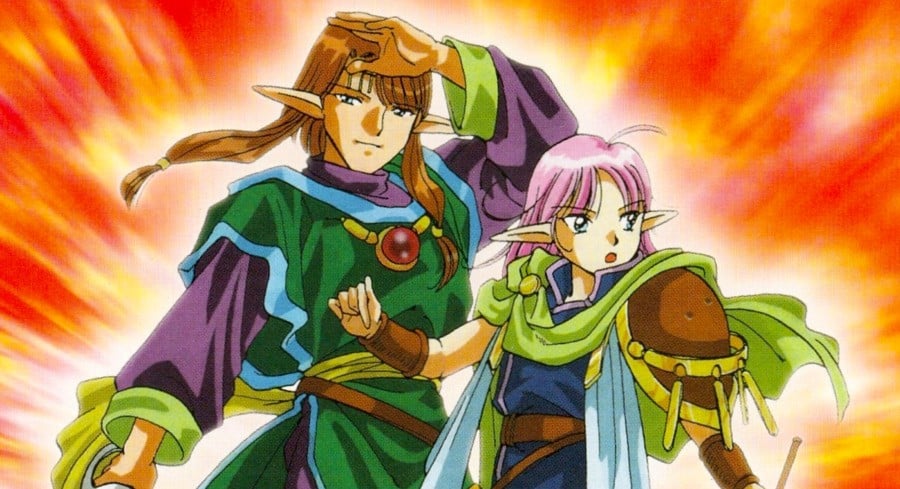
One noted issue pertains to character names within the "Mingle" menu, which remain untranslated. The explanation provided by Ben128 highlights a common technical constraint: "This is because the game uses these names to determine which portrait to display." In many older games, character names are not merely text strings but are deeply intertwined with other game assets or logic. Changing a name might break the link to its corresponding character model, portrait, or even specific in-game events. Developers often hardcode these connections to optimize performance or simplify development, making it incredibly difficult for a romhacker to alter them without risking game instability. The game engine might be looking for a specific byte sequence corresponding to a Japanese character string to trigger the correct graphical asset. While inconvenient for players, the decision to leave these specific names untranslated is a pragmatic one, prioritizing game functionality and stability over complete linguistic consistency in a minor menu.
Another significant challenge stems from "strict byte-size limitations for each entry," leading to some translations being "shortened or less accurate." This is a pervasive issue in Japanese-to-English translation within game development, particularly for older consoles like the PlayStation 1 with limited memory resources. The Japanese language, especially in its written form, is highly information-dense. Kanji characters can convey entire words or concepts within a single ideogram, and even kana (hiragana and katakana) often represent syllables rather than individual letters, allowing for more meaning to be packed into fewer characters. English, by contrast, relies on an alphabetic system where words typically require multiple letters and often occupy more screen real estate. This disparity means that a direct, character-for-character translation from Japanese to English often results in English text that is significantly longer. When a game’s underlying code allocates a fixed, small number of bytes for text strings—a common practice in the resource-constrained era of the PlayStation 1—translators are forced to make difficult choices. They must prioritize conciseness, sometimes sacrificing nuance, stylistic elegance, or grammatical perfection to fit the translation within the allocated space. This balancing act is a constant struggle for both fan and professional localizers working with older titles, impacting dialogue, item descriptions, and menu options.
Finally, the patch notes mention that "a few specific characters remain in Japanese in the pause menu (for example, spell categories)." This issue arises because the "corresponding bytes have not yet been identified in the game files, as they appear to behave differently." This points to the often-fragmented and idiosyncratic way game data was stored in legacy systems. Text strings might be scattered across various memory locations, sometimes compressed, encrypted, or stored in custom formats. Some text might even be rendered as graphical elements rather than actual character strings, making them invisible to standard text extraction tools. The process of identifying every single byte that controls a piece of text or UI element is incredibly laborious, akin to finding specific needles in a vast digital haystack. Developers often used proprietary tools and techniques that are now lost to time, adding layers of complexity for anyone attempting to reverse-engineer their work. While the untranslated elements are minor and "should not affect gameplay," their persistence underscores the formidable reverse-engineering challenges faced by romhackers, showcasing the depth of effort required to achieve even near-complete translations.
Implications for Retro Gaming and Preservation
The successful English translation of Blaze and Blade Busters carries substantial implications for the retro gaming community and the broader field of game preservation. Firstly, it offers a rare opportunity for players to reassess a series that began under a cloud of intense criticism. With Eternal Quest‘s reputation preceding it, the sequel now has a chance to be evaluated on its own merits, unburdened by language barriers. Could Busters be the "diamond in the rough" that Eternal Quest never was? Could T&E Soft have genuinely improved the gameplay, story, or technical aspects for the Japanese market? Only through direct play can these questions be answered, potentially leading to a re-evaluation of the entire franchise’s legacy and a deeper understanding of T&E Soft’s creative trajectory.
Secondly, this effort contributes directly to the digital archaeology of video games. Many games from the 1990s and early 2000s are at risk of being lost to time due to decaying physical media, obsolete hardware, and the absence of official re-releases. Fan translations, alongside emulation projects, serve as vital tools in preserving these digital artifacts, ensuring that future generations can access and study them. Each translated title adds another piece to the mosaic of gaming history, enriching our understanding of game design trends, regional preferences, and the creative output of past developers. Organizations like the Video Game History Foundation and the Internet Archive actively champion these preservation efforts, and fan translations are a critical component of their work.
Furthermore, the accessibility of Busters highlights the critical role of fan communities in shaping the modern retro gaming landscape. These communities are not merely passive consumers; they are active participants in expanding the playable canon, fostering a culture of sharing, and filling the voids left by commercial entities. Their work often extends beyond simple translation, sometimes involving bug fixes, compatibility patches, or even unofficial graphical enhancements, demonstrating a profound commitment to the medium. This collective effort ensures that games, regardless of their initial commercial success or geographical limitations, can find new audiences and contribute to the ongoing narrative of video game history.
The Broader Landscape: Official vs. Unofficial Localization
The existence of a high-quality fan translation like that for Blaze and Blade Busters also reignites discussions about official localization practices. In the era of the PlayStation 1, publishing decisions were heavily influenced by perceived commercial viability. Niche Japanese RPGs, especially those with complex dialogue or unique cultural references, were often deemed too costly or too risky to localize for Western markets, particularly if their predecessors had underperformed. This resulted in a significant "localization gap" for many beloved (in Japan) or interesting titles, leaving a wealth of content undiscovered by a global audience.
Today, while digital distribution platforms have lowered some barriers to localization and retro re-releases are more common, many older titles remain unaddressed by their original publishers. The legal status of fan translations exists in a grey area, as they technically involve modifying copyrighted material. However, many intellectual property holders tacitly tolerate these efforts, especially for older, niche games that they have no intention of re-releasing or monetizing. This unofficial ecosystem thrives, often providing the only means for players worldwide to experience these games. The relationship between fan translators and developers/publishers is complex, sometimes cooperative, sometimes contentious, but undeniably impactful on the global gaming community. It highlights a symbiotic relationship where fan efforts fill a market void that official channels cannot or choose not to address, ultimately benefiting players and cultural preservation.

As the gaming industry continues to grapple with the challenges of digital preservation and the increasing demand for access to its rich history, fan translation projects serve as a powerful reminder of the community’s capacity to take matters into its own hands. They underscore the immense value players place on uncovering every corner of gaming’s past, regardless of commercial viability, ensuring that no game is truly "lost" to time.
Accessing the Translation
For those intrigued by the opportunity to delve into this previously inaccessible piece of gaming history, the English translation patch for Blaze and Blade Busters is readily available. Players