 Jia Lissa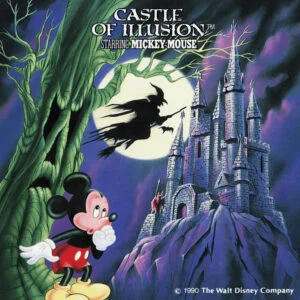
The transition from the Sega Genesis to the Sega Saturn in the mid-1990s stands as one of the most pivotal and tumultuous eras in the history of the video game industry. It was a period defined by rapid technological advancement, intense corporate rivalry, and a fundamental shift in how global gaming giants managed their international operations. Recently, Mike Fischer, a veteran executive who served in both Sega of Japan and Sega of America, provided a comprehensive account of this era, offering rare insights into the inner workings of a company attempting to bridge the cultural and operational divide between Tokyo and the West.

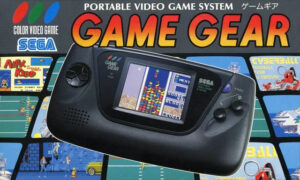
Fischer’s career began in 1990, just as the Mega Drive/Genesis was beginning to gain significant traction. Having graduated from California Polytechnic State University with a degree in quantitative economics, Fischer moved to Japan, eventually securing a position in Sega’s Overseas Consumer Products Business Division. His tenure spanned several critical milestones, including the launch of the Game Gear and the development of the Sega CD, placing him at the center of a company that was, at the time, aggressively challenging Nintendo for market dominance.
The Cultural and Operational Divide
A recurring theme in the history of Sega is the tension between its Japanese headquarters and its American subsidiary. For years, industry analysts have speculated about a deep-seated rivalry between the two branches. Fischer’s testimony, however, suggests that the friction was less about petty jealousy and more about a fundamental misalignment of corporate philosophy.

In the early 1990s, the Japanese domestic market for the Mega Drive had largely stagnated, leading executives in Tokyo to prioritize the development of next-generation hardware. Conversely, Sega of America, led by the legendary Tom Kalinske, was enjoying unprecedented success with the Genesis. This created a paradoxical situation where the American branch, which was effectively carrying the company’s revenue, was frequently pressured by middle management in Japan to adhere to strategies that did not align with the realities of the Western retail landscape.
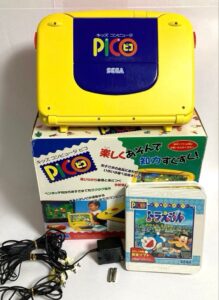
The internal dynamic was further complicated by the decision-making process regarding hardware. Fischer recalls instances where the Japanese leadership, while respecting Kalinske’s vision, was hampered by pressure from boards of directors and shifting market expectations. This disconnect was particularly evident during the rollout of the Sega Pico and the development of the Saturn, where technical documentation and market research often failed to bridge the gap between the two offices.

Chronology of the 16-Bit and 32-Bit Era
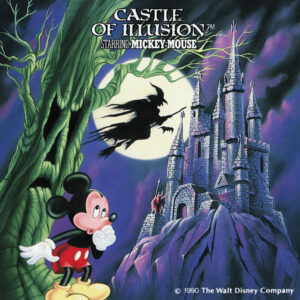
The early 1990s served as a golden age for Sega’s software output, with titles like Castle of Illusion and Streets of Rage defining the brand. However, the mid-1990s saw the rapid decline of these platforms as the industry pivoted toward 32-bit architecture.
- 1990-1992: Sega establishes its presence with the Genesis and the Game Gear. During this time, the company experimented with peripheral hardware, including the Sega CD and the TV Tuner for the Game Gear.
- 1993-1994: The decline of the Mega Drive in Japan triggers a push for the Saturn. Fischer transitions to Sega of America during this period to manage product lines, including the Sega Pico.
- 1995-1996: The Saturn faces stiff competition from the Sony PlayStation. Financial strain, compounded by over-shipments and lack of price protection in the U.S. market, leads to significant executive turnover and a re-evaluation of Sega’s hardware strategy.
- 1997-2001: Sega begins the slow process of winding down its hardware operations, culminating in the discontinuation of the Dreamcast and the company’s pivot to a third-party software developer.
Economic Realities and Manufacturing Hurdles
One of the most revealing aspects of Fischer’s account concerns the economic structure of Sega at the time. The company operated under an export-driven model where value was captured primarily on the Japanese profit and loss statement. This structure meant that subsidiaries like Sega of America were often forced to order hardware quantities based on headquarters’ projections rather than local retail demand.
Fischer notes that this led to the "victim blaming" of American executives when inventory failed to move. Without the ability to implement price protection or the flexibility to clear stock through diverse global outlets, the American branch was left holding significant liabilities. These logistical constraints, combined with the difficulty of developing for the Saturn’s complex architecture, created a compounding crisis that eventually rendered the hardware business unsustainable.
The Legacy of Leadership and Innovation
Despite the operational failures of the mid-90s, the era was also characterized by remarkable creative output. Sega’s ability to attract and empower talent—such as Emiko Yamamoto and the team behind Castle of Illusion—demonstrated an unconventional, non-traditional corporate culture that allowed for significant innovation.
Fischer highlights the importance of recognizing the collaborative nature of game development. He points to the development of Sonic the Hedgehog as a prime example where the contributions of Naoto Ohshima, Hirokazu Yasuhara, and others were often overshadowed by the team leadership. Correcting these historical misconceptions remains a vital part of preserving the industry’s oral history.
The Shift to Third-Party Development
By the late 1990s and early 2000s, under the leadership of figures like Peter Moore, Sega began the difficult transformation into a third-party publisher. Fischer’s role during this period was to facilitate relationships with former rivals, including Nintendo and Sony. The symbolic nature of this shift—most notably the image of Mario and Sonic appearing together—signaled the end of the "console wars" and the beginning of a new era of cooperation in the gaming industry.
The transition was not without its challenges. Developing for platforms like the Dreamcast proved difficult for third parties, as evidenced by Namco’s limited support after Soul Calibur. However, this period also solidified Sega’s reputation as a creative powerhouse, capable of producing high-quality software regardless of the hardware platform.
Implications for the Modern Sega
In the contemporary landscape, Sega is led by executives such as Shuji Utsumi, who have emphasized a dual commitment to respecting classic intellectual property while aggressively pursuing innovation. The success of the Yakuza (now Like a Dragon) series serves as a case study for this strategy, proving that Sega can move beyond the nostalgia of the 16-bit era to capture modern audiences with mature, narrative-driven content.
Fischer remains optimistic about the future of the company. He suggests that the key to Sega’s long-term viability lies in its ability to empower new, younger creative voices while leveraging its massive library of legacy assets. The reliance on external development teams for projects like Sonic Mania highlights the importance of maintaining an open and collaborative relationship with the fan community and independent developers.
The history of Sega is not merely a collection of hardware successes and failures; it is a complex narrative of cross-cultural communication, economic evolution, and the persistent drive to innovate in a rapidly changing market. By documenting these firsthand accounts, the industry gains a clearer understanding of the challenges that shaped today’s gaming giants and the lessons that continue to inform their strategies in the 21st century. As Sega continues to navigate the balance between its storied past and a competitive future, the insights provided by veterans like Fischer remain an invaluable resource for understanding the resilience and adaptability of the brand.