Cecilia Chamidah Nur
The Genesis of Darkstalkers: A Pitch from San Diego Comic-Con
The narrative begins in 1993, a pivotal era for Capcom and the fighting game genre. Following the groundbreaking success of Street Fighter II: The World Warrior in 1991, which had revolutionized the arcade industry and cemented Capcom’s reputation, the company was actively exploring new avenues to expand its fighting game portfolio. It was amidst this creative ferment that Katsuya Akitomo embarked on a business trip to San Diego Comic-Con, ostensibly in relation to Street Fighter II. However, what Akitomo observed at the iconic American pop culture convention would prove far more impactful than his official itinerary suggested.
Akitomo, a self-professed admirer of Universal Monster movies, was struck by the enduring popularity of characters like Frankenstein’s Monster, Dracula, and werewolves among the American audience. These archetypal figures, staples of classic horror cinema, resonated deeply with attendees, demonstrating a timeless appeal that transcended generations. This observation sparked a powerful idea: what if these iconic monsters were reimagined as combatants in a fighting game? The concept was bold, merging the established mechanics of the fighting game genre with a rich, gothic fantasy theme that was largely unexplored in competitive gaming at the time. Upon his return to Japan, Akitomo wasted no time in pitching this innovative concept to his superiors at Capcom, including the influential producer Yoshiki Okamoto.
The Architect’s Vision and Strategic Departure
Akitomo’s initial involvement was instrumental in laying the foundational groundwork for Darkstalkers. He produced a comprehensive written draft outlining the game’s core concept, lore, and a preliminary roster of character ideas. His vision was deeply rooted in his appreciation for the "modest and gentle" approach to monsters characteristic of the Universal horror films. This artistic sensibility aimed to capture the nuanced dread and pathos of the classic creatures, envisioning a game that blended combat with a distinct atmospheric charm.
However, the journey from initial concept to commercial product often involves compromises and strategic shifts. Akitomo recognized that for Darkstalkers to achieve significant commercial success in the competitive arcade market of the mid-90s, the project needed to embrace a "wilder" and more exaggerated interpretation of its monstrous cast. The prevailing trend in fighting games, heavily influenced by the vibrant and often over-the-top character designs of Street Fighter II, leaned towards dynamic, visually striking, and sometimes fantastical representations. Akitomo, understanding that his personal preference for a more subdued, classic horror aesthetic might inadvertently "spoil the development" by constraining its commercial appeal, made the difficult decision to step aside.
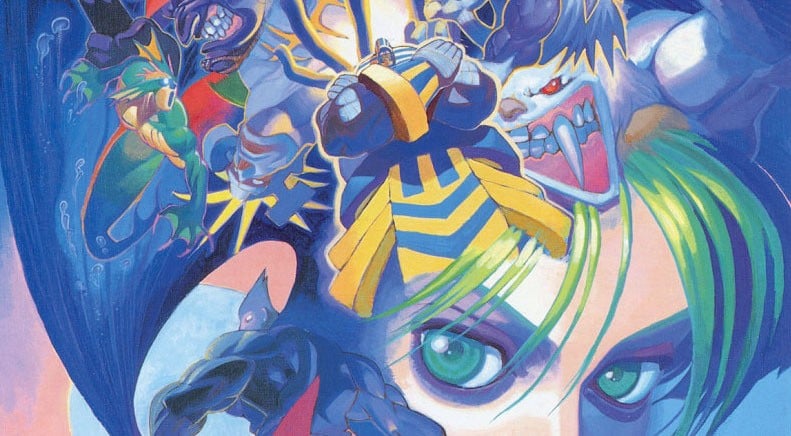
His departure was a testament to a selfless dedication to the project’s potential. By ceding control, he allowed other creative minds within Capcom to take the reins, pushing the designs and narrative into the more flamboyant and action-oriented direction that ultimately defined Darkstalkers. This strategic withdrawal meant that Akitomo, beyond his initial pitch and draft, had "done almost nothing for [the] Darkstalkers series" from that point onward, as he candidly stated. Yet, his foundational contribution—the very idea of a monster-themed fighting game—remains the bedrock upon which the franchise was built. The resulting game, Darkstalkers: The Night Warriors, released in 1994, featured a cast of unforgettable characters like the succubus Morrigan Aensland, the vampire Demitri Maximoff, the catwoman Felicia, and the werewolf Jon Talbain, each embodying the "wilder" spirit Akitomo envisioned for commercial success.
Verification and Endorsement from Capcom Veterans
Akitomo’s recent revelations are not entirely new to long-time fans and industry insiders. His pivotal role in the inception of Darkstalkers has been corroborated by other key figures from Capcom’s golden age. Most notably, Yoshiki Okamoto, the renowned producer who oversaw many of Capcom’s seminal arcade titles, including Street Fighter II and Darkstalkers, previously credited Akitomo with the original pitch. In a video shared on his YouTube channel, Okamoto recounted Akitomo’s return from the 1993 San Diego Comic-Con and his impassioned proposal for a monster fighting game.
Okamoto’s recollections paint a vivid picture of Akitomo, whom he affectionately nicknamed "Shaky." He also humorously described Akitomo as a "scary-looking guy" with an English literature degree, adding a personal touch to the historical account. This detail highlights Akitomo’s unique background—a blend of academic rigor and a profound appreciation for Western cultural phenomena, which proved instrumental in conceptualizing a game that resonated deeply with international audiences. Okamoto’s endorsement solidifies Akitomo’s status as the true conceptual father of Darkstalkers, providing critical validation for his recent public statements and offering valuable insight into the collaborative, albeit sometimes unconventional, creative processes within Capcom during its most prolific period. The synergy between Akitomo’s initial spark and Okamoto’s production oversight created a unique legacy within the fighting game genre.
A Broader Legacy: Pioneering Superhero Fighters
Interestingly, Akitomo’s influence extended beyond the realm of classic monsters. His keen understanding of American pop culture and its commercial potential also played a significant role in encouraging Capcom to venture into superhero-themed fighting games. At a time when the popularity of American comic book characters was experiencing a resurgence, Akitomo "emphasized how American Superhero comics were good for video game merchandising." He recognized the inherent appeal and vast merchandising opportunities presented by iconic characters from the Marvel Comics universe.
His advocacy ultimately led to the development of two landmark titles that further diversified Capcom’s fighting game portfolio: X-Men: Children of the Atom (1994) and Marvel Super Heroes (1995). These games were revolutionary, not only for bringing beloved Marvel characters to life in the fighting game arena but also for introducing innovative gameplay mechanics, visually spectacular special moves, and a distinct aesthetic that set them apart. X-Men: Children of the Atom, in particular, laid much of the groundwork for the highly successful Marvel vs. Capcom series, establishing a precedent for crossover fighting games that would captivate players for decades. Akitomo’s foresight in identifying the commercial viability of American superheroes in the video game space underscores his unique talent for cultural observation and strategic vision, demonstrating a broader impact on Capcom’s trajectory beyond the Darkstalkers franchise. His ability to bridge Eastern game development with Western popular culture trends proved invaluable to the company’s expansion into new markets and genres.
The Enduring Appeal of Darkstalkers
Despite not achieving the same monumental commercial success as Street Fighter II, the Darkstalkers series has cultivated a passionate and dedicated fanbase, earning its place as a revered cult classic within the fighting game genre. Its enduring appeal lies in several key factors, many of which can be traced back to Akitomo’s initial vision and the subsequent creative direction.
The game’s distinctive art style, characterized by gothic aesthetics, vibrant color palettes, and fluid animation, immediately set it apart from its contemporaries. The character designs were particularly groundbreaking, offering a fresh, often sensual and powerful, take on classic horror archetypes. Morrigan Aensland, with her iconic bat wings and seductive demeanor, quickly became one of Capcom’s most recognizable characters, transcending the game itself to appear in numerous other titles and media. The gameplay itself was innovative for its time, introducing mechanics such as the "Dark Force" system, chain combos, and a unique "damage meter" that offered a fresh challenge to seasoned fighting game players.
Moreover, the rich lore and distinct personalities of its monstrous cast fostered a deep connection with players. Each character felt unique, not just in their fighting style but in their backstory and motivations, creating a compelling universe that fans yearned to explore further. This intricate world-building, arguably stemming from Akitomo’s initial literary background and love for classic monsters, ensured that Darkstalkers was more than just a fighting game; it was an experience. The series’ influence can be seen in later fighting games that dared to push boundaries in terms of character design and thematic scope, solidifying its legacy as a pivotal, albeit niche, contributor to the genre’s evolution. Its unique blend of horror, fantasy, and fighting mechanics continues to resonate, demonstrating the lasting power of a truly original concept.
Akitomo Today: A Translator and Monster Enthusiast
In the decades since his influential contributions to Capcom, Katsuya Akitomo has continued to engage with his passions, albeit in different capacities. Today, he channels his appreciation for storytelling and cultural exchange into a career as a translator of American comic books. This profession allows him to maintain a direct connection to the medium that once inspired his groundbreaking video game concepts, leveraging his English literature background and deep understanding of Western narratives.

Beyond his professional life, Akitomo remains a dedicated hobbyist, indulging his long-standing love for monsters by building model kits. This personal pastime serves as a tangible link to the creative spark that gave birth to Darkstalkers, illustrating an enduring fascination with the very creatures that captivated him at San Diego Comic-Con all those years ago. His current activities highlight a career trajectory that, while no longer directly involved in game development, continues to be shaped by the same cultural interests and creative spirit that defined his early work at Capcom. His re-emergence on Twitter/X, sharing these personal insights, offers a rare and valuable opportunity for fans to connect directly with the original architect of a beloved franchise, underscoring the enduring power of these personal stories in enriching our understanding of video game history. Fans interested in following his current thoughts and creative endeavors can find him on Twitter/X.
The Importance of Archival Insights and Fan Engagement
Katsuya Akitomo’s decision to share his story through social media underscores the increasing importance of direct developer communication in preserving and enriching the history of video games. In an industry often characterized by rapid innovation and a constant forward march, historical accounts from the individuals who shaped its foundational titles are invaluable. Platforms like Twitter/X provide an unprecedented avenue for these pioneers to connect with global audiences, offering firsthand perspectives that might otherwise remain untold or confined to obscure interviews.
These insights not only satisfy the curiosity of long-time fans but also provide crucial archival material for historians, researchers, and future game developers. Understanding the creative processes, challenges, and inspirations behind iconic games like Darkstalkers offers a more complete picture of the industry’s evolution. It highlights how cultural observations, personal passions, and strategic decisions coalesce to produce lasting works of interactive art. Such direct accounts serve as a vital counterpoint to official corporate narratives, providing a human element to the often-complex story of game development. This engagement fosters a deeper appreciation for the artistry and effort involved in creating these virtual worlds, ensuring that the contributions of individuals like Akitomo are properly acknowledged and celebrated.
Looking Ahead: The Future of the Darkstalkers Franchise
Akitomo’s recent revelations have naturally reignited discussions within the gaming community about the future of the Darkstalkers franchise. Despite its dedicated fanbase and unique appeal, the series has remained largely dormant since its last significant entry. While various compilations and re-releases have kept the existing titles accessible, the persistent clamor for a new installment or a comprehensive modern reboot continues to echo through fan forums and social media channels.
The distinct blend of gothic horror, vibrant character design, and innovative fighting mechanics that defined Darkstalkers still holds immense potential in the contemporary gaming landscape. With advancements in graphics, online infrastructure, and narrative storytelling, a new Darkstalkers title could introduce its unique universe to a fresh generation of players while satisfying the long-held desires of its established loyalists. While Capcom has acknowledged the series’ popularity, concrete plans for a new entry remain elusive. However, the renewed attention brought by Akitomo’s insights serves as a potent reminder of the franchise’s enduring legacy and the fervent desire of its community to see the Night Warriors rise again. Such renewed interest could potentially influence future development decisions, demonstrating the power of historical appreciation to shape the industry’s path forward.
In conclusion, Katsuya Akitomo’s re-emergence and candid sharing of Darkstalkers‘ origins offer a rare and valuable peek behind the curtain of game development. From a casual observation at San Diego Comic-Con to a pivotal pitch and a selfless creative departure, his story is a testament to the confluence of personal passion, cultural insight, and strategic vision that gives birth to enduring works of art. His contributions, both to Darkstalkers and the pioneering superhero fighting games, solidify his place as an unsung hero of Capcom’s golden age, providing a richer understanding of how some of gaming’s most beloved worlds came to be. For fans and historians alike, these insights serve as a critical piece of the puzzle, illuminating the human element behind the digital legends.
Sources:
- x.com (Katsuya Akitomo’s Twitter/X account: @sjxqr393)
- eventhubs.com (News article on Darkstalkers creator’s origins)
- Yoshiki Okamoto’s YouTube Channel (Video discussing Darkstalkers’ origins)
- Shmupulations (Translated 1994 Gamest article with Junichi Ohno and Noritaka Funamizu)