Cecilia Chamidah Nur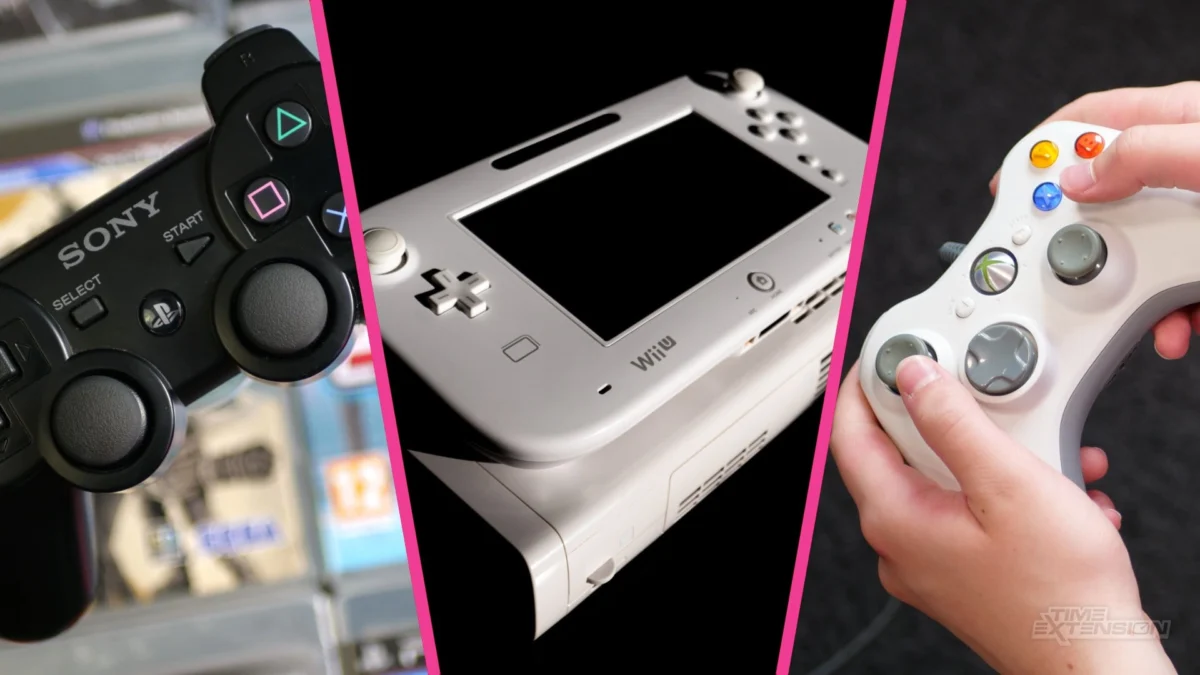
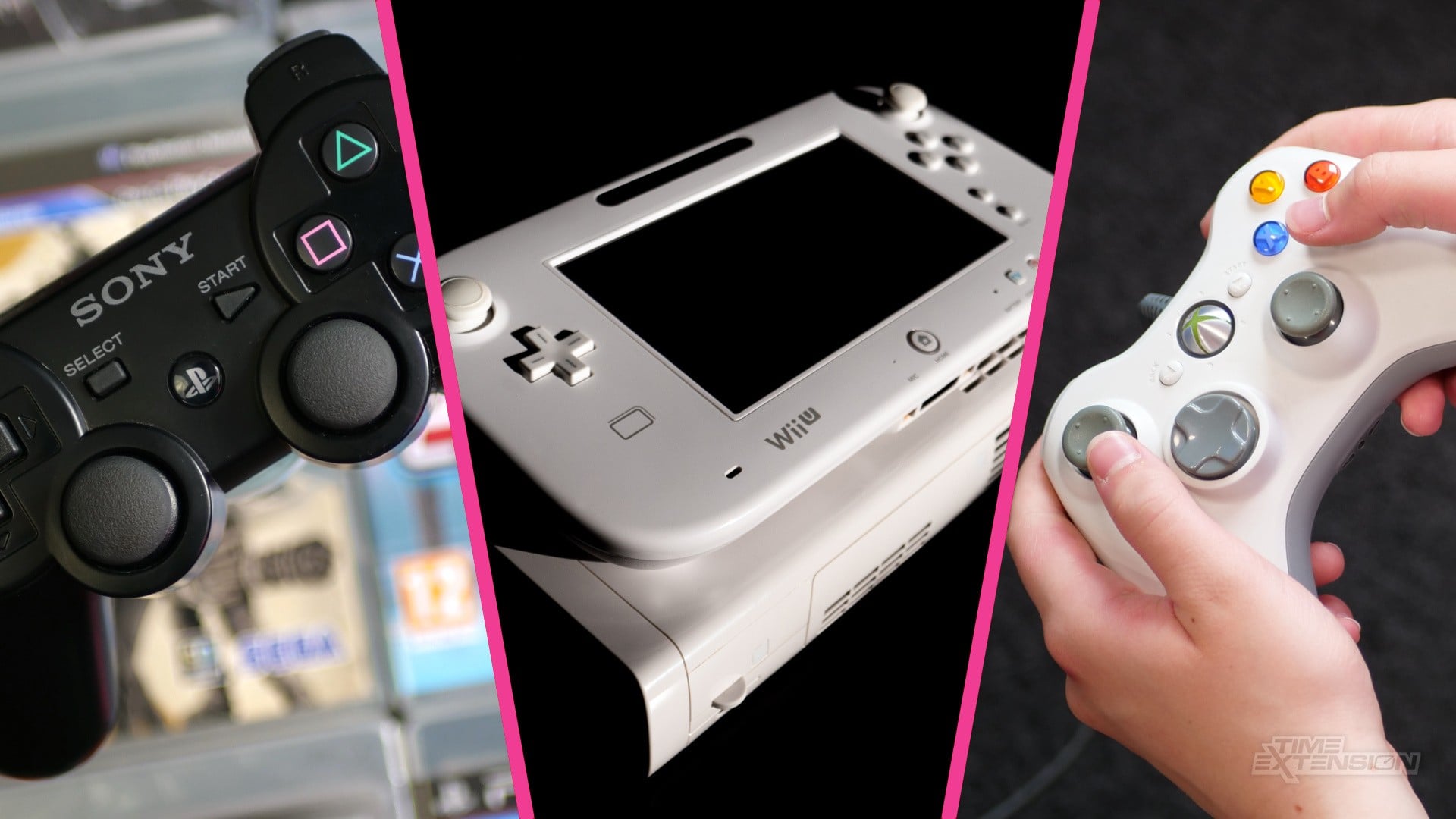
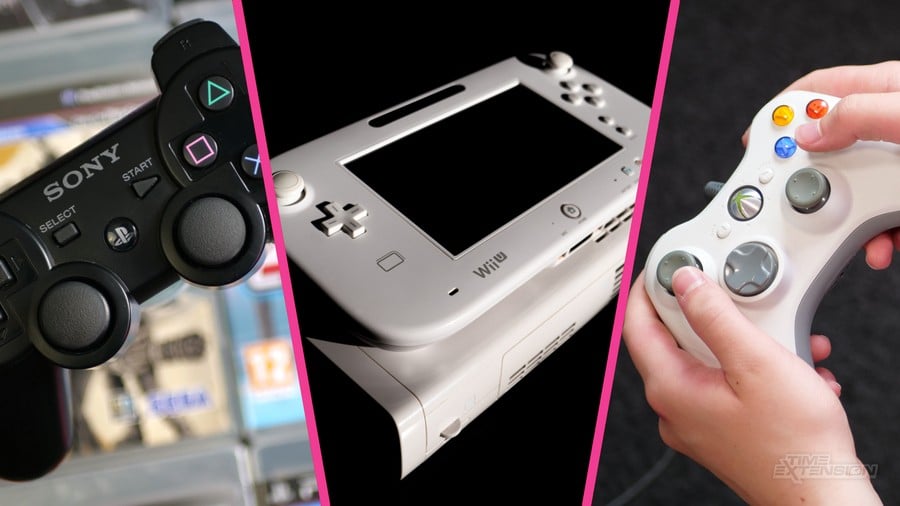
Retail giant GameStop has formally announced that the PlayStation 3, Xbox 360, and Nintendo Wii U are now considered "officially retro consoles," a declaration that marks a significant milestone in the lifecycle of these once-dominant gaming platforms. The company unveiled this new classification alongside a "Retro Trade-In Bonus" promotion, aiming to capitalize on the burgeoning market for vintage gaming hardware and software. This move not only reflects the passage of time in the rapidly evolving technology sector but also signals GameStop’s strategic pivot towards embracing the nostalgia-driven segment of the gaming community.
The official statement, delivered with a notable touch of humor and self-awareness, outlined GameStop’s criteria for conferring "retro" status. Key indicators cited included "the presence of component cables," "the lack of Fortnite," and the somewhat anachronistic "realization that they launched when George W. Bush was still president." While the PlayStation 3 (launched November 2006) and Xbox 360 (launched November 2005) indeed debuted during the Bush administration, the Nintendo Wii U, released in November 2012, came well after Bush left office in January 2009. This humorous oversight likely points to a conflation with its highly successful predecessor, the Nintendo Wii (launched November 2006), which perfectly fits the criteria. This playful approach underscores GameStop’s intent to engage with its audience on a relatable, nostalgic level, acknowledging the rapid pace at which technological generations cycle.
To commemorate this declaration and stimulate activity in the retro market, GameStop has launched a "Retro Trade-In Bonus" offer, effective immediately and running until March 21st. During this period, customers trading in Wii U, Xbox 360, PlayStation 3 consoles, or "any older consoles, games, or accessories" will receive an additional 10% in trade credit. This incentive is a clear effort to replenish GameStop’s inventory of older hardware and software, catering to a growing consumer base interested in reliving past gaming experiences or discovering titles they missed.
A particularly noteworthy aspect of this new policy is GameStop’s willingness to accept "defective retro consoles on trade." The statement clarified that "Customers may now trade in these historic artifacts even if they are non-operable, missing accessories, or aesthetically unfortunate; they just need to power on." This relaxed stance on trade-in condition significantly broadens the pool of eligible items, potentially encouraging a wave of older, forgotten consoles to find their way back into the retail ecosystem. It also suggests GameStop’s capacity or intent to repair, refurbish, or at least salvage parts from these non-perfect units, further integrating itself into the secondary market for retro electronics.
The announcement concluded with a reassuring message for those who might feel the sting of their beloved consoles being labeled "retro": "GameStop would also like to remind the public that while these systems are now officially classified as retro, they are still very cool, and anyone who owned one at launch is absolutely not old." This lighthearted acknowledgement aims to soften the blow of temporal progression, tapping into the collective memory and affection gamers hold for these platforms.
Defining "Retro": GameStop’s Criteria and Industry Standards
The concept of "retro" in the gaming world is fluid, often debated, and largely driven by community consensus and technological obsolescence. While GameStop’s criteria include humorous elements like "component cables" (a common analog video output for the era preceding ubiquitous HDMI) and the absence of contemporary phenomena like "Fortnite," they touch upon core aspects that define a console’s transition into retro status.
Generally, a console is considered retro when it is no longer actively manufactured by its original company, receives minimal to no official software support, and when its successor generations have firmly established themselves. A crucial factor is often the shift in display technology or connectivity standards; the move from standard definition to high definition, or from proprietary cables to universal HDMI, often marks a generational divide. The PlayStation 3 and Xbox 360, both pioneers of the high-definition gaming era, utilized HDMI but also still supported component video, bridging a gap between older and newer display technologies. The Wii U, while an HDMI-only console, suffered from a relatively short lifespan and poor market penetration, making its transition to "retro" seem swifter than its peers. The 10-year mark is also a commonly accepted informal threshold for "retro" status in technology. The Xbox 360, turning 19 this year, and the PS3, turning 18, both comfortably exceed this. Even the Wii U, at 12 years old, falls within this commonly accepted window.
GameStop’s move to officially label these consoles as retro is significant because it lends institutional weight to a classification often left to community sentiment. It legitimizes the segment for a broad retail audience and acknowledges the enduring appeal of these systems beyond their commercial peak. This formalization could also influence how other retailers and secondary markets approach these systems, potentially leading to more standardized pricing and inventory management.
A Look Back: The Seventh and Eighth Generations Enter the Retro Sphere
The consoles now deemed retro by GameStop represent pivotal moments in gaming history, each leaving an indelible mark on the industry and culture. This generation, often referred to as the "HD era" for the PS3 and Xbox 360, and a unique experimental phase for the Wii U, brought significant technological advancements and redefined player expectations.
The Xbox 360 Era (November 2005 – April 2016)
Launched by Microsoft in November 2005, the Xbox 360 was the first of its generation to arrive, quickly establishing itself as a formidable competitor to Sony’s upcoming PlayStation 3. It introduced high-definition gaming to a mainstream audience, pushing graphical boundaries with titles like Gears of War (2006), Halo 3 (2007), and Grand Theft Auto V (2013). Crucially, the Xbox 360 revolutionized online console gaming with Xbox Live, setting a new standard for integrated multiplayer experiences, digital storefronts, and social connectivity. Xbox Live Gold subscriptions, mandatory for online multiplayer, became a lucrative revenue stream and solidified the console as a premier online platform.
Despite early hardware issues with the infamous "Red Ring of Death," which cost Microsoft over $1 billion in warranty repairs, the console sold over 84 million units worldwide during its lifespan, making it Microsoft’s best-selling console until the Xbox One and Series X/S era. Its vast library boasts critically acclaimed titles such as Mass Effect (2007), Red Dead Redemption (2010), and BioShock (2007), many of which remain beloved today and are often cited as benchmarks in game design. The console also pioneered the motion-sensing peripheral Kinect, selling over 24 million units and briefly dominating the casual gaming market. Production officially ended in April 2016, a decade after its initial launch.

The PlayStation 3 Era (November 2006 – May 2017)
Sony’s PlayStation 3 entered the market in November 2006, facing initial challenges due to its high price point ($499 for the 20GB model, $599 for the 60GB model, largely driven by the inclusion of a Blu-ray player, a forward-thinking move that helped establish the format) and the complexity of its Cell Broadband Engine processor, which proved challenging for developers. However, the console eventually found its stride, delivering a powerful platform for exclusive titles like Uncharted 2: Among Thieves (2009), The Last of Us (2013), and God of War III (2010). The PS3 also significantly expanded Sony’s PlayStation Network, offering online gaming, digital purchases, and media streaming, although it lagged behind Xbox Live in terms of online infrastructure and premium services in its early years.
Despite a slower start, the PS3 ultimately matched the Xbox 360 in sales, reaching over 87 million units globally before production ceased in May 2017. Its legacy includes not only a strong game library that pushed cinematic storytelling and graphical fidelity but also its role in popularizing Blu-ray technology, a format that became standard for high-definition media. The PS3’s ability to evolve and overcome its initial hurdles cemented its place as a formidable force in the console wars.
The Nintendo Wii U Era (November 2012 – January 2017)
Nintendo’s Wii U, launched in November 2012, was an interesting, albeit commercially challenging, entry into the eighth generation of consoles. Positioned as a direct successor to the phenomenally successful Wii (which sold over 101 million units), the Wii U introduced an innovative GamePad controller with a built-in touchscreen, aiming to blend traditional console gaming with second-screen experiences, similar to a tablet. This unique feature allowed for asymmetrical multiplayer and off-TV play.
Despite its unique approach and a strong lineup of first-party titles such as Mario Kart 8 (2014), Super Smash Bros. for Wii U (2014), and The Legend of Zelda: Breath of the Wild (2017, also launched on Switch), the console struggled with market confusion (many consumers initially believed it was just a tablet accessory for the original Wii), weak third-party support, and relatively low sales, moving just over 13.5 million units worldwide. Its short production run, ending in January 2017, and its immediate succession by the highly successful Nintendo Switch (which inherited many of its best titles and concepts), accelerated its path to "retro" status. While it may not have achieved the commercial heights of its predecessors, the Wii U’s innovative spirit and excellent first-party library have garnered a cult following, making its games highly sought after by collectors for their unique experiences.
GameStop’s Strategic Shift Towards Retro
GameStop’s declaration is not merely a nostalgic gesture; it represents a calculated strategic move within a challenging retail landscape. For years, GameStop has faced significant headwinds from digital game distribution, online retailers, and a general decline in physical media sales. Between 2017 and 2020, the company experienced a significant revenue decline, losing market share to digital storefronts and large e-commerce platforms. To remain relevant, the company has been actively exploring diversification strategies, including expanding its focus on collectibles, merchandise, and, increasingly, retro gaming.
The retro gaming market has experienced a boom in recent years. Fueled by nostalgia from older generations of gamers and discovery by newer ones, the demand for classic consoles, games, and accessories has surged. Online marketplaces like eBay, specialized retro gaming stores, and conventions dedicated to vintage gaming all attest to this vibrant ecosystem. Prices for rare games and consoles have escalated, turning retro gaming into a significant sub-industry valued in the hundreds of millions, if not billions, globally. According to market research, the retro gaming market is projected to continue its growth, driven by disposable income and a desire for unique physical artifacts in an increasingly digital world.
By formally embracing these consoles as "retro," GameStop aims to position itself as a central hub for this growing market. The "Retro Trade-In Bonus" directly addresses the need to acquire inventory, while the policy of accepting "defective" consoles suggests a willingness to invest in the refurbishment and resale process, or at least to salvage components for other units. This move allows GameStop to tap into a revenue stream less susceptible to the pressures of new game releases and digital downloads. It also provides a unique selling proposition compared to pure digital storefronts, offering a physical space for trade, discovery, and community for retro enthusiasts.
This initiative aligns with GameStop’s broader efforts to revitalize its business model, which has seen increased focus on collectibles and pre-owned goods as core pillars. By focusing on niche markets with strong consumer engagement, such as collectibles and now retro gaming, the company seeks to leverage its physical store footprint and brand recognition in new ways. The ability to trade in older, potentially non-functional hardware provides a convenient solution for consumers looking to declutter, while offering GameStop a valuable source of product for a market segment known for its appreciation of physical media and hardware. This strategic pivot could help GameStop stabilize its revenues and adapt to changing consumer habits in the long term.
Implications for the Gaming Community and Market
GameStop’s official "retro" designation and accompanying trade-in program carry several implications for various stakeholders within the gaming community and the broader market.
For Collectors and Enthusiasts
For dedicated retro gaming collectors, GameStop’s announcement offers a mixed bag. On one hand, it validates their passion and the growing importance of these systems. It could also lead to an increased supply of consoles and games entering the market via trade-ins, potentially making certain items more accessible in the short term. The acceptance of defective consoles is particularly interesting; while collectors typically seek pristine condition, the availability of non-working units could provide opportunities for parts or restoration projects, aiding in the long-term preservation of functional hardware. This move by a major retailer could also further legitimize retro collecting as a serious hobby.
However, a formal "retro" classification from a major retailer might also influence pricing dynamics. It could further legitimize the higher values seen in the secondary market, or, conversely, a sudden influx of trade-ins could temporarily depress prices for common items. The overall impact will depend on the volume of trade-ins and GameStop’s pricing strategy for these items. Rare titles and limited-edition consoles are unlikely to see significant price drops, but more common games and standard hardware might become more affordable for new collectors.
For Casual Gamers and Nostalgia Seekers
For the average consumer who might have an old PS3 or Xbox 360 gathering dust, this initiative presents a clear incentive to clean out their closets. The extra 10% trade credit, combined with the acceptance of less-than-perfect consoles, lowers the barrier to entry for participation. This could encourage a wave of consumers to trade in old systems, either to put credit towards new releases, merchandise, or even other retro items GameStop might stock. It makes revisiting old favorites or discovering previously missed gems more accessible, potentially fostering a new generation of retro enthusiasts.

Economic Impact and Market Trends
Economically, GameStop’s move could inject significant activity into the retro gaming market. By centralizing trade-ins and sales of these systems, GameStop could become a more prominent player in a market currently dominated by online platforms and independent sellers. This could lead to increased foot traffic in stores and a boost in trade-in revenue, potentially translating into improved financial performance for the company in a segment less impacted by the latest AAA game releases.
Furthermore, this initiative highlights a broader trend: the increasing commercialization and formalization of the retro gaming market. As technology advances, the definition of "retro" will continue to expand, encompassing newer generations of consoles. Retailers like GameStop recognizing and actively participating in this trend can help standardize aspects of the market, such as pricing and availability, which have often been subject to less formal mechanisms. This could bring more transparency and structure to a market that has historically been somewhat fragmented.
Preservation of Gaming History
Beyond commerce, this initiative contributes to the ongoing preservation of gaming history. As digital storefronts for older consoles close down (e.g., the PS3 digital store and Wii U eShop have seen services curtailed or shut down for certain features, making digital-only titles inaccessible), and physical media degrades, the availability of functional hardware and software becomes critical. By actively collecting and reselling these systems, GameStop plays a role in ensuring that these gaming experiences remain accessible to future generations, even if it’s primarily driven by commercial interests. This physical circulation helps combat the "digital dark age" concerns that plague many modern titles.
The Cultural Resonance of "Retro"
The final, reassuring note from GameStop about owners "absolutely not old" resonates deeply with the cultural significance of these consoles. For many, the PS3, Xbox 360, and Wii U represent formative gaming experiences, marking periods of significant personal growth and connection with friends. The act of classifying them as "retro" can indeed evoke a sense of time passing, but GameStop’s playful tone acknowledges that the value of these experiences isn’t diminished by their age. Instead, it highlights the enduring power of nostalgia and the unique place these systems hold in the hearts of millions. It’s a recognition that technology ages, but the memories and joy it creates are timeless.
The rapid pace of technological innovation means that what was cutting-edge yesterday is often vintage today. This announcement from GameStop serves as a cultural marker, a formal recognition that a certain era of gaming has now definitively moved into the past, becoming part of the rich tapestry of gaming history. It invites gamers to reflect on the games they played, the memories they made, and the incredible journey of console evolution, fostering a sense of shared history among players of all ages.
Conclusion
GameStop’s declaration that the PlayStation 3, Xbox 360, and Nintendo Wii U are "officially retro" is more than just a marketing gimmick; it’s a strategic embrace of a booming market segment and a cultural acknowledgment of these consoles’ enduring legacy. Through its "Retro Trade-In Bonus" and acceptance of defective units, GameStop aims to re-establish itself as a relevant player in the evolving retail landscape, catering to both seasoned collectors and casual gamers looking to revisit cherished memories. This move underscores the growing importance of retro gaming and its role in preserving the rich, diverse history of interactive entertainment, all while giving a friendly nod to those who fondly remember launching these systems when they were brand new. The success of this initiative will be keenly watched by analysts and gamers alike, as it could signify a new chapter for the venerable retailer in the ever-changing world of video games.