Cecilia Chamidah Nur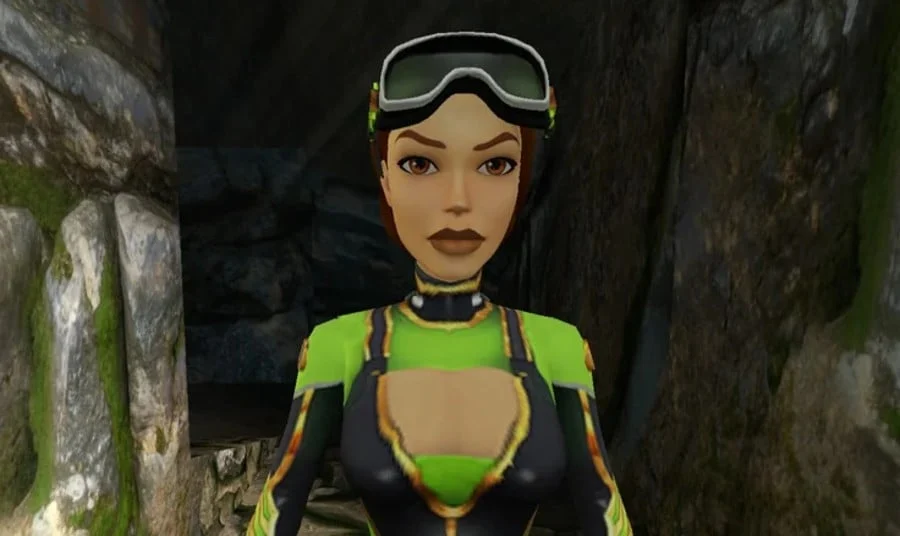
The highly anticipated Tomb Raider I-III Remastered Starring Lara Croft series, designed to celebrate the foundational adventures of one of gaming’s most iconic heroines, has once again found itself at the center of significant player discontent following the release of its latest patch. What was intended as a celebratory update has instead introduced a raft of new technical issues and, most notably, a collection of "new" character outfits that have been widely panned by the community for their perceived abysmal quality, prompting strong criticisms directed at developers Aspyr Media and publisher Crystal Dynamics. The backlash is not merely about cosmetic choices; it reflects a deeper frustration stemming from a series of missteps since the remaster’s launch, raising concerns about quality control, development priorities, and the ongoing integration of artificial intelligence tools in game production.
A Legacy Under Scrutiny: High Expectations for a Gaming Icon
The Tomb Raider franchise holds a hallowed place in video game history. Released in 1996, the original Tomb Raider on PlayStation and PC introduced the world to Lara Croft, an intrepid archaeologist whose blend of athleticism, intelligence, and daring captivated millions. Her adventures through ancient tombs and exotic locales set new benchmarks for 3D action-adventure games, influencing countless titles that followed. The character herself transcended gaming, becoming a global pop culture phenomenon. For many fans, the prospect of revisiting these seminal titles with modernized graphics and controls in Tomb Raider I-III Remastered was a dream come true, promising a respectful homage to Lara’s origins while making them accessible to a new generation.
This high level of anticipation placed immense pressure on Aspyr Media, known for its work on various ports and remasters, and Crystal Dynamics, the current custodians of the Tomb Raider IP, to deliver a product that honored this legacy. Players expected a polished experience that preserved the essence of the original games while enhancing them with contemporary technical standards. Unfortunately, the journey to fulfill these expectations has been fraught with challenges, with the latest patch serving as a potent flashpoint for mounting frustrations.
A Bumpy Road: Prior Controversies and Development Headwinds
The Tomb Raider I-III Remastered series has endured a turbulent post-launch period, with several controversies preceding the current outfit debacle. These incidents, while seemingly disparate, have collectively contributed to a narrative of inconsistent quality and questionable development practices, laying the groundwork for the current wave of player distrust.
The AI Visuals Mix-Up: Early in the remaster’s life cycle, eagle-eyed fans spotted what appeared to be AI-generated visuals within the game’s environments. Specifically, an anomalous, almost nonsensical object resembling a giant telephone keypad in an otherwise detailed ancient ruin sparked widespread debate across gaming forums and social media. The initial outcry centered on the perceived laziness and ethical implications of using generative AI for environmental assets in a commercial product. While it was later clarified that the object was, in fact, an existing, albeit obscure, detail from the original game that had simply been upscaled and perhaps unintentionally highlighted by the remaster’s graphical enhancements, the incident underscored player sensitivity to the use of AI in creative endeavors and set a precedent for scrutiny. It highlighted a broader industry conversation about the role of AI in game development, particularly concerning asset generation and authenticity.
The AI-Generated Voice Controversy: A more significant and legally contentious issue arose concerning the game’s audio. Reports emerged that certain voice lines within the remaster were not performed by human voice actors but were instead AI-generated. This revelation quickly escalated, drawing sharp criticism from the voice acting community and players alike. Voice actors, including those who had contributed to previous Tomb Raider titles, voiced concerns about their likeness and work being used without proper consent or compensation, potentially infringing on intellectual property rights. The backlash was severe, culminating in legal action initiated by original voice actors against Aspyr Media. In response to the overwhelming negative sentiment and potential legal ramifications, Aspyr Media swiftly announced the removal of all AI-generated vocal tracks from the collection, committing to replacing them with human-recorded dialogue. This incident served as a stark reminder of the ethical and legal complexities surrounding AI in creative industries, demonstrating the immediate and tangible consequences of missteps in this nascent field. It also highlighted a broader industry trend of developers experimenting with, and sometimes stumbling over, the integration of AI tools.
These prior events established a pattern of reactive development rather than proactive quality assurance, leaving many fans wary of future updates. The community’s goodwill, initially robust due began to erode, replaced by a cautious skepticism regarding the remaster’s ongoing development trajectory.
The Latest Patch: A Cascade of New Problems
The most recent patch for Tomb Raider I-III Remastered was anticipated to address various existing issues and potentially introduce new content. However, its deployment has been met with widespread dismay, as players report a significant deterioration in the game’s stability and overall experience. The update appears to have inadvertently introduced more problems than it solved, casting a long shadow over the developers’ quality assurance processes.
Among the critical technical issues reported by the community are:

- Lost Save Files: Numerous players have reported the inexplicable disappearance of their game save data, a catastrophic bug that can erase hours of progress and severely impact player enjoyment and trust. This is arguably the most damaging technical flaw, as it directly undermines the core gameplay experience.
- Musical Errors: Audio glitches, specifically regarding in-game music, have been widely noted. These range from incorrect tracks playing at certain points, music cutting out abruptly, or even complete absence of ambient scores, disrupting the immersive atmosphere crucial to the Tomb Raider experience.
- User Interface (UI) Problems: Players have also documented various UI inconsistencies and bugs, including unresponsive menus, incorrect display information, and navigation difficulties. Such issues, while seemingly minor, contribute to a clunky and frustrating user experience, detracting from the overall polish of the game.
- Performance Degradation: Some users have reported a noticeable drop in frame rates and general performance stability across various platforms, indicating that the patch may not have been optimized effectively, or that new assets are more demanding than anticipated.
These technical shortcomings alone would be sufficient to trigger player dissatisfaction. However, they are compounded by the highly controversial introduction of new character outfits, which have become the focal point of the current outrage.
The Outfit Controversy: Aesthetic Disaster and Quality Control Failure
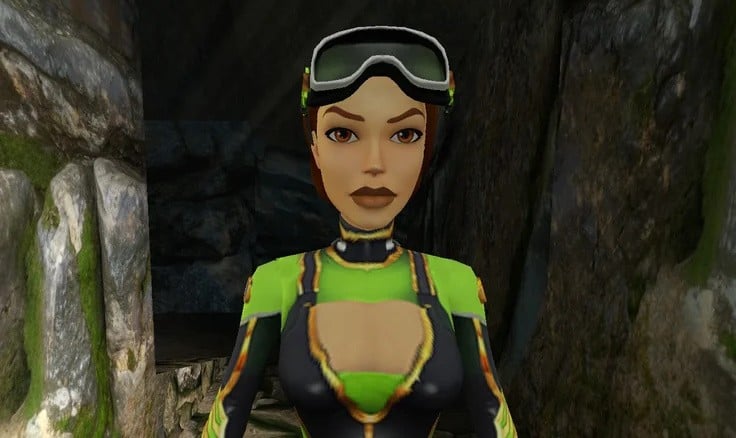
While the technical bugs are frustrating, it is the new, "free" character outfits included in the latest patch that have drawn the most intense "vitriol" from the Tomb Raider community. These outfits, intended as an additional cosmetic option for Lara Croft, have been universally condemned for their perceived low quality, questionable aesthetic design, and jarring incompatibility with the remaster’s visual style.
Discussions across platforms like Reddit and dedicated Tomb Raider forums are replete with scathing critiques. One highly upvoted Redditor articulated the sentiment of many, stating, "Questionable styles aside, these outfits are terrible quality and I can’t believe they’re an ‘official’ part of the game. My first reaction to seeing complaints was ‘how bad can it be, it’s free, I’ll just ignore the outfits.’ This is… really bad, though. After seeing some people saying they’re experiencing bugs with the game after the update, though, I really wish I had turned off automatic updates on my PS5." This comment encapsulates the dual nature of the disappointment: the poor quality of the cosmetics themselves, and the frustration that this "free" content arrived alongside game-breaking bugs.
Another user echoed this sentiment, lamenting, "This is free and I still don’t want it. I think I’d rather roll the update back and keep the games as they were. This is so bad that it feels like it degrades the original product. Crystal Dynamics should probably issue a partial refund for forcing this on us." The suggestion of a "partial refund" for free content highlights the depth of player resentment, indicating that the perceived negative impact of the update is so severe it devalues the core game experience. This reflects a broader industry trend where even optional, free content is expected to meet a certain quality standard, especially in a remaster aiming to celebrate a beloved classic.
Specific criticisms leveled against the outfits include:
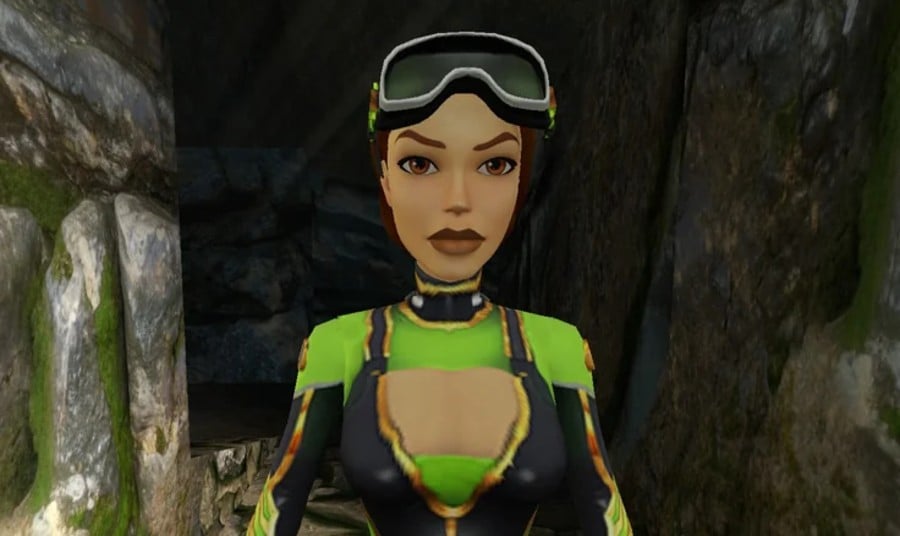
- Low-Resolution Textures: Many outfits appear to utilize textures that are significantly lower in resolution than other assets in the remastered environments or Lara’s default models, creating a stark visual discrepancy.
- Poor Model Geometry: The geometric fidelity of the new outfits is described as lacking, leading to blocky, unnatural shapes and poor articulation, especially in areas like clothing folds or character proportions.
- Inconsistent Art Style: The new outfits often clash with the established art direction of the remastered games, which aimed for a faithful yet enhanced representation of the original PlayStation era aesthetic. The new designs are seen as either too generic, too modern, or simply out of place within Lara’s classic adventures.
- Clipping Issues: Numerous reports detail instances of the new outfits clipping through Lara’s body or environmental objects, indicative of rushed integration and insufficient testing.
The sheer volume of negative feedback and the detailed nature of the complaints suggest a significant lapse in quality control and artistic direction regarding these additions. The fact that these "free" items are actively seen as detracting from the game speaks volumes about the level of dissatisfaction within the player base.
Developer Responses and Community Outlook
In the wake of the intense community backlash, the development team has begun to react, albeit indirectly. Notably, Giovanni Lucca, identified as a lead artist involved in the Tomb Raider I-III Remastered project, took to social media to distance himself from the controversial update. His statement, widely reported by gaming outlets like IGN, clarified that he had "nothing to do with the latest update," suggesting a compartmentalization of development responsibilities or perhaps a desire to protect his artistic reputation from association with the poorly received content. While understandable, this public disavowal, if not accompanied by a formal statement from Aspyr Media or Crystal Dynamics, could further fuel speculation about internal issues or a lack of cohesive vision within the development pipeline.
As of the current reporting, a comprehensive official statement from Aspyr Media or Crystal Dynamics addressing the full scope of the patch’s issues – including lost saves, technical bugs, and the widely criticized outfits – is eagerly awaited by the community. Industry standard practice dictates that developers acknowledge such widespread issues, apologize for the inconvenience, and outline a clear plan for corrective action, including timelines for hotfixes and subsequent patches. Failure to do so risks further alienating a dedicated fanbase.
The community’s outlook remains cautiously pessimistic. While many appreciate the effort to revive these classics, the repeated quality control issues have eroded trust. Players are now actively discussing the merits of "rolling back" their game versions to avoid the latest patch, if technically feasible, a clear indicator of dissatisfaction with the current state of the product. The sentiment suggests that even free content, when poorly executed, can severely damage the perceived value of a game and its brand.
Broader Implications: Player Trust, Brand Reputation, and the Future of Remasters
The ongoing struggles of Tomb Raider I-III Remastered extend beyond a single game; they carry significant implications for player trust, the enduring reputation of the Tomb Raider franchise, and the broader landscape of video game remasters and development practices.

Erosion of Player Trust: Each misstep, from the AI visual confusion to the AI voice removal, and now the buggy patch with low-quality outfits, chips away at the goodwill and trust players place in developers and publishers. Gamers invest not just money but also emotional attachment in beloved franchises. When a remaster, intended to be a loving tribute, is plagued by preventable errors and quality issues, it creates a sense of betrayal. This erosion of trust can have long-term consequences, making players more hesitant to pre-order future titles, less forgiving of subsequent bugs, and more critical of all releases associated with the development teams involved.
Impact on the Tomb Raider Brand: The Tomb Raider franchise is currently in a transitional phase, with new games potentially on the horizon. A poorly executed remaster, especially one repeatedly mired in controversy, can inadvertently tarnish the overall brand image. While the classic games remain revered, the current state of their remastered versions could negatively influence public perception and enthusiasm for future Tomb Raider projects, making it harder to attract new players and retain existing fans. The iconic status of Lara Croft demands a level of quality and respect that, in the eyes of many, has not been consistently met by this particular remaster.
Challenges in the Remaster/Remake Market: The gaming industry has seen a boom in remasters and remakes, driven by nostalgia and the desire to introduce classics to modern audiences. However, the Tomb Raider situation serves as a cautionary tale. It underscores the critical importance of meticulous quality assurance, clear communication with the community, and a deep understanding of the source material. A successful remaster requires more than just graphical upgrades; it demands faithful preservation of the original’s spirit, coupled with modern polish and stability. Failures like this highlight the risks associated with rushed development cycles or insufficient resources allocated to such projects.
The Ongoing AI Debate: The recurring theme of AI-related controversies in Tomb Raider I-III Remastered also contributes to the ongoing industry-wide debate about the ethical and practical integration of artificial intelligence in game development. While AI tools promise efficiencies, their implementation without careful consideration for artistic integrity, intellectual property, and community sentiment can lead to significant backlash. The Tomb Raider experience demonstrates that while AI might offer speed, it cannot yet substitute for human oversight, artistic direction, and rigorous quality control, especially in projects built on beloved creative works.
The Tomb Raider I-III Remastered saga is a complex narrative of high expectations meeting execution challenges. As the community awaits further official responses and fixes, the current situation serves as a powerful reminder that in the world of video game development, especially when dealing with cherished classics, quality, transparency, and respect for the player base are paramount. The journey to fully restore Lara Croft’s initial adventures to their rightful glory appears far from over.