Retno Hari Mulyono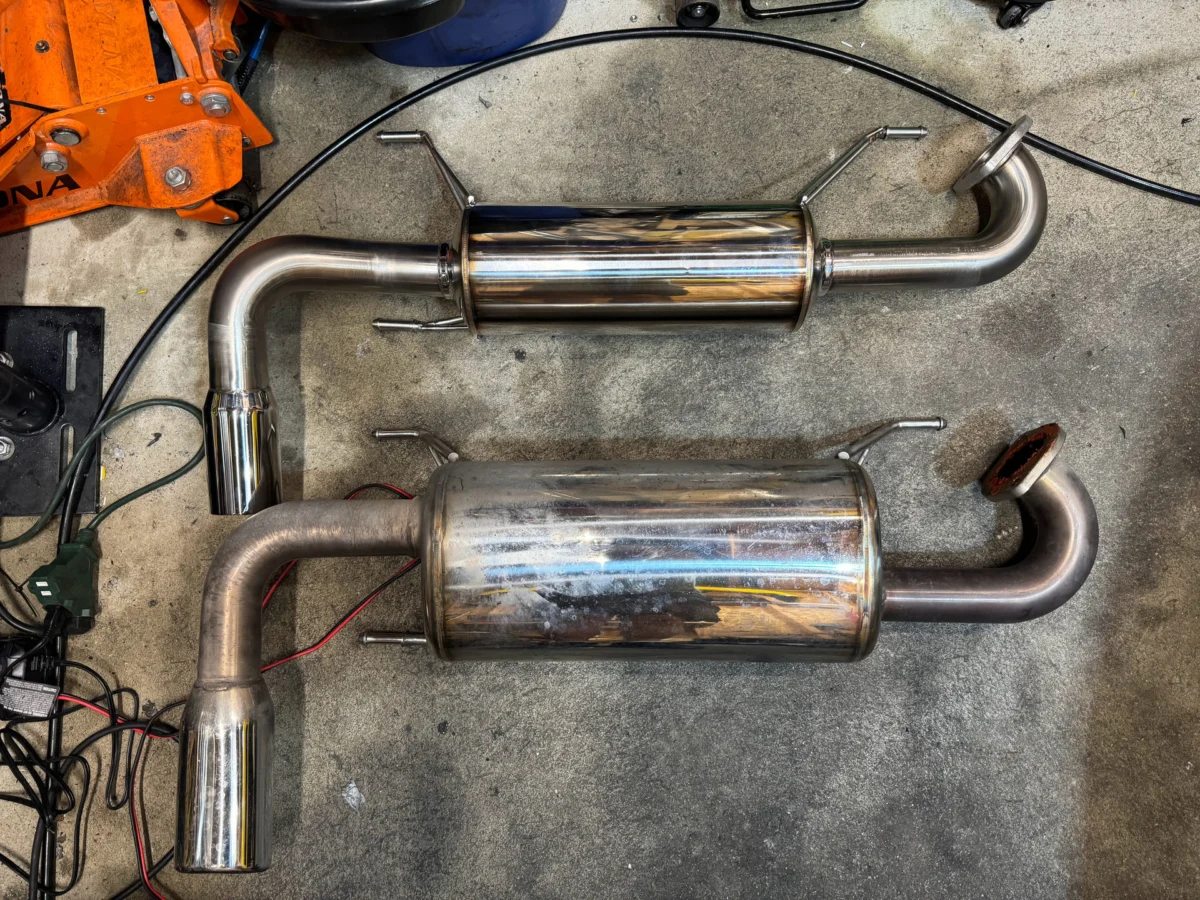
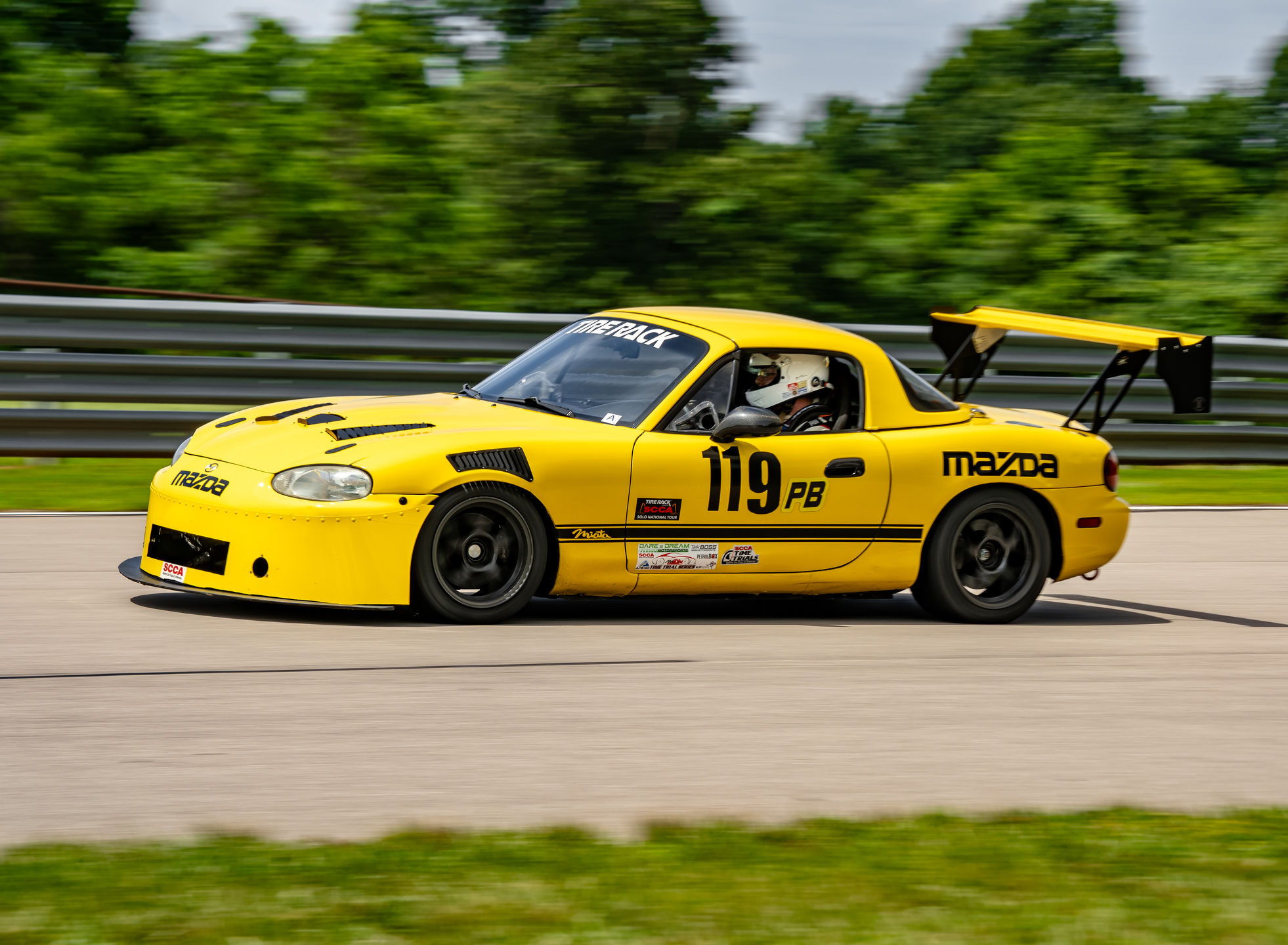
The transformation of a standard road vehicle into a competitive, track-focused machine represents a meticulous balance of engineering, iterative testing, and driver development. Over a span of four years, one automotive enthusiast has systematically documented the ownership journey of an NB-generation Mazda Miata, transitioning the roadster from a weekend cruiser into a dedicated time-trials contender. Spanning from March 2024 through February 2025, this twelve-month period encapsulates a rigorous regimen of engine fabrication, chassis tuning, logistical upgrades, and competitive racing across the American Midwest.
Mechanical Overhauls and Powertrain Iterations
The fourth year of ownership commenced in March 2024 with a comprehensive powertrain revision designed to extract greater efficiency and durability at sustained high revolutions per minute. The original BP4W engine was removed to make way for a freshly built BP6D Variable Valve Timing (VVT) motor paired with a six-speed manual transmission, replacing the factory five-speed unit.
What began as a straightforward drop-in procedure quickly escalated into a complete cylinder head rebuild after routine inspections revealed suboptimal valve sealing. Utilizing a do-it-yourself cylinder hone, new Original Equipment Manufacturer (OEM) piston rings, and upgraded pistons, the builder assembled a high-revving powerplant engineered to withstand the thermal and mechanical demands of competitive motorsport. However, motorsport engineering often presents unforeseen hurdles. Less than a month following installation, a minor head gasket failure occurred during an intense autocross session. The continuous operation near redline generated elevated cooling system pressures, forcing a freeze plug to yield as the path of least resistance.
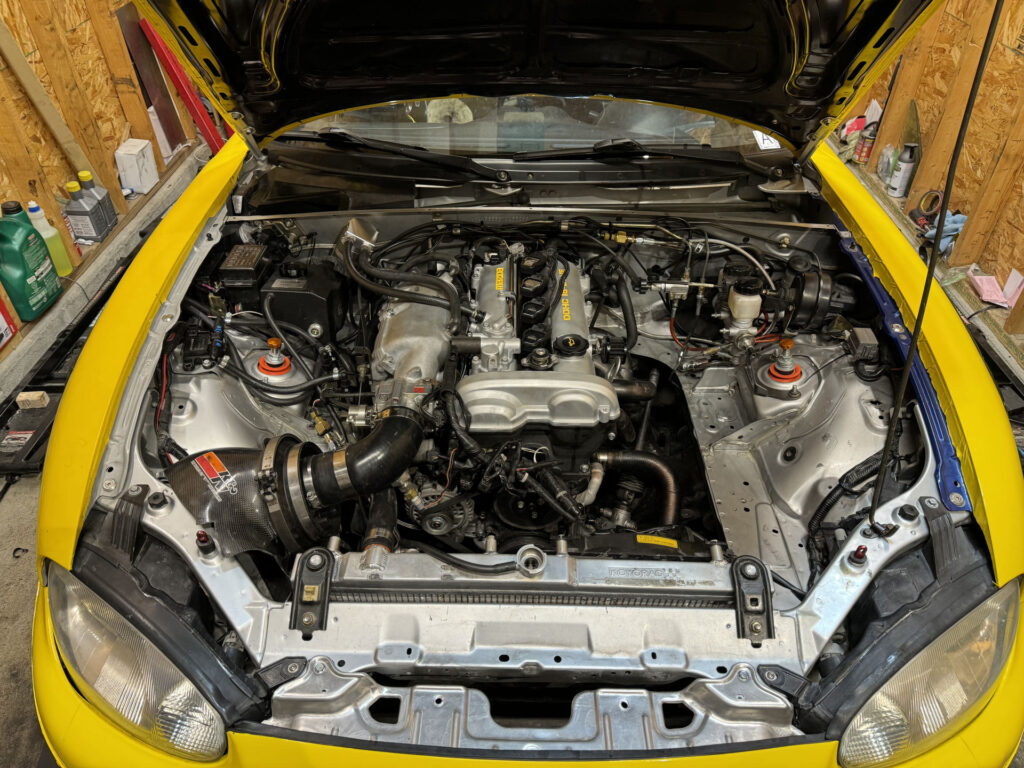
Faced with a localized leak, the team opted to reinstall the reliable original BP4W motor for the remainder of the competitive season while retaining the newly integrated six-speed transmission. Subsequent metallurgical and structural investigations conducted in December 2024 revealed minimal damage to the VVT head and block interfaces. Rather than rushing a hasty reinstallation, the builder elected to retain the operational BP4W block for ongoing events while evaluating precision machining and advanced chemical sealing agents for future engine developments.
Aerodynamic, Chassis, and Exhaust Modifications
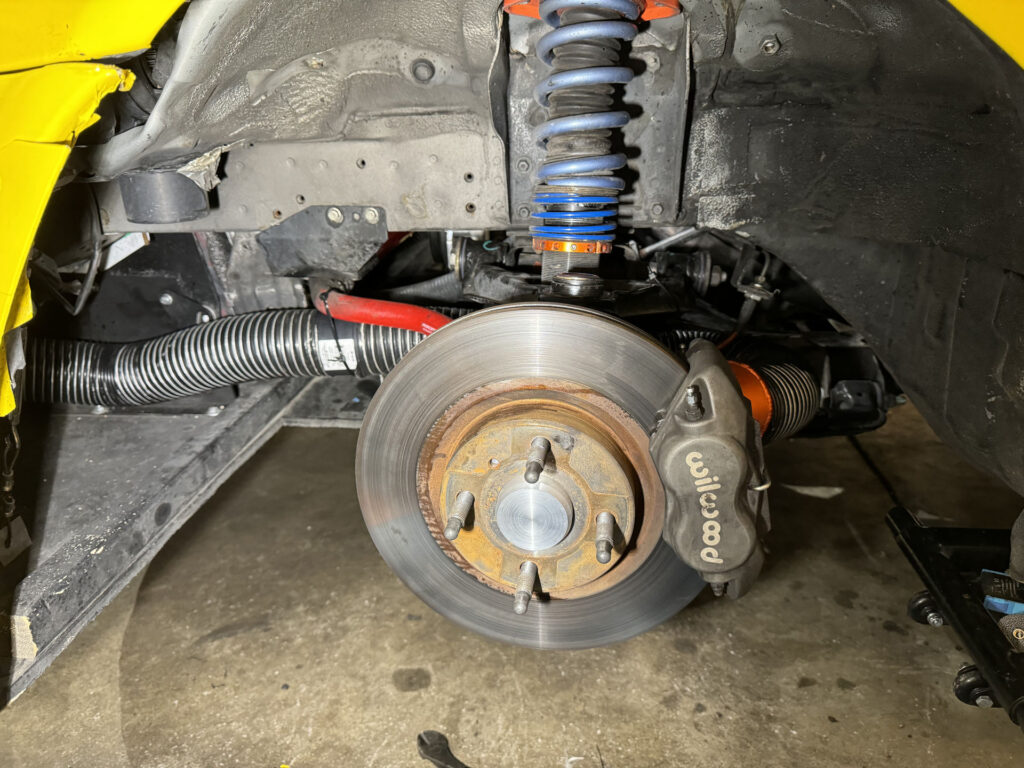
Parallel to powertrain diagnostics, April and May 2024 marked significant enhancements to the Miata’s thermal management and exhaust systems. To combat brake pad wear accelerated by heavy track use, custom brake cooling ducts were integrated into the existing Supermiata BX11 braking architecture. Utilizing a two-section hose configuration coupled in the middle, the design minimized maintenance costs by allowing localized replacements in the event of track debris damage. Field data indicated that the added airflow successfully doubled brake pad longevity, mitigating a primary operational expense for endurance-heavy track days.
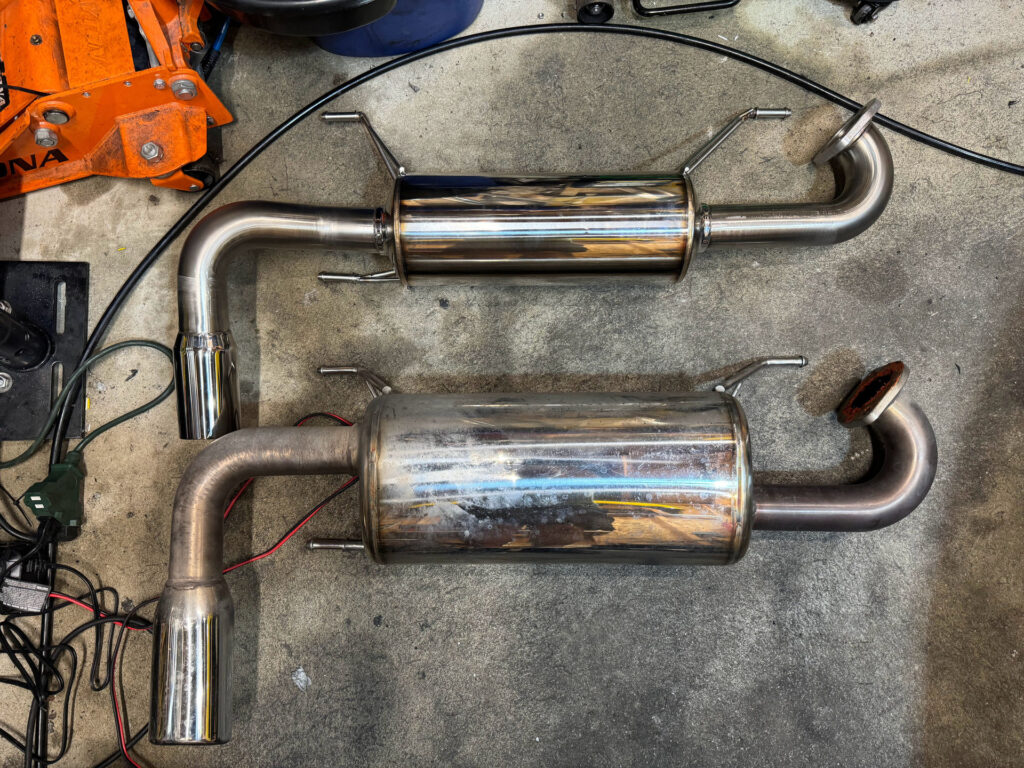
In May, the exhaust configuration underwent revision with the installation of a Racing Beat Race muffler, replacing the milder Power Pulse variant. Paired with an existing Raceland header and a Racing Beat Race resonated midpipe, the modification successfully reduced vehicle weight while marginally increasing exhaust volume. The resulting acoustic profile achieved a balance between aggressive track resonance and compliance with strict racetrack noise limitations, allowing the vehicle to operate unimpeded by local sound regulations.
Further modifications extended into the intake system by January 2025. Transitioning away from a previously utilized Squaretop intake manifold, the builder installed a Skunk2 intake manifold in anticipation of the 2025 season. Designed to optimize high-end volumetric efficiency, the component aimed to eliminate power drop-off beyond the 7,000 RPM threshold, a critical adjustment for a vehicle spending the majority of its operational lifecycle in the upper echelon of the tachometer.
Competitive Campaign and Circuit Chronology
The 2024 motorsport calendar subjected the modified Miata to rigorous testing across several prominent regional racing facilities, accumulating 16 on-track days, 392 competitive laps, and approximately 12.1 hours of high-speed data acquisition.
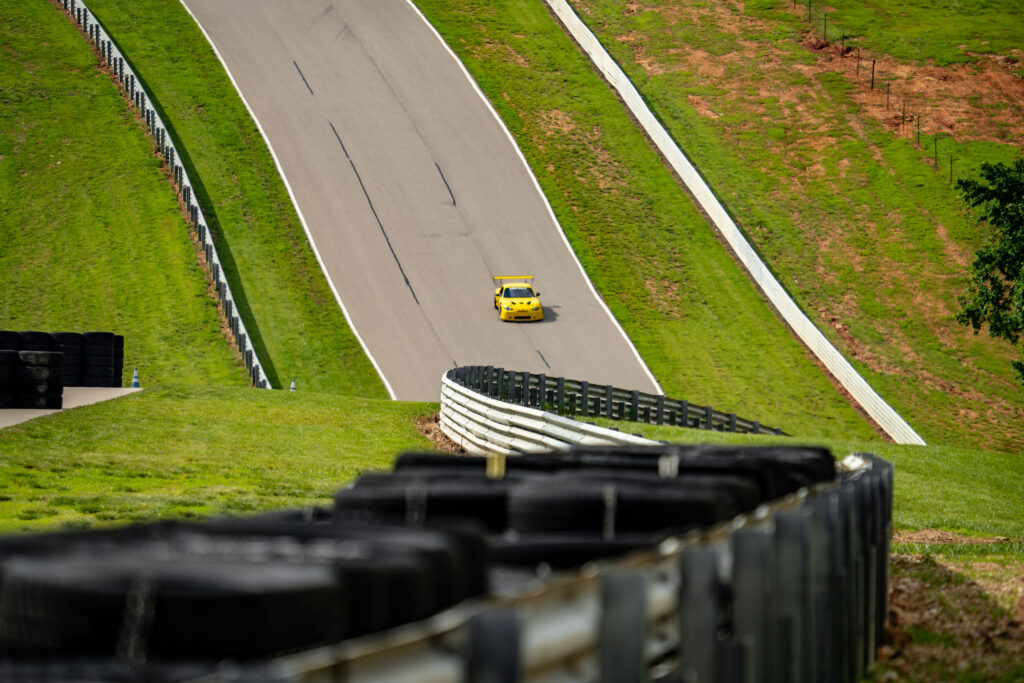
Operations kicked off in June 2024 at the Ozarks International Raceway, a circuit renowned for extreme elevation changes and technical complexity. Iterative driving lines and increased vehicle familiarity allowed the driver to secure substantially faster lap times compared to the previous year, cementing the venue as a premier destination for technical driving development.
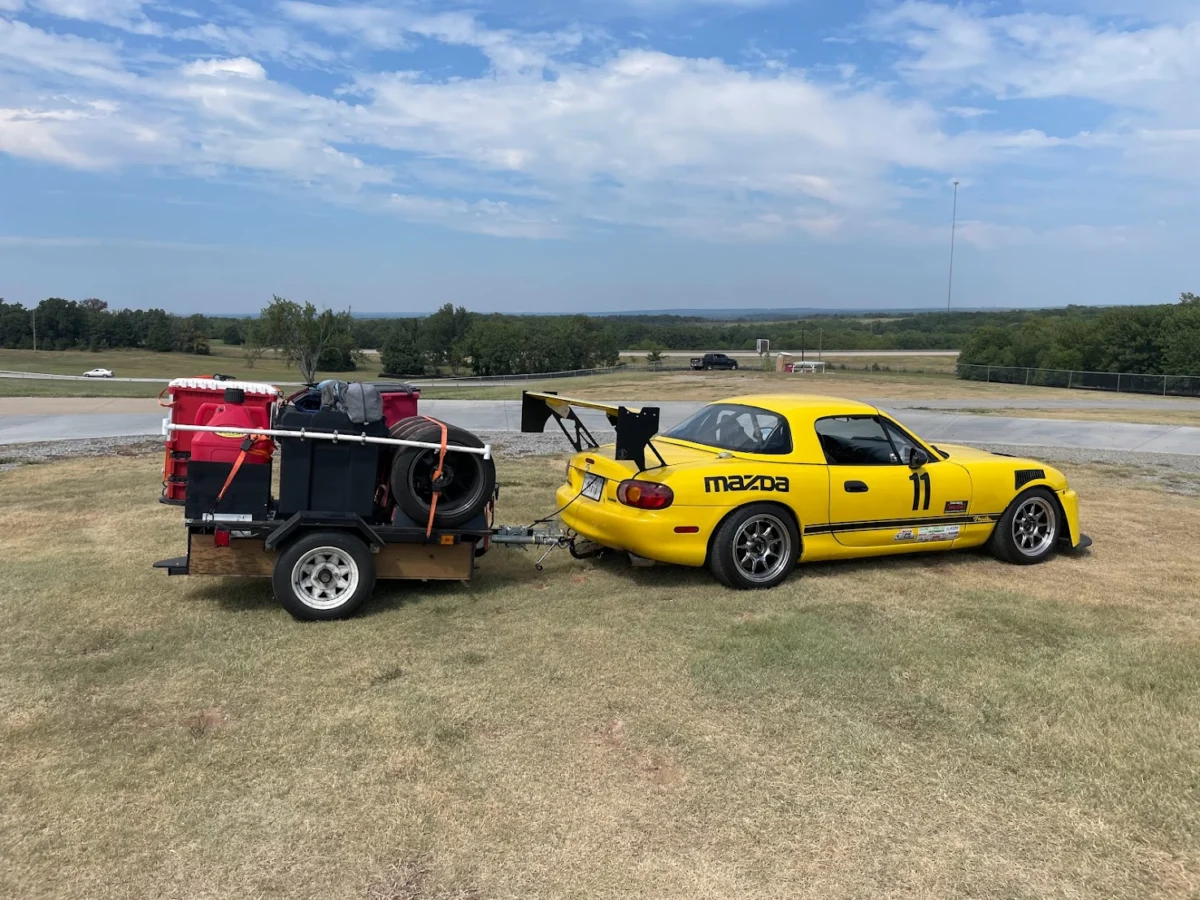
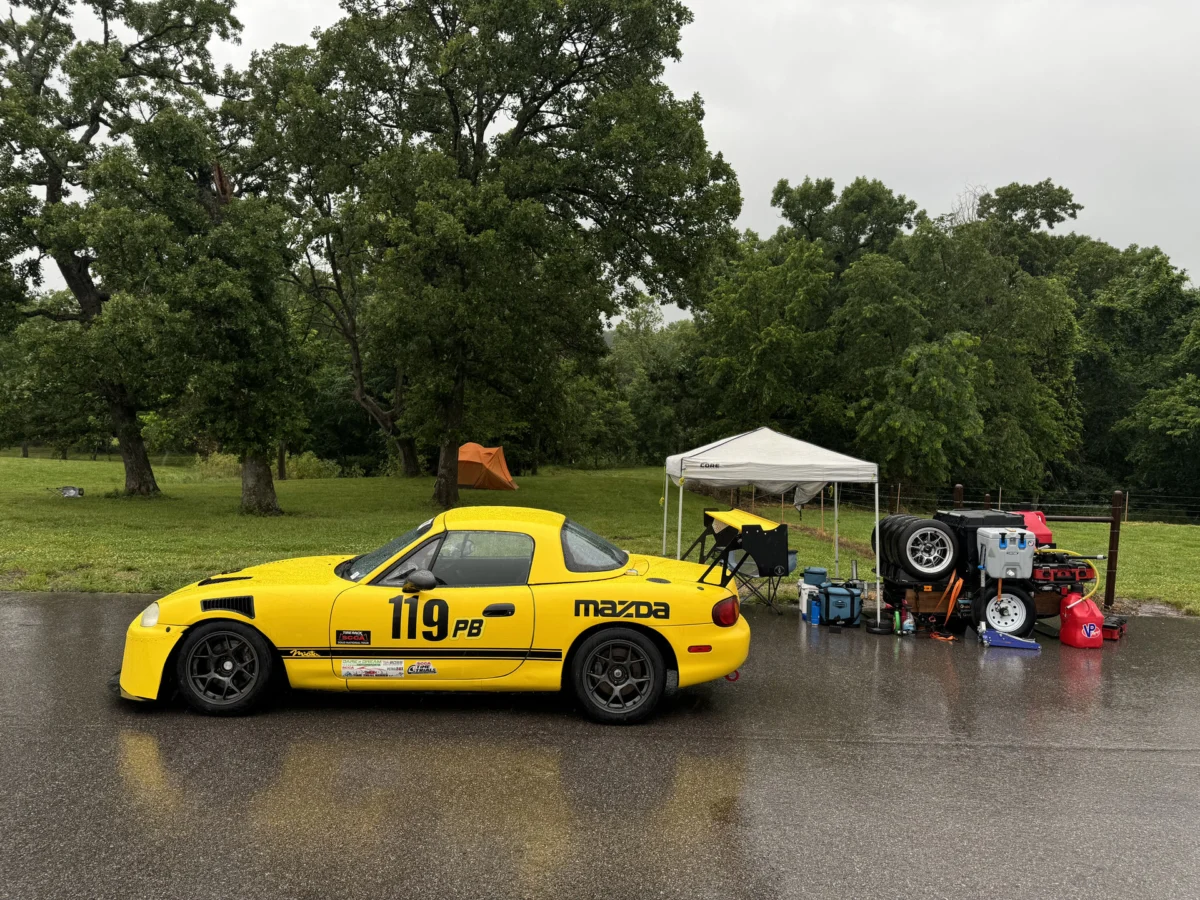
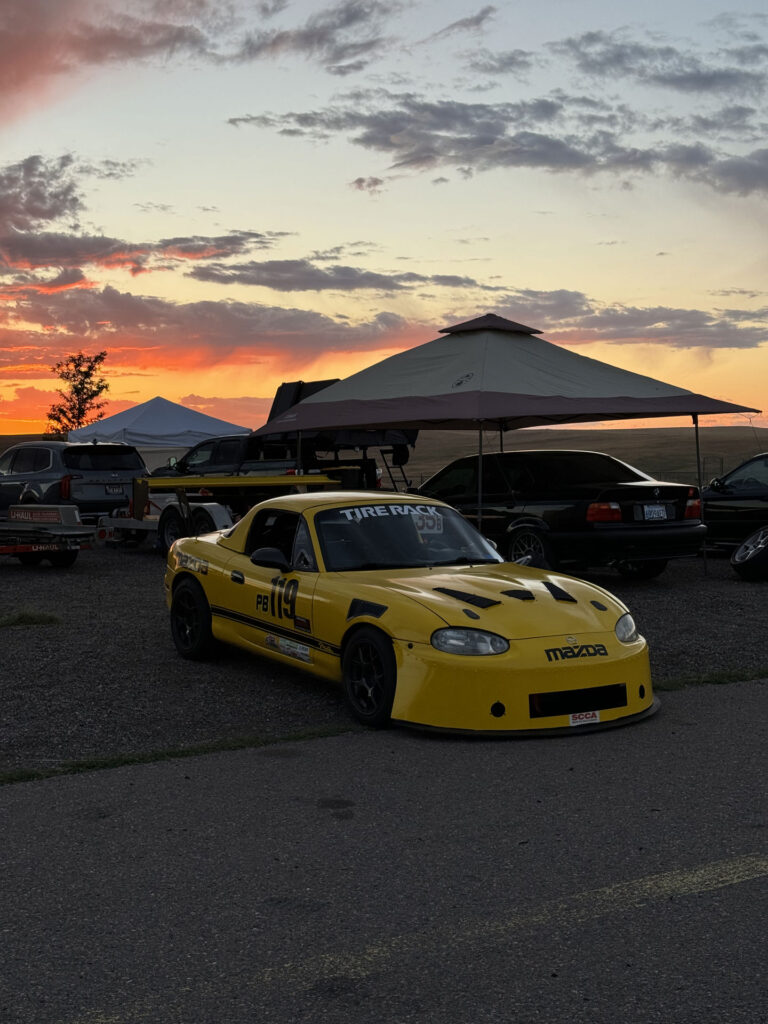
Logistical scalability improved significantly in July 2024 with the acquisition of a dedicated tow vehicle and an 18-foot open car hauler featuring a 16-foot deck and a 2-foot dovetail. The transition from driving the car to events on tire trailers to utilizing a full truck-and-trailer configuration vastly improved travel comfort over a 900-plus-mile round trip to High Plains Raceway. Although the fixed angle of the trailer dovetail presented initial clearance challenges with the vehicle’s low-slung chassis and front splitter, implementation of wood ramp extensions successfully resolved loading hurdles.
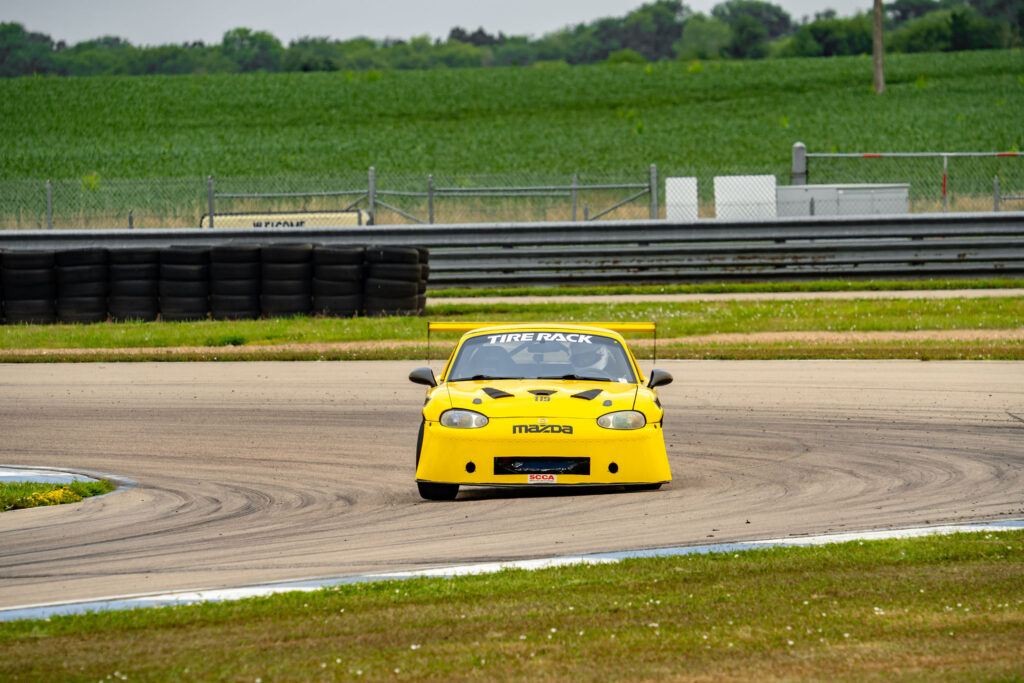
August 2024 brought a standout performance at Motorsports Park Hastings during the Sports Car Club of America (SCCA Time Trials). Competing within a familiar environment, the driver consistently topped the time sheets, dominating their class and outperforming numerous competitors in higher-tier vehicle classes. The fastest lap of 1:39.19 not only surpassed the facility’s established NASA Spec Miata and TT6 track records but also positioned the vehicle competitively between the TT6 and TT5 performance brackets.
The competitive season concluded in November 2024 at the Hallett Motor Racing Circuit under the SCCA Time Trials banner. Operating in a dual-direction format within a single day, the event tested both driver adaptability and component wear limits. Despite late-season tire degradation resulting in localized flat-spotting from rear wheel lock-ups, the vehicle maintained competitive class positioning throughout the sessions.
Infrastructure and Support Systems Upgrades
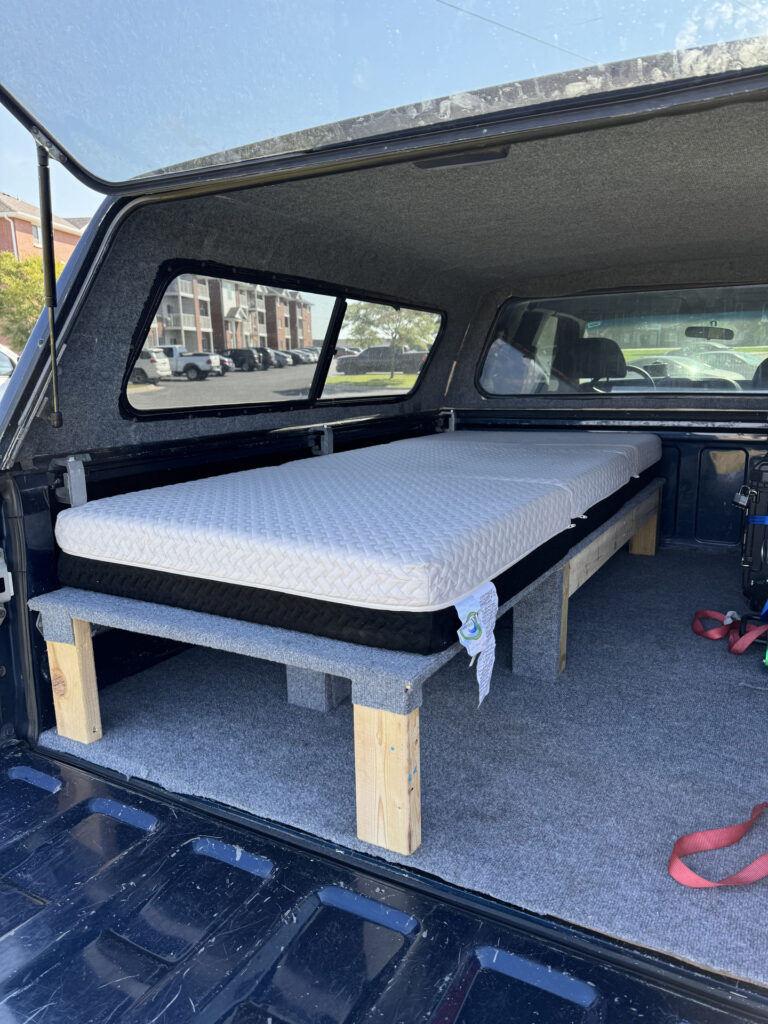
Beyond direct vehicle modifications, off-track logistics saw considerable investment during the latter half of 2024. In September, a pre-owned camper shell was integrated into the tow truck bed, transformed into an efficient trackside sleeping quarter. Outfitted with a trifold memory foam mattress, a MaxxFan Deluxe RV roof vent, and solar-charged battery systems, the mobile living arrangement eliminated the labor-intensive setup and teardown associated with traditional trackside tents.
To address tactical communication deficits during time-trial sessions, February 2025 marked the installation of a dedicated General Mobile Radio Service (GMRS) network. Utilizing hardwired Baofeng UV-5R transceivers integrated with a steering-wheel-mounted Push-To-Talk (PTT) switch and an IMSA-compatible helmet harness, the driver established direct communication channels with pit crew family members. This setup bridged the information gap regarding real-time live timing data, allowing for strategic adjustments between track sessions.
Season Summary and Operational Metrics
Data compilation via onboard telemetry, including the Garmin Catalyst system, underscored the sheer volume of seat time accumulated over the lifecycle of the build. Totaling over 1,000 recorded laps and upwards of 34 hours of cumulative track operation, the vehicle has evolved into a highly reliable and predictable instrument for time trials.
Having systematically phased out autocross events due to unfavorable seat-time-to-travel ratios, the campaign remains firmly anchored in full-circuit track performance. Through disciplined engineering, continuous logistical refinement, and methodical mechanical iteration, the NB Mazda Miata stands as a testament to grassroots motorsport development—proving that competitive success is achieved through relentless persistence and rigorous attention to detail.