Retno Hari Mulyono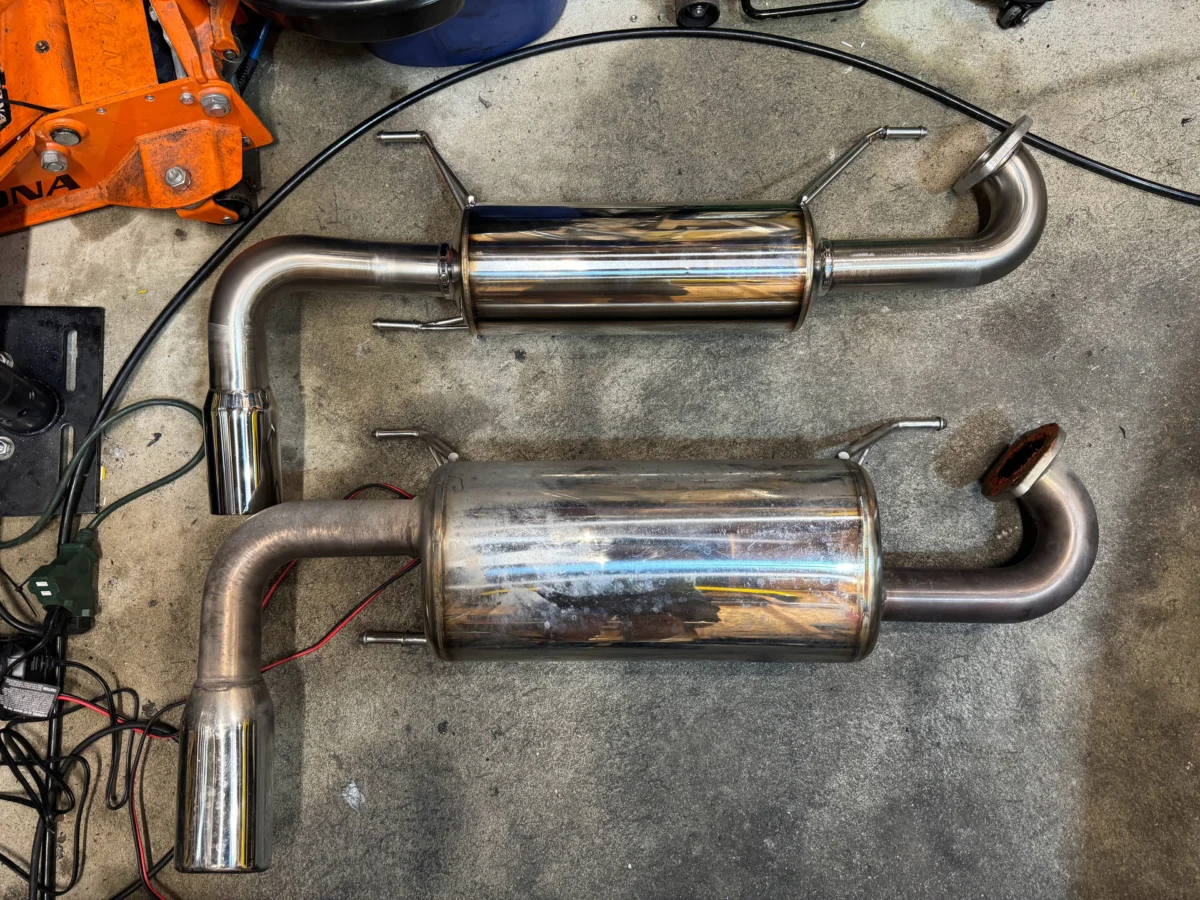
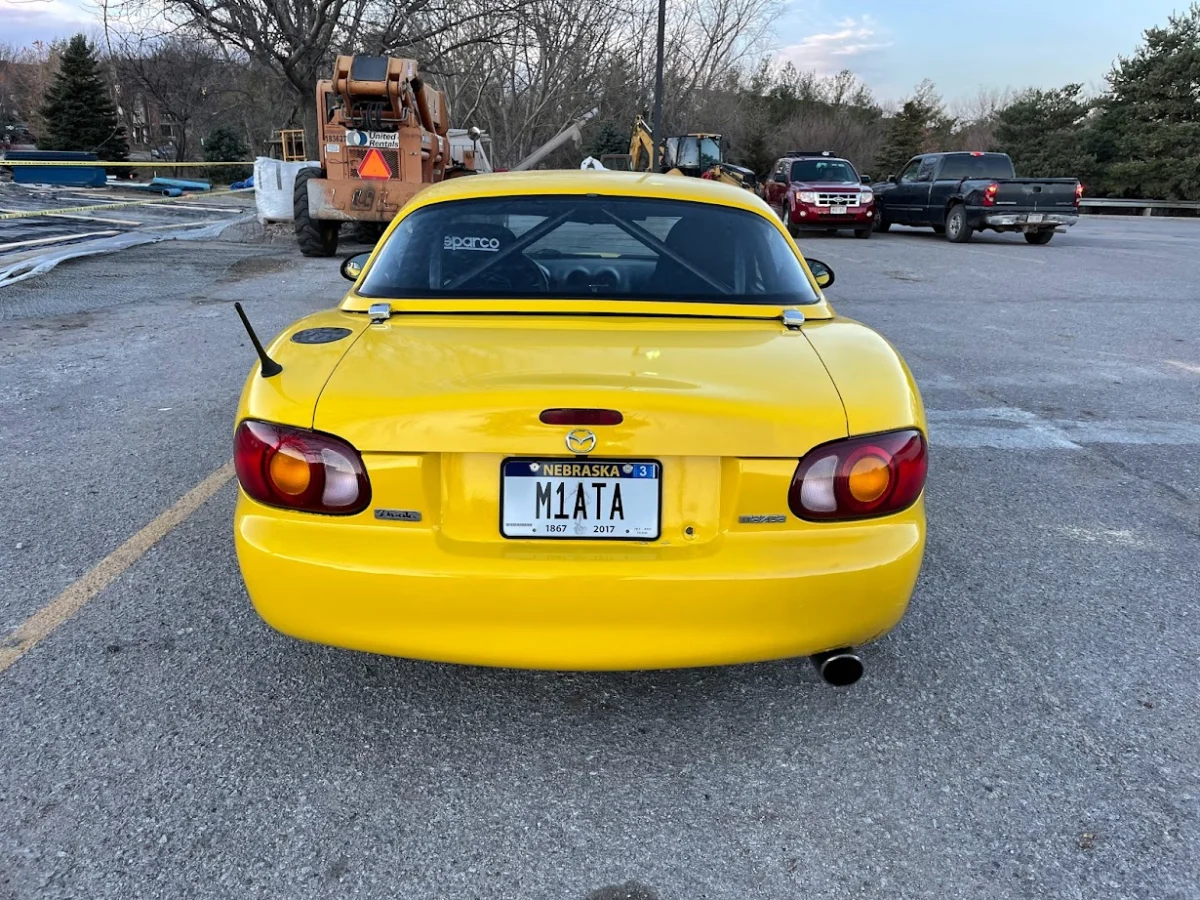
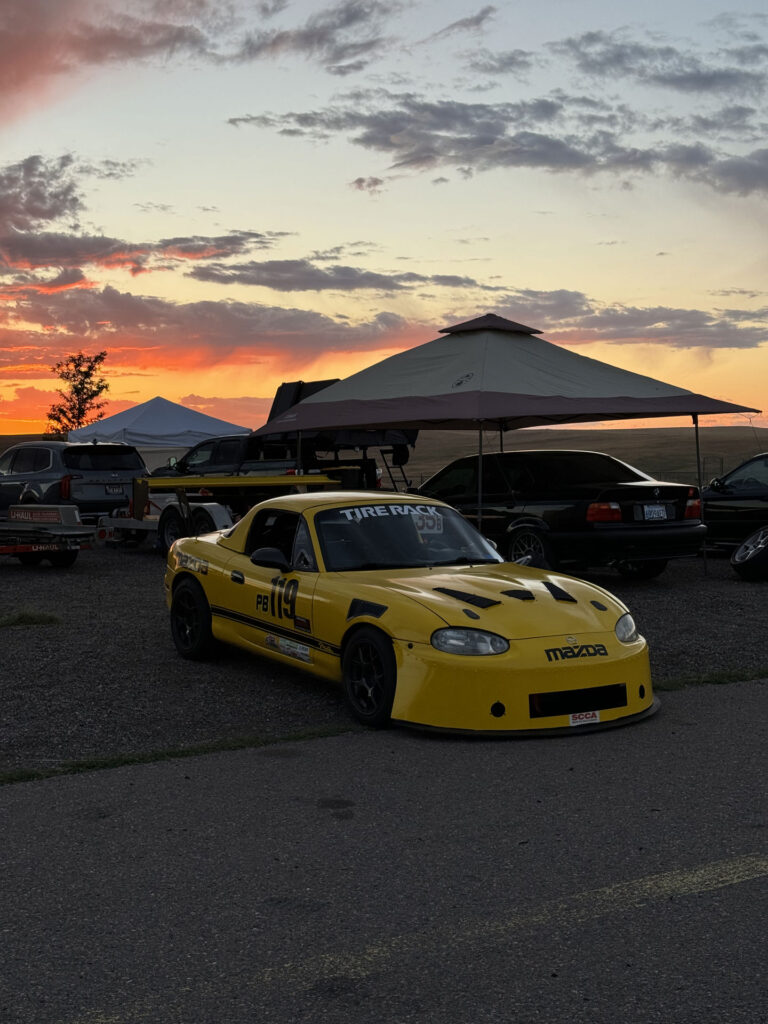
The fourth year of ownership for the Mazda NB Miata, spanning from March 2024 through February 2025, represents a significant transition from a modified street-legal roadster to a dedicated, high-performance track vehicle optimized for SCCA Time Trials competition. Throughout this twelve-month period, the vehicle underwent extensive mechanical overhauls, aerodynamic refinements, and logistical infrastructure upgrades. This evolution reflects a broader trend within the amateur motorsports community, where the focus shifts from basic maintenance to data-driven performance gains and the implementation of professional-grade support systems. The year was defined by a rigorous schedule of 16 track days, totaling 12.1 hours of high-speed operation and nearly 400 laps across some of the most challenging circuits in the American Midwest.
Mechanical Engineering and the BP6D VVT Engine Transition
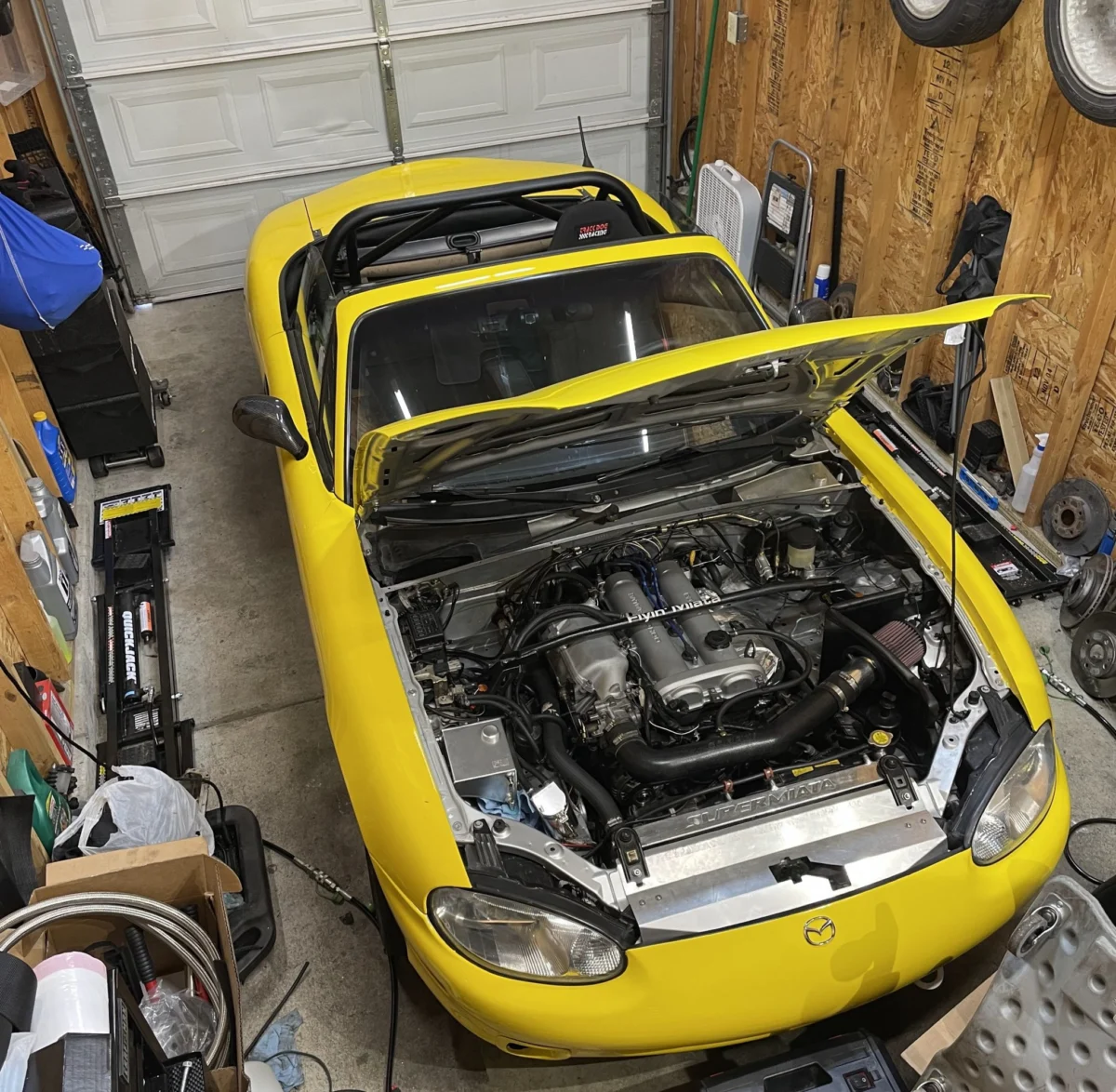
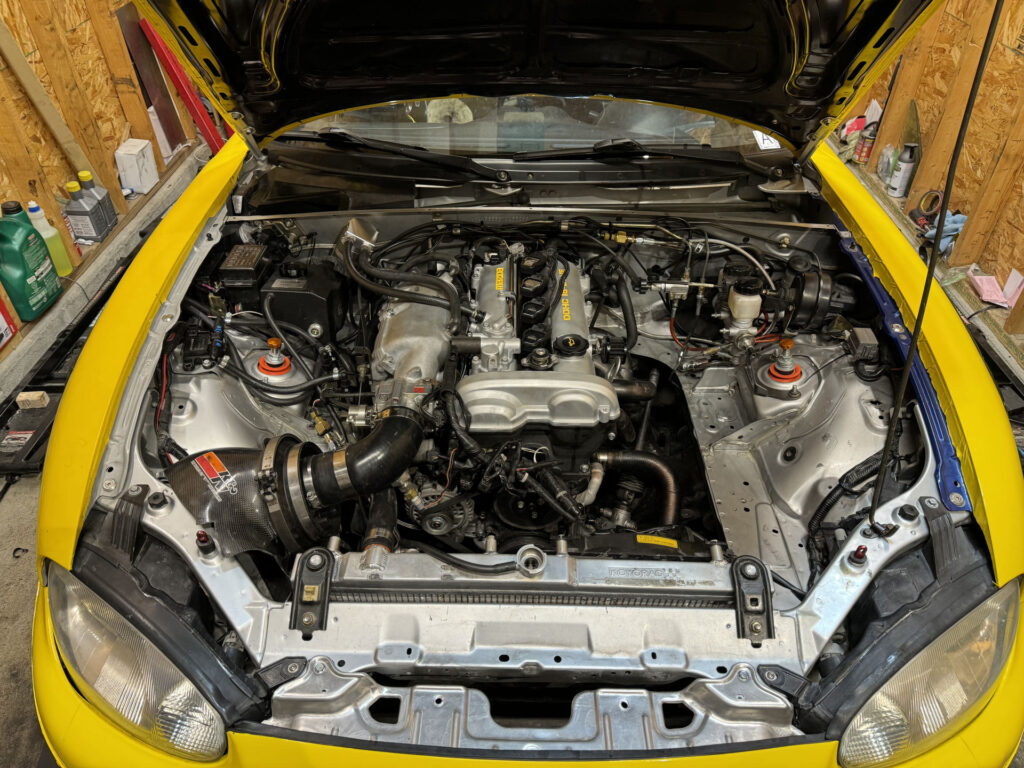
The year began with an ambitious mechanical undertaking: the replacement of the original BP4W engine with a rebuilt BP6D Variable Valve Timing (VVT) motor, paired with a six-speed manual transmission. The BP6D, originally found in the 2001–2005 Mazda Miata, is highly coveted by enthusiasts for its improved torque curve and top-end power compared to earlier iterations. The project involved a comprehensive "slippery slope" rebuild, which included a cylinder head restoration to ensure valve sealing, a DIY hone of the cylinder walls, and the installation of new OEM rings and aftermarket pistons.
However, the transition highlighted the inherent risks of high-stress amateur racing. During an early-season autocross event, the engine experienced a head gasket failure under near-redline conditions. The resulting pressure buildup within the cooling system led to the expulsion of a freeze plug—a common failure point in Miata engines when subjected to sustained high RPMs without reinforced cooling bypasses. This failure necessitated a strategic retreat; the original BP4W motor was reinstalled to ensure the vehicle remained viable for the 2024 racing season, though the upgraded six-speed transmission remained in place. This decision underscores the "reliability-first" philosophy essential for competitive time trials, where track time is often more valuable than marginal power gains.
Thermal Management and Braking Efficiency
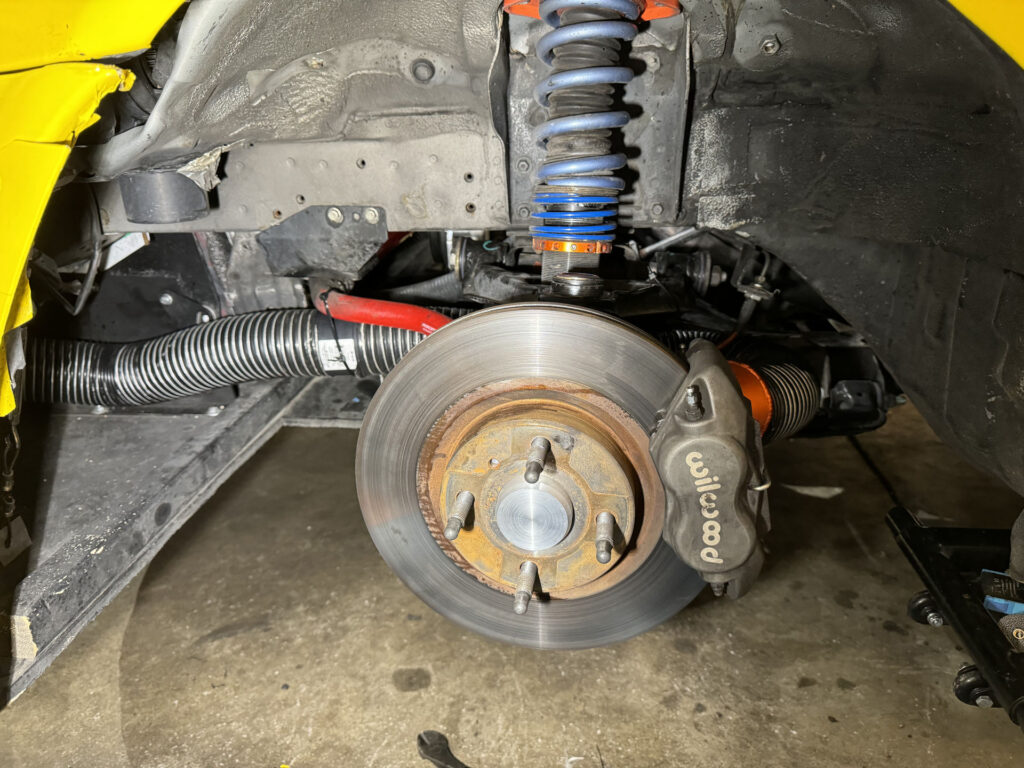
In April 2024, the focus shifted to thermal management, specifically regarding the braking system. The vehicle utilizes a Supermiata BX11 brake kit, a popular choice for track-focused NBs due to its balance of weight and clamping force. While effective, the kit’s relatively thin pads were prone to rapid wear under the high thermal loads of technical circuits. To mitigate this, a custom brake cooling duct system was installed.
The implementation featured a modular two-section hose design with a central coupler, allowing for cost-effective repairs should a single section be damaged by road debris or tire rub. Data collected following the installation suggests that the ducts effectively doubled the lifespan of the brake pads. This modification represents a critical economic and performance optimization, reducing the frequency of maintenance intervals and ensuring consistent braking performance throughout twenty-minute sessions where heat soak typically degrades pedal feel and stopping distance.
Exhaust and Sound Profiling for Competitive Compliance
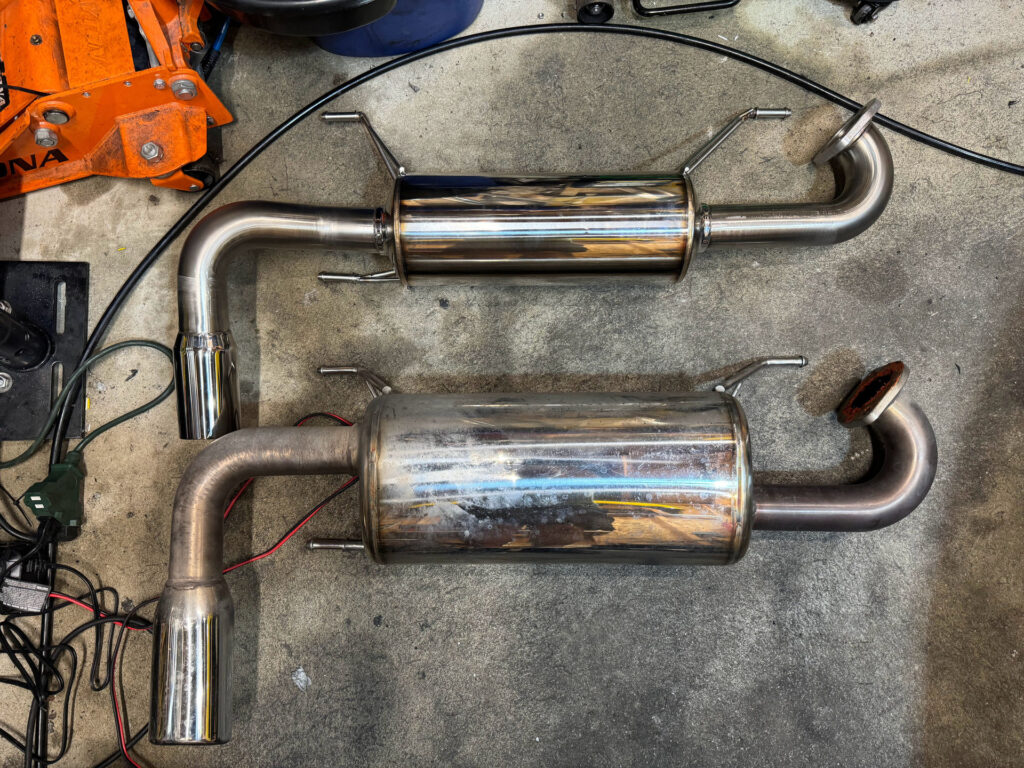
By May, the vehicle’s exhaust system was refined through the installation of a Racing Beat Race Muffler, replacing the heavier Power Pulse variant. The modification aimed to achieve two primary goals: weight reduction and an increased acoustic profile that remained within the strict decibel limits of many American racing circuits. The full exhaust configuration—comprising a Raceland header, a Racing Beat Race resonated midpipe, and the Race muffler—provided a more aggressive tone without triggering noise violations at venues like NCM Motorsports Park or Laguna Seca, which are known for their stringent sound enforcement.
Competitive Performance Analysis at Midwest Circuits
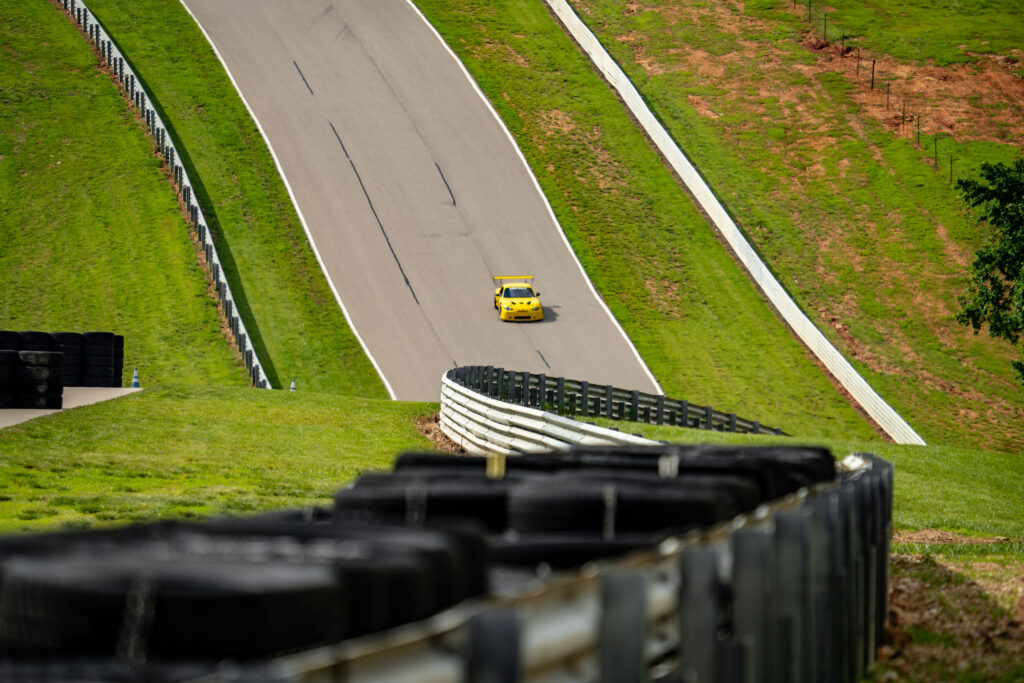
The mid-year months were dedicated to competitive development at several premier racing venues. In June, the vehicle tackled Ozarks International Raceway, a circuit renowned for its extreme elevation changes and technical complexity. The driver reported significant year-over-year improvement, noting that the technical nature of the track rewards familiarity and confidence in the vehicle’s mid-corner balance.
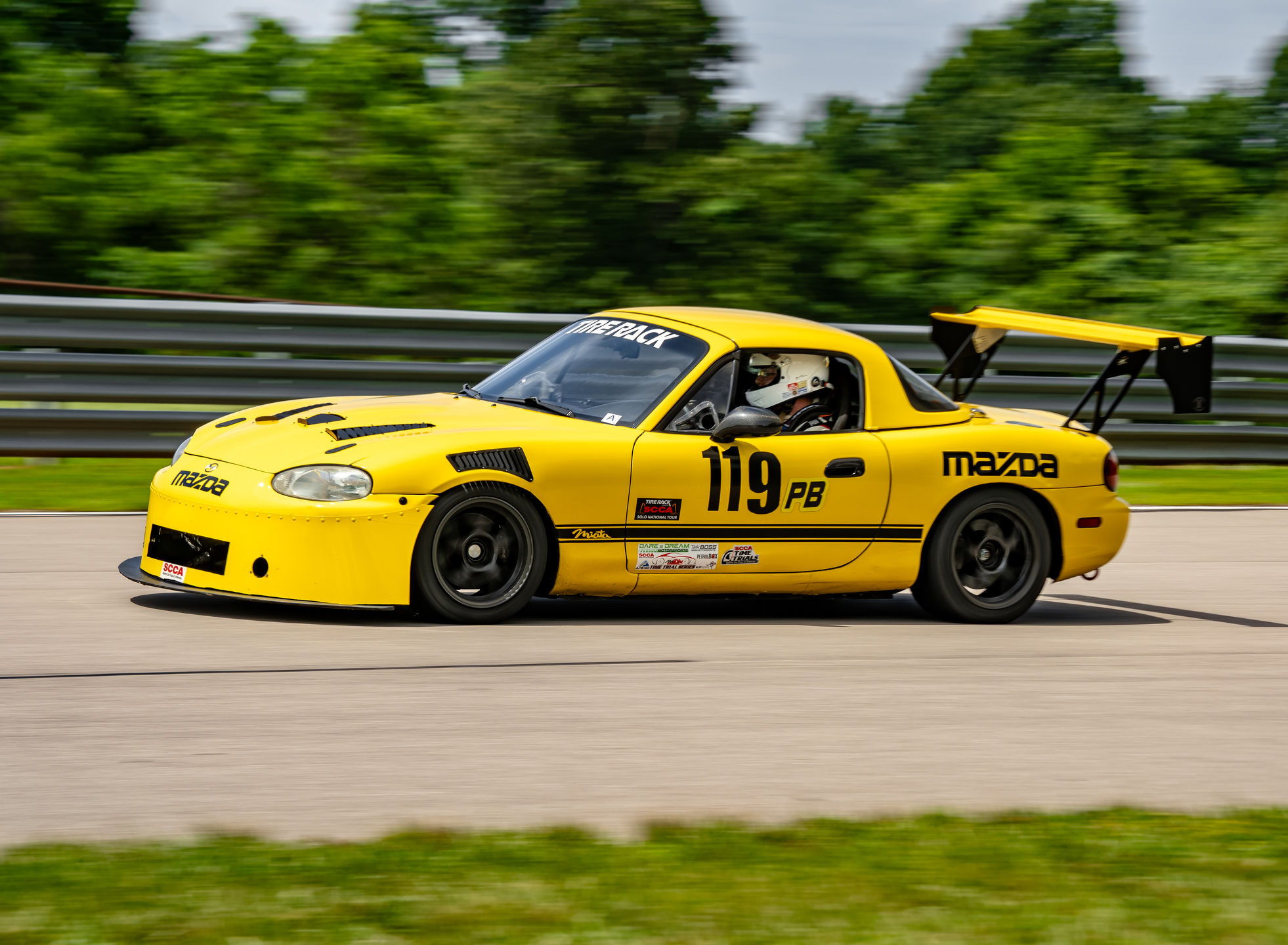
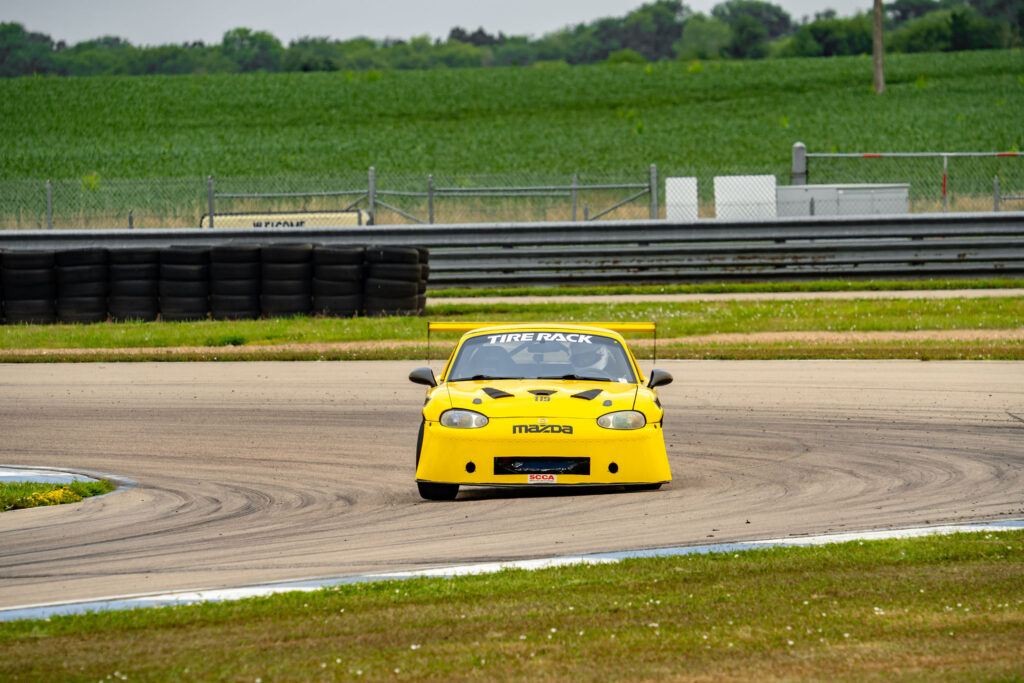
The high point of the competitive season occurred in August at Motorsports Park Hastings during an SCCA Time Trials event. The Miata demonstrated exceptional pace, leading every session within its class and outperforming vehicles in higher-tier categories. The fastest lap recorded was a :39.19, representing a 3.59-second improvement over the previous year. To put this into a broader competitive context, this time is faster than the standing NASA Spec Miata track record (1:40.415) and the NASA TT6 record (1:39.625). The vehicle now sits comfortably between the TT6 and TT5 classifications, proving that a well-sorted, naturally aspirated NB Miata remains a formidable contender against modern sports cars.
Logistical Infrastructure and the Shift to Professional Towing
As the vehicle became more track-focused, the logistics of transport and accommodation evolved. In July, the owner transitioned from driving the Miata to the track to a dedicated towing setup. Utilizing a mid-sized truck and an 18-foot open car hauler, the team completed a 900-mile round trip to High Plains Raceway.
The acquisition of a personal trailer in October allowed for further customization tailored to the Miata’s low ground clearance. Modifications to the trailer included:
- An electric winch for non-powered loading.
- A tongue-mounted toolbox and battery box.
- The addition of Mac’s tie-down straps and a dedicated spare tire mount.
- A customized 2×6 wood block system to navigate the aggressive angle of the trailer’s dovetail.
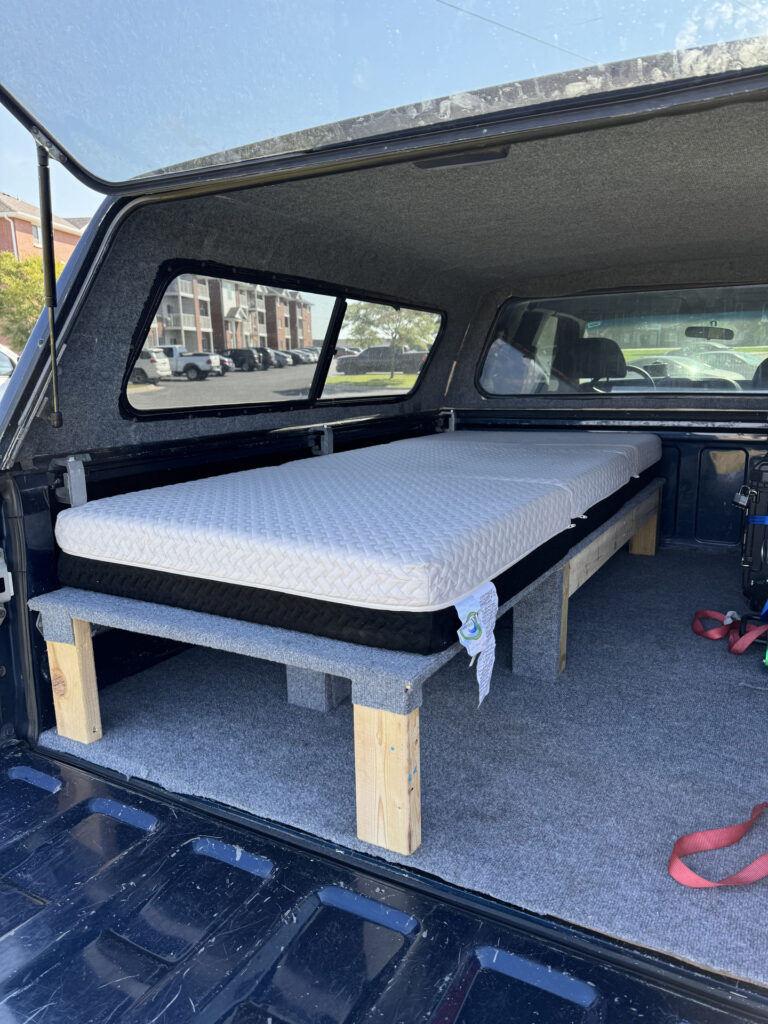
Furthermore, a truck-bed camping system was developed in September, featuring a MaxxFan Deluxe RV roof vent, solar power integration, and a custom memory foam sleeping platform. This shift to a "tow-and-camp" model significantly reduces the fatigue associated with multi-day events, allowing the driver to focus entirely on vehicle telemetry and track performance.
Forensic Analysis and Future Power Optimizations
The winter months of late 2024 and early 2025 were dedicated to diagnostic work and future-proofing. In December, a teardown of the failed VVT motor revealed no catastrophic damage to the head or block, though minor cylinder wall wear was noted. This wear, likely a result of piston-to-wall clearance issues or out-of-round bores, has prompted a more cautious approach to the next engine build.
In January 2025, the owner installed a Skunk2 intake manifold to replace the previous "Squaretop" version. While the Squaretop is a legendary OEM upgrade for the Miata, the Skunk2 manifold is designed to shift the power band higher into the RPM range. Preliminary industry data suggests a gain of 1 to 4 wheel horsepower at the top end. For a vehicle that spends the majority of its life above 5,000 RPM, this marginal gain could provide the necessary edge to stay competitive in SCCA Time Trials.
Communication Systems and Data Integration
The final modification of the year, completed in February 2025, was the installation of a GMRS (General Mobile Radio Service) racing radio system. Utilizing Baofeng UV-5R units and a Nerdy Racing NASCAR-style harness—re-pinned for IMSA compatibility—the system allows for real-time communication between the driver and the pit crew. This integration is vital for Time Trials, where pit-side observers can monitor live timing and relay gap information to the driver, allowing for strategic decisions on whether to push for a "flyer" lap or back off to preserve tires.
Cumulative Impact and Ownership Statistics
Over the course of four years, the NB Miata has evolved from a standard roadster into a precision instrument. The cumulative data from the Garmin Catalyst shows a total of 1,023 laps and 34.6 hours of track driving. The 2024 season alone accounted for 392 laps, demonstrating the vehicle’s high utilization rate.
The transition away from autocross in 2024 reflects a narrowing of focus toward high-speed circuit racing, where the vehicle’s suspension geometry and aerodynamic balance are most effective. As the owner enters the fifth year of ownership, the focus remains on incremental gains, data-driven tuning, and the pursuit of class records. The Miata platform continues to prove its worth as one of the most versatile and resilient chassis in the world of amateur motorsports, providing a sustainable path for drivers to progress from novices to competitive time-attack specialists.