Retno Hari Mulyono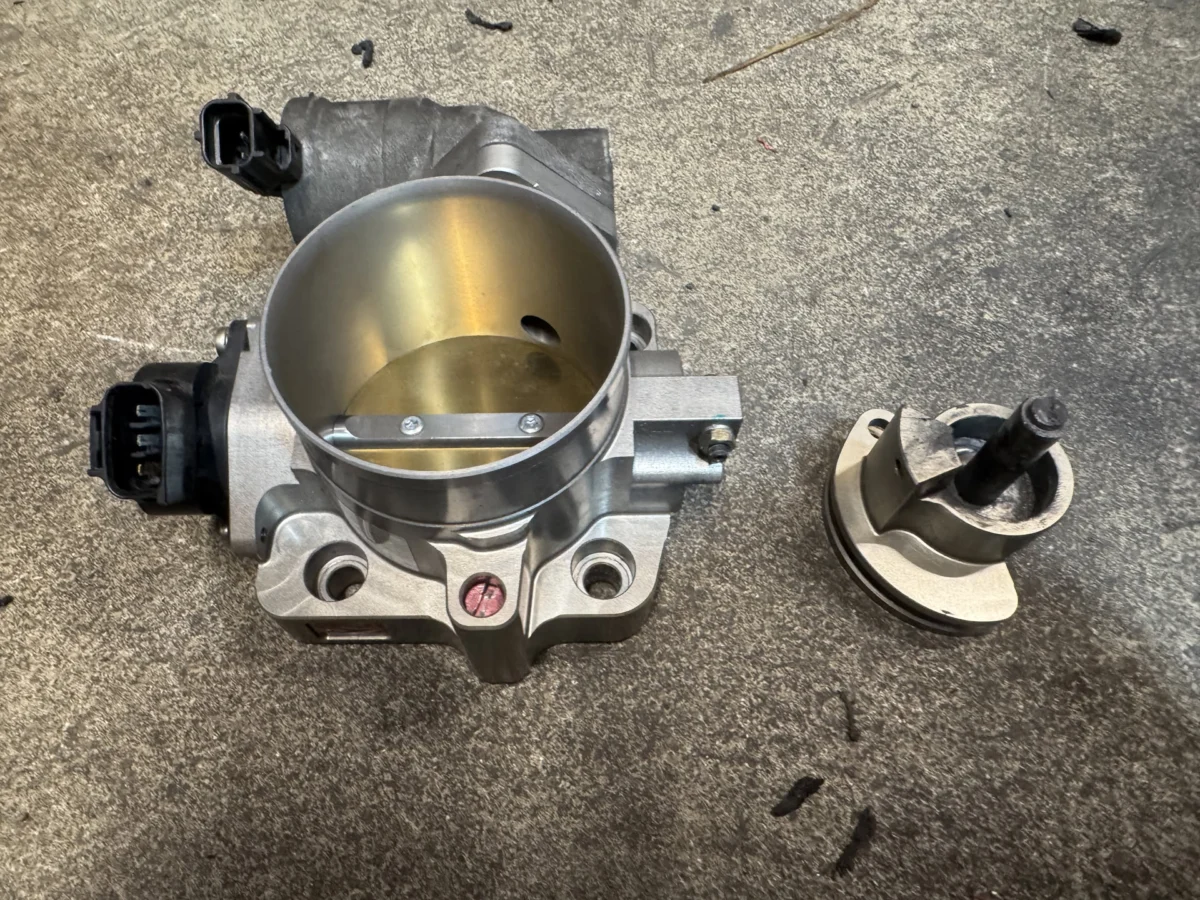
The landscape of aftermarket engine management for the Mazda MX-5 Miata is undergoing a significant technological shift as enthusiasts transition from traditional mechanical linkages to electronic throttle control. For decades, the NA and NB generations of the Mazda Miata have relied upon cable-driven throttle bodies, a system praised for its simplicity but increasingly scrutinized for its mechanical limitations in high-performance environments. Recent developments in the performance tuning sector have highlighted a growing trend toward Drive-By-Wire (DBW) conversions, particularly for users of the Megasquirt MS3 platform. This movement is driven by a need for increased reliability, sophisticated idle management, and the integration of modern safety features that mechanical systems cannot provide.
The Mechanical Limitations of Cable-Driven Systems
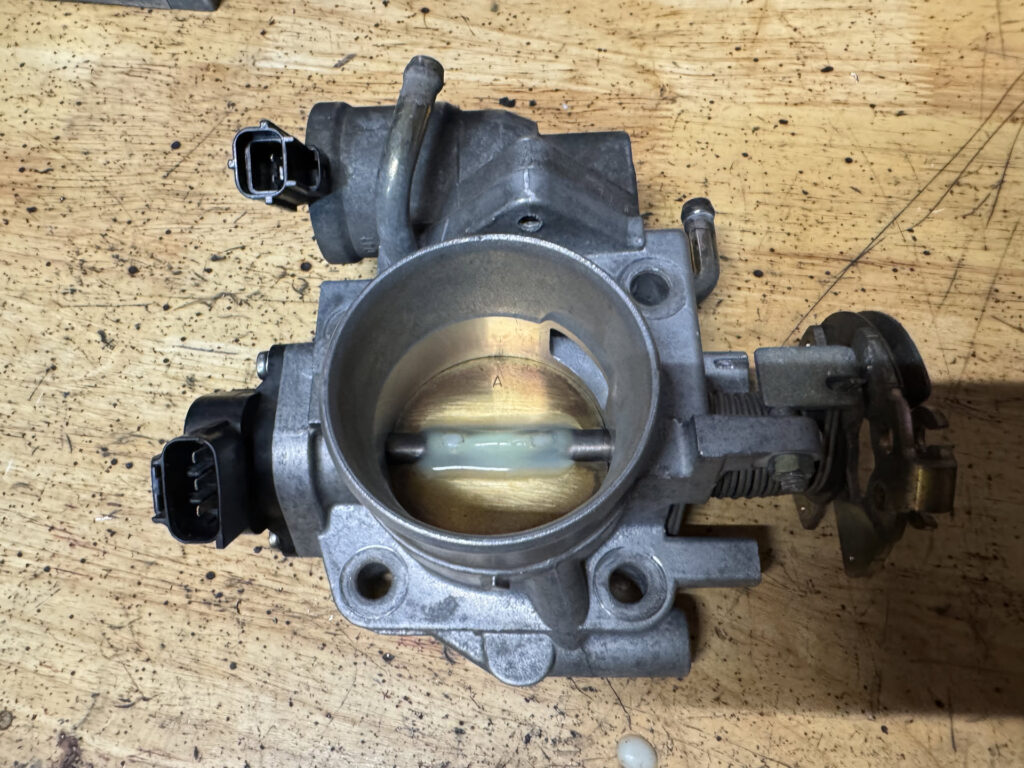
The transition toward electronic throttle control is primarily motivated by the documented failure rates of both stock and aftermarket cable-driven hardware. In track-oriented applications, the NB Miata’s original equipment has shown susceptibility to catastrophic mechanical fatigue. Specifically, the throttle blade screws have a known history of backing out due to engine harmonics and vibration, while the throttle blade shaft itself is prone to snapping under high-stress conditions. Either failure mode can lead to "foreign object damage" (FOD) within the combustion chamber, often resulting in complete engine failure.
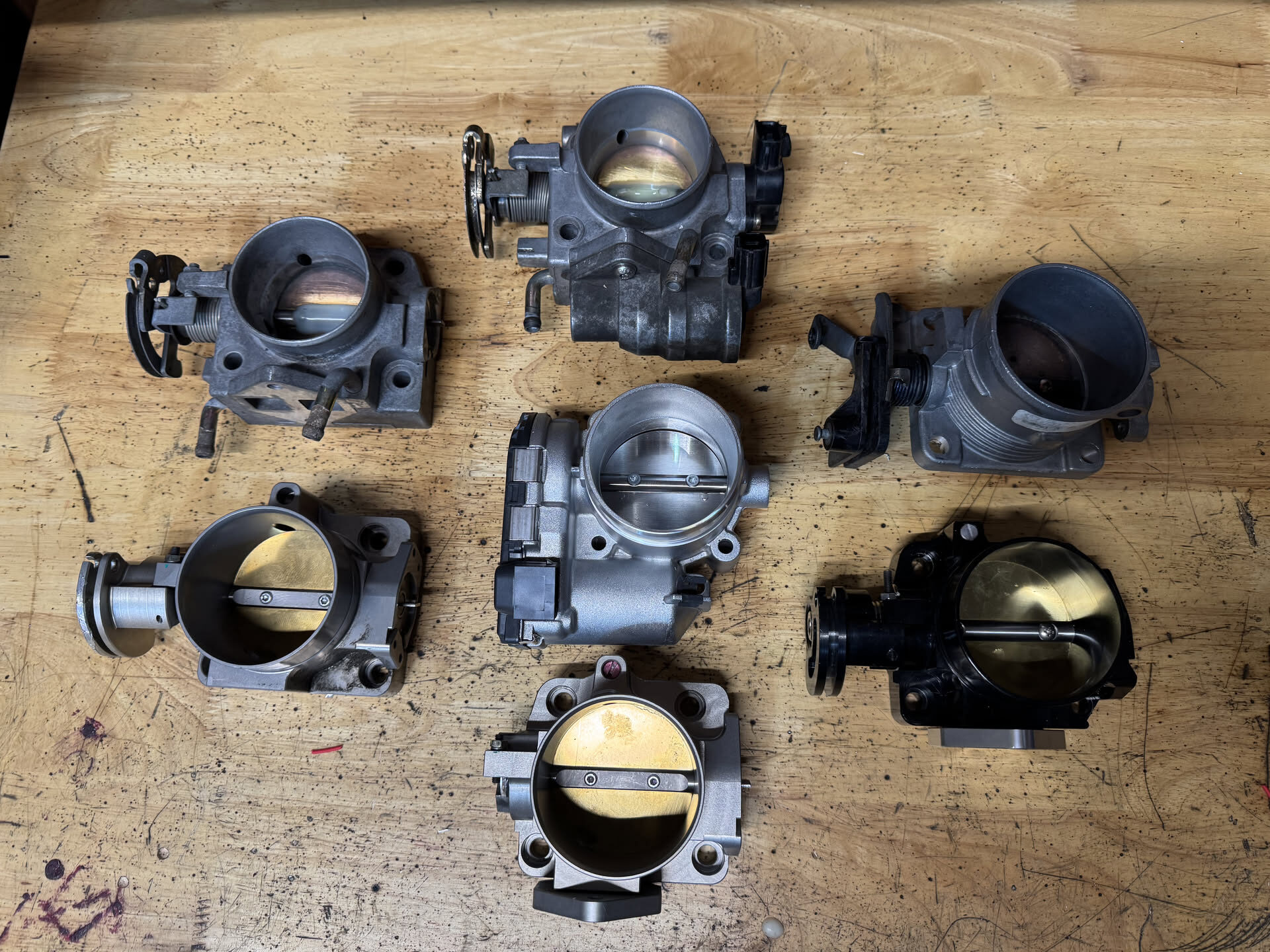
Aftermarket solutions, while designed to provide increased airflow for forced induction or high-compression naturally aspirated builds, have also faced criticism. The Skunk2 throttle body, a popular choice for the BP-series engine, has been labeled by some segments of the racing community as unreliable due to instances of the throttle sticking partially open. This leads to erratic high idles and unpredictable throttle response, which can be hazardous during competitive driving. Furthermore, the lack of off-the-shelf, high-quality alternatives for the Miata platform has left a void that only a shift in architecture can fill.

The Advantages of Drive-By-Wire Integration
On a technical level, the move to a Drive-By-Wire system offers four primary advantages that fundamentally alter the vehicle’s drivability and tuning potential:
- Sophisticated Idle Control: By utilizing the throttle plate itself to manage airflow at idle, the need for a separate, often finicky, Idle Air Control Valve (IACV) is eliminated. This allows for precise, software-defined idle targets.
- Safety and Redundancy: Modern DBW systems utilize dual-channel sensors for both the pedal and the throttle body. If the signals do not match, the system can trigger a "limp mode" or shut down the throttle, providing a safety margin that a physical cable cannot offer.
- Tuning Flexibility: Electronic control allows for non-linear throttle mapping. This means a tuner can soften the throttle response for better modulation at low speeds while maintaining aggressive response at higher RPMs.
- Advanced Performance Features: DBW is the gateway to implementing advanced features such as traction control via throttle modulation, launch control, and seamless "auto-blip" downshifting, which synchronizes engine speed with gear engagement without driver heel-toe input.
The Megasquirt CAN Bus Solution
While modern standalone ECUs like the Haltech Elite or MaxxECU series offer native DBW support, the Megasquirt MS3Pro Evo—a staple in the Miata community—does not include the necessary high-current H-bridge drivers on-board to move a throttle motor directly. To bridge this gap, the community has turned to external controllers that communicate with the Megasquirt via the Controller Area Network (CAN bus).
As of late 2025, several specialized controllers have emerged on the market, each offering varying levels of integration with the TunerStudio software used to calibrate Megasquirt systems.
Comparative Analysis of Available DBW Controllers
The market currently supports five primary controllers, each catering to different budget points and technical requirements:

1. The DBWX2 Controller
Released around 2019, the DBWX2 is positioned as a premium, dual-channel option. Priced at approximately $500, it is the most expensive unit in the segment. Its primary value proposition is the ability to control two independent throttle bodies simultaneously, making it an ideal choice for complex "hot side" supercharger setups or exotic twin-throttle intake manifolds. It features full TunerStudio integration and a waterproof enclosure.
2. LD Performance Controller
Occupying a mid-range price point of $200, the LD Performance unit is a functional but more basic alternative. Its main drawback is the lack of TunerStudio integration, requiring separate software for configuration. Furthermore, the lack of a waterproof housing necessitates an interior-only installation, which may complicate wiring for some builders.

3. SPTronics Controller
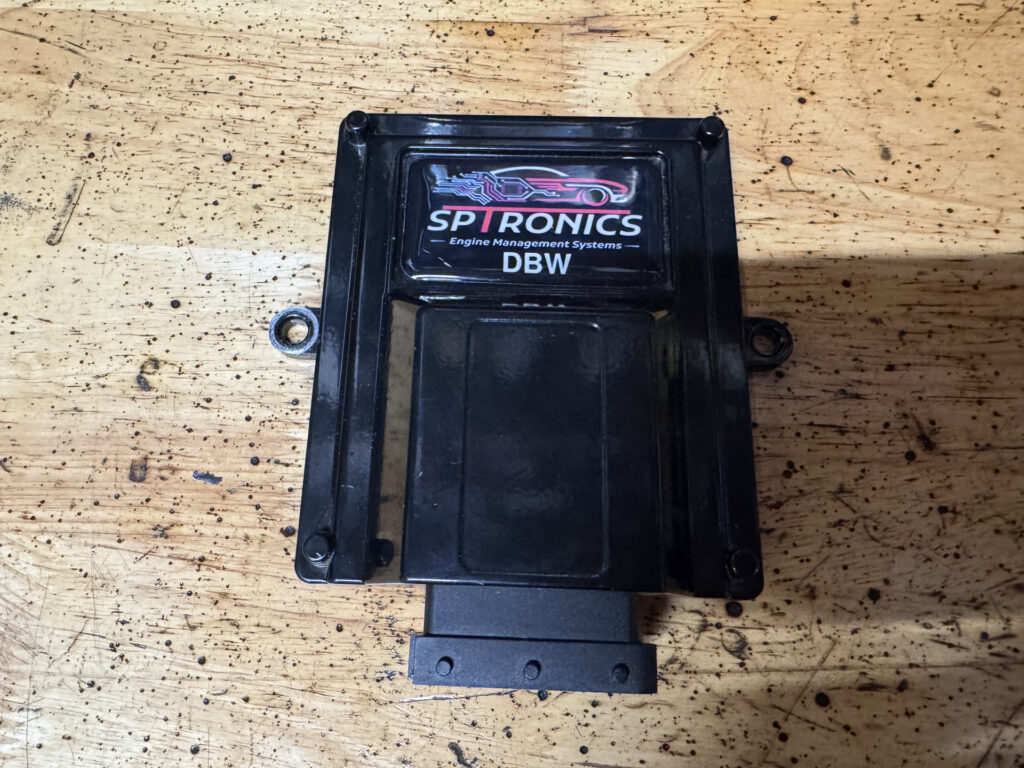
At $150, the SPTronics unit is the most cost-effective entry point for CAN-based DBW. While it supports dual throttle bodies (in specific versions), it offers limited configurability regarding PID settings and lacks a user-configurable CAN bus termination resistor. It is a "set-and-forget" unit that sacrifices granular control for affordability.
4. MS Labs Controller
MS Labs has a long-standing reputation for Miata-specific electronics. Their DBW controller is feature-rich, supporting multiple throttle maps and advanced auto-blip logic. However, its availability is currently restricted in certain markets, including the United States, limiting its adoption among North American enthusiasts.

5. AMP EFI Controller
The newest entry to the market (released October 2025) is the AMP EFI controller. Priced at $300, it strikes a balance between the DBWX2 and the SPTronics units. It offers native TunerStudio integration and unique "standalone" pins, allowing it to report throttle position back to the ECU via traditional analog signals if CAN bus communication is not desired. It also includes dedicated inputs for brake and clutch switches to facilitate auto-blip downshifts.
Hardware Selection and Implementation Chronology
The conversion process for an NB Miata involves a specific selection of hardware designed to replace the mechanical ecosystem. The project’s timeline generally follows a three-stage implementation: component acquisition, mechanical adaptation, and electronic calibration.

The Bosch 60mm Throttle Body
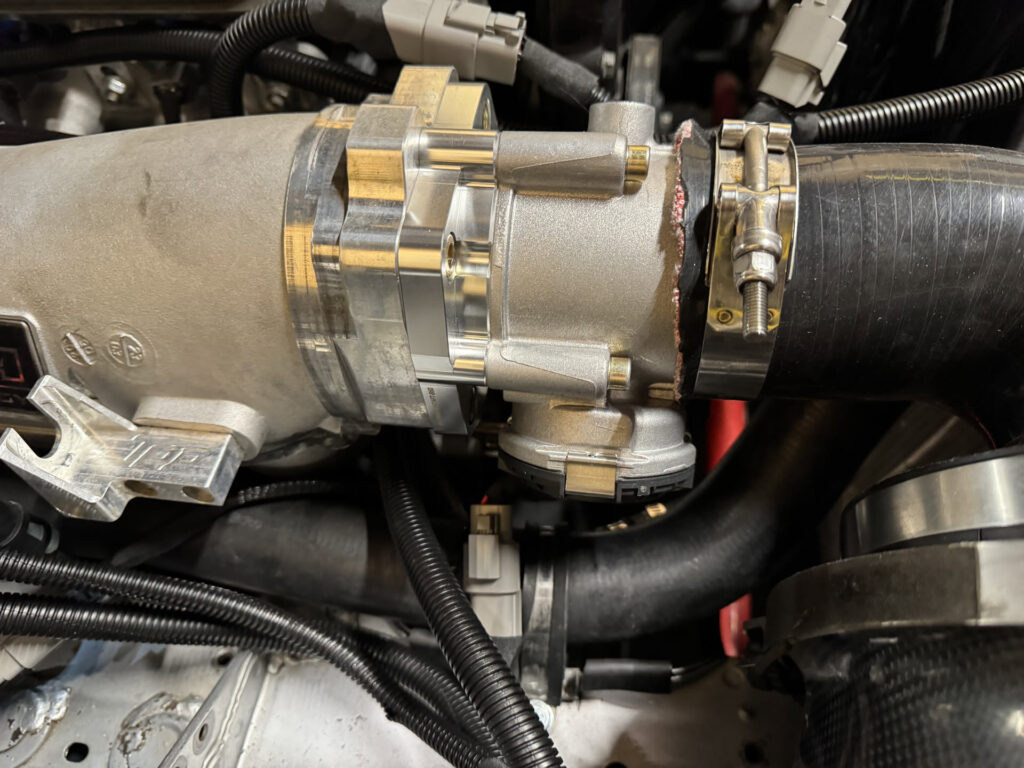
The centerpiece of the conversion is the Bosch Motorsports 60mm electronic throttle body. These units are favored for their OEM-grade reliability and widespread availability, as they are used across various European vehicle platforms. At a price point of approximately $150, they provide a 60mm bore—an upgrade over the stock Miata unit—without the reliability concerns of aftermarket mechanical bodies.
Manifold Adaptation
Because the Bosch bolt pattern differs from the Mazda flange, an adapter is required. Companies such as Outsider Garage and ChathamCNC have developed CNC-machined plates (ranging from $95 to $150) that allow the Bosch unit to bolt directly to the stock NB intake manifold. These adapters ensure a leak-free seal while maintaining the correct orientation for the wiring harness.
The Honda APP Sensor Strategy
A critical hurdle in any DBW conversion is the accelerator pedal. While many enthusiasts attempt to retro-fit a modern electronic pedal from a newer vehicle, this often requires extensive fabrication under the dashboard. A more efficient "engineering hack" involves using a cable-driven Accelerator Pedal Position (APP) sensor from mid-2000s Honda V6 vehicles (such as the Accord).
This sensor is mounted in the engine bay and connected to the original Miata throttle cable. The sensor converts the physical pull of the cable into an electrical signal for the DBW controller. This approach preserves the original pedal feel and allows for the retention of factory cruise control hardware, significantly reducing the complexity of the interior installation.

Project Timeline and Methodology
The impetus for this technical overhaul began during the 2025 racing season, following two successive mechanical failures of aftermarket throttle bodies. The project methodology is structured as a comparative long-term test. The implementation involves installing the Bosch 60mm hardware and then sequentially testing the SPTronics, DBWX2, and AMP EFI controllers.
The evaluation criteria include:

- Response Latency: Measuring the delay between pedal input and throttle blade movement.
- Idle Stability: Assessing the controller’s ability to maintain a steady RPM under varying electrical and air conditioning loads.
- Software Synergy: Evaluating how seamlessly the controller communicates with the Megasquirt MS3Pro Evo via CAN bus.
- Thermal Resilience: Testing the controllers’ performance in high-heat engine bay environments over extended track sessions.
Broader Impact and Industry Implications
The move toward Drive-By-Wire for the Miata platform represents more than just a repair for a broken throttle body; it signifies the "modernization" of the 90s-era sports car. As mechanical parts for these vehicles become scarcer or reach their fatigue limits, electronic solutions from the Bosch and Honda ecosystems provide a sustainable path forward.
Furthermore, this conversion highlights the power of the CAN bus protocol in the aftermarket. By offloading complex tasks like H-bridge motor control to specialized sub-processors, older ECU architectures like the Megasquirt can remain competitive with modern high-end systems. This "modular" approach to engine management allows enthusiasts to add features as needed without replacing their entire wiring harness or base ECU.
The successful documentation of these conversions is expected to set a new standard for NB Miata builds, shifting the "gold standard" from the 64mm mechanical throttle body to the 60mm Bosch electronic unit. As the performance community continues to prioritize reliability alongside power, the death of the throttle cable appears increasingly inevitable. Subsequent technical reports will detail the specific PID tuning required for each controller to achieve a factory-level driving experience.