Arya Paningal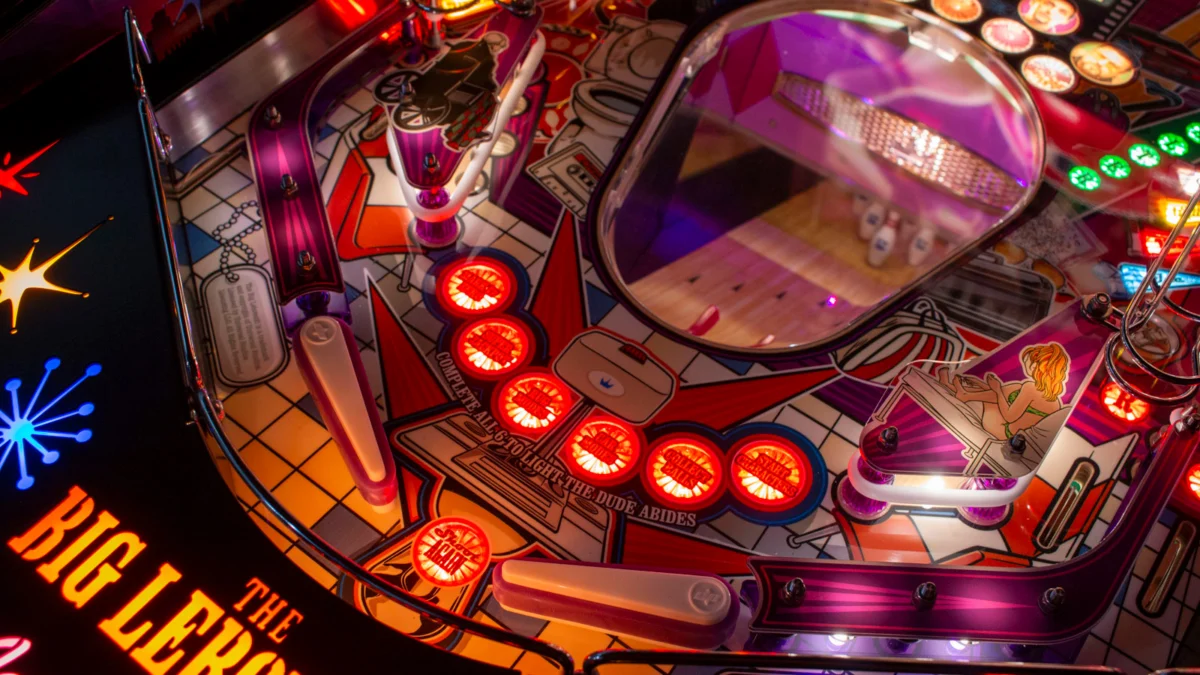
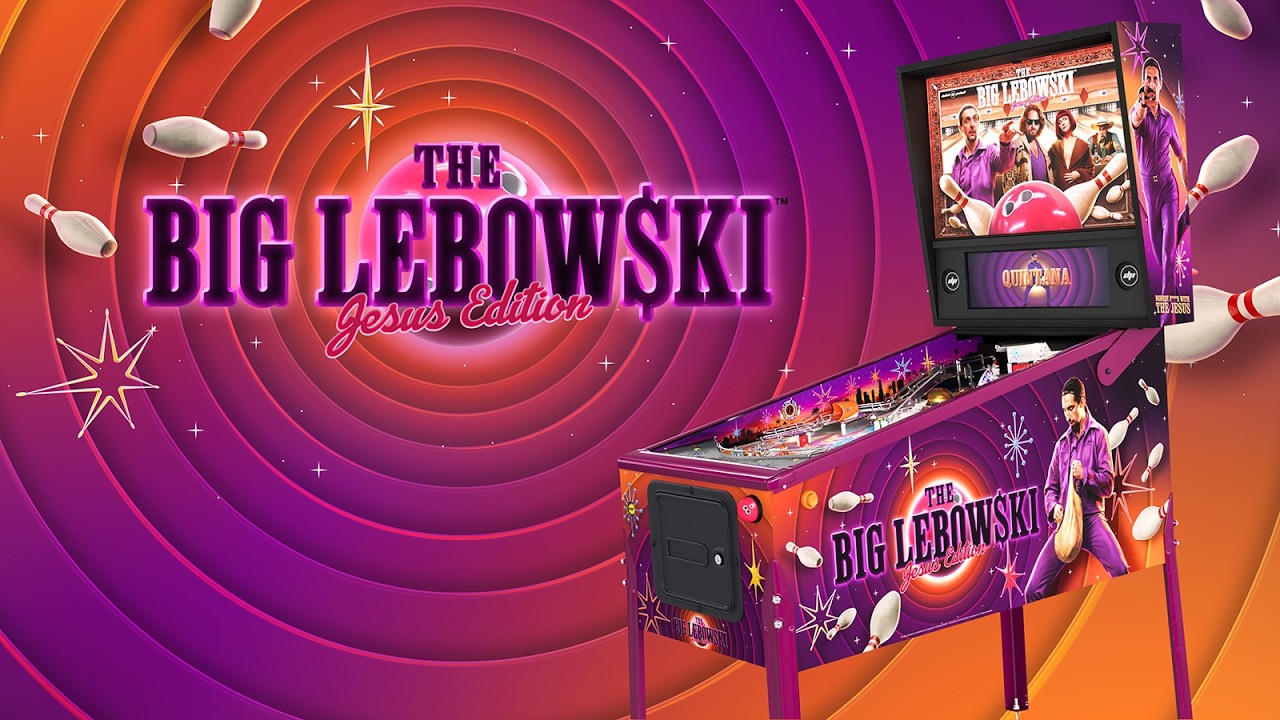
Twelve years after the initial announcement of their flagship title, Dutch Pinball has signaled a major milestone in the company’s history with the unveiling of The Big Lebowski: Jesus Edition. This new, highly exclusive model is strictly limited to 300 units worldwide, a number chosen with deliberate symbolism to mirror the "perfect game" of bowling—an homage to the character Jesus Quintana, portrayed by John Turturro in the 1998 cult classic film.
The announcement, made on August 10, 2026, from the company’s headquarters in Herkenbosch, the Netherlands, serves as both a celebration of the game’s enduring popularity and a declaration of the manufacturer’s renewed operational strength.
A Chronology of a Cult Classic
The journey of the Dutch Pinball Big Lebowski project is one of the most storied in the modern pinball industry. When the machine was first conceived over a decade ago, it generated immense anticipation for its innovative approach to theme integration, most notably its miniature Brunswick bowling alley mechanism.
The development cycle was marked by significant challenges, including the complexities of securing and maintaining high-level licensing from Universal Pictures, navigating the volatility of global supply chains, and the technical hurdles of producing a machine with such a dense, multi-layered rule set. By surviving these early hurdles and successfully bringing the game to market, Dutch Pinball cemented its reputation as a resilient player in a niche, high-end market.
The launch of the Jesus Edition represents the maturity of this platform. It transitions from a project that once struggled with production timelines to a stable product line supported by a robust manufacturing infrastructure.

Design Specifications and Exclusive Enhancements
The Jesus Edition is not merely a cosmetic refresh; it is a comprehensive reimagining of the original machine’s aesthetics and software. The design philosophy centers on the distinctive color palette of the character Jesus Quintana, utilizing deep, regal purples as an accent across the cabinet’s metalwork, legs, and internal features.
The hardware upgrades are extensive. Each of the 300 units features entirely new cabinet, backbox, and playfield artwork, finished with high-gloss decals. The physical play experience is enhanced by the inclusion of anti-reflective playfield glass, a premium standard in modern collector machines. Further, the game includes a custom-sculpted bowling alley front, an illuminated bottom apron, and bespoke inner cabinet art blades that immerse the player in the film’s iconic atmosphere.
Beyond the physical modifications, the software has undergone a significant overhaul. Owners can expect new, exclusive voice callouts, refreshed gameplay mechanics, and updated display assets. Perhaps most significantly for the competitive community, the software will now feature integration with the Scorbit platform. This connectivity allows for real-time score tracking, online leaderboards, and achievement logging, aligning the machine with the modern standard for competitive pinball.

The Business of Pinball: Scaling for the Future
The announcement of the Jesus Edition also sheds light on the internal growth of Dutch Pinball. According to official statements, the company has successfully onboarded new investment partners, which has provided the capital necessary to expand their footprint.
The most visible result of this investment is the commissioning of a second, fully operational production facility. By doubling their floor space, Dutch Pinball has significantly increased its manufacturing capacity. This move is strategic, as it not only facilitates the production of these 300 premium units but also clears the bottleneck for future intellectual property developments.
Barry Driessen, the founder of Dutch Pinball, has framed this release as the bridge to the company’s next era. "For years we’ve wanted to create one ultimate collector’s edition dedicated to The Jesus," Driessen stated. "With only 300 machines worldwide, we wanted this to become the most exclusive version of The Big Lebowski Pinball ever produced. At the same time, it marks the beginning of an exciting new chapter for Dutch Pinball."

Market Positioning and Pricing
The pricing strategy for the Jesus Edition reflects its positioning as a premium, low-volume collectible. The machine is priced at €15,995 (including tax) in the European market and $14,995 (plus tax) in the United States. This represents a significant premium over the standard model, which continues to retail for approximately $13,850.
The inclusion of an individually numbered Certificate of Authenticity and an official "Big Lebowski" rug further emphasizes the collector-focused nature of the release. For the secondary market, this creates a distinct tiering system, where the Jesus Edition will likely command a higher valuation due to its scarcity and unique aesthetic identifiers.
Broader Industry Implications
The success of such a specialized edition highlights a broader trend in the pinball manufacturing industry: the shift toward high-margin, low-volume limited runs. As manufacturing costs for complex mechanical devices rise, companies like Dutch Pinball have found that collectors are willing to pay a premium for exclusivity, enhanced materials, and deeper software integration.

Furthermore, the integration of Scorbit suggests that the "connected" pinball experience is no longer a luxury but a requirement for high-end titles. As the hobby shifts toward a more social and data-driven model, the ability to track performance on a global scale is becoming a primary selling point for both casual players and competitive enthusiasts.
Anticipation for the "Final Surprise"
While the list of features is comprehensive, Dutch Pinball has teased one additional, undisclosed "surprise" for the Jesus Edition. The company has opted to withhold details on this final element until closer to the commencement of production, which is scheduled for September 2026.
This marketing strategy—releasing information in phases while holding back a "mystery" feature—is designed to maintain interest throughout the pre-order cycle. It also suggests that the final assembly process may involve custom components or software elements that are still undergoing final testing or licensing approvals.

Impact on the Community and Future Outlook
For the existing community of Big Lebowski owners, the news is largely positive. The commitment to a software update that will apply to both the new Jesus Edition and existing machines ensures that the entire user base benefits from the R&D invested in this latest release. The addition of new callouts and bonus display assets will effectively breathe new life into machines that have been on location or in homes for years.
The combination of new facilities, new financial backing, and a clear product roadmap suggests that Dutch Pinball is positioning itself to be a long-term competitor in the global market. After the turbulent years of the early 2010s, the company has emerged with a refined business model that balances the artistic requirements of licensed pinball with the industrial realities of modern manufacturing.
As the industry looks toward the late 2026 production date, all eyes will be on the Herkenbosch factory. With 300 units representing a finite supply, the swiftness of the reservation process will serve as a bellwether for the health of the high-end pinball market.

For those interested in securing one of the 300 units, reservations are currently being managed through authorized distributors and the official Dutch Pinball website. As the company transitions into this next chapter, the Jesus Edition stands as a testament to the brand’s persistence and its commitment to the dedicated fanbase that has supported the project since its inception twelve years ago.