Indra Gunadi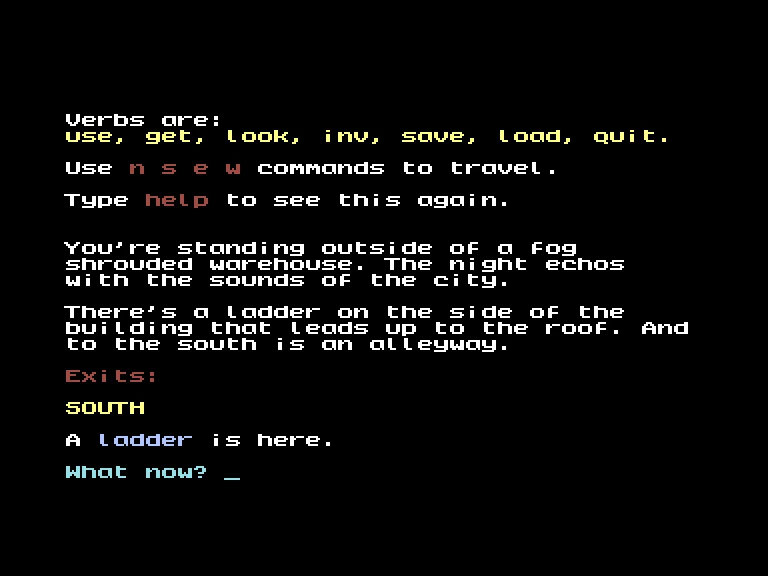
A New Chapter for the Commodore Plus/4 Ecosystem
The release of Iowa Jack And The Crystals Of Chaos arrives during a period of sustained activity within the retro-computing community. While the Commodore 64 often dominates the spotlight due to its massive install base and commercial success during the 1980s, the Plus/4 has cultivated a dedicated niche of developers and collectors. Ricky Derocher’s latest contribution underscores the technical viability of these machines four decades after their initial market debut.
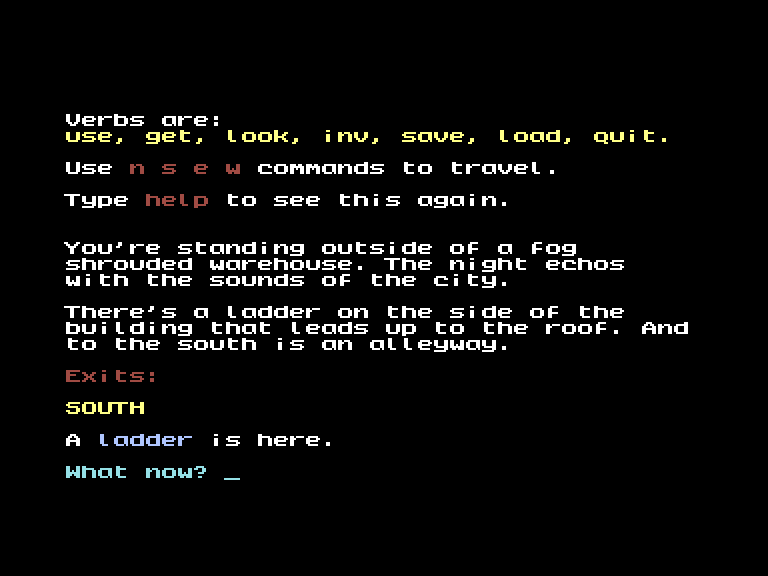
The game is categorized as a text-based adventure, a genre that served as a cornerstone of early home computing. By utilizing a two-word command interface—a standard convention for titles of that era—Derocher aims to balance complexity with ease of use. This design choice is particularly noteworthy in the context of the "death-free" gameplay mechanic, which removes the punitive trial-and-error cycles often associated with classic adventure games like those produced by Infocom or Level 9.
Technical Context and Hardware Specifications
To understand the significance of this release, one must consider the hardware environment of the Commodore Plus/4. Released in 1984, the machine was marketed as a productivity-oriented computer, featuring a built-in "3-Plus-1" software suite (word processor, spreadsheet, file manager, and graphing). However, its gaming potential was often overlooked due to its limited sound and sprite capabilities compared to the C64.
The Plus/4 is powered by the TED (Text Editing Device) chip, which manages video and sound. With a processor speed of 1.76 MHz and 64 KB of RAM, developers are forced to optimize code efficiently to deliver engaging experiences. Iowa Jack And The Crystals Of Chaos leverages these constraints, focusing on narrative depth and logical puzzle progression rather than graphical intensity. This approach aligns with modern "homebrew" development trends, where programmers prioritize original intellectual property and gameplay mechanics over high-fidelity visuals.
Chronology of Retro-Computing Revivals
The emergence of new software for 1980s hardware is not an isolated event but part of a broader trend of digital preservation and creative output. The following timeline outlines the evolution of this movement:
- 2010–2015: Early efforts to revive the Plus/4 focused primarily on porting existing titles or minor utility software to maintain system functionality.
- 2016–2020: The rise of specialized development tools, such as cross-compilers and enhanced BASIC interpreters, allowed developers to create more complex software on modern PCs for export to 8-bit formats.
- 2021–2025: A surge in community-funded hardware projects, including flash-cartridge replacements and modern storage interfaces (SD2IEC), made it easier for users to load new software like Derocher’s title without relying on aging magnetic tape or floppy disk media.
- 2026: The release of Iowa Jack And The Crystals Of Chaos marks a maturation point where narrative-driven, standalone titles are becoming more frequent, moving beyond simple tech demos or technical exercises.
Analyzing the "Death-Free" Design Philosophy
One of the most distinct features of the new release is its "death-free" status. In the history of text adventures, the "instant death" trope—where a player makes one incorrect choice and must restart the game from the beginning—was a frequent source of frustration.
From an analytical perspective, this design choice reflects a shift in modern game design theory. Developers are increasingly moving away from punitive difficulty to encourage exploration. By removing the threat of progress loss, Derocher invites players to focus on the narrative of the tomb raider—the game’s central character—and the puzzles inherent in the search for the Crystals of Chaos. This design philosophy is expected to lower the barrier to entry, potentially attracting a younger demographic or individuals who previously found text adventures too cryptic or unforgiving.
Market Impact and Community Reception
The release has been received positively within the Commodore Plus/4 community. Digital platforms that host public domain (PD) software and homebrew releases report a steady increase in downloads for titles that bridge the gap between retro-aesthetics and modern user experience (UX) standards.
Supporting data from retro-computing forums indicates that while the total volume of software released for the Plus/4 is significantly lower than for the C64, the "per-title engagement" is remarkably high. Users are not merely downloading these files; they are providing feedback, contributing to wikis, and testing the software on original hardware versus emulation software like YAPE (Yet Another Plus/4 Emulator). This symbiotic relationship between creator and community is essential for the continued viability of the platform.
Broader Implications for Digital Archiving
The creation of new software for obsolete hardware acts as a form of "living archiving." Every time a developer like Ricky Derocher writes code for the Plus/4, they must interact with the original machine architecture, ensuring that the hardware remains relevant. This process often results in the discovery of new ways to manipulate the TED chip or optimize memory management, techniques which are then documented and shared.
Furthermore, the game serves as a testament to the longevity of the software medium. Unlike modern titles that often rely on external servers and high-speed internet connectivity, Iowa Jack And The Crystals Of Chaos is entirely self-contained. Once the binary is loaded onto the machine, the game exists independently of external infrastructure, a stark contrast to the service-based gaming models currently dominating the mainstream industry.
Future Outlook for 8-Bit Development
As we look toward the remainder of 2026 and into 2027, the success of titles like Iowa Jack And The Crystals Of Chaos suggests that the "retro" label is no longer synonymous with "stagnant." The community is increasingly moving toward:
- Cross-Platform Portability: Writing code that can be easily adapted between the C64, Plus/4, and other 8-bit systems.
- Narrative Complexity: Moving away from simple fetch-quests toward more immersive, character-driven storytelling.
- Physical Media Preservation: Encouraging the production of physical copies, such as manuals and cassettes, to provide a tangible experience for collectors.
The release of this title confirms that the Commodore Plus/4 has transitioned from a discarded piece of 1980s office technology into a legitimate canvas for contemporary digital art. The absence of "game over" screens and the focus on intuitive, two-word command structures ensure that the legacy of the text adventure remains accessible to new generations, effectively decoupling the genre from the limitations of the era in which it was born.
In conclusion, Iowa Jack And The Crystals Of Chaos represents a successful synthesis of historical appreciation and modern accessibility. By prioritizing player experience while respecting the technical limitations of the Commodore Plus/4, Ricky Derocher has provided a valuable addition to the library of this long-lived platform. As the retro-computing scene continues to evolve, such releases will likely remain the primary drivers of community growth, ensuring that the hardware of the past remains a vital component of the gaming landscape for years to come.