Hartono Sudibyo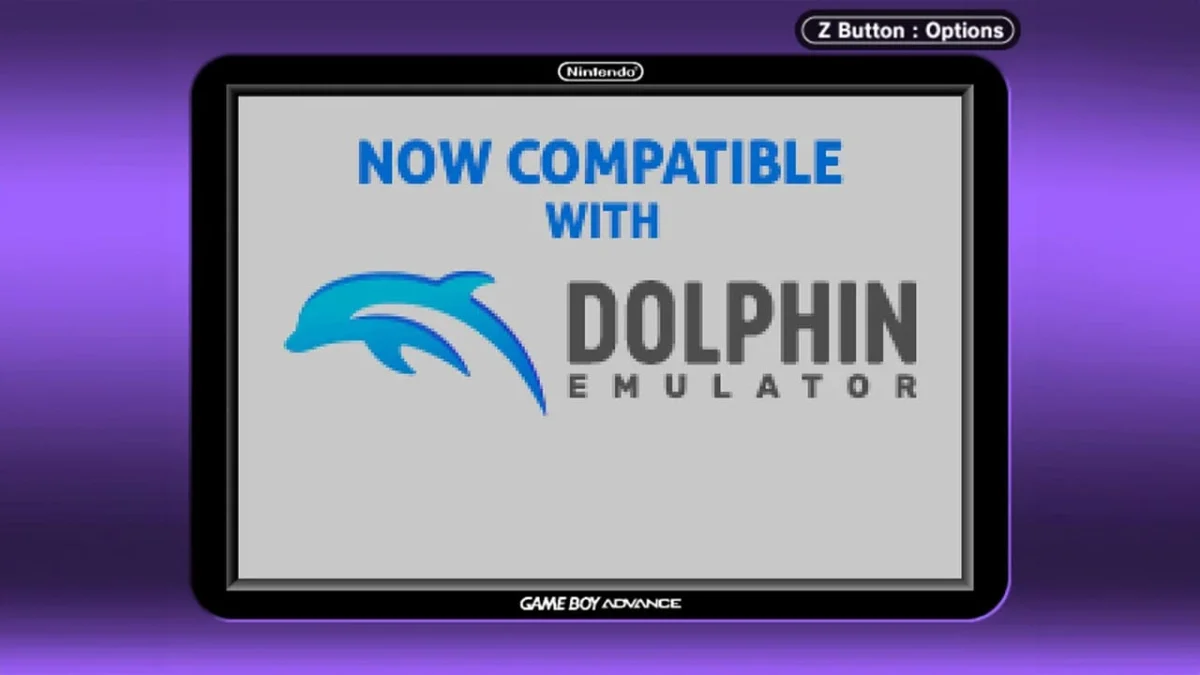
The landscape of retro game emulation has taken a significant leap forward with the recent announcement from the Dolphin emulator development team. In a move that has captivated the retro gaming community, Dolphin can now natively emulate the functionality of the Game Boy Player accessory for the Nintendo GameCube. This groundbreaking achievement effectively allows users to play Game Boy, Game Boy Color, and Game Boy Advance titles not just on a GameCube, but within the Dolphin emulator itself, creating a nested emulation experience often described as "gaming inception."
A Deep Dive into the Game Boy Player and its Emulation
The Game Boy Player, a peripheral released for the Nintendo GameCube in 2003, was a unique accessory that bridged the gap between handheld and home console gaming. It attached to the underside of the GameCube console and featured a cartridge slot, allowing users to insert their Game Boy, Game Boy Color, or Game Boy Advance cartridges. Once inserted, the Game Boy Player would output the game’s video and audio signals through the GameCube, enabling players to enjoy their favorite handheld titles on a television screen. This provided a significantly larger and more immersive visual experience compared to the original handheld devices.
The concept of "emulation within an emulator" is a testament to the sophistication and dedication of the Dolphin development team. Dolphin itself is a highly regarded emulator for the Nintendo GameCube and Wii, known for its accuracy and performance. The addition of Game Boy Player emulation means that users who may not have access to the original hardware, or who prefer the convenience of a single emulation platform, can now experience these classic Game Boy titles through the GameCube’s unique interface.
The Genesis of the Emulation Breakthrough
The announcement, initially shared on social media platforms and subsequently confirmed through developer channels, has generated considerable excitement. A tweet from user @StormslayerDev on April 1, 2026, highlighted the development, stating, "The Dolphin emulator can now emulate the Gameboy player which allowed you to play Gameboy Color, and GBA games directly on your TV from the gamecube console. They put an emulator in your emulator, this is not a joke." This post, despite its proximity to April Fools’ Day, has been validated by community members and official developer resources.
The journey to this point has undoubtedly involved extensive research and development. Emulating hardware accurately is a complex undertaking, and replicating the specific functionality of an accessory like the Game Boy Player, which itself relies on emulating the Game Boy hardware, adds another layer of difficulty. Developers would have needed to meticulously analyze the original Game Boy Player’s boot process, its communication protocols with the GameCube, and the precise behavior of the Game Boy hardware it hosts.

Community Validation and the April Fools’ Day Conundrum
The timing of the announcement, coinciding with April 1st, understandably raised a degree of skepticism within the gaming community. This date is notorious for hoaxes and elaborate jokes, leading many to initially doubt the legitimacy of the news. However, the dedicated users of the Dolphin emulator community were quick to verify the claim. Discussions and confirmations emerged on the Dolphin Reddit page and through the official Dolphin GitHub repository, specifically referencing the pull request that integrated the Game Boy Player emulation.
For instance, a post on the r/DolphinEmulator subreddit titled "Dolphin Emulator Now Supports Game Boy Player?" garnered significant attention and provided a platform for users to share their findings and excitement. The official GitHub page for Dolphin also lists the pull request that implemented this feature, providing concrete evidence of the development. This transparent approach by the developers, combined with community validation, has firmly established the authenticity of the breakthrough.
Technical Nuances and Implementation
While the specifics of the implementation are detailed in the Dolphin emulator’s codebase, the core achievement lies in Dolphin’s ability to simulate the GameCube’s interaction with the Game Boy Player. This involves:
- Simulating the Game Boy Player Hardware: Dolphin must accurately represent the Game Boy Player’s internal components and its connection interface with the GameCube.
- Interception of GameCube I/O: The emulator needs to intercept the GameCube’s requests to the Game Boy Player, such as cartridge insertion and data transfer.
- Integrated Game Boy Emulation: Dolphin, or a closely integrated component, must then emulate the Game Boy hardware itself, running the Game Boy, GBC, or GBA ROMs.
- Video and Audio Output: The emulated output from the Game Boy emulation needs to be rendered and presented through the GameCube’s emulated video and audio pipeline, as if it were being displayed on a television via the original Game Boy Player.
This nested approach is a remarkable feat of software engineering, requiring a deep understanding of both the GameCube and Game Boy architectures.
Historical Context and the Evolution of Emulation
The development of Dolphin itself has a long and storied history, beginning in 2003. Over the years, it has evolved from a rudimentary emulator to one of the most accurate and feature-rich platforms for the GameCube and Wii. The ability to emulate accessories and peripherals demonstrates a commitment to preserving the complete gaming experience of these consoles.
The Game Boy Player was not the only accessory that enhanced the GameCube’s versatility. The console also supported a range of other peripherals, including the GameCube-to-Game Boy Advance cable, which allowed for data transfer and unique gameplay interactions between GameCube titles and GBA games. While the Game Boy Player offered a distinct "big screen" experience, the cable facilitated a different kind of interconnectedness. The current advancement with Dolphin primarily focuses on the former, but it highlights the ongoing efforts to bring the full breadth of the GameCube’s ecosystem into the realm of emulation.

In 2025, a notable exploration of rare Nintendo hardware, including the Game Boy Player for the Panasonic Q (a Japan-exclusive variant of the GameCube), was documented. This underscores the enduring fascination with these unique pieces of gaming history and the challenges of preserving them. The current emulation breakthrough democratizes access to the Game Boy Player experience, making it available to a much wider audience without the need for scarce and often expensive original hardware.
Broader Implications for Retro Gaming
The implications of Dolphin’s Game Boy Player emulation are significant for several reasons:
- Preservation: It ensures that the unique experience of playing Game Boy titles through the GameCube is preserved for future generations, even as original hardware ages and becomes less accessible.
- Accessibility: Players can now enjoy these experiences on modern hardware without the need to acquire a GameCube, a Game Boy Player, and the corresponding cables, which can be costly and difficult to find in good working condition.
- Enhanced Experience: For those who do own the original hardware, Dolphin can offer enhancements such as higher resolutions, improved frame rates, save states, and netplay, which were not possible with the original Game Boy Player.
- Community Engagement: This development is likely to spur further interest and activity within the Dolphin emulator community, potentially leading to new features, optimizations, and even the emulation of other GameCube peripherals in the future.
The ability to play Game Boy Advance games, in particular, on a larger screen through the GameCube’s interface was a significant draw for many users. Titles like The Legend of Zelda: The Minish Cap, Metroid Fusion, and Pokémon Ruby/Sapphire/Emerald offered a rich experience that was further elevated by the Game Boy Player. Dolphin’s emulation now brings this enhanced experience to a broader audience.
The Future of Nested Emulation
The success of this "emulator within an emulator" approach could pave the way for further ambitious emulation projects. As emulation technology matures, developers may explore integrating other console accessories or even entire secondary systems within a primary emulation environment. This could unlock new ways to experience classic gaming ecosystems and preserve their multifaceted nature.
The developers’ decision to release this feature, despite the April Fools’ Day timing, speaks to their confidence in its stability and their eagerness to share it with the community. The community’s swift validation further solidifies its importance. For enthusiasts of the GameCube and Game Boy eras, this development represents a significant and welcome addition to the world of retro game emulation, offering a novel and deeply nostalgic way to revisit beloved titles.
To experience this new feature, users are encouraged to visit the official Dolphin Emulator website to download the latest version of the software. This allows them to explore the expanded capabilities and enjoy the unique gaming fusion that Dolphin has so expertly crafted.