Hartono Sudibyo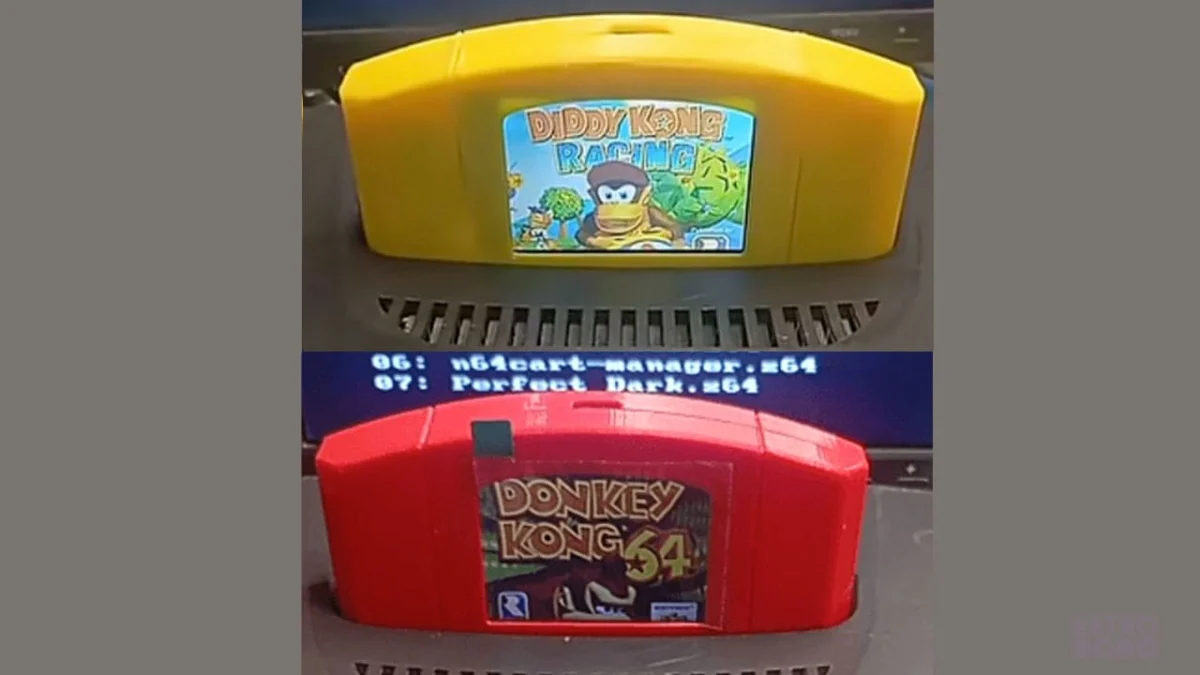
The world of retro gaming hardware has seen a significant evolution, with enthusiasts constantly seeking ways to enhance the authenticity and functionality of classic consoles. A recent development, the "Screendrive 64," has captured the attention of the retro gaming community. This innovative flashcartridge, designed for the Nintendo 64, boasts an integrated screen that displays the artwork of the game currently loaded, a feature that addresses a long-standing desire among collectors and players for a more visually immersive experience. Developed by independent modder David Brito, known online as DavidXGamesMX, the Screendrive 64 represents a sophisticated fusion of modern technology and retro gaming passion.
Genesis of the Screendrive 64: Bridging the Gap Between Digital and Physical
The inspiration behind the Screendrive 64 appears to stem from a common sentiment within the retro gaming community: the desire for physical cartridges to reflect the diverse and often elaborate artwork associated with their digital counterparts. While modern flashcartridges offer unparalleled convenience, allowing players to load vast libraries of games onto a single device, they often lack the tactile and visual cues that defined the original console experience. The ability to glance at a cartridge and instantly recognize the game by its cover art is a nostalgic element that many miss.
Sebastian Santabarbara, writing for Retro Dodo, highlighted this sentiment, noting the contrast between the functionality of devices like the Analogue Pocket, which plays ROM hacks and alternative game experiences, and the desire for greater authenticity. The Screendrive 64 directly addresses this gap, transforming the utilitarian flashcartridge into a display device that mimics the experience of browsing a physical game collection.
The Innovator: David Brito’s Modding Prowess
David Brito, the creator of the Screendrive 64, is not new to the realm of console modification. His portfolio includes a range of impressive projects that demonstrate a deep understanding of retro hardware and a commitment to pushing its boundaries. Among his notable works are:
- USB-C Powered N64 Consoles: Brito has successfully adapted the Nintendo 64 to accept power via USB-C, a modern standard that offers greater convenience and compatibility with contemporary power solutions.
- HDMI Modifications: Enhancing the visual output of retro consoles is a crucial aspect of modern retro gaming. Brito’s expertise in HDMI modding ensures that classic games can be enjoyed on high-definition displays with improved clarity.
- Advanced Controller Solutions: Recognizing the importance of input devices in the gaming experience, Brito has developed improved controller solutions for retro consoles, addressing issues of wear and tear and enhancing ergonomics.
- Integrated Display for Xbox 360: Perhaps one of his most ambitious projects, Brito previously created a built-in screen for an Xbox 360 console. This project showcased his ability to integrate displays into existing hardware in novel and impressive ways, foreshadowing the capabilities of the Screendrive 64.
Brito’s extensive experience in modifying and enhancing retro gaming hardware has provided him with the technical acumen and creative vision necessary to bring the Screendrive 64 to fruition.

Technical Architecture and Functionality
The Screendrive 64 is built upon a sophisticated combination of hardware components, enabling its unique display capabilities. According to information shared on the ReCollect 64 blog, the flashcartridge integrates:
- 128MB FPGA (Field-Programmable Gate Array): An FPGA is a semiconductor device containing programmable logic blocks that can be configured to perform a wide range of digital functions. In the context of the Screendrive 64, the FPGA likely plays a crucial role in managing the game data, controlling the display, and facilitating communication between the various components. This allows for a highly customizable and efficient hardware implementation.
- Hardware-Compatible PicoCart: A PicoCart is a type of cartridge adapter or storage solution often used in retro gaming, particularly for systems like the Nintendo 64. By using a hardware-compatible PicoCart, Brito ensures that the flashcartridge can interface seamlessly with the N64’s cartridge slot, allowing it to load and execute game ROMs.
- 3D-Printed Shell: The custom housing for the Screendrive 64 is 3D printed. This method allows for precise tailoring of the enclosure to accommodate all internal components, including the screen, without compromising the structural integrity or aesthetic appeal of the cartridge. The 3D printing process also offers flexibility for future design iterations and potential customization options for users.
- Integrated Screen: The defining feature of the Screendrive 64 is its integrated display. This screen is strategically placed within the cartridge shell to be visible when the cartridge is inserted into the console or when handled externally. It dynamically displays the artwork associated with the currently loaded game ROM.
The synergy of these components allows the Screendrive 64 to function as both a high-capacity flashcartridge and a visual index for a user’s game library.
The User Experience: A Glimpse into Nostalgia
The demonstration of the Screendrive 64 in action, as shared by Pixel Cherry Ninja on X (formerly Twitter), provides a compelling visual of its functionality. The ability to cycle through game art, replicating the experience of flipping through a physical collection, is a significant draw. This feature taps into the aesthetic appreciation many gamers have for the artwork that adorned their childhood game collections.
The visual experience is further enhanced by the dynamic nature of the display. As the user switches between game ROMs, the screen updates to present the corresponding cover art, creating a fluid and interactive presentation. This transforms the often-impersonal act of loading a game from a flashcart into a more engaging and visually rich experience.
Challenges and Potential for Improvement
While the Screendrive 64 is an impressive feat of engineering, there are areas identified for potential enhancement. As noted by Santabarbara and echoed by other publications, a minor drawback is the screen’s aspect ratio relative to the game art. In some instances, a small portion of the artwork, such as the "Rare" logo on the Diddy Kong Racing example, is slightly cut off at the bottom.
This suggests that while the screen is integrated, its dimensions might not perfectly align with the standard aspect ratios of N64 game cover art. Resolving this discrepancy to ensure the full artwork is displayed as intended would undoubtedly elevate the Screendrive 64 to near perfection. The pursuit of such refinements is a testament to the iterative nature of hardware development and the dedication of creators like Brito to achieving optimal user experience.

Despite this minor issue, the novelty and functionality of the Screendrive 64 make it a highly desirable item for retro gaming enthusiasts. The "cool gimmick" factor is undeniable, and it serves as a compelling conversation piece and a functional enhancement to the N64 experience.
Availability and Pricing
The Screendrive 64 is available directly from David Brito, with a price point of Mex$ 1200. This translates to approximately £50 for users in the United Kingdom and $67 for those in the United States, reflecting a competitive price for a unique, custom-built piece of retro gaming hardware.
Historically, Brito has offered these custom cartridges through platforms like Facebook, indicating a direct sales model that fosters a close connection with his customer base. Interested parties are encouraged to monitor his social media channels, particularly his YouTube presence, for updates on stock availability and further information regarding the Screendrive 64.
Broader Impact and Implications for the Retro Gaming Market
The Screendrive 64’s emergence has several implications for the broader retro gaming market:
- Elevated Expectations for Flashcartridges: This innovation sets a new benchmark for what players might expect from flashcartridge technology. It demonstrates that functionality can be combined with aesthetic considerations to create a more holistic and engaging retro gaming experience.
- Resurgence of Physicality in Digital Play: In an era dominated by digital downloads and emulation, the Screendrive 64 subtly emphasizes the value of physical artifacts. By allowing a digital collection to be represented visually on a physical medium, it bridges the gap between the convenience of ROMs and the tangible appeal of cartridges.
- Support for Independent Modders and Creators: The success of projects like the Screendrive 64 highlights the vital role of independent creators in the retro gaming scene. These individuals, driven by passion and expertise, often produce innovative hardware that larger companies may overlook. Supporting such creators ensures the continued evolution and preservation of retro gaming culture.
- Potential for Future Development: The technology employed in the Screendrive 64, particularly the integration of small displays with FPGA-based systems, could inspire similar innovations across other retro consoles. This could lead to a new wave of sophisticated hardware modifications that enhance both the functionality and the visual appeal of classic gaming systems.
The Screendrive 64 is more than just a technical achievement; it is a testament to the enduring love for retro gaming and the ingenuity of its community. As David Brito continues to refine his designs, the Screendrive 64 stands as a compelling example of how innovation can breathe new life into beloved classic hardware, offering a richer, more visually authentic way to enjoy timeless games.