Retno Hari Mulyono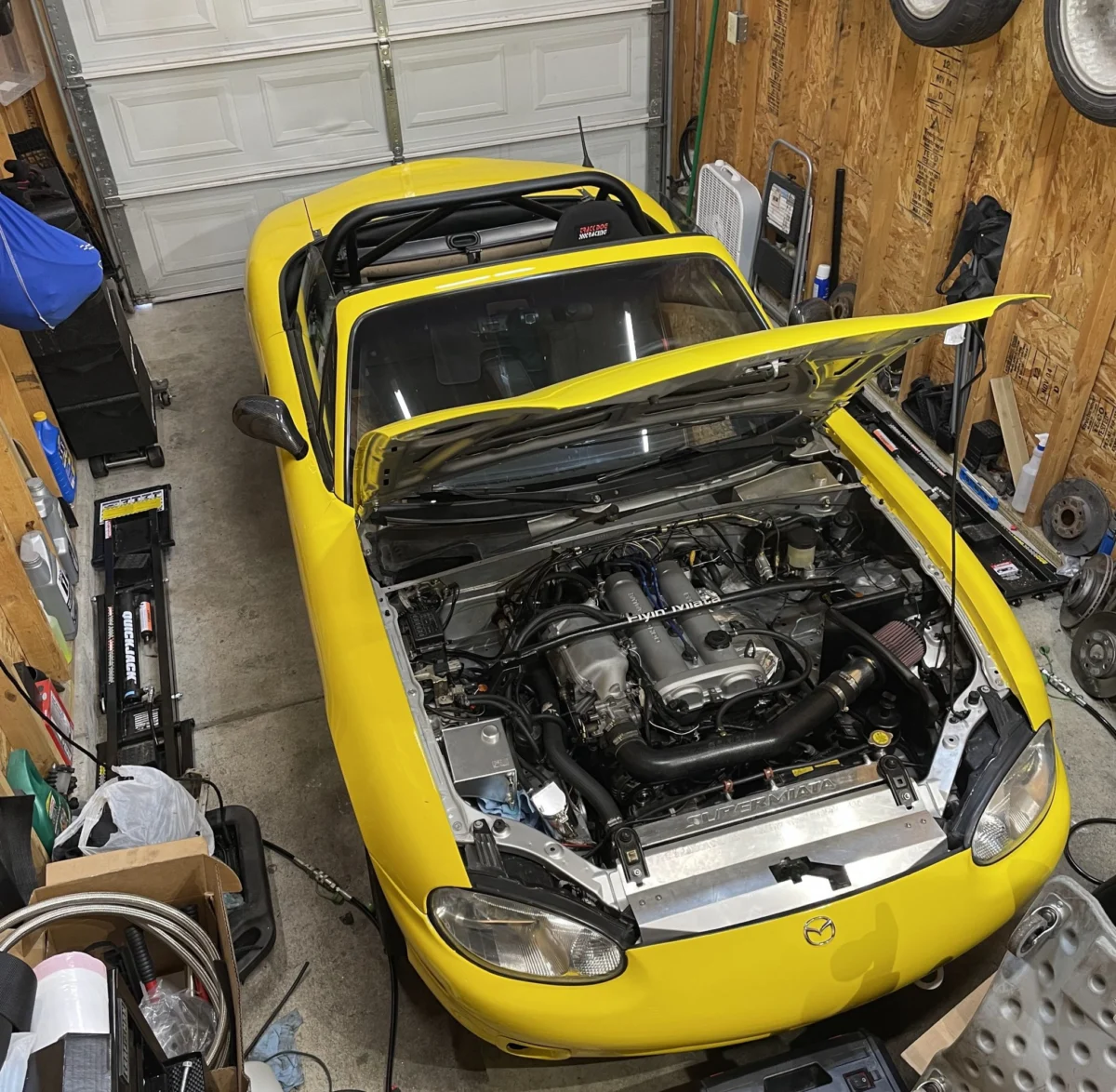
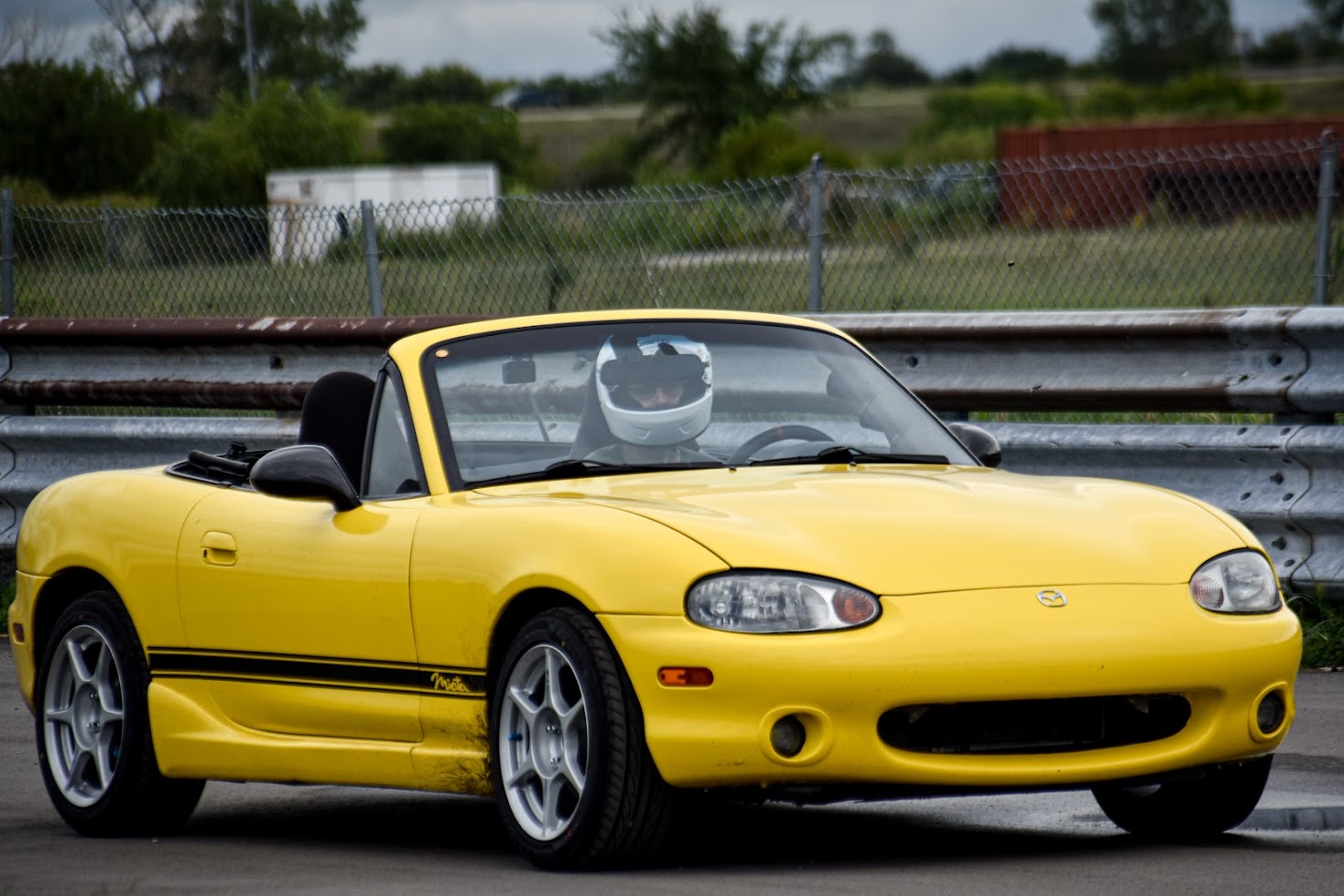
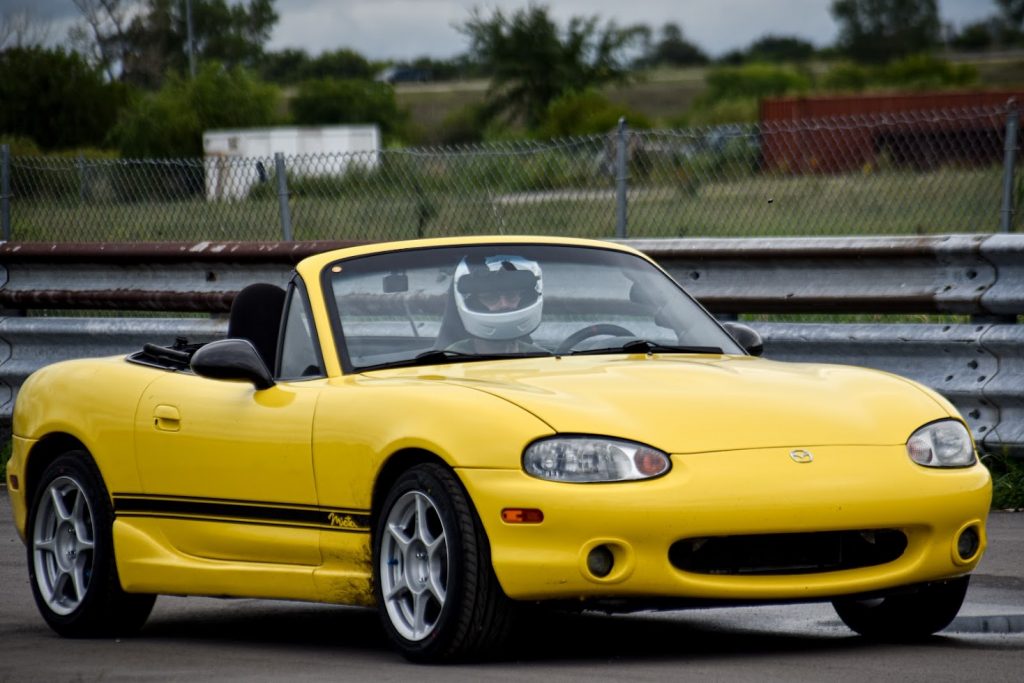
The Mazda MX-5 NB generation remains a cornerstone of the amateur racing and track day community, valued for its balanced chassis and mechanical simplicity, yet as these vehicles age, the necessity for comprehensive suspension and drivetrain restoration becomes paramount for maintaining competitive performance. A recent technical initiative involving a complete winter refresh of a base-model NB Miata has highlighted the complexities and significant performance gains associated with modernizing the vehicle’s underpinnings. This project, focused on transforming a high-mileage street car into a dual-duty track and autocross machine, involved a strategic selection of high-end dampening systems, reinforced bushings, and a critical drivetrain swap from an open differential to a limited-slip Torsen unit.
Strategic Overview of the Mechanical Restoration
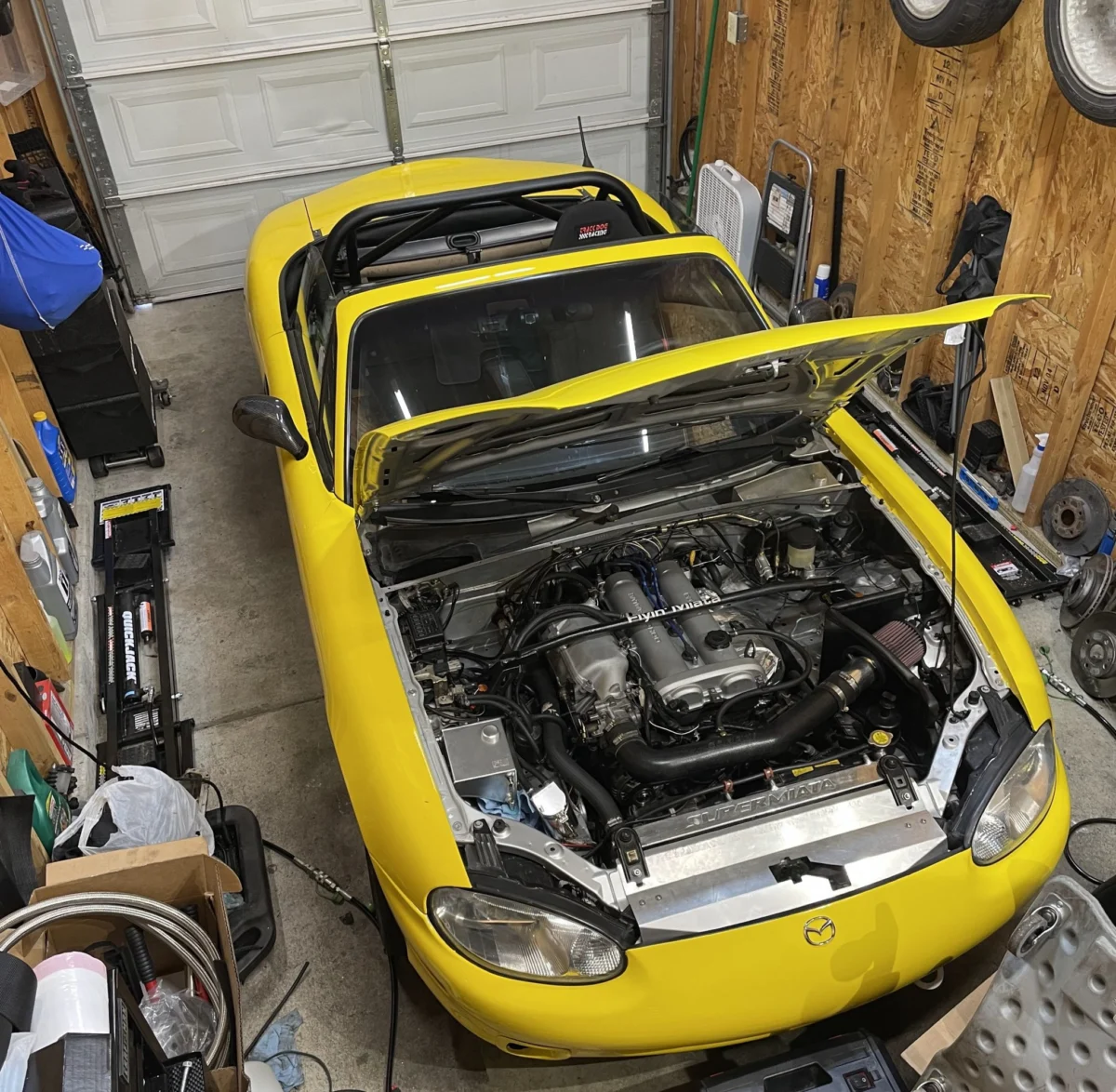
The primary objective of the overhaul was to address the "unknown maintenance history" of a stock NB Miata, a common challenge for enthusiasts acquiring second-hand roadsters. The project scope was extensive, encompassing the replacement of original rubber components that had likely undergone decades of heat cycling and structural fatigue. By targeting the control arm bushings, ball joints, and wheel hubs, the project sought to restore the "factory-plus" feel while preparing the chassis for the increased lateral loads of track use.
The mechanical strategy was divided into four primary sectors: the friction-reduction and geometry-correction phase (bushings and ball joints), the dampening and spring rate optimization phase (coilovers), the reliability and safety phase (hubs and bearings), and the power delivery phase (differential swap). Each sector required a balance between cost-effectiveness and high-performance reliability, leading to a mix of OEM-style replacements and high-end aftermarket solutions such as Supermiata Xida Race coilovers and IL Motorsports rubber bushings.
Chronology of the Winter Overhaul
The project commenced in late 2021, strategically scheduled during the winter months to allow for a meticulous teardown and to mitigate the risks associated with "Nebraska-born" rust—a common antagonist in suspension work. The timeline began with a total disassembly of the front and rear suspension corners.
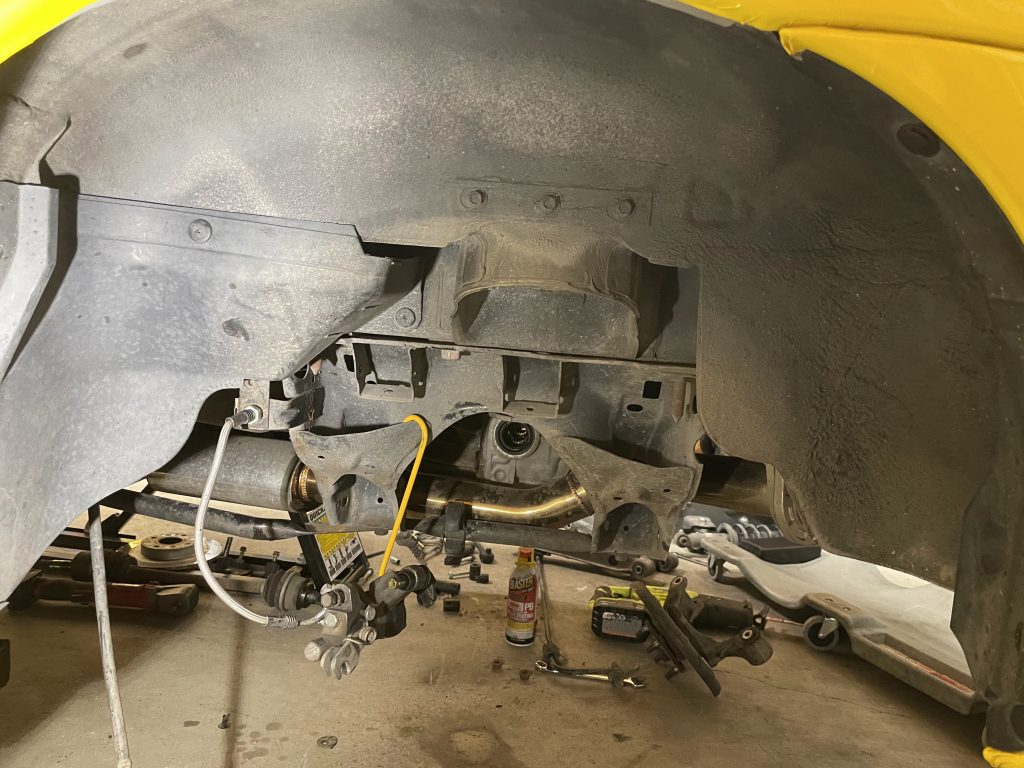
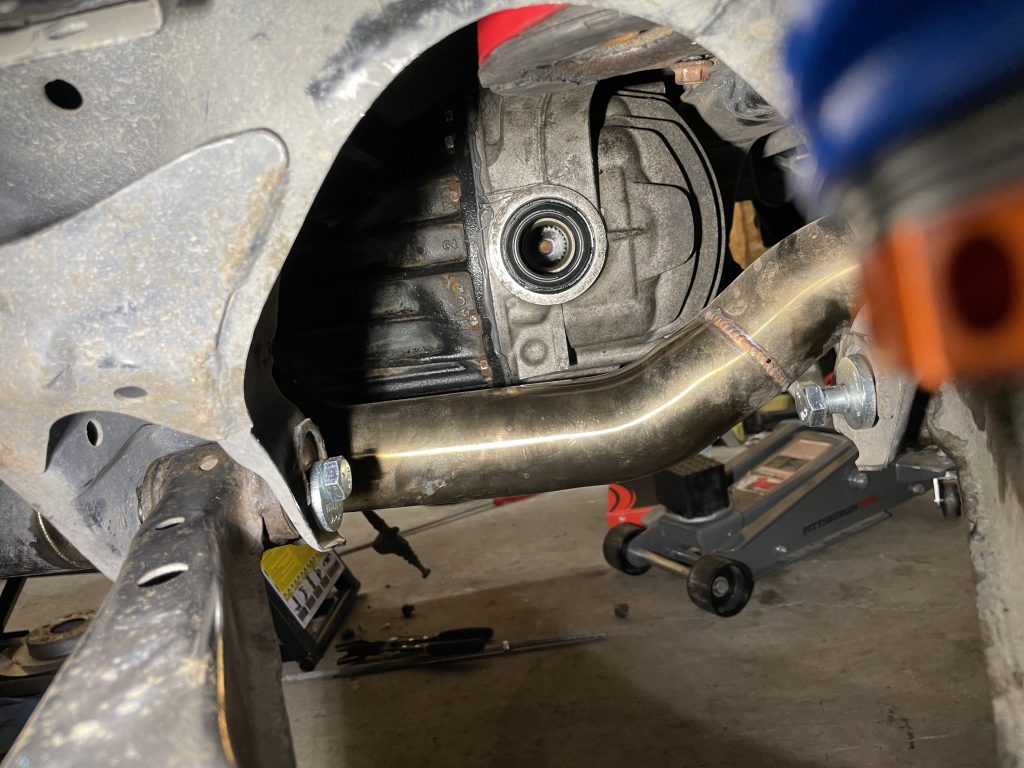
In the early weeks of the project, the focus remained on the control arms. The removal of the long rear lower control arm bolts and the power plant frame (PPF) bolts presented the most significant labor hurdles, requiring heavy-duty leverage and, in some cases, total component replacement. By mid-winter, the focus shifted to the differential. The extraction of the 4.3 ratio open differential and the subsequent installation of the Torsen internals into the aluminum carrier housing marked the midpoint of the drivetrain work.
The final phase, occurring in early 2022, involved the reassembly of the chassis with the new Xida Race coilovers and the Supermiata front-end service kit. This phase was characterized by precision assembly, ensuring that the new polyurethane differential bushings and the stiffer control arm bushings were seated correctly to avoid binding. The project concluded with a ride-height calibration, setting the car approximately 0.5 to 0.75 inches lower than the factory specification to optimize the center of gravity without compromising suspension travel.
Technical Analysis of Bushing and Geometry Upgrades
A critical decision in any Miata refresh is the choice of bushing material. While many track-focused builds utilize polyurethane for its extreme stiffness, this project opted for IL Motorsports stiffer rubber bushings. These components offer a middle ground: they are roughly 30% to 40% stiffer than stock rubber, similar to the discontinued Mazdaspeed competition bushings, but they do not require the frequent re-greasing associated with polyurethane.
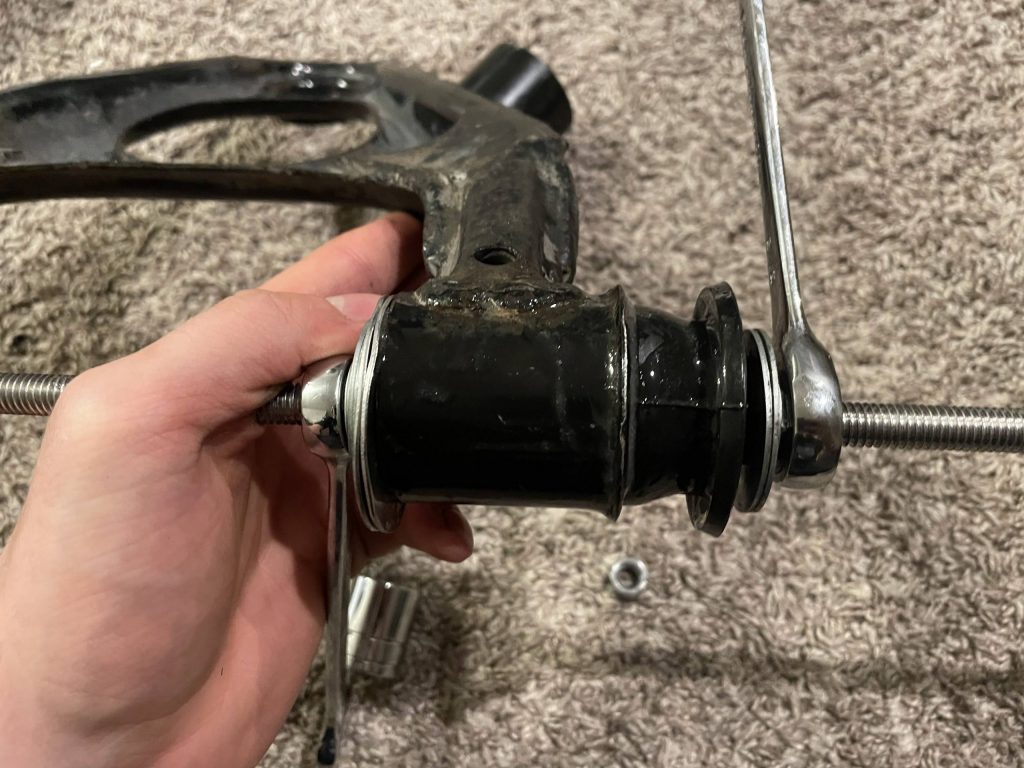
The installation process revealed a significant technical caveat for DIY mechanics: the fragility of the rear upper control arms. Unlike the front arms, the rear uppers are prone to bending under the concentrated force of a hydraulic press. Technical experts within the Miata community, including contributors to Miataturbo.net, advocate for the "threaded rod and washer" method for these specific components. This method distributes the load across the bushing sleeve rather than the arm’s structural bridge, preventing the misalignment that necessitated replacement parts during this specific build.
Supporting the bushing upgrade was the Supermiata Front End Service Kit. This kit addressed the "wear items" often overlooked until failure:
- Upper and Lower Ball Joints: Restoring the pivot points of the steering geometry.
- Tie Rod Ends: Eliminating play in the steering rack interface.
The inclusion of these parts ensured that the precision provided by the new coilovers would not be masked by sloppy steering linkages.
Drivetrain Optimization: The 4.3 Torsen Swap
For the NB Miata, the differential is the heart of its corner-exit capability. The base model’s 4.3:1 open differential is a significant performance bottleneck, as it allows the inside wheel to spin uselessly under load. The transition to a Torsen (Torque-Sensing) limited-slip differential is widely considered the most impactful drivetrain modification for the platform.
Data from Spec Miata racing circles indicates that the 4.3 ratio Torsen is one of the most coveted units due to its balance of acceleration and top-end speed. Market analysis shows these units frequently command prices north of $1,000. However, through patient sourcing, this project acquired the internal gearing for approximately $250, illustrating the cost-saving potential of rebuilding existing housings rather than purchasing complete assemblies.
To complement the Torsen, polyurethane differential bushings were installed. Unlike the control arms, where rubber was preferred for longevity, the differential mount benefits significantly from the rigidity of polyurethane. This minimizes "diff-hop" and reduces drivetrain lash, ensuring that the power transition from the driveshaft to the half-shafts is as direct as possible.
Performance Metrics of the Xida Race Coilover System
The centerpiece of the suspension refresh is the Supermiata Xida Race coilover system, featuring an 800 lbs/in front and 500 lbs/in rear spring rate configuration. This setup represents a massive departure from the stock spring rates, which typically hover around 160 lbs/in front and 100 lbs/in rear.
Despite the significant increase in spring stiffness, the Xida system utilizes sophisticated internal valving to maintain street drivability. Journalistic road testing of the setup revealed:
- Lateral Stability: A near-total elimination of body roll during high-speed cornering.
- Vertical Compliance: The ability to soak up high-frequency road imperfections that would typically upset a car with cheaper, "dead" dampening.
- High-Speed Confidence: The "floaty" sensation common in stock Miatas at speeds above 70 mph was replaced by a planted, aerodynamic-like stability.
The inclusion of helper springs allowed the vehicle to maintain a functional ride height while ensuring the main springs remained seated during full suspension droop—a critical safety feature for a car that may encounter curbing on a race track.
Reliability and Safety: The Hub and Bearing Factor
A known "Achilles heel" of the MX-5 platform is the front wheel hub assembly. Under the heat and load of track tires (such as 200-treadwear or slick compounds), OEM hubs are known to fail, sometimes catastrophically. While professional endurance teams often move to "blueprinted" or aftermarket billet hubs, this project utilized Centric front hubs and rebuilt OEM rear knuckles from Treasure Coast Miata.
By replacing these components proactively, the project established a "zero-hour" baseline for the car’s rotating mass. This is a standard protocol in professional motorsport, where components are replaced based on service hours rather than failure, a practice that is increasingly being adopted by serious track day enthusiasts to prevent on-track incidents.
Broader Implications and Market Context
The successful refresh of this NB Miata underscores a growing trend in the automotive enthusiast market: the "Restomod" approach to 1990s and early 2000s sports cars. As the price of new performance vehicles escalates, the value proposition of investing $3,000 to $5,000 into a $5,000 chassis becomes increasingly attractive.
The availability of high-quality technical support from niche vendors like Supermiata and Flyin’ Miata has democratized professional-grade suspension tuning. The "Club Orange" discount mentioned in the project highlights how these vendors are fostering a loyal ecosystem of DIY mechanics who are keeping the Miata relevant in an era of much heavier, electronically-governed sports cars.
Conclusion and Future Outlook
The comprehensive overhaul of the NB Miata’s suspension and drivetrain has successfully transitioned the vehicle from a dated roadster to a precision instrument. While some modifications, such as the control arm bushings, offered subtle improvements, the synergy of the Torsen differential and the Xida Race coilovers has fundamentally altered the car’s performance envelope.
The decision to retain stock sway bars for the initial testing phase reflects a calculated approach to chassis tuning—isolating the effects of the spring and damper changes before introducing the complexities of adjustable anti-roll bars. As the vehicle enters the 2022 track season, the focus will shift to alignment settings and tire pressure optimization, leveraging the new mechanical integrity to shave seconds off lap times while maintaining a vehicle that remains a joy to drive on the open road. This project serves as a definitive blueprint for NB Miata owners looking to maximize their vehicle’s potential through disciplined, data-driven mechanical restoration.