Retno Hari Mulyono
The Mazda MX-5 Miata, specifically the second-generation NB chassis produced between 1998 and 2005, remains a cornerstone of the global amateur racing and autocross communities due to its lightweight construction and sophisticated double-wishbone suspension geometry. However, as these vehicles surpass the two-decade mark, the degradation of factory rubber components and the wear of critical rotating assemblies necessitate comprehensive mechanical intervention to maintain performance standards. Recent technical initiatives focusing on the "zero-hour" restoration of the NB platform have highlighted a strategic approach to suspension refreshing, combining modern aftermarket engineering with traditional maintenance to prepare these vehicles for the rigors of competitive track use and spirited street driving.
The Strategic Framework of Suspension Restoration
A complete suspension overhaul for the NB Miata involves more than the mere replacement of shock absorbers. It requires a holistic evaluation of the chassis’s articulation points, drivetrain stability, and hub integrity. The primary objective of such a project is to eliminate "slop"—the unpredictable movement caused by compressed or torn rubber bushings—and to install a damping system capable of managing increased spring rates without compromising the vehicle’s inherent balance.
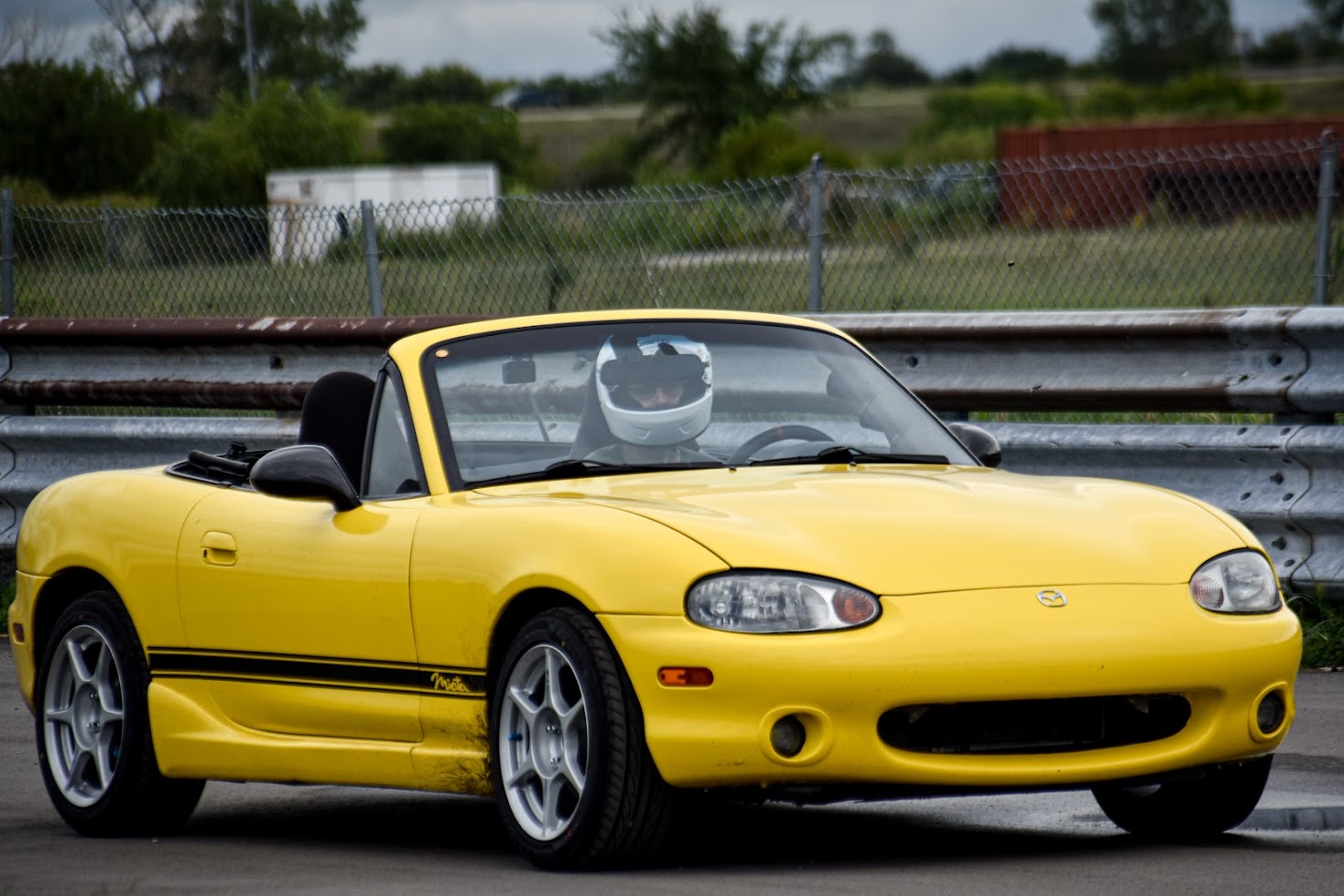
In a recent comprehensive build, the scope of work included the installation of IL Motorsports control arm bushings, a Supermiata front-end service kit, replacement wheel hubs and bearings, a Torsen limited-slip differential conversion, and the flagship integration of Supermiata Xida Race coilovers. This multi-faceted approach addresses the three pillars of Miata handling: compliance, geometry, and traction.
Chronology of the Mechanical Refresh
The restoration process typically occurs during the winter off-season, providing a controlled environment to address the inevitable complications arising from oxidation and seized hardware, particularly in regions prone to road salt and moisture.
The initial phase involved the complete disassembly of the front and rear suspension corners. Technical challenges frequently arise during this stage, specifically regarding the "long bolt" that secures the rear lower control arm to the upright. In high-mileage examples, galvanic corrosion often fuses the steel bolt to the aluminum or steel sleeves within the bushings, requiring a combination of kinetic force and lubrication for extraction.

Following disassembly, the focus shifted to the control arms. The decision to utilize IL Motorsports stiffened rubber bushings over polyurethane alternatives reflects a growing trend in the community. While polyurethane offers extreme rigidity, it often requires periodic lubrication to prevent squeaking and can introduce harshness that degrades the street-driving experience. The IL Motorsports units, which mirror the specifications of the legendary Mazdaspeed competition bushings, provide increased durometer (stiffness) while maintaining the maintenance-free longevity of original equipment manufacturer (OEM) rubber.
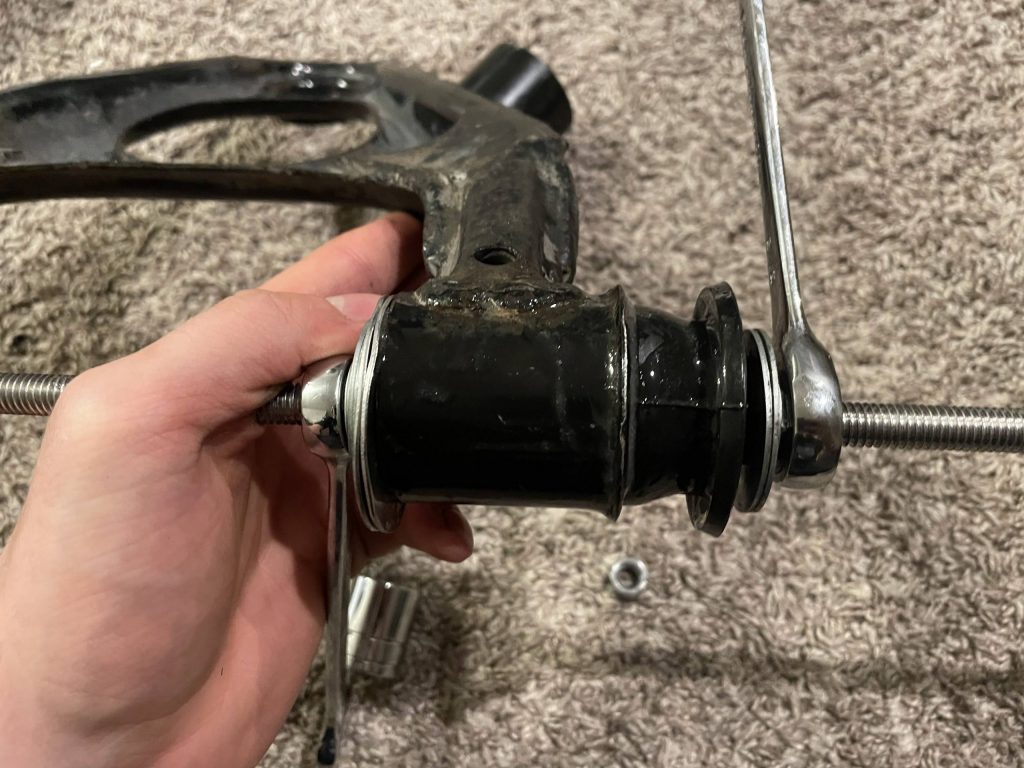
The installation of these bushings serves as a cautionary tale for amateur mechanics. The use of a hydraulic press on the rear upper control arms can lead to structural deformation if the arms are not properly supported. Technical specialists recommend a "threaded rod" method, utilizing heavy-duty washers and nuts to pull the bushings into place, thereby ensuring the structural integrity of the stamped steel arms remains intact.
Front-End Geometry and Rotating Assemblies
To ensure steering precision, the project incorporated the Supermiata front-end service kit. This kit replaces high-wear items including upper and lower ball joints and outer tie rod ends. On a vehicle intended for track use, these components are subject to extreme lateral loads. The replacement of the upper ball joint requires a press-fit installation, while the lower units and tie rods are bolt-on components. The inclusion of new cotter pins and castle nuts is a critical safety protocol, ensuring that vibration does not lead to hardware failure during high-speed maneuvers.
Simultaneously, the vehicle’s rotating mass and safety were addressed through the replacement of wheel hubs. The Miata platform is known for hub fatigue when subjected to the heat and grip levels of modern 200-treadwear track tires. While the front hubs were replaced with Centric units featuring pre-installed bearings for ease of service, the rear assemblies utilized rebuilt OEM knuckles and hubs. This preventative maintenance mitigates the risk of catastrophic hub failure, a known "weak point" in the Miata’s endurance profile.
Drivetrain Enhancement: The Torsen Differential Conversion
The most significant upgrade to the vehicle’s power delivery was the transition from a standard "open" differential to a Torsen (Torque-Sensing) limited-slip differential. Most base-model NB Miatas were equipped with a 4.30 ratio open differential, which allows the inner wheel to spin fruitlessly during hard cornering.
The Torsen Type 2 differential is highly coveted for its ability to mechanically bias torque to the wheel with the most grip without the use of friction clutches, which can wear out over time. In the current market, 4.30 ratio Torsens are in high demand due to their compliance with Spec Miata racing regulations, often commanding prices north of $1,000. Successful acquisition and installation of the Torsen "guts" into the existing aluminum carrier (or "pumpkin") significantly alters the vehicle’s exit speed capabilities.
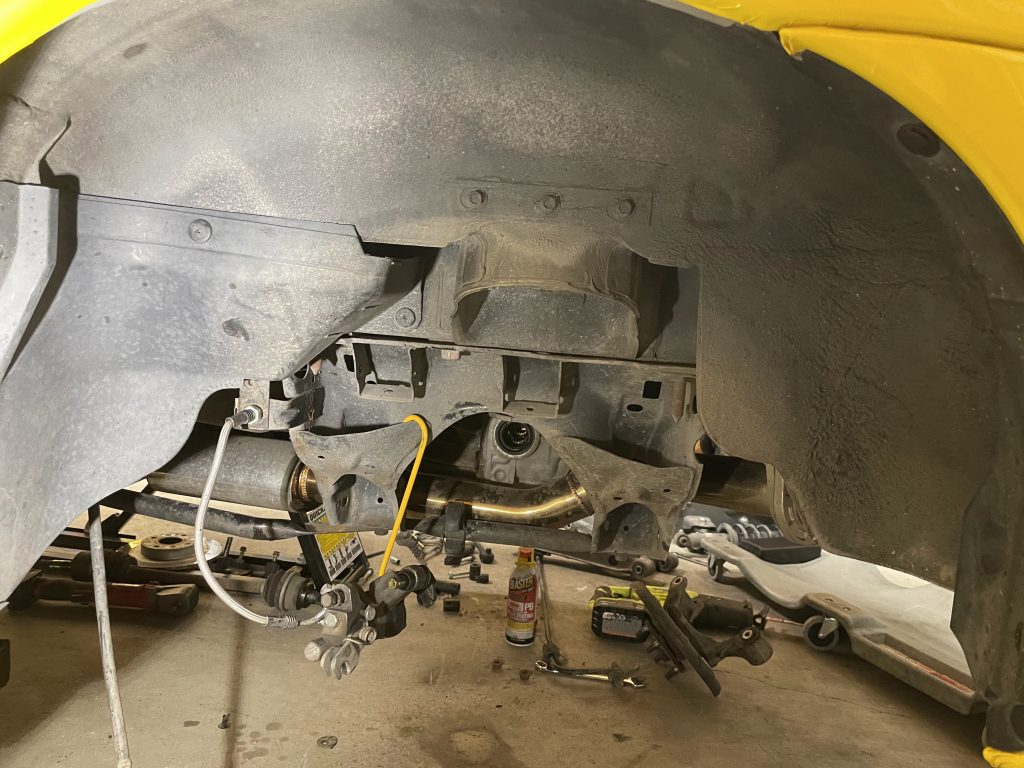
To complement the new differential, polyurethane differential bushings were installed. Unlike the control arm bushings, where rubber was preferred for compliance, the differential mounts benefit from the rigidity of polyurethane. This reduces "wheel hop" and limits the movement of the drivetrain under heavy acceleration, providing a more direct connection between the engine’s output and the road surface.
Technical Analysis: Supermiata Xida Race Coilovers
The centerpiece of the suspension refresh is the installation of the Supermiata Xida Race coilovers. Developed by 949 Racing, these dampers are widely regarded as the gold standard for the Miata platform. The configuration utilized in this project features an 800 lbs/in front and 500 lbs/in rear spring rate, supplemented by helper springs to maintain spring seat tension during full suspension droop.
Unlike entry-level coilovers, which often use simplistic valving that results in a harsh ride, the Xida units utilize sophisticated digressive valving. This allows the shock to provide high force at low piston speeds (controlling body roll and pitch) while "blowing off" at high piston speeds (absorbing bumps and curbing). The result is a vehicle that remains flat through corners—virtually eliminating the significant body roll characteristic of the stock NB—while remaining remarkably composed on public roads.
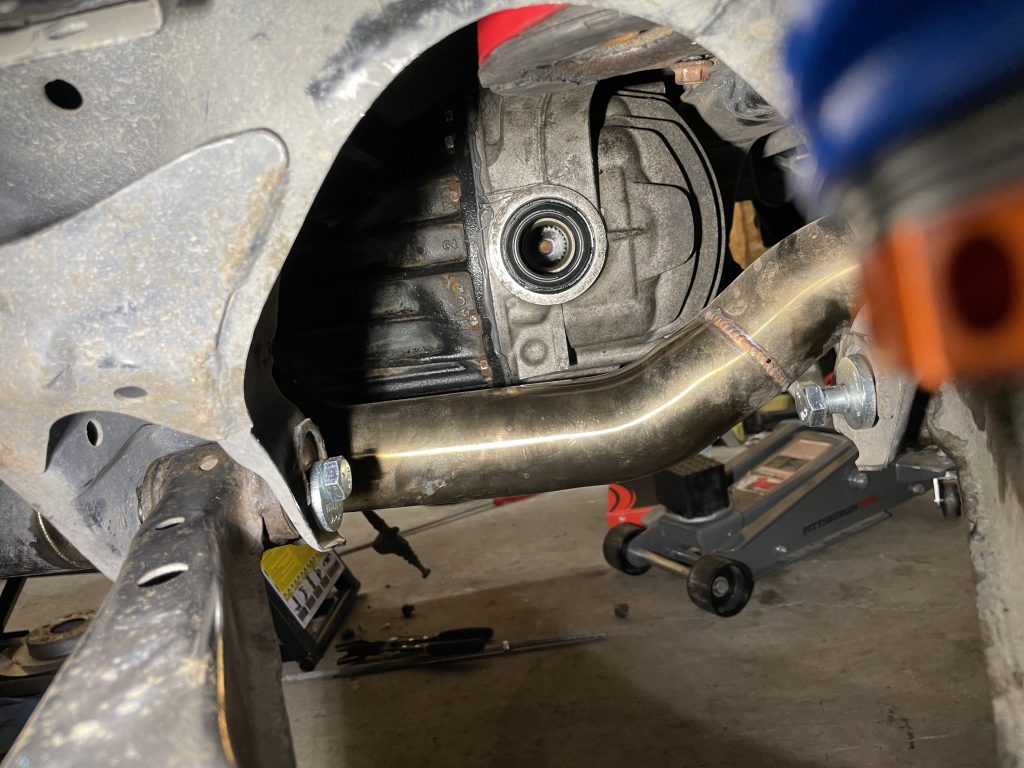
Data from track testing suggests that the transition to such high spring rates, when paired with appropriate damping, reduces the reliance on oversized sway bars. By allowing the suspension to remain more independent, the vehicle can maintain better tire contact patches over uneven surfaces, a critical factor in achieving consistent lap times.
Industry Perspectives and Market Implications
The decision-making process for Miata enthusiasts is heavily influenced by a robust aftermarket ecosystem. Companies like Flyin’ Miata, Supermiata, and Treasure Coast Miata provide the technical support and specialized parts that keep the NB platform competitive against much newer sports cars.
The "Spec Miata" racing class, sanctioned by organizations like the SCCA and NASA, continues to drive the market for these components. As the supply of clean NB chassis dwindles, the value of well-maintained and correctly upgraded examples is seeing a steady increase. Industry analysts note that "restomodding" these vehicles with high-end suspension components like Xida coilovers and Torsen differentials not only improves performance but also preserves the vehicle’s relevance in a market increasingly dominated by heavier, electronically-assisted vehicles.
Broader Impact and Performance Summary
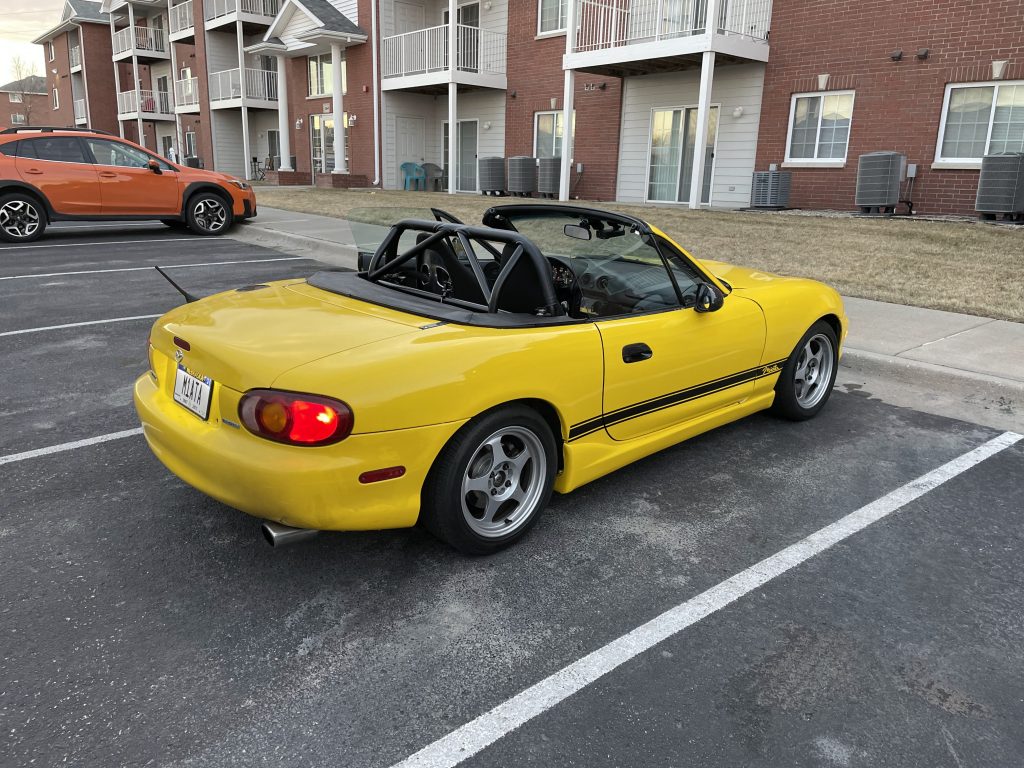
Upon completion of the overhaul, the mechanical transformation of the NB Miata is profound. The integration of stiffened bushings and high-end dampers eliminates the "floaty" sensation often reported at high speeds with aged OEM components. The car’s center of gravity is effectively lowered—in this instance by approximately 0.5 to 0.75 inches—improving the roll center without introducing clearance issues.
While the immediate feedback on the street highlights a more "planted" and "confidence-inspiring" drive, the true impact of these modifications is measured on the track. The Torsen differential allows for earlier throttle application on corner exit, while the Xida suspension provides the stability necessary to carry higher mid-corner speeds.
Ultimately, the comprehensive refresh of an NB Miata suspension serves as a blueprint for extending the life of analog sports cars. By systematically addressing wear items and strategically integrating performance upgrades, owners can transform a twenty-year-old commuter into a precision instrument capable of challenging modern performance standards. As the automotive industry moves toward electrification and automation, the continued refinement of the Miata platform represents a dedicated effort to preserve the pure, mechanical connection between driver and machine.