Retno Hari Mulyono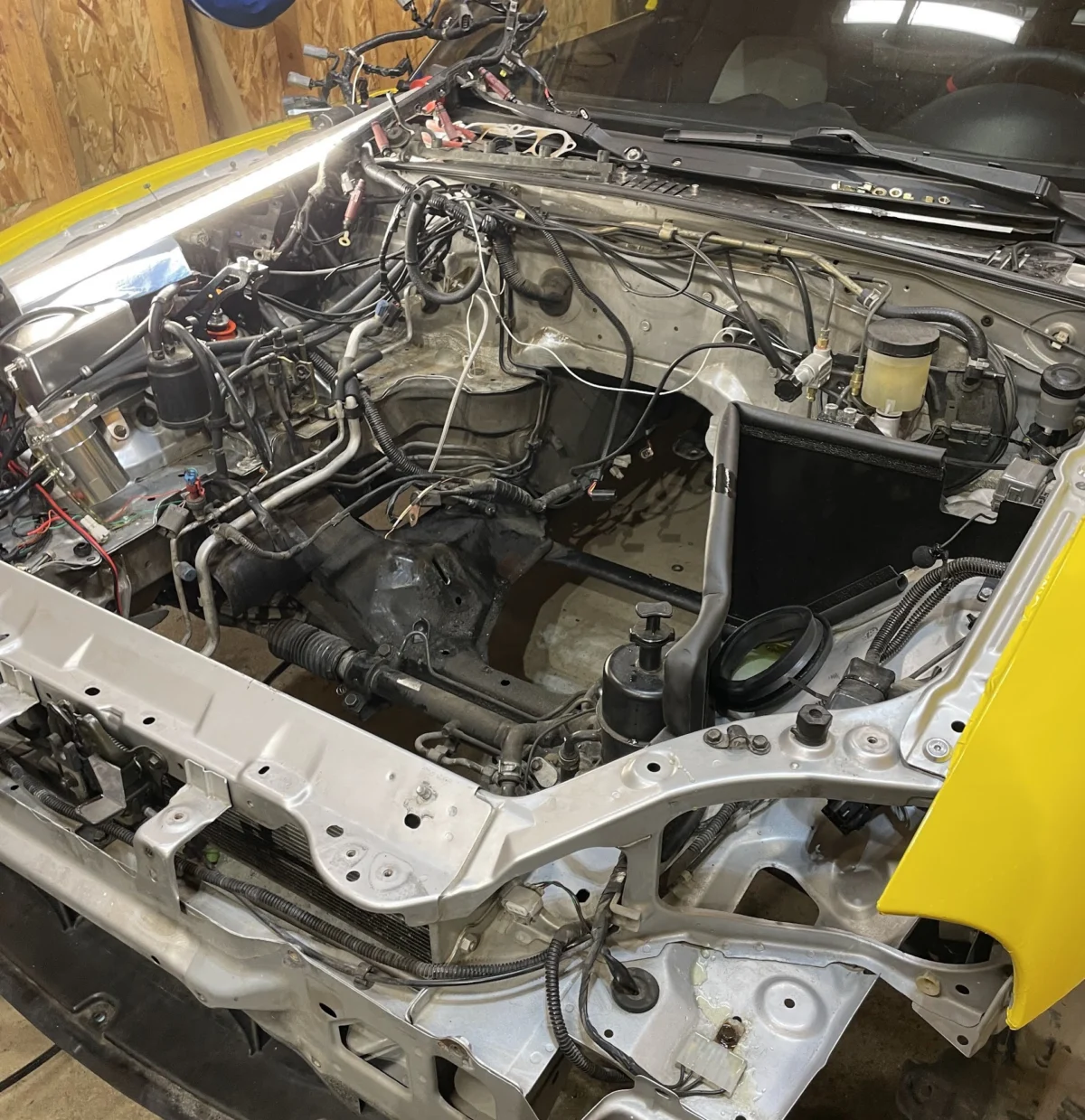
The second-generation Mazda MX-5, known internally as the NB Miata, remains a cornerstone of the enthusiast automotive community, valued for its balanced chassis and the mechanical simplicity of its BP-series engine. However, as these vehicles age, owners are increasingly faced with the necessity of major service intervals to address cumulative wear and tear. A recent comprehensive overhaul of an NB Miata project highlights the strategic advantages of a full engine extraction to resolve multiple lingering mechanical issues simultaneously. By consolidating repairs such as rear main seal replacement, oil pan restoration, and drivetrain upgrades into a single "winter project," enthusiasts can achieve a level of precision and thoroughness that is often impossible with the engine remaining in the chassis. This report examines the technical methodologies, component selections, and post-operational findings of such an undertaking, providing a blueprint for maintaining the longevity of the Mazda BP-ZE and BP4W powerplants.
The Motivation for Engine Extraction: A Multifaceted Approach
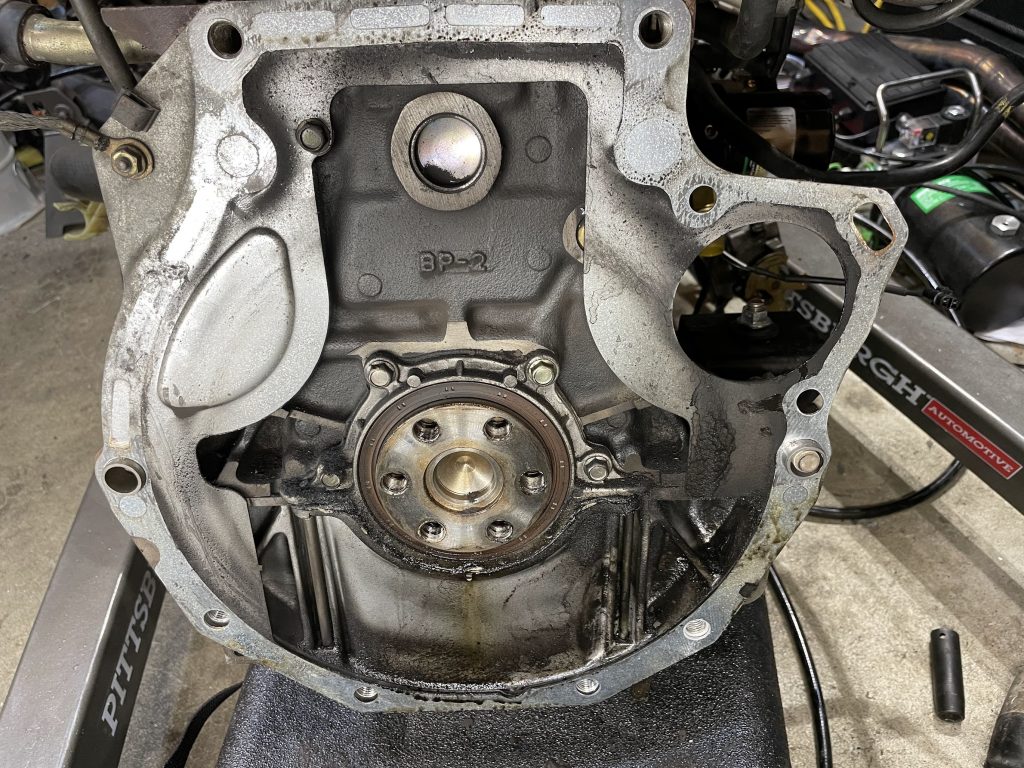
While the Mazda BP engine is renowned for its reliability, it is equally known among the "tuner" community for its propensity to develop oil leaks as it crosses the two-decade mark. In this specific case, the decision to pull the engine was not driven by a single catastrophic failure, but by a confluence of minor issues that, when addressed together, justified the labor-intensive process of extraction. The primary driver was a significant leak at the rear main seal, a common failure point that requires the separation of the engine and transmission.
Secondary motivations included a compromised oil pan drain plug. Due to the soft aluminum construction of the Miata’s oil pan, over-tightening by previous owners or quick-lube technicians often leads to stripped threads. While temporary fixes like conical plugs exist, they are prone to failure and do not provide a reliable long-term seal. Furthermore, the unknown service history of the existing clutch and flywheel suggested that a preventative replacement was prudent while the drivetrain was accessible. By removing the entire assembly, the technician gained 360-degree access to the block, allowing for a comprehensive resealing of the front and rear crank seals, cam seals, and the oil pan itself.
Technical Methodology: Extraction and Assembly
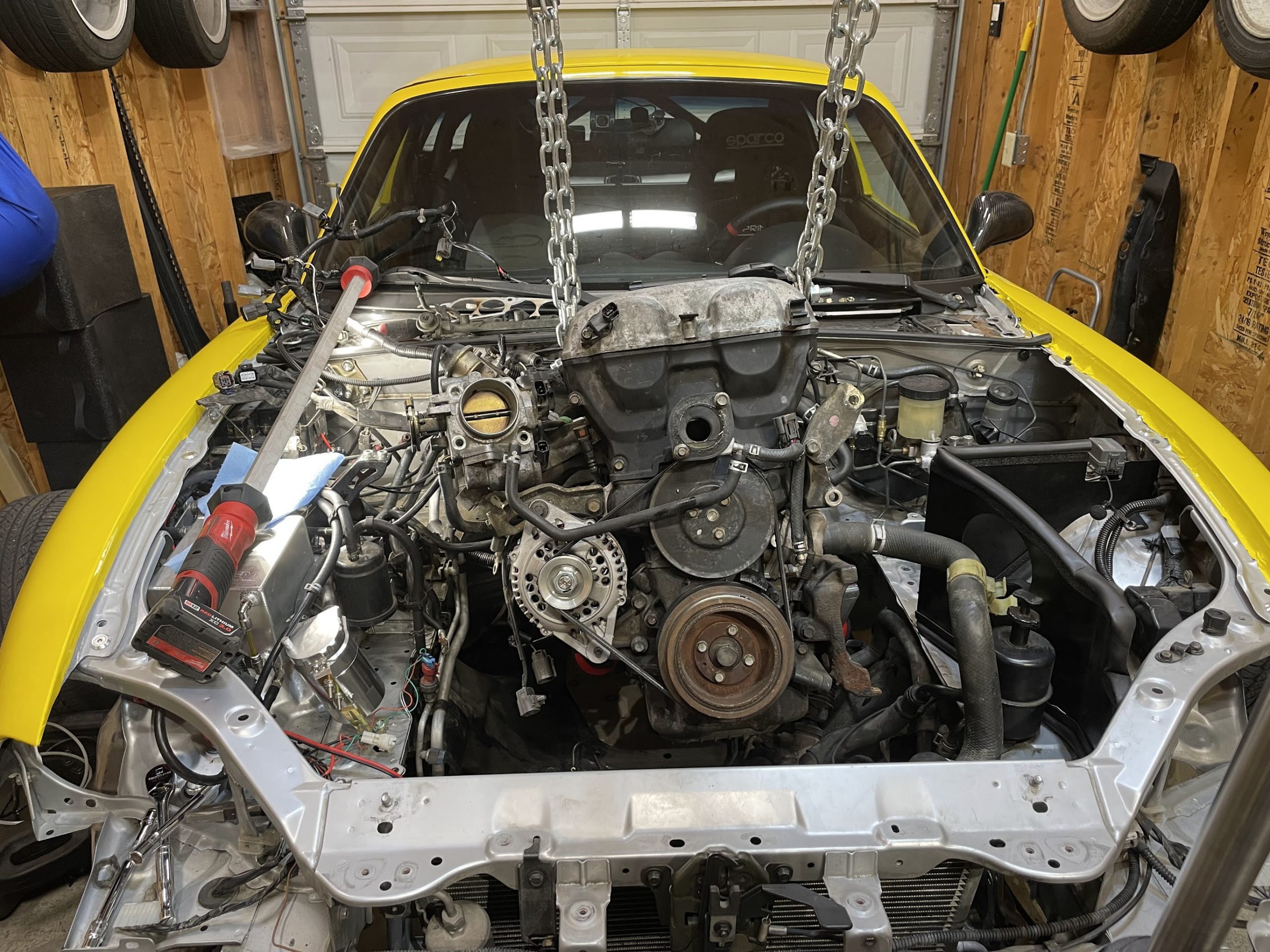
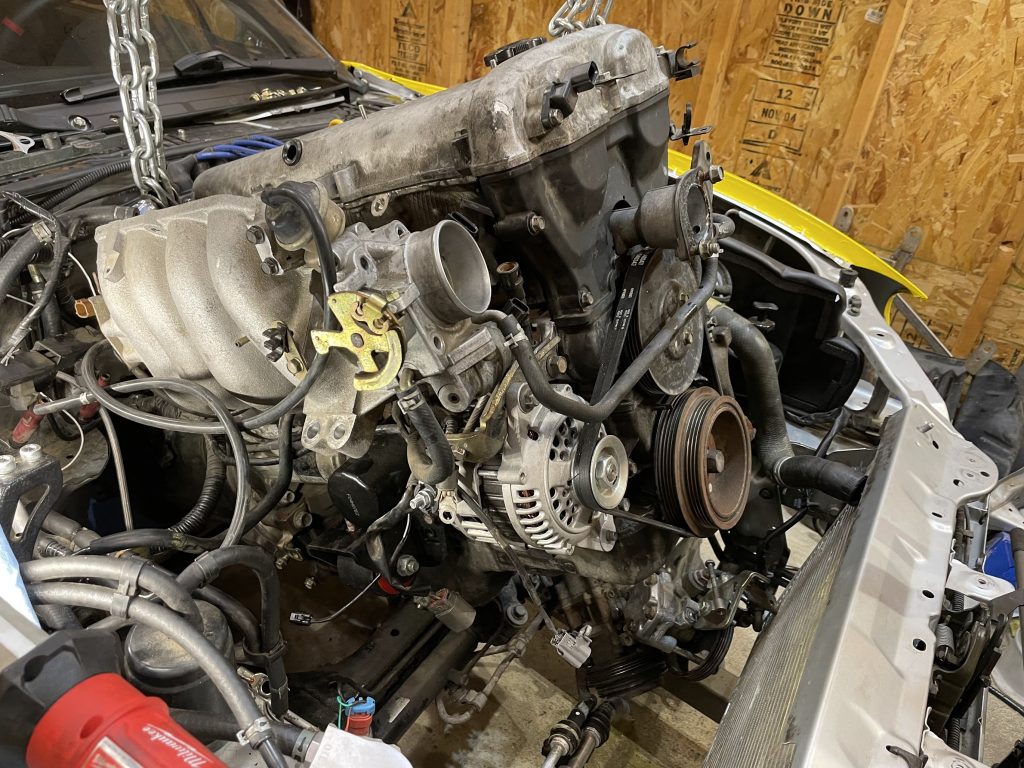
The extraction of a Miata engine is considered a rite of passage for many DIY mechanics, facilitated by the car’s front-engine, rear-wheel-drive layout. For this project, the preferred "top-down" method was utilized, where the engine and transmission are removed as a single unit. This approach, while requiring a steep angle of tilt, avoids the notoriously difficult-to-reach bolts on the upper bellhousing that plague attempts to remove the transmission while the engine remains in the bay.
The process began with the disconnection of the wiring harness, cooling hoses, and fuel lines. Journalistic observation of the project noted that the removal phase was relatively straightforward, requiring only standard shop tools and a heavy-duty engine hoist. However, the reinstallation phase presented greater challenges. Precise alignment is required to ensure the engine mounts slide into the subframe slots without damaging the rubber isolators or the surrounding components. This phase of the project underscores the importance of patience and mechanical sympathy, as even minor misalignments can lead to cross-threaded bolts or damaged input shaft splines.
Addressing the Lubrication System and Seal Integrity
The Mazda BP engine’s architecture is often compared to classic British roadsters, a nod to its inspiration but also a critique of its sealing capabilities. To combat this, a comprehensive resealing strategy was implemented. The rear main seal, the most critical component in this phase, was replaced using specialized tools. Automotive experts highly recommend the Flyin’ Miata rear main seal installer, a precision-machined tool that ensures the seal is seated at the exact depth required to prevent future leaks.
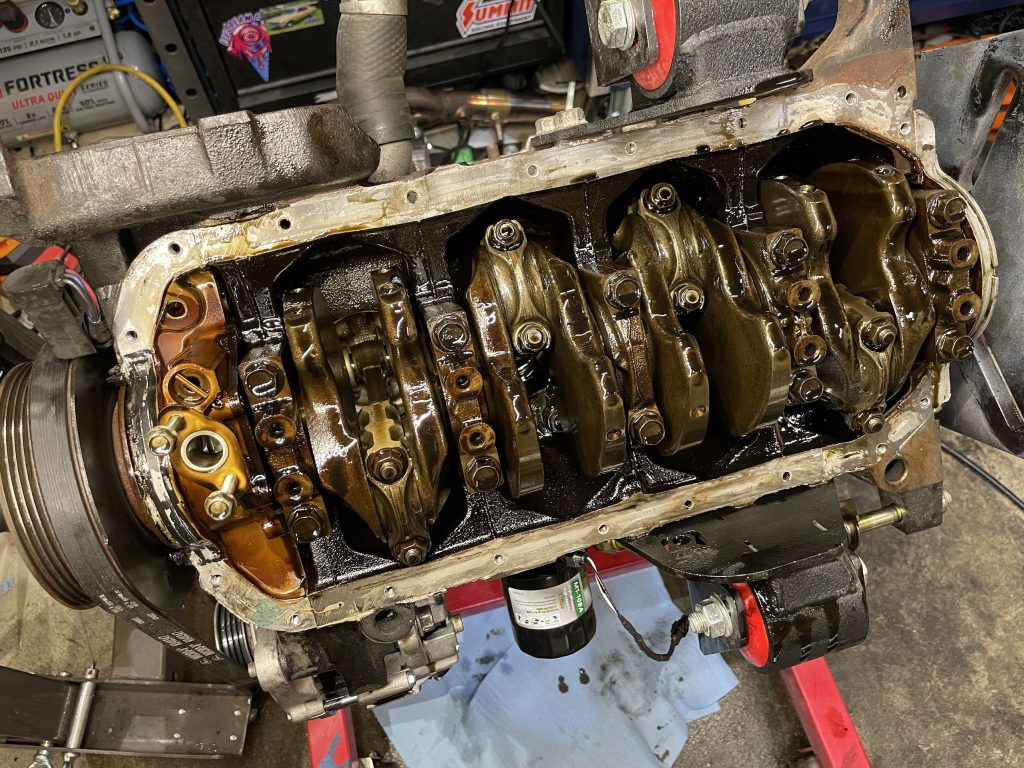
The oil pan replacement proved to be the most complex aspect of the lubrication overhaul. The NB Miata utilizes a multi-piece sealing arrangement involving the block, a windage tray (baffle plate), and the oil pan itself, all held together by Room Temperature Vulcanizing (RTV) silicone. During disassembly, it was noted that the baffle plate is easily deformed if pried incorrectly, necessitating a delicate separation process. Upon reassembly, the application of high-quality sealant is vital. However, a post-installation inspection revealed a hairline crack in the replacement oil pan flange, illustrating the fragile nature of aged aluminum components. Although temporarily mitigated with high-strength epoxy, this finding highlights the risks inherent in using secondhand parts for critical engine functions.
Drivetrain Enhancements: Rotational Inertia and Power Delivery
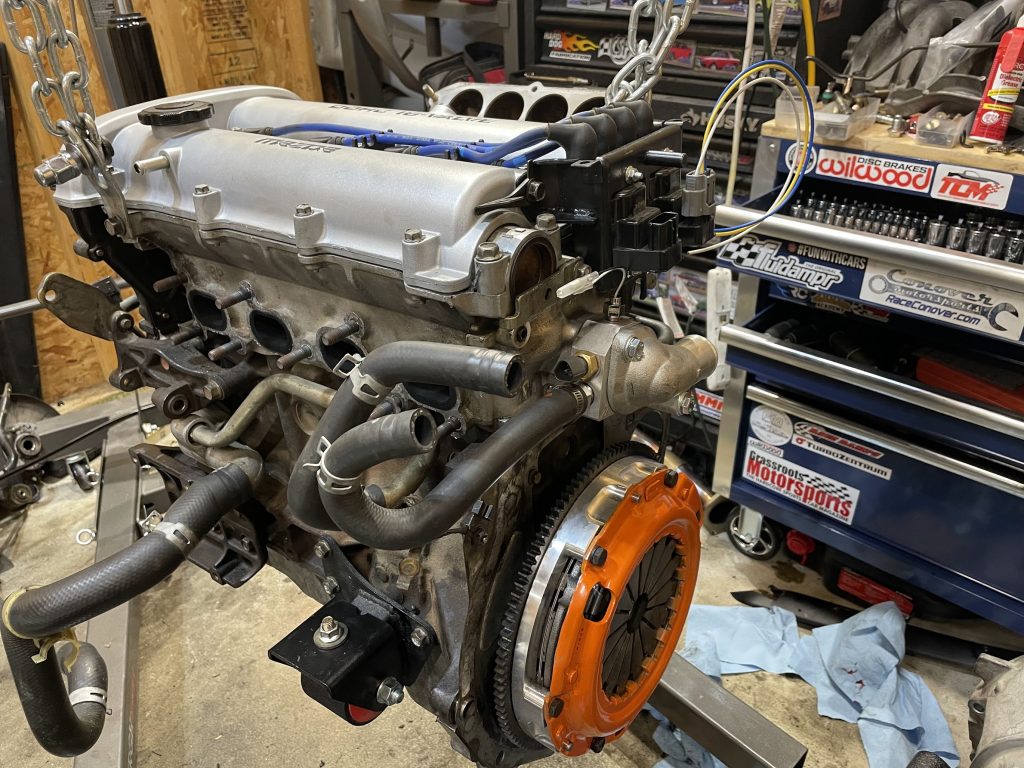
With the engine removed, the project transitioned from maintenance to performance optimization. The selection of a Supermiata Sport Clutch and a 9lb lightweight aluminum flywheel represented a significant upgrade over the factory components. In the world of automotive physics, reducing the weight of the flywheel decreases the rotational inertia of the engine’s rotating assembly. This allows the engine to rev more freely, improving throttle response and making rev-matched downshifts significantly easier to execute.
The Supermiata Sport Clutch was chosen for its balance between daily drivability and torque capacity. Utilizing an organic friction material, it maintains a near-stock pedal feel while offering the clamping force necessary for future power increases, such as turbocharging or supercharging. Initial testing of the new drivetrain revealed a "smell" during the break-in period—a common occurrence as the friction material seats against the new flywheel. This period typically lasts between 500 to 1,000 miles of city driving, during which the driver must avoid aggressive launches to ensure the longevity of the pressure plate and disc.
Thermal Management and the "Coolant Reroute" Strategy
Perhaps the most significant technical upgrade performed was the installation of a Hawley Performance coolant reroute kit. To understand the necessity of this modification, one must look at the history of the Mazda B-series engine. Originally designed for transverse mounting in front-wheel-drive vehicles (such as the Mazda 323), the engine’s cooling path was designed to enter one side and exit the other. When Mazda rotated the engine 90 degrees for the rear-wheel-drive Miata, they moved the thermostat housing to the front of the engine for easier serviceability.
This design choice resulted in a "dead end" for coolant flow at the rear of the engine, specifically around cylinder number four. Under track conditions or high-load scenarios, this causes the rear of the head to run significantly hotter than the front, leading to uneven expansion and potential head gasket failure. The reroute kit restores the original flow path, pulling hot coolant from the back of the head. While the Hawley kit offered a cost-effective solution using off-the-shelf components, the project analysis suggests that more premium options, like the Supermiata Qmax, offer superior air bleeding capabilities via integrated nipples—a crucial feature given the Miata’s tendency to trap air bubbles in the cooling system.
Induction System Optimization: The "Flattop" Manifold
In pursuit of higher RPM performance, the factory Variable Inertia Charging System (VICS) intake manifold was replaced with a European/Japanese Market (EUDM/JDM) "Flattop" manifold. The VICS system uses butterflies to change the effective length of the intake runners, optimizing low-end torque. However, for track-oriented vehicles that spend the majority of their time between 5,000 and 7,000 RPM, the Flattop manifold is superior.
The Flattop manifold features a larger plenum and lacks the internal obstructions of the VICS butterflies, allowing for greater airflow at high velocities. Furthermore, the removal of the VICS system simplifies the engine’s vacuum routing and electronic controls, which is highly beneficial when running a standalone ECU like a Megasquirt or Haltech. To complement the mechanical upgrades, the valve cover and manifold were refinished in a classic aluminum paint, providing an OEM-plus aesthetic that resists the "aged" look of bare cast aluminum.
Post-Operational Analysis and Broader Implications
Following the reinstallation and an initial 500-mile testing phase, the project yielded mixed results—a reality common in high-level DIY automotive work. While the engine’s performance, cooling, and throttle response were markedly improved, a persistent oil leak reappeared at the rear of the engine. This suggests that either the new rear main seal failed to seat perfectly, or the epoxy repair on the cracked oil pan was insufficient for the high-pressure environment of an operating engine.
This outcome has led to a strategic shift in the project’s future. The owner has placed a deposit on a "healthy" used BP4W engine from a specialist importer. This move highlights a growing trend in the Miata community: the transition from "repairing" to "cycling" engines. Given the rising cost of machine shop labor, many enthusiasts find it more economical to source high-quality used engines from markets like the UK or Japan, where mileage is often lower, and then rebuild the original engine on a stand without the pressure of a non-functional vehicle.
In conclusion, the NB Miata engine pull project serves as a comprehensive case study in the complexities of vintage sports car maintenance. It demonstrates that while the platform is accessible, the intersection of aged metallurgy, complex sealing surfaces, and high-performance demands requires a meticulous approach. The project underscores the vital role of the aftermarket industry—companies like Flyin’ Miata, Supermiata, and Hawley Performance—in providing the tools and engineering necessary to keep these iconic roadsters on the road and track for decades to come. As the Miata continues to transition from a "cheap used car" to a "classic enthusiast vehicle," such deep-dive mechanical overhauls will become the standard for preserving the "Jinba Ittai" (horse and rider as one) driving experience.