Retno Hari Mulyono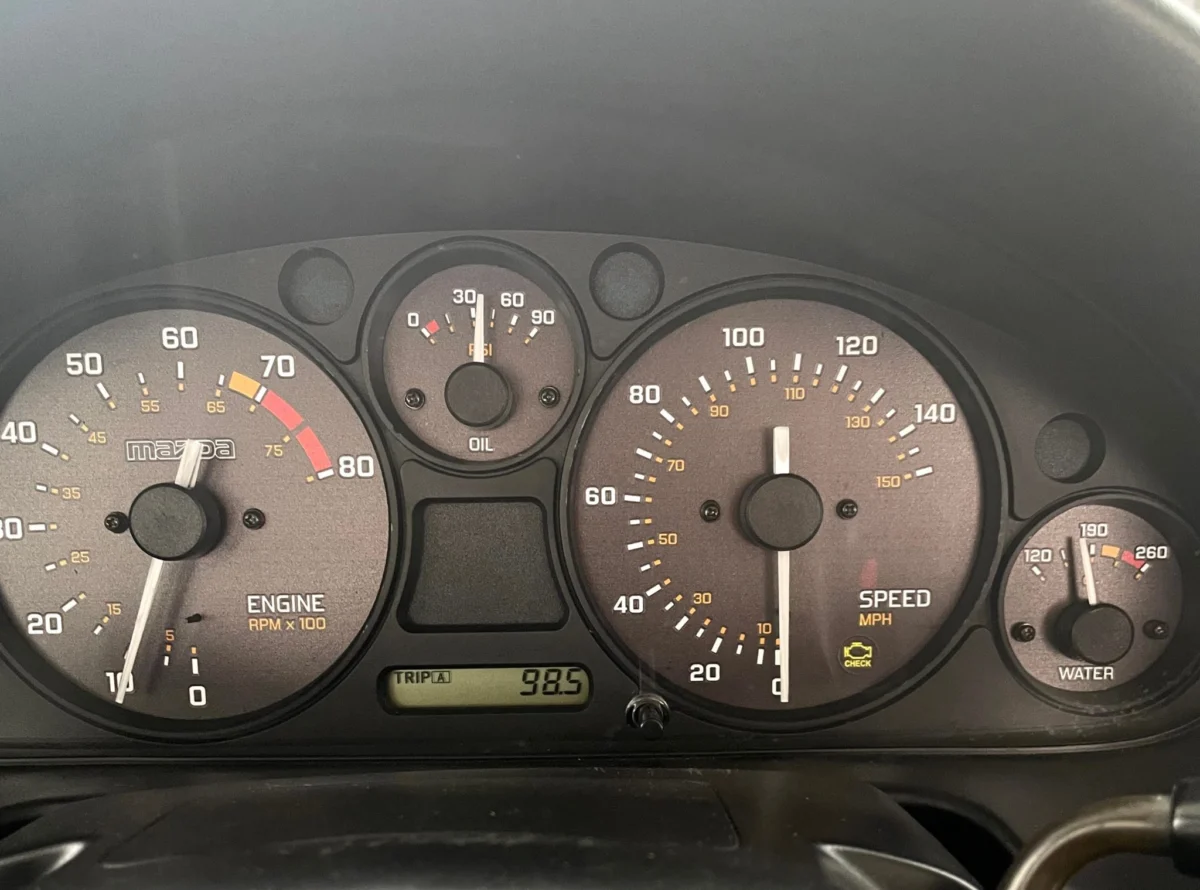
The evolution of automotive instrumentation has transitioned significantly from basic analog needles to sophisticated, data-rich digital interfaces. For owners of the second-generation Mazda MX-5 (NB), produced between 1998 and 2005, the quest for accurate engine telemetry has become a focal point of performance tuning. While the MX-5 is celebrated for its mechanical purity and driver engagement, its factory instrumentation often falls short of the requirements for high-performance driving, autocross, and track-day applications. Modern enthusiasts are increasingly moving away from bulky, obstructive aftermarket gauge pods in favor of integrated solutions that combine the aesthetic of the original interior with the precision of contemporary sensor technology.
The Technical Limitations of Factory NB Miata Instrumentation
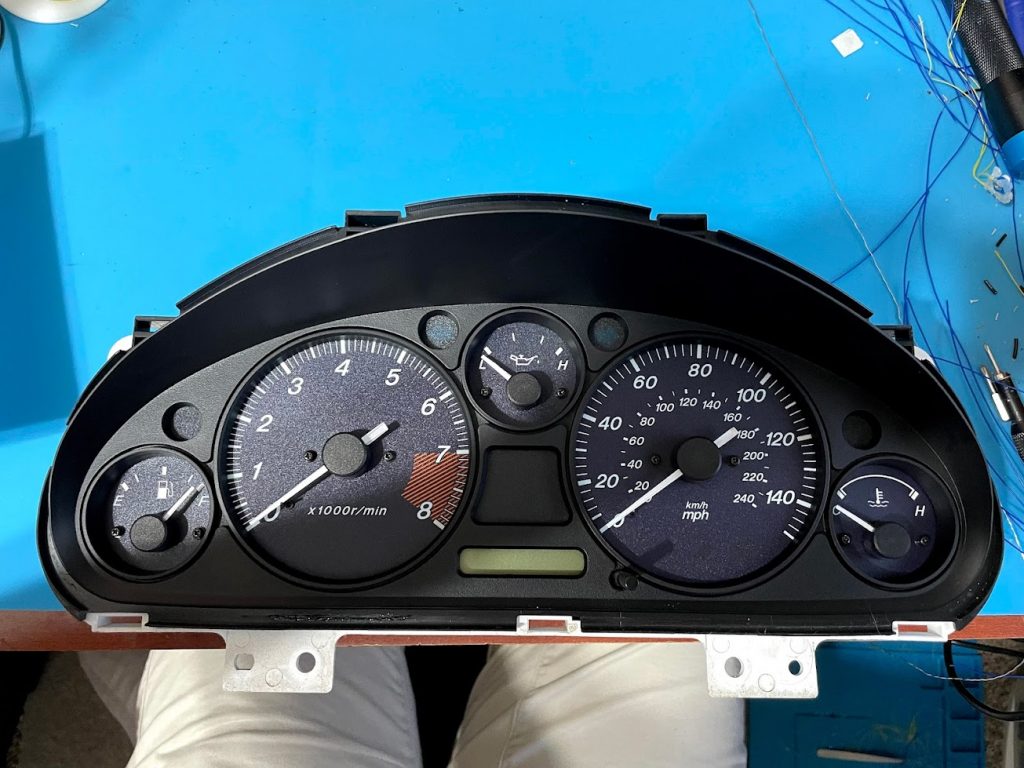
To understand the necessity of aftermarket upgrades, one must analyze the architecture of the stock Mazda NB instrument cluster. From a design perspective, the cluster is a quintessential example of late-90s ergonomics, featuring a central tachometer and speedometer flanked by smaller ancillary gauges. However, the functionality of the oil pressure and coolant temperature gauges has long been a point of contention among performance enthusiasts.
In the NB Miata, the factory oil pressure gauge functions essentially as a binary indicator, often referred to in technical circles as a "dummy gauge." Unlike the early NA6 (1990–1993) models, which featured a linear, functional oil pressure sender, the NB utilizes a basic pressure switch. Once the engine reaches a minimum threshold of oil pressure—typically around 4 to 7 PSI—the needle moves to a fixed middle position and remains static regardless of RPM or oil viscosity changes. This lack of granularity means that a driver cannot detect a gradual loss of pressure or high-pressure spikes; by the time the needle drops to zero, catastrophic engine failure is often imminent.
Similarly, the factory coolant temperature gauge is heavily damped. It is designed with a wide "dead zone" in the center of its sweep to prevent the needle from fluctuating during normal operating temperature variances. While this prevents unnecessary concern for the average commuter, it renders the gauge useless for track use. The needle typically remains stationary between 160°F and 210°F, only moving toward the "hot" zone once the engine has already begun to overheat. For a vehicle frequently pushed to its thermal limits, this lack of real-time data represents a significant risk to engine longevity.
The Ergonomic Conflict of A-Pillar Gauge Pods
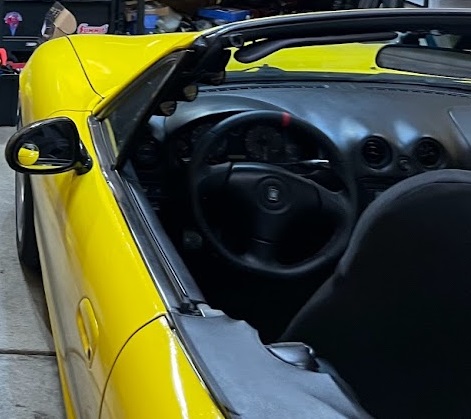
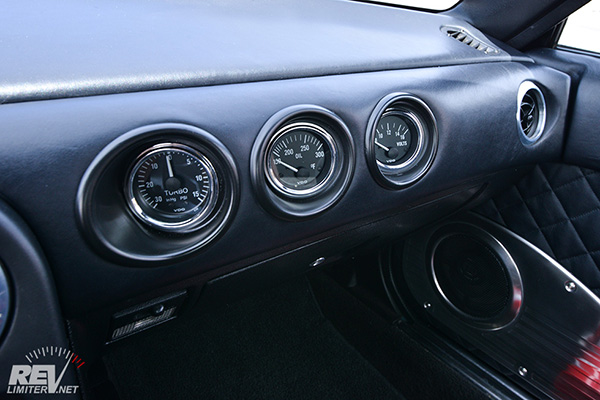
Historically, the standard solution for monitoring critical engine vitals involved the installation of additional 52mm analog or digital gauges. The most common mounting location is the A-pillar, where "pods" can house two or three additional displays. While this method allows for the inclusion of essential data—such as vacuum/boost, oil temperature, and wideband air-fuel ratio (AFR)—it introduces several compromises.
From a safety and visibility standpoint, A-pillar pods significantly increase the thickness of the driver-side pillar. In the tight confines of a Miata cockpit, this creates a substantial blind spot, particularly problematic during tight left-hand turns in autocross or on technical race circuits. Furthermore, the installation of multiple gauges requires a complex web of wiring, vacuum lines, and sensor leads to be routed through the firewall and up the interior trim. This often results in a cluttered aesthetic and difficult-to-service hardware.
Alternative mounting locations, such as the radio DIN slot or center air vents, also present drawbacks. Gauges mounted in the center console require the driver to take their eyes off the road or track, while vent-mounted gauges sacrifice cabin airflow—a luxury in a small car that can become uncomfortably hot during summer events.
Integration of the CANchecked MFA 2.0 Multifunction Display
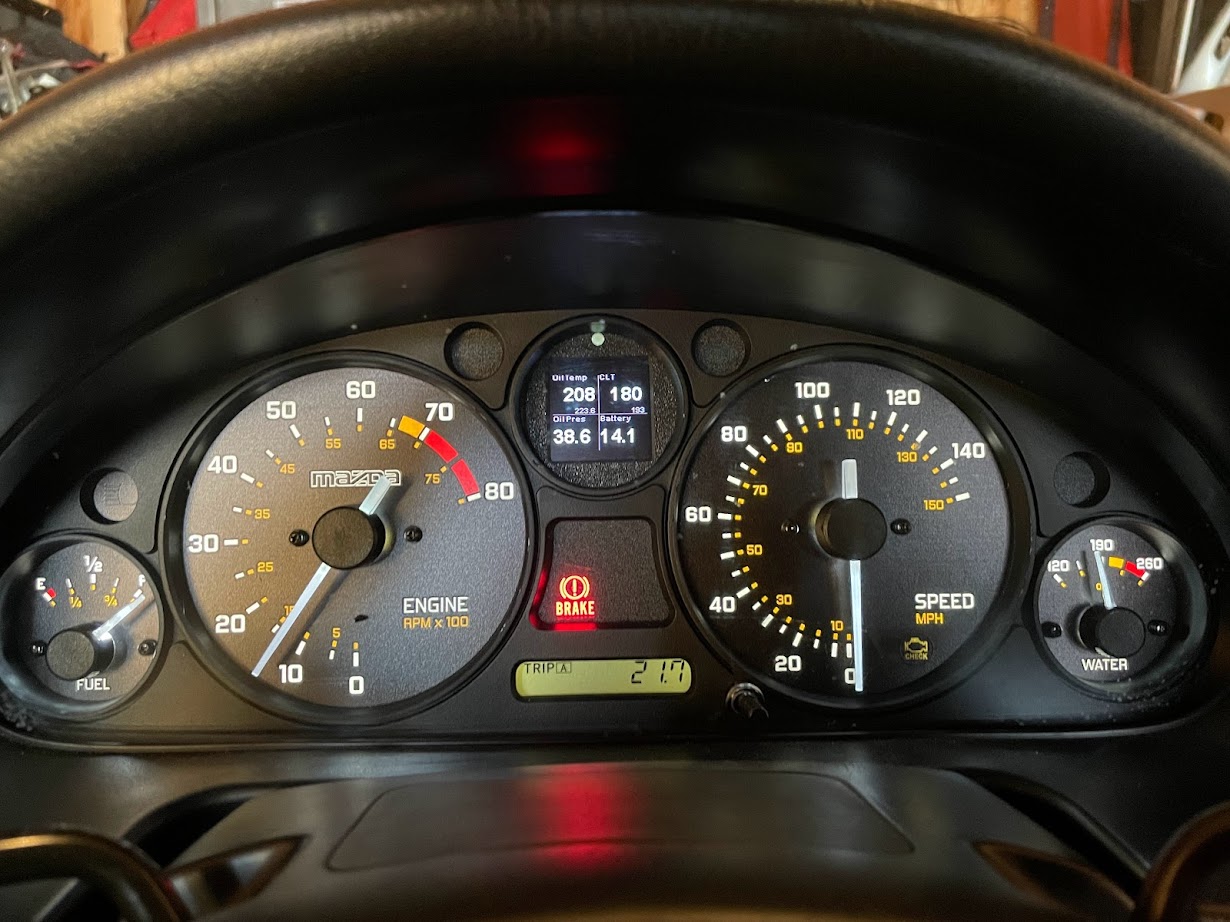
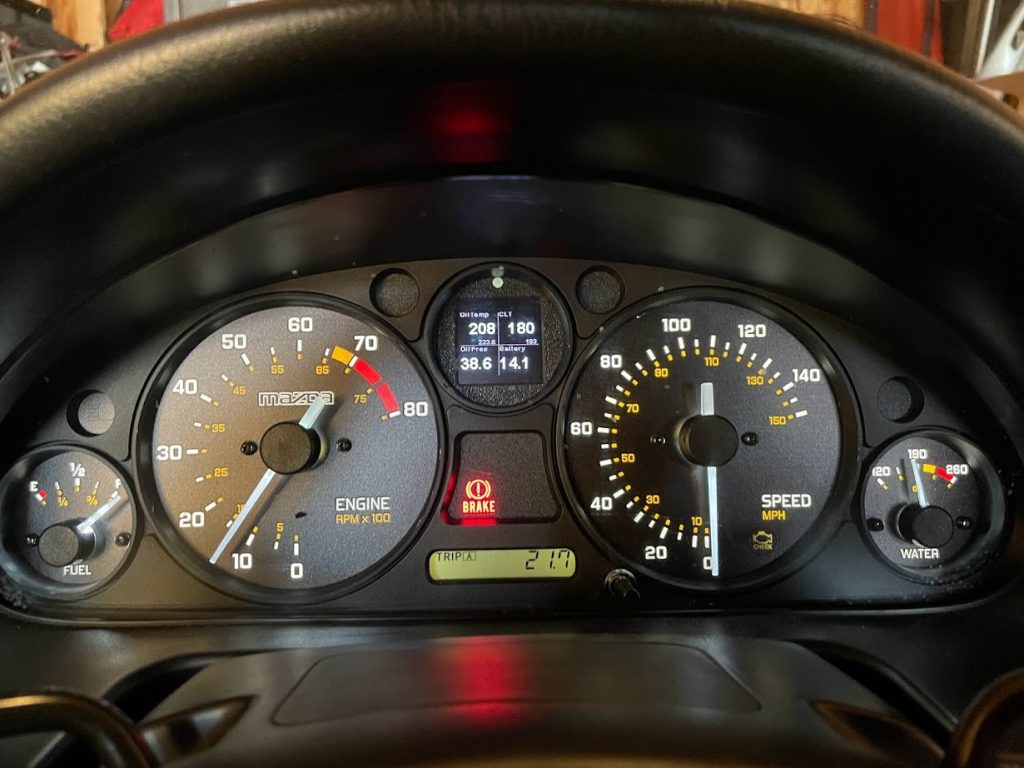
The emergence of the CANchecked MFA 2.0 multifunction display represents a paradigm shift in how MX-5 owners approach data monitoring. Rather than adding external pods, this technology allows for the replacement of the factory "dummy" oil pressure gauge with a high-resolution OLED/LCD screen that fits directly into the OEM cluster housing.
The MFA 2.0 is a specialized digital module designed to communicate via the Controller Area Network (CAN bus) protocol. Because the stock NB Miata ECU does not natively support CAN bus output, this upgrade is typically paired with a standalone engine management system (EMS), such as the Megasquirt MS3 or MS3Pro. These aftermarket ECUs are capable of broadcasting a vast array of sensor data—including manifold absolute pressure (MAP), intake air temperature (IAT), ignition timing, and fuel pulse width—over the CAN network.
The CANchecked display can be configured to show up to six parameters simultaneously across multiple customizable "dashboards." This allows a driver to have a "street" view with basic vitals and a "track" view focused on oil temperature, oil pressure, and AFR. Beyond CAN bus data, the unit features four analog inputs, enabling the direct connection of dedicated sensors. This is particularly useful for monitoring oil temperature and pressure with high-precision linear sensors, bypassing the limitations of the factory Mazda hardware entirely.
Aesthetic Refinement through RevLimiter Custom Instrumentation
While digital displays solve the problem of data accuracy, many enthusiasts wish to retain or enhance the classic aesthetic of the Miata’s interior. This has led to the widespread adoption of RevLimiter custom gauge faces. Produced by independent designer Adam Wolf, these gauge faces are engineered to meet or exceed original equipment manufacturer (OEM) standards.
The RevLimiter "JNC" (Japanese Nostalgic Car) design, inspired by vintage instrumentation from the 1960s and 70s, has become a popular choice for those seeking a "restomod" appearance. These faces are manufactured using high-grade polycarbonate with a multi-layer printing process that ensures perfect light diffusion and zero "hot-spotting" from the backlighting.
A critical component of this aesthetic upgrade is the transition from the factory green incandescent bulbs to high-output white LEDs. This modernization provides a crisp, high-contrast look that improves readability during night driving. When combined with the CANchecked digital display, the result is a hybrid instrument cluster that offers the best of both worlds: the timeless appeal of analog dials for speed and engine RPM, and the cutting-edge precision of a digital multifunction display for critical engine health metrics.
The Future of Data Acquisition: RaceCapture and Telemetry
For the advanced driver, monitoring vitals is only the first step. The next frontier in the MX-5 community is the integration of high-frequency data logging systems like the RaceCapture Pro. Unlike a simple gauge, which provides a snapshot in time, a data logger records information for post-session analysis.
The RaceCapture Pro system can log data at frequencies up to 100Hz, capturing nuances in vehicle behavior that are invisible to the naked eye. By integrating with the same CAN bus network used by the CANchecked display, the logger can record engine data alongside GPS-based lap timing and accelerometer-based G-force data. Future hardware expansions in this sector are expected to focus on:
- Brake Pressure Transducers: Measuring the exact PSI applied to the braking system to analyze threshold braking performance.
- Throttle Position (TPS) Analysis: Correlating throttle input with corner exit speeds to identify areas for driver improvement.
- Linear Potentiometers: Mounted to the suspension to monitor ride height and shock travel, allowing for precise tuning of spring rates and damping.
- Wheel Speed Sensors: Monitoring individual wheel speeds to detect lock-up or wheel spin, providing data for traction control optimization.
Market Implications and Conclusion
The movement toward integrated, data-driven instrumentation reflects a broader trend in the automotive aftermarket. As vehicles like the NB Miata age, they are transitioning from affordable used cars to "modern classics" that justify significant investment. Owners are no longer satisfied with "universal" parts that compromise the car’s ergonomics; they demand bespoke solutions that integrate seamlessly with the original design.
The combination of CANchecked digital hardware and RevLimiter aesthetic components represents a sophisticated approach to vehicle modification. It addresses the inherent flaws of the 20-year-old Mazda design while preparing the platform for the demands of modern performance driving. By prioritizing visibility, accuracy, and data logging, enthusiasts are ensuring that the MX-5 remains a viable and competitive platform on the track for years to come. This evolution from simple "dummy" gauges to comprehensive telemetry systems marks the maturity of the Miata tuning scene, where data is king and precision is the ultimate goal.