Jia Lissa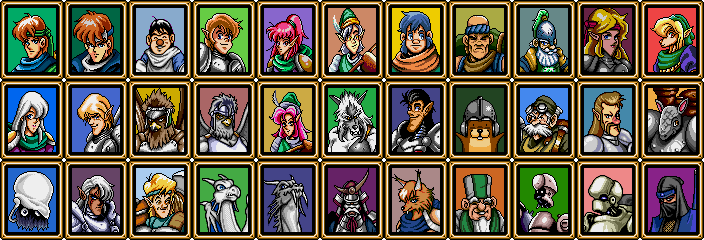
Following the commercial success of Shining in the Darkness in March 1991, the Japanese development studio Climax found itself at a pivotal crossroads. While the industry and fans expected a direct sequel to the dungeon-crawling hit, studio head Hiroyuki Takahashi envisioned a project that would fundamentally alter the landscape of the role-playing genre. This vision would eventually materialize as Shining Force, a title that not only expanded the lore established by its predecessor but also pioneered the tactical role-playing game (TRPG) subgenre on home consoles. The development of Shining Force was marked by significant technical hurdles, a shifting corporate relationship with Sega, and an ambitious design philosophy that prioritized cinematic combat over traditional menu-based interaction.
The Formation of Sonic Co. and the Shift in Sega’s RPG Strategy
By the dawn of the 1990s, Sega’s presence in the RPG market was largely overshadowed by Nintendo’s dominance with the Dragon Quest and Final Fantasy franchises. However, the release of Phantasy Star III and Shining in the Darkness indicated a growing appetite for the genre among Genesis (Mega Drive) owners, particularly in Western markets. Recognizing the need for a dedicated unit to manage the increasing complexity of RPG production, Sega entered a joint venture with Hiroyuki Takahashi in June 1991 to form Sonic Co., Ltd.
This new entity was established with a 40-million-yen investment, with Sega holding an 85% stake and Climax holding 6.25%. Named after Sega’s burgeoning mascot, Sonic Co. was designed to handle the planning, market research, and marketing for RPG titles. The studio was led by Director Kenji Orimo, a veteran with deep ties to the manga industry. Orimo’s background allowed the studio to recruit specialized artists and storytellers, treating game development more like a high-end production agency rather than a traditional software house. This structural shift allowed Climax to focus on programming and technical execution while Sonic Co. refined the narrative and aesthetic foundations of what would become the Shining series.
Design Philosophy: Moving Beyond the "Simulation" Stigma
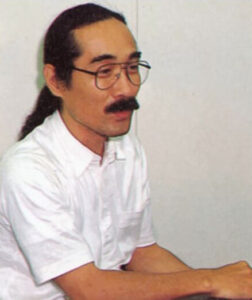
Hiroyuki Takahashi’s motivation for Shining Force did not stem from a desire to create a traditional strategy game. In contemporary interviews, Takahashi admitted to being unimpressed by the "simulation" games of the era, such as Famicom Wars or Nobunaga’s Ambition. He found the pacing of these titles—and even Nintendo’s Fire Emblem—to be prohibitively slow and lacking in narrative weight. Takahashi sought to combine the tactical depth of PC strategy games with the dramatic character-driven storytelling of Enix’s Dragon Quest series.
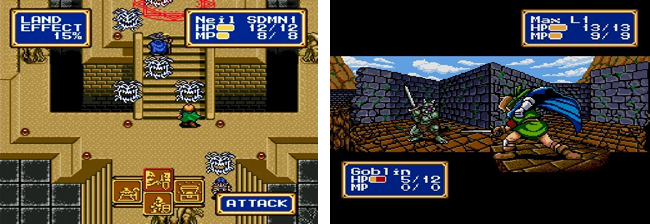
The breakthrough for the project came when Takahashi encountered the PC88 title Silver Ghost (1988). Unlike other strategy games that relied on static board-game mechanics, Silver Ghost emphasized the management of multiple characters in a way that felt dynamic. Takahashi realized that by introducing "distance" and "terrain" into the RPG combat loop, he could expand the tactical choices available to the player. Instead of merely selecting "Attack" or "Magic" from a static menu, players would have to consider formations, advantageous positioning, and environmental factors.
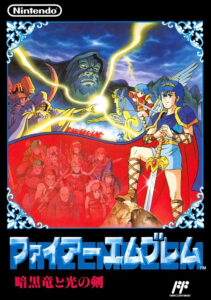
Despite the skepticism of some Climax members, including Directors Orimo and Yasuhiro Taguchi—who initially found the strategy genre unappealing—Takahashi’s vision for a "Strategy-RPG" hybrid eventually took hold. The team aimed to retain the traditional RPG elements of exploration and town interaction while revolutionizing the combat sequences.
Technical Milestones: The 12-Megabit Frontier
At the time of its development, Shining Force was one of the most technologically ambitious projects on the Sega Genesis. While early Genesis titles typically utilized four megabits of memory, Shining Force was expanded to 12 megabits to accommodate its massive cast and high-fidelity animations. This made it the largest RPG on the console at the time of its release.
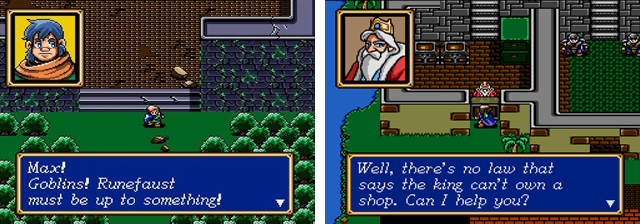
The technical demands were driven primarily by Takahashi’s insistence on cinematic battle scenes. He wanted combat to feel like an "action movie," with large, detailed sprites and fluid animations. To achieve this within the limitations of the Genesis hardware, Climax developed sophisticated data compression routines. While standard compression typically yielded a 50% reduction in file size, the Climax team, led by programmer Yoshinori Tagawa, managed to refine their tools to achieve an unprecedented 22% compression rate.
Furthermore, the team addressed the "sluggishness" common in turn-based games by optimizing the enemy AI. Tagawa’s routines allowed the CPU to calculate movement, magic use, and attack patterns for enemy units in under one second. This ensured that the game maintained a brisk tempo, a stark contrast to the lengthy wait times found in contemporary PC strategy titles.
Artistic Direction and the "Reading Girl" Motif
Yoshitaka Tamaki, the artist responsible for the look of Shining in the Darkness, returned to define the visual identity of Shining Force. Takahashi’s mandate was to move away from the "Disney-like" caricatures of the first game toward a more grounded, realistic fantasy style. This shift reflected the game’s darker themes of continental war, political betrayal, and ancient legacies.
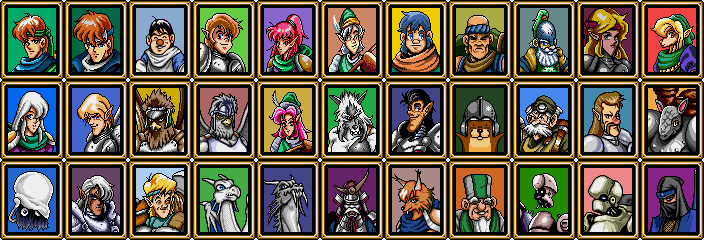
Tamaki was tasked with designing over 30 playable characters, a figure that nearly doubled the workload of a standard RPG designer. To add individuality to the large cast, Tamaki created detailed backstories for even the most minor recruits. This led to the creation of fan-favorite characters like Zylo the wolfling and the enigmatic Jogurt. The latter began as a doodle used for graphic data testing but was eventually included as an "in-house joke" that became a staple of the franchise’s lore.
The game also introduced the "Reading Girl" (often referred to as Simone by fans), a character who exists outside of time and space to frame the narrative. This meta-narrative approach was designed to evoke the feeling of a child reading a historical epic about a long-forgotten war, adding a layer of tragic perspective to the game’s conflict.
Audio Engineering: The Enigma of Masahiko Yoshimura
The soundtrack for Shining Force was composed by Masahiko Yoshimura, a member of Mecano Associates. Yoshimura’s work was characterized by noble, orchestral-style themes that utilized the Genesis’s FM synthesis to its fullest potential. However, Yoshimura was famously perfectionist; he reportedly felt the Genesis hardware was unable to fully express the beauty of his compositions. This dissatisfaction led him to record orchestrated versions of the soundtrack for a special "Sound Story" CD. Following the completion of Shining Force, Yoshimura largely withdrew from the video game industry, leaving a legacy of two highly influential scores that defined the early sound of the Shining franchise.
Market Reception and the Fracturing of the Sega-Climax Relationship
Shining Force was released in Japan on March 27, 1992, followed by a Western release nearly a year later. The game was an immediate critical success, lauded for its accessible interface and impressive visuals. However, despite its enduring legacy, internal data suggests the game sold approximately 200,000 units worldwide—a figure lower than the sales of its predecessor.
Several factors may have contributed to this performance. The shift to a strategy-based combat system was a risk in the North American market, where the subgenre was still in its infancy. Furthermore, the relationship between Climax and Sega began to strain during this period. Takahashi later remarked that as Sega grew into a global corporate giant, its management became increasingly focused on profit margins and less accommodating of the creative independence demanded by smaller subsidiaries like Climax.

The budgets for these projects remained relatively small despite their high production values. Takahashi noted that Climax was often treated as an "unruly subsidiary," which eventually led the studio to seek greater independence. This friction would culminate years later during the Sega Saturn era, when the ambitious Shining Force III trilogy was only partially released in the West, effectively ending the partnership.
Chronology of the Shining Force Era
- April 1990: Climax is founded by Kan Naito and Hiroyuki Takahashi.
- March 1991: Shining in the Darkness is released, establishing the brand.
- June 1991: Sonic Co., Ltd. is formed as a joint venture between Sega and Takahashi.
- August 1991: Sega officially announces Shining Force at a major press conference.
- December 1991: Climax submits the final 12Mb ROM under intense "crunch" conditions.
- January 1992: Shining Force is showcased at the Winter CES in Las Vegas.
- March 27, 1992: Shining Force launches in Japan.
- July 1993: Shining Force is released in North America.
Legacy and Impact on the Genre
Shining Force remains a foundational text for the tactical RPG genre. By removing the high barrier to entry typically associated with strategy games, Climax proved that tactical depth and narrative accessibility were not mutually exclusive. The game’s influence can be seen in subsequent generations of TRPGs, from Final Fantasy Tactics to Disgaea.
The title spawned a massive franchise that included sequels on the Game Gear, Sega CD, and Saturn, as well as a 2004 remake for the Game Boy Advance. While the Shining series has since evolved into various action-RPG formats under different development teams, the original 16-bit Shining Force continues to be cited by critics as the high-water mark for the franchise. Its combination of technical innovation, character-driven storytelling, and cinematic combat ensures its place in the canon of the greatest role-playing games of the 16-bit era.