Cecilia Chamidah Nur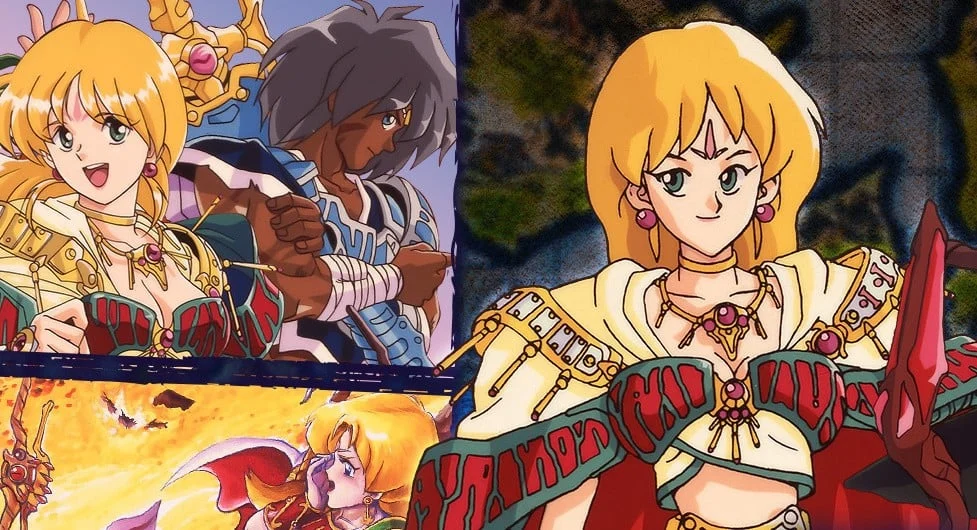
Japanese retro game specialist Edia, in collaboration with publisher Yanoman Corporation, has officially announced the upcoming release of the Aretha Collection 1993-1995. This new compilation is set to bring three cherished Super Famicom role-playing games from Yanoman’s catalog to a contemporary audience, launching on PlayStation 5, PlayStation 4, and Nintendo Switch platforms. The collection is specifically designed to encapsulate the 16-bit era of the Aretha series, providing both long-time fans and newcomers an opportunity to experience these classic titles.
The Aretha Collection 1993-1995 will feature a trio of Super Famicom RPGs: Aretha the Super Famicom, originally released in 1993; Aretha II: Ariel no Fushigi-na Tabi, which followed in 1994; and Rejoice: Aretha Oukoku no Kanata, concluding the Super Famicom trilogy in 1995. This compilation marks a significant effort by Edia, a company renowned for its dedication to curating and re-releasing vintage Japanese gaming experiences, to preserve and celebrate a distinct segment of RPG history.
The collection is scheduled for a Japanese release on July 30th, 2026, with a standard digital and physical edition priced at 8,580 yen (approximately $55 USD at current exchange rates). For collectors and dedicated enthusiasts, a special physical deluxe edition will also be available for PlayStation 5 and Nintendo Switch, retailing at a premium price of 16,280 yen (approximately $105 USD). This premium package is designed to offer substantial value, including an illustrated booklet providing lore and artwork, a large acrylic stand featuring key characters, a jigsaw puzzle, and a soundtrack CD, making it a comprehensive offering for fans of the series and retro gaming memorabilia.
The announcement of the Aretha Collection 1993-1995 followed an intriguing sequence of events, typical of the modern gaming industry’s news cycle. Initial details regarding the collection first surfaced prematurely, a common occurrence when information from print media leaks ahead of official digital dissemination. Subscribers to the popular weekly Japanese gaming magazine, Famitsu, reportedly received their copies early, leading to the rapid circulation of the news online. This information was subsequently picked up and reported by prominent gaming bloggers and news aggregators, including Ryokutya2089 and Gematsu, which brought the leak to a wider international audience.
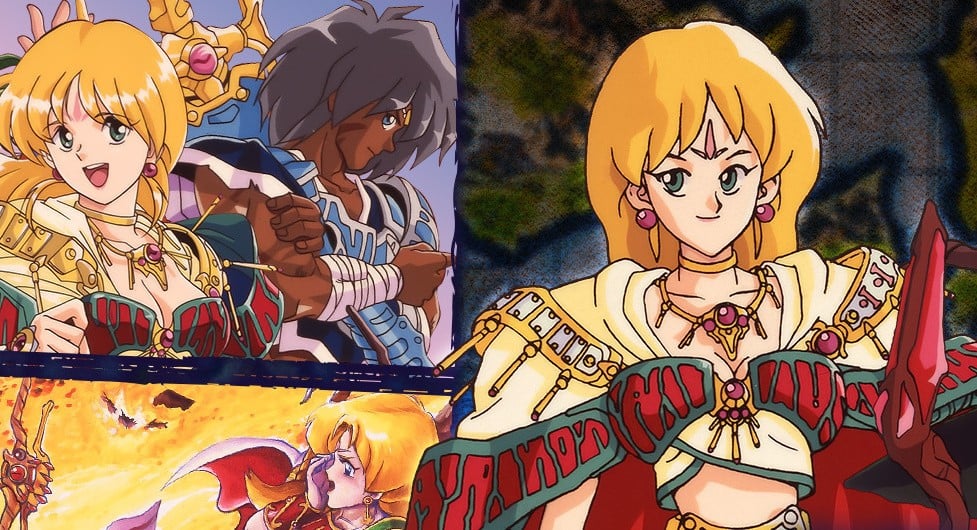
In the immediate aftermath of the leak, Yanoman Corporation, via its official Twitter/X account (@puzzle_yanoman), initially requested followers to disregard the circulating information, signaling that the reveal was unintended. However, the attempt to contain the news proved temporary. A few hours later, at 11:58 JST on Wednesday, April 8th, 2026, Yanoman fully lifted the shroud of secrecy, officially confirming the collection’s existence and details on its social media channels. This sequence of events underscores the challenges faced by publishers in controlling information in the digital age, where print leaks can rapidly accelerate official announcements.
The Aretha series itself boasts a rich history that predates its Super Famicom iterations. The franchise originated in 1990 with the release of Aretha for the Nintendo Game Boy, a collaborative effort between Yanoman and Japan Art Media (JAM). This inaugural title introduced players to Princess Materia of Aretha, a character whose tragic backstory laid the foundation for the series’ narrative depth. Materia’s journey begins with her being cast adrift in a basket after her sister’s abduction and the invasion of her kingdom by the formidable Demon King Howard. Rescued and raised by Old Man Floyd, Materia eventually uncovers the truth of her lineage and embarks on a quest to liberate her kingdom from the malevolent curse that afflicts it.
The success of the original Game Boy title led to the expansion of the Aretha universe, spawning five additional games across two Nintendo platforms. Two more titles continued Materia’s story on the Game Boy, deepening the lore and expanding the world. The series then transitioned to the Super Famicom with a distinct trilogy, which is the focus of the newly announced collection. The first game in this 16-bit series, Aretha the Super Famicom, notably takes place a century after the events depicted in the Game Boy games. It introduces a new protagonist, Ariel, a young girl whose mysterious past becomes central to the unfolding narrative, effectively bridging the past and future of the Aretha saga while offering a fresh entry point for players.
From a gameplay perspective, the Super Famicom entries in the Aretha series largely adhere to the conventions of Japanese Role-Playing Games (JRPGs) prevalent during the 16-bit era. Both Aretha the Super Famicom and Aretha II: Ariel no Fushigi-na Tabi are quintessential turn-based JRPGs, characterized by extensive exploration of overworld maps and intricate dungeons, coupled with a system of random encounters that challenge players with strategic combat. This format was a hallmark of the genre during the Super Famicom’s golden age, a period that saw the release of many iconic RPGs that defined the genre for generations.
However, the final game in the collection, Rejoice: Aretha Oukoku no Kanata, stands out as a unique entry. Diverging from the traditional turn-based combat of its predecessors, Rejoice is notable for being one of the few multiplayer action RPGs released on Nintendo’s 16-bit console. This shift in gameplay mechanics offered a fresh experience, allowing multiple players to engage in real-time combat and exploration, adding a dynamic layer to the series’ conclusion on the Super Famicom. This innovative approach for its time likely provided a distinct appeal, demonstrating Yanoman’s willingness to experiment within the established framework of the Aretha universe.
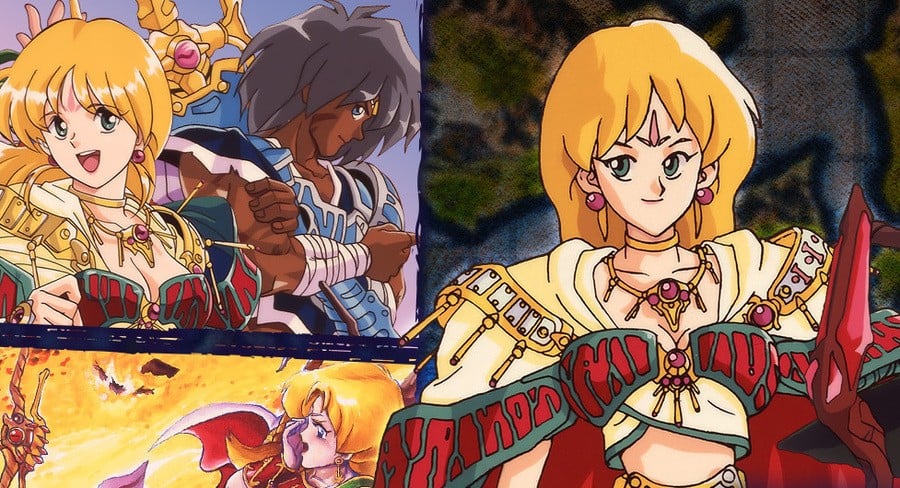
A significant aspect of the Aretha series’ history, particularly for a global audience, is the unfortunate reality that none of the games ever received an official English localization. This meant that for decades, these titles remained largely inaccessible to players outside of Japan, except through niche import channels or fan-driven efforts. Given this historical context, it is widely anticipated that the Aretha Collection 1993-1995 will also primarily target the Japanese market, and an official Western release with English translation is considered unlikely. This lack of localization underscores a common challenge for many beloved Japanese retro titles, which often struggle to find official pathways to international audiences.
Despite the absence of official English releases, the Aretha series has managed to cultivate a dedicated following among overseas fans, primarily thanks to the tireless efforts of the fan translation community. Enthusiastic individuals and groups have meticulously translated the Super Famicom entries, making them playable for non-Japanese speakers. Notable fan translations exist for Aretha the Super Famicom and Aretha II: Ariel no Fushigi-na Tabi, which can be found on community platforms like romhacking.net. These fan-driven projects have been instrumental in preserving and disseminating classic Japanese games, allowing a broader global audience to appreciate their narratives and gameplay. The announcement of this collection is likely to pique the interest of these dedicated overseas fans, who may consider importing the collection to experience the games in their officially re-released form.
The launch of the Aretha Collection 1993-1995 is not an isolated event but rather appears to be part of a broader, multi-faceted celebration orchestrated by Yanoman Corporation to commemorate the series’ enduring legacy. This collection follows an earlier announcement regarding the series’ 35th Anniversary. As part of these celebrations, Yanoman is set to release a special soundtrack collection in August 2025, specifically covering the music from the original Game Boy games. Furthermore, the company has revealed plans for a second soundtrack release, which will focus on the distinct musical compositions from the Super Famicom games featured in this new collection. This comprehensive approach, encompassing both game re-releases and soundtrack albums, indicates a renewed commitment by Yanoman to re-engage with its classic intellectual properties and cater to its loyal fanbase.
The re-emergence of the Aretha series through this collection and associated anniversary products reflects a significant trend within the video game industry: the increasing demand for retro game compilations and the growing emphasis on digital preservation. For Edia, this collection further solidifies its reputation as a leading provider of meticulously crafted retro compilations, leveraging its expertise in porting and packaging classic titles for modern hardware. For Yanoman, it represents a strategic move to tap into nostalgic interest, potentially gauging market demand for future remasters, remakes, or even new entries in the Aretha universe. Such initiatives not only provide valuable opportunities for younger generations of players to discover historical titles but also ensure that these games are preserved and accessible beyond the rapidly aging original hardware.
The implications of such a release extend beyond just the immediate sales figures. For the JRPG community, particularly those who appreciate niche and lesser-known titles from the genre’s golden era, the Aretha Collection 1993-1995 offers a chance to experience these games officially, even if importing is necessary. It highlights the enduring appeal of 16-bit RPGs, a period often considered a zenith for narrative depth and character development in gaming. The inclusion of a multiplayer action RPG like Rejoice also underscores the genre’s early experimentation and diversity. While the lack of an official Western release remains a barrier for many, the collection’s existence on modern platforms provides a more stable and accessible way for fans, especially those who utilize fan translations, to enjoy these cult classics. Ultimately, this collection contributes to the ongoing efforts of game preservation, ensuring that a piece of Japan’s rich gaming heritage remains vibrant and available for future generations of players and historians alike.