Farhan hamdan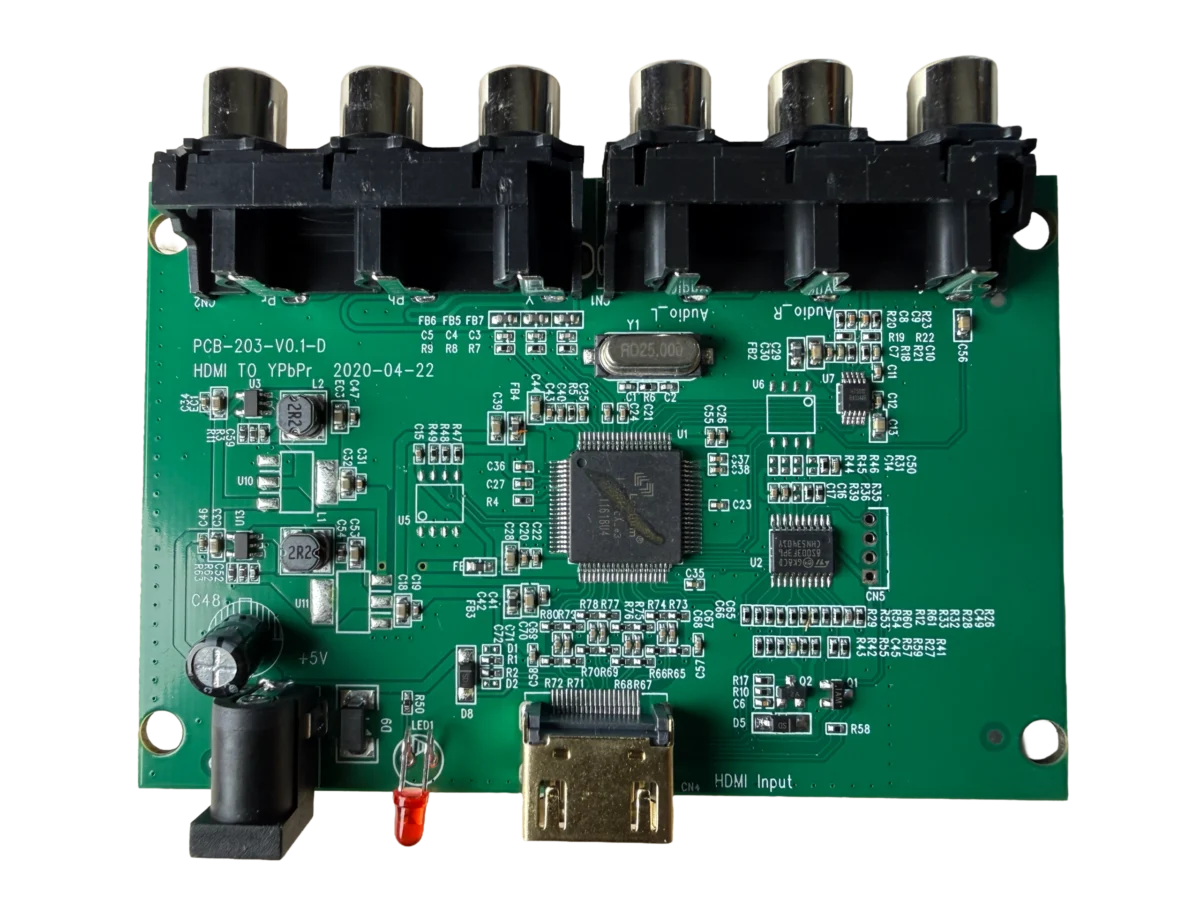
A previously elusive and critically sought-after piece of hardware for retro gaming enthusiasts and users of legacy displays, a budget-friendly HDMI to YPbPr component video Digital-to-Analog Converter (DAC) capable of correctly processing 15KHz 240p and 480i signals, has been identified. Priced at under $20, this specific model, featuring a Lontium chipset and a distinct internal motherboard layout, offers a surprisingly effective solution to a long-standing technical challenge, albeit with inherent caveats regarding stock availability and sourcing consistency. The discovery, prominently featured by retro gaming hardware specialist RetroRGB, highlights both the persistent demand for such devices and the challenges of securing reliable, cost-effective options within niche consumer electronics markets.
The Enduring Relevance of YPbPr Component Video in a Digital Age
The advent of this affordable DAC underscores a significant gap in the mainstream electronics market, a void largely created by the widespread adoption of HDMI as the ubiquitous digital display interface. While modern televisions and monitors universally feature HDMI inputs, a substantial installed base of high-quality legacy displays, particularly Cathode Ray Tube (CRT) televisions and professional video monitors (PVMs/BVMs), continue to rely on analog video inputs such as YPbPr component video. This format, which separates video signals into luminance (Y) and two color-difference components (Pb and Pr), offered superior image quality compared to composite video or S-Video during its peak prevalence in the late 1990s and early 2000s.
For retro gaming enthusiasts, the continued relevance of YPbPr is multifaceted. Many iconic gaming consoles from the sixth generation (e.g., PlayStation 2, Nintendo GameCube, original Xbox, Nintendo Wii) natively output YPbPr signals, often representing the highest quality analog output available from these systems. Moreover, a dedicated segment of the retro gaming community staunchly prefers playing on original CRT displays, citing authentic visual aesthetics, zero input lag, and the unique way CRT technology renders pixel art. Connecting modern HDMI-only sources, such as FPGA-based recreations like the MiSTer, single-board computers like the Raspberry Pi running emulation software, or even modern consoles with HDMI output, to these legacy YPbPr-only displays necessitates a reliable HDMI-to-YPbPr conversion.
The Critical Challenge of 15KHz Signal Compatibility
The primary technical hurdle in HDMI-to-YPbPr conversion, and the defining feature that sets this newly identified DAC apart, is its compatibility with 15KHz video signals, specifically 240p and 480i. These resolutions are fundamental to classic gaming. The 240p progressive scan format, characterized by a horizontal scan rate of approximately 15.7 KHz, was the native output for many consoles from the 8-bit to early 32-bit eras, allowing for crisp, artifact-free pixel art on CRTs. The 480i interlaced format, also operating at a similar horizontal scan rate but displaying alternating fields of lines, was common for early 3D games and standard definition broadcast television.
Most commercially available, inexpensive HDMI-to-component converters fail precisely at this juncture. Designed for modern video standards, they typically expect and correctly process higher resolution progressive signals like 480p, 720p, or 1080p. When fed a 240p signal, these generic converters often misinterpret it as 480i or an unsupported resolution, resulting in garbled, distorted, or completely absent video output. This incompatibility has forced enthusiasts to either invest in significantly more expensive, specialized DACs—often designed for professional broadcast applications—or to compromise on image quality by using lower-tier analog connections. The ability of this sub-$20 DAC to correctly interpret and output 15KHz 240p and 480i signals makes it a game-changer for budget-conscious hobbyists.
The "Hunt for the Right DAC": A Community-Driven Search
The identification of this particular DAC is not an isolated event but rather the culmination of an ongoing, community-driven effort within the retro gaming hardware scene to uncover and validate suitable solutions. For years, enthusiasts have scoured online marketplaces, experimented with various generic converters, and conducted extensive testing to find devices that meet the specific requirements of retro video signals. The process often involves purchasing multiple units, disassembling them to inspect internal components, and rigorously testing their performance across a range of consoles and displays.
Bob from RetroRGB, a prominent figure in the retro hardware community known for his detailed reviews and technical insights, highlighted this struggle. His decision to feature this budget DAC on his main YouTube channel, despite acknowledging the inherent unreliability of its stock, underscores the urgency and widespread interest in such a solution. "I really struggled with how much time I should spend on a product with an unreliable stock/store," he stated, explaining his eventual decision to promote it as a catalyst for a "hunt for the right YPbPr DAC." This call to action encourages the community to collectively identify and share links to other units featuring the exact same motherboard and Lontium chip, recognizing that identical internal hardware is often sold under various brand names and listings on platforms like AliExpress.

This collaborative approach is critical in a market segment where product specifications are often vague, and manufacturers frequently alter internal components without updating product descriptions. The "hunt" effectively transforms individual consumer purchases into a decentralized quality control and sourcing network, leveraging the collective expertise of thousands of enthusiasts to navigate a fragmented and often opaque supply chain.
Technical Insights: The Lontium Chipset Advantage
The key to this DAC’s compatibility lies in its internal chipset, specifically identified as a Lontium chip (likely from the LT8619 series). Lontium Semiconductor is known for producing video interface chips, including those capable of handling a wide range of video formats, both digital and analog. Unlike many generic HDMI receiver and analog encoder chipsets found in cheap converters, Lontium solutions often possess the necessary flexibility and robust EDID (Extended Display Identification Data) handling capabilities to correctly interpret and downscale non-standard or legacy resolutions like 240p.
While the specific model of the Lontium chip was not explicitly detailed, the presence of this particular brand is a strong indicator of its potential performance. Enthusiasts who dismantle these devices look for distinct visual cues on the motherboard, such as the chip’s branding and surrounding circuitry, to confirm it matches a known-good configuration. This internal consistency, rather than external branding, becomes the true identifier for reliable performance in this niche.
The "quirky" nature mentioned in the initial assessment likely refers to common characteristics of budget electronics:
- Build Quality: Often made with cost-cutting in mind, enclosures might be flimsy, and soldering quality can vary.
- Power Requirements: Many budget DACs require external USB power, which might not always be supplied with the unit, leading to initial setup confusion.
- Signal Integrity: While functional, minor signal noise or slight color inaccuracies might be present compared to professional-grade equipment, though often imperceptible to the average user.
- EDID Negotiation: While the Lontium chip is good, some budget implementations might still occasionally struggle with specific source device EDID handshakes, requiring power cycling or specific boot orders.
- Input Lag: While analog conversion typically introduces minimal lag, some budget digital processing could theoretically add a frame or two, though this is less common for simple DACs.
Despite these potential quirks, the functionality it provides at its price point far outweighs these minor considerations for its target audience.
Market Dynamics and Supply Chain Realities
The sub-$20 price point of this DAC is a significant factor, especially when compared to high-end alternatives. Professional HDMI-to-YPbPr converters, or dedicated retro scaling solutions with YPbPr output capabilities, such as the HDFury 4 or the Reflex Prism, can cost anywhere from $100 to several hundred dollars. While these premium devices offer extensive features, superior build quality, and advanced processing options (e.g., scaling, deinterlacing, audio embedding), their cost places them out of reach for many hobbyists. The newly identified budget DAC democratizes access to basic, yet critical, functionality.
The supply chain for such devices, however, is notoriously unstable. Products sold on platforms like AliExpress often originate from smaller, agile manufacturers in Asia who produce batches based on available components and immediate market demand. This leads to:
- Variable Stock: Units can appear and disappear rapidly, with "plenty of units available" often being an optimistic rather than a factual statement from sellers.
- Inconsistent Product Listings: Identical internal hardware can be sold under numerous generic names or by different storefronts, making it challenging to track.
- Component Changes: Manufacturers might switch to different chipsets or board layouts without notice if a specific component becomes scarce or a cheaper alternative emerges, rendering previous recommendations obsolete.
This volatility is precisely why the community’s "hunt" is essential. It mitigates the risk of purchasing an incompatible device by pooling collective knowledge and verifying actual internal components.

Broader Implications: Accessibility, Preservation, and Community Innovation
The emergence of a reliable, affordable HDMI to YPbPr DAC carries significant broader implications for the retro gaming community and the preservation of digital media.
Enhanced Accessibility: By providing a cost-effective solution, this DAC lowers the barrier to entry for enthusiasts who wish to connect modern HDMI sources to their legacy component video displays. This accessibility ensures that more people can enjoy retro gaming on authentic hardware without prohibitive financial investment in high-end converters. It democratizes the experience, making it available to a wider demographic.
Digital Preservation: The ability to seamlessly integrate modern digital sources with older analog displays is crucial for digital preservation efforts. As older consoles and media formats become more challenging to maintain, modern emulators, FPGA recreations (like MiSTer FPGA), and re-releases often output via HDMI. A reliable DAC allows these modern interpretations to be viewed on displays that replicate the original viewing experience, preserving the artistic intent and visual nuances of classic games and media.
Community-Driven Innovation: The ongoing "hunt" and the call for community-developed solutions underscore a unique aspect of niche markets. When large manufacturers neglect specific needs due to perceived low profitability or technical complexity, dedicated communities often step in. Bob from RetroRGB explicitly states, "The real solution is for someone in the community to make a basic, reliable, sub-$50 HDMI to YPbPr DAC." This highlights the potential for open-source hardware projects and independent developers to create tailored solutions that meet precise specifications, circumventing the limitations of mainstream commercial offerings. Projects like the GameCube Carby, which provides digital video out for the GameCube, or the widespread adoption of solutions like RePlayOS, demonstrate the power of community-led development in meeting niche demands.
Consumer Awareness: This situation also serves as a crucial reminder for consumers about the importance of thorough research and community engagement when dealing with specialized or budget electronics. Relying solely on product descriptions can be misleading; understanding the underlying technology (e.g., Lontium chipset) and consulting expert reviews and community forums is paramount.
The Path Forward: Stability and Refinement
While this discovery represents a significant step forward, the journey for a truly stable and refined budget HDMI to YPbPr solution continues. The immediate future involves the ongoing community effort to identify consistent sources for this specific Lontium-based DAC. Beyond that, the long-term aspiration remains a purpose-built, community-designed DAC that offers consistent quality, guaranteed stock, and perhaps even minor refinements to address the "quirks" of the current budget option, all while staying within an affordable price range. Until such a solution materializes, the current sub-$20 Lontium-chipset DAC stands as a testament to persistent community effort and a valuable, albeit ephemeral, bridge between the digital present and the analog past.