Retno Hari Mulyono
The Mazda MX-5, specifically the second-generation NB model produced between 1998 and 2005, remains a cornerstone of the global enthusiast community. While celebrated for its lightweight chassis and balanced handling, the factory instrumentation often falls short of the requirements for high-performance driving and track-based telemetry. As these vehicles age and are increasingly modified with forced induction or high-compression powerplants, the need for precise engine monitoring has led to a surge in sophisticated aftermarket solutions. Recent developments in digital integration, specifically through CANchecked multifunction displays and RevLimiter aesthetic components, represent a significant shift from traditional analog gauge pods toward integrated, data-rich cockpit environments.
The Technical Limitations of Factory NB Miata Instrumentation
The original equipment manufacturer (OEM) instrument cluster in the NB Miata follows a traditional five-gauge layout: a central tachometer and speedometer flanked by fuel, coolant temperature, and oil pressure indicators. However, technical analysis of these gauges reveals they are largely "damped" indicators rather than precision instruments.
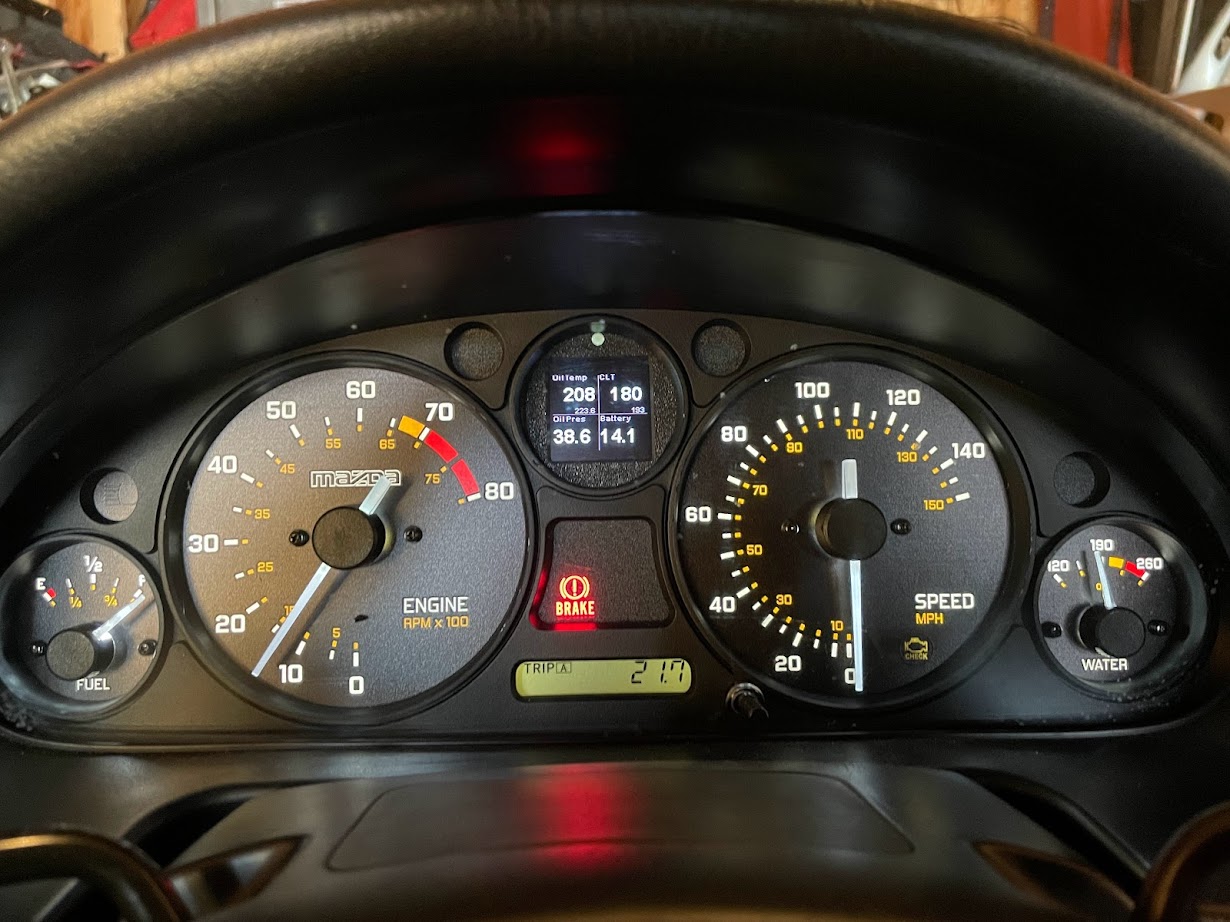
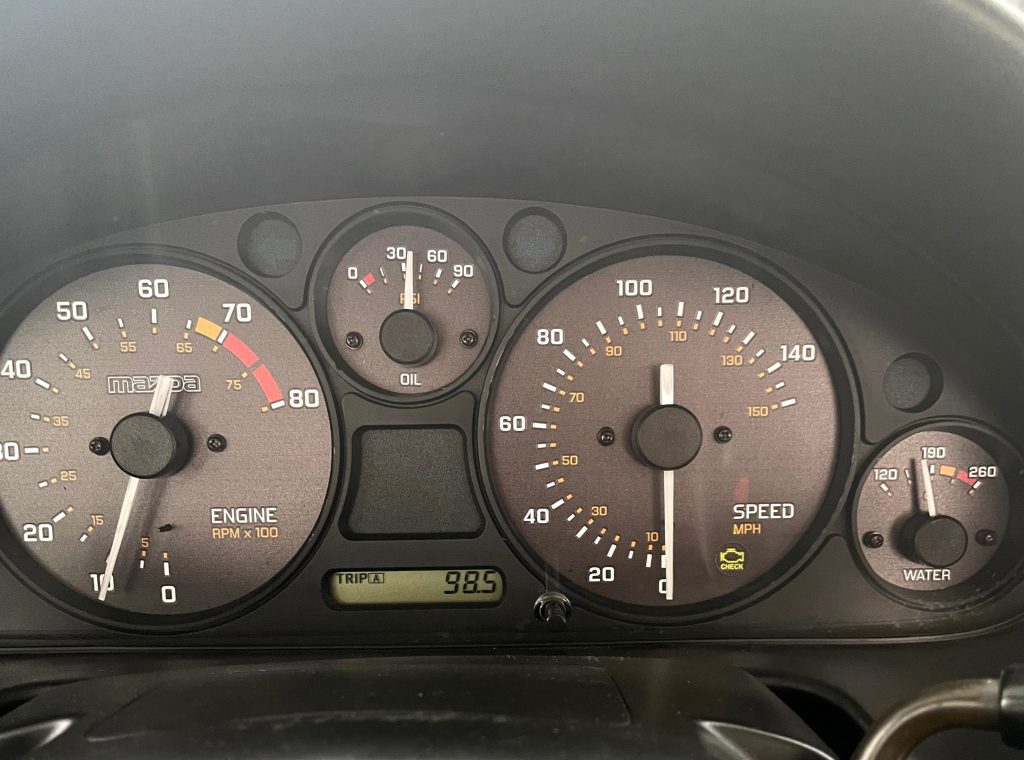
The factory oil pressure gauge in the NB model functions essentially as a binary switch. Unlike the early "NA6" (1989–1993) Miatas, which featured a linear oil pressure sender, the NB uses a pressure switch calibrated to approximately 7 PSI. Once the engine surpasses this threshold, the needle moves to a fixed middle position and remains static regardless of actual pressure fluctuations. This design prevents the driver from identifying gradual oil pump failure or dangerous pressure drops at high RPM until the pressure falls below the 7 PSI floor, at which point engine damage is often imminent.
Similarly, the factory coolant temperature gauge is programmed with a significant "dead zone." The needle remains stationary at the midpoint across a wide temperature range—typically between 165°F and 210°F. By the time the needle begins to climb toward the "hot" zone, the engine has often already reached a critical thermal state. For enthusiasts engaged in autocross or track days, these inaccuracies necessitate the installation of secondary, high-fidelity sensors.
Evolution of Secondary Monitoring: From A-Pillar to Integrated Digital Displays
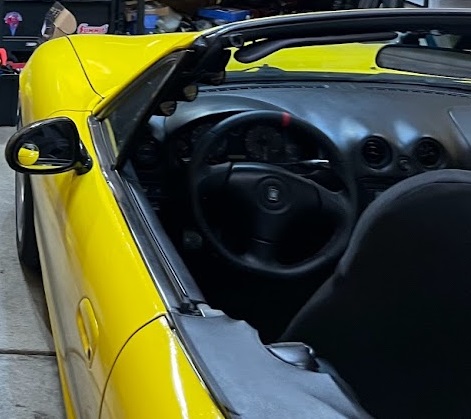
Historically, the standard solution for monitoring critical engine vitals involved the installation of a triple gauge pod on the driver’s side A-pillar. This configuration allowed for the placement of 52mm analog or digital gauges, such as those produced by Innovative Motorsports or AEM, to track boost, oil temperature, and air-fuel ratios.
While functional, A-pillar pods present several ergonomic and safety challenges. In the confined cabin of a Mazda MX-5, a bulky pillar pod significantly increases the forward-left blind spot. This visibility reduction is particularly detrimental in competitive environments like autocross, where identifying apexes and course markers is critical. Furthermore, the installation of multiple independent gauges requires extensive wiring harnesses to be routed through the firewall and up the interior trim, leading to increased complexity and potential points of electrical failure.
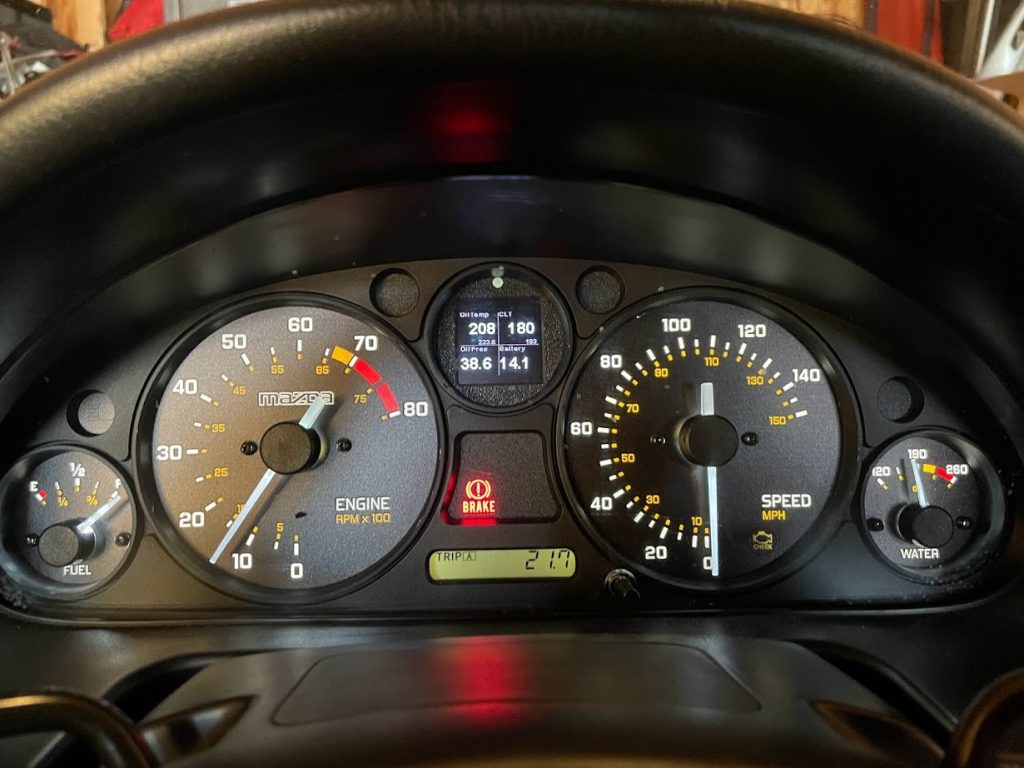
The emergence of the CANchecked MFA 2.0 multifunction display offers a streamlined alternative. Designed specifically to integrate into the existing Miata cluster, this LCD-based system replaces the non-functional factory oil pressure gauge. This "stealth" integration preserves the OEM aesthetic while providing a high-resolution window into the engine’s real-time operations.
Technical Specifications of the CANchecked MFA 2.0 System
The CANchecked MFA 2.0 is a 2.0-inch OLED or LCD unit that interfaces directly with a vehicle’s electronics. For the NB Miata, which predates the mandatory implementation of the Controller Area Network (CAN) bus standard in 2008, the integration requires a standalone engine management system (EMS), such as a Megasquirt, Haltech, or Link ECU.
Data Acquisition Methods
The system utilizes two primary channels for data acquisition:
- CAN Bus Protocol: By tapping into the digital output of a standalone ECU, the display can broadcast any parameter the ECU monitors, including intake air temperature, manifold absolute pressure (MAP), ignition timing, and fuel trim.
- Analog Inputs: The hardware includes four dedicated analog inputs. This allows users to wire linear sensors—such as 100 PSI oil pressure sensors and NTC temperature thermistors—directly to the display. This is vital for monitoring variables that the stock ECU was never programmed to track.
Display Capabilities
The unit supports multiple customizable "dashboards," allowing the driver to toggle between screens. A single screen can display up to six parameters simultaneously. This density of information effectively replaces half a dozen traditional analog gauges, significantly reducing cockpit clutter. However, technical reviews note that while the OLED technology provides high contrast, readability in direct sunlight—a common scenario for convertible owners—remains a challenge that requires careful brightness calibration.
Aesthetic Refinement through RevLimiter Gauge Faces
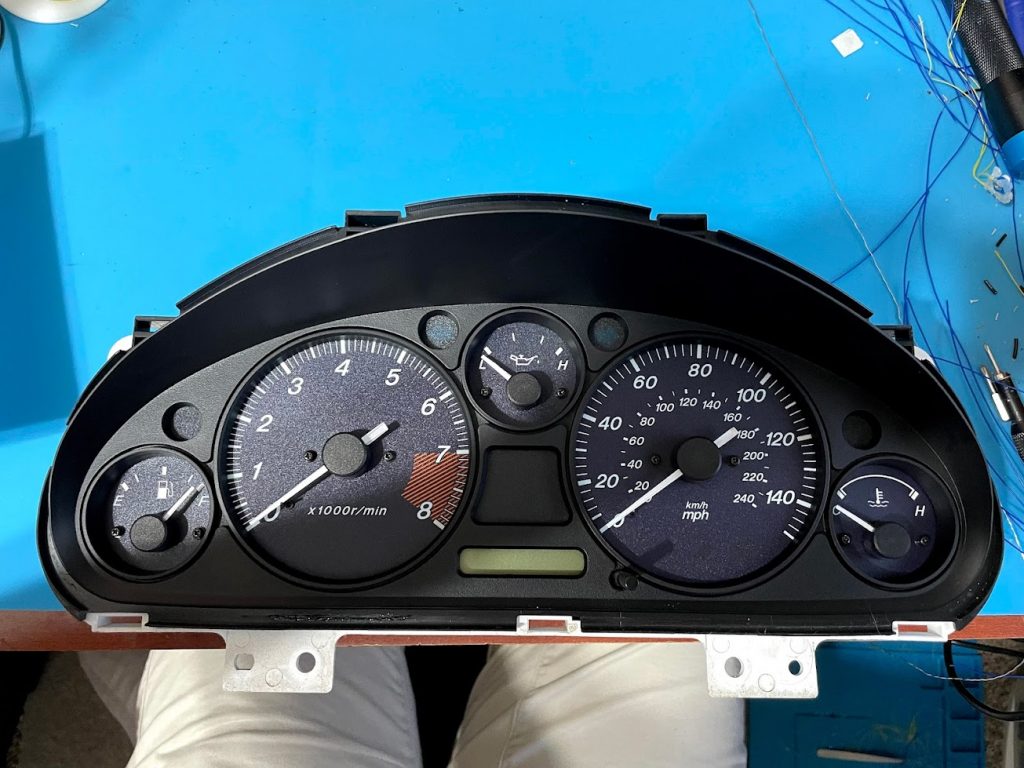
While the CANchecked system addresses functional requirements, the visual cohesion of the instrument cluster is often managed through aftermarket gauge faces. RevLimiter, a prominent manufacturer in the Miata aftermarket, produces high-quality polycarbonate faces that replace the factory units.
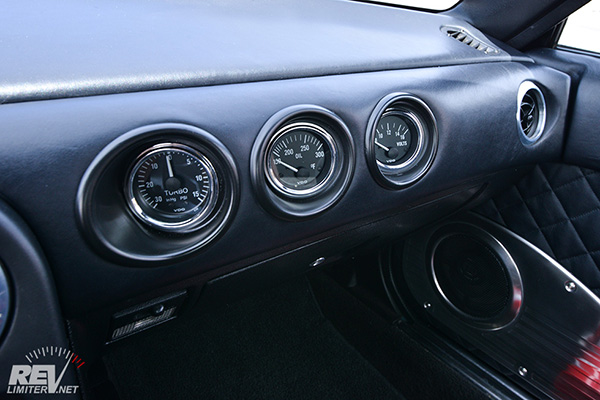
The "JNC" design, inspired by 1970s Japanese Nostalgic Car aesthetics, has become a popular choice for NB owners. These faces utilize modern printing techniques to ensure OEM-level light diffusion while offering custom numbering and color schemes. When paired with white LED conversions, these faces eliminate the dated green backlighting of the original 1990s design, providing a crisp, modern interface that complements the digital MFA display.
The installation of these faces involves a delicate process of needle removal and recalibration. Industry experts recommend using GPS-based speedometers and OBD-II data to ensure that tachometer and speedometer needles are reset to their precise zero-points, as even a minor deviation can lead to inaccurate speed readings.
Chronology of an Integrated Build
The transition from a stock interior to a high-performance data center typically follows a structured timeline:
- Phase 1: Foundation. Installation of a standalone ECU (e.g., Megasquirt MS3) to enable digital data output.
- Phase 2: Sensor Deployment. Replacing the dummy oil pressure switch with a 0-100 PSI linear sender and adding an oil temperature probe to the oil pan or filter sandwich plate.
- Phase 3: Cluster Disassembly. Removal of the OEM instrument cluster, de-pinning of the stock oil pressure gauge, and mounting of the CANchecked LCD.
- Phase 4: Aesthetic Overlay. Application of RevLimiter faces and LED lighting upgrades.
- Phase 5: Configuration. Programming the CAN bus identifiers to ensure the display correctly interprets the data stream from the ECU.
Broader Implications for the Enthusiast Market
The move toward integrated digital displays in vintage and modern-classic sports cars reflects a broader trend in the automotive aftermarket: the "OEM Plus" philosophy. This approach prioritizes upgrades that look like factory equipment but offer modern performance.
Beyond the immediate benefits of engine safety, these systems lay the groundwork for advanced telemetry. The next logical step for many owners is the integration of high-frequency data loggers like the RaceCapture Pro. By combining ECU data with built-in accelerometers and 25Hz GPS, drivers can analyze brake pressure, throttle position, and lateral G-forces.
This level of data was once reserved for professional racing teams with six-figure budgets. Today, the democratization of CAN bus technology allows a hobbyist with an NB Miata to access the same analytical tools. The ability to overlay engine health data with lap times provides a comprehensive view of vehicle performance, allowing for more informed tuning decisions and more rapid driver development.
Conclusion
The modernization of the NB Miata’s instrumentation via CANchecked and RevLimiter components represents a sophisticated synthesis of form and function. By replacing redundant, damped factory gauges with high-speed digital displays, owners mitigate the risks of engine failure while enhancing the vehicle’s ergonomic profile. As the Miata continues to age into a classic status, these technical solutions ensure that the platform remains viable and competitive in an era of increasingly data-driven motorsport. The successful integration of these systems proves that even a two-decade-old analog roadster can be transformed into a precision-engineered machine capable of providing the driver with a wealth of actionable intelligence.